Dreem Headband Discontinued Best Alternatives 2026
Affiliate Disclosure: We may earn a commission on purchases made through links in this article at no extra cost to you. Our recommendations are based on research into specifications, published evidence and product listings.
Quick Picks
The Dreem headband has been discontinued. If you were counting on it as your go-to EEG sleep tracker, you’re probably frustrated right now, and I get it. The short answer: the closest replacements combining clinical-grade EEG with consumer usability are the Muse S Athena, the Neurosity Crown for research-adjacent users, and the emerging NextSense Smartbuds for in-ear EEG. None of them are perfect substitutes. But depending on what you actually used Dreem for, one of them will likely serve you better than you’d expect.
Product Comparison
Best Overall 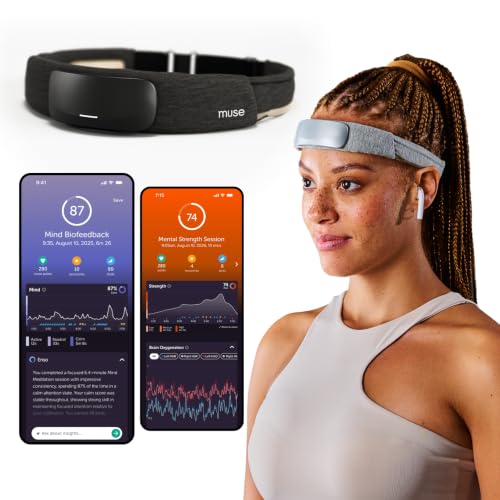 Muse S Athena Check Price on Amazon |  Muse S Athena Headband Check Price on Amazon | 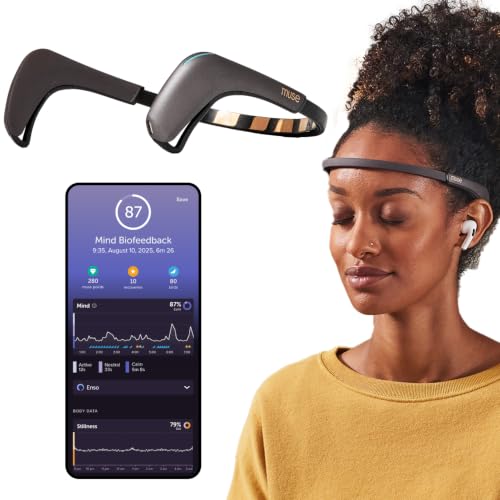 Muse 2 Check Price on Amazon | |
|---|---|---|---|
| Type | EEG headband | EEG headband | EEG headband |
| Sensors | EEG + PPG | EEG + PPG | EEG |
| Sleep Tracking | Yes | Yes | Limited |
| Subscription | Optional | Optional | Optional |
| Price Range | $$$ | $$$ | $$$ |
This is not a eulogy for a product. It’s an honest look at what Dreem represented, why its disappearance matters, and where the real alternatives actually stand in early 2026.
If you want the broader context on EEG sleep devices first, our EEG Headbands Hub covers the full landscape of consumer and research-grade options, including how to evaluate them and what the science actually supports.
Why Did the Dreem Headband Matter in the First Place?
Most sleep trackers are, structurally speaking, guessing. They use accelerometers, heart rate sensors, and proprietary algorithms to estimate your sleep stages. Some of them guess with impressive accuracy. But Dreem did something genuinely different: it measured actual brainwave activity using dry EEG electrodes positioned against your scalp. That’s the same fundamental technology sleep labs use for polysomnography, compressed into a consumer headband.
The clinical validation was real. Dreem published peer-reviewed research comparing their device to gold-standard PSG, and the results were legitimately competitive. Based on available evidence published on PubMed, the Dreem 2 showed strong agreement with PSG for sleep staging, particularly for N2 and N3 slow-wave sleep detection. That’s not marketing copy. That’s published science.
Dreem also offered audio-based slow-wave sleep enhancement, playing pink noise timed to your slow oscillations to theoretically boost deep sleep quality. The neurofeedback angle was grounded in real science, not just ambient sound. That combination of genuine EEG measurement plus active sleep intervention was what made Dreem genuinely interesting, and genuinely hard to replace.
When Dreem shifted focus to the B2B clinical market and quietly exited the consumer space, it left a gap that no single product has cleanly filled. Understanding that gap is the difference between choosing the right alternative and wasting a few hundred dollars.
What Were You Actually Using Dreem For?
This is the question most “Dreem alternatives” articles skip, and it’s the most important one. Dreem served at least three distinct user types, and the best replacement depends entirely on which one you were.
The accuracy seekers. They were frustrated with their Apple Watch or Oura Ring telling them they’d slept beautifully on nights they woke up feeling wrecked. They wanted something closer to ground truth. The measurement accuracy was the whole point.
The active intervention users. These were people using Dreem specifically for the slow-wave sleep audio stimulation. They had sleep quality concerns, not just tracking curiosity. They wanted the device to actually do something, not just observe.
The researchers and biohackers. Probably the smallest group. They wanted consumer-accessible EEG data for their own analysis, whether for a personal project, a sleep study, or professional curiosity.
The appeal of Dreem was that it might actually tell you something real about what was happening in your brain overnight, not just how much you moved. That distinction matters enormously when you’ve spent years trying to understand why you feel the way you do after a night’s sleep.
The Real Alternatives: What’s Actually Available in 2026
Let me be direct about the state of the market. There is no consumer EEG sleep headband in 2026 that does everything Dreem did at a comparable price point. The alternatives each cover part of the picture. Here’s an honest breakdown.
Muse S Athena: The Most Accessible Option
Check the Muse S Athena price on Amazon
The Muse S line is where most people land when they search for Dreem alternatives, and the current model, the Muse S Athena, is a reasonable choice with important caveats. It combines EEG with fNIRS tracking (Dreem used 7 EEG channels) and has long been marketed as a meditation and relaxation device, with sleep tracking as a secondary feature. The Muse app offers guided audio sessions for winding down, and an optional Premium subscription adds more features. The older Muse S Gen 2 is no longer sold new on Amazon, so the Athena is the version to look at.
The limitation is that Muse’s sleep staging accuracy hasn’t been validated to the same clinical standard as Dreem’s. InteraXon has published some research, but the evidence base is thinner. For users who wanted Dreem specifically because of its published PSG validation, Muse is a step down in that regard.
For users who wanted something that helps them relax before sleep and gives a reasonable sense of sleep quality trends over time, Muse S is a sensible pick. The meditation features are the strongest part of the line, and structured audio sessions can give a racing mind something neutral to focus on. It’s not magic, but it’s not nothing either.
Price sits in the $300 to $500 range for the Athena. Comfort will vary by person, and I’ll be honest: any headband pressing against your skull at 3am takes a few nights before you stop noticing it. The Mayo Clinic’s guidance on sleep hygiene consistently emphasizes that the mental and physical transition into sleep matters as much as the sleep itself, and Muse’s meditation features genuinely support that transition in a way pure tracking devices don’t.
Best for: Users who wanted Dreem’s wind-down assistance and sleep trend tracking. Not ideal for users who needed clinical-grade validation.
Read our full Muse S review for a deeper look at the sleep staging accuracy and comfort in practice.
NextSense Smartbuds: In-Ear EEG and a Different Approach
NextSense (formerly a Google X project) takes a fundamentally different approach: in-ear EEG rather than forehead contact. The comfort argument is compelling. Earbuds are something people already sleep with. There’s no headband pressing against your skull. The electrodes sit in the ear canal rather than against your forehead.
The science behind in-ear EEG is legitimate. The ear canal provides stable electrode contact, and research has demonstrated that temporal and periauricular EEG signals can capture meaningful sleep stage information. The practical question is whether NextSense’s specific implementation delivers on that promise consistently, and the honest answer in early 2026 is: it depends heavily on your ear anatomy and sleep position.
Side sleepers are often skeptical of in-ear devices for overnight use. Pressure on one earbud for six hours is its own problem. NextSense has done work on their earbud geometry to address this, and it’s better than most, but it’s still a real consideration if you move around or sleep primarily on one side.
NextSense is still relatively new to the consumer market, and the research validation is thinner than Dreem’s was at its peak. It’s a promising direction. For users who found headbands physically intolerable overnight, it’s worth serious consideration. For users who primarily wanted Dreem’s clinical accuracy credentials, the jury is still out.
Best for: Users who prioritized comfort over clinical-grade validation, or who couldn’t tolerate forehead-contact devices.
Neurosity Crown: For Researchers and Power Users
The Neurosity Crown is not a consumer sleep tracker. It’s an 8-channel EEG device designed for developers, researchers, and technically sophisticated users who want to work directly with raw brainwave data. It costs significantly more than either of the above options, and it requires a level of technical investment that most people aren’t looking for in a sleep product.
But for the third Dreem user group, the researchers and biohackers who wanted consumer-accessible EEG data for their own analysis, the Crown is arguably the most capable option on the market right now. The electrode count exceeds Dreem’s 7-channel setup. The API access is robust. The community around it includes people doing genuinely interesting sleep research outside traditional lab settings.
I want to be clear about what this isn’t. It’s not a plug-and-play sleep tracker with a friendly app. If you want to open a box, put something on your head, and see your sleep stages in the morning, this isn’t it. If you want to build your own sleep analysis pipeline and you have the technical background to do that, the Crown is serious hardware.
Best for: Researchers, developers, and technically sophisticated users. Not for general consumers wanting a Dreem replacement.
Frenz Brainband: The Budget EEG Option
The Frenz Brainband deserves mention as the most accessible price point for EEG-based sleep tracking. It combines EEG monitoring with audio features designed to support sleep onset, which makes it the closest structural equivalent to Dreem’s dual-function approach among the budget options.
The trade-off is that the EEG channel count is lower and the research validation is thinner than any of the options above. For someone who’s primarily curious about EEG sleep tracking and doesn’t want to spend $400 to find out if they’ll actually use it, Frenz is a reasonable entry point. For someone who specifically needs clinical-grade staging accuracy, it’s not the right tool.
Our Frenz Brainband review goes into more detail on the accuracy and the audio intervention features specifically.
Best for: Budget-conscious users who want to explore EEG sleep tracking without a major financial commitment.
How to Choose: A Practical Framework
Here’s how I’d think about this decision based on what you actually used Dreem for:
If you wanted accurate sleep staging above everything else, the Muse S Athena is the closest consumer option available right now. It’s not at Dreem’s PSG-comparison level, but it’s one of the best the consumer market currently offers with any meaningful published research behind it. Our guide to sleep tracker accuracy covers the broader landscape if you want context on where EEG compares to optical sensors.
If you wanted active sleep intervention, Muse S is again your best bet, specifically for the guided sleep sessions and the audio stimulation features. The Frenz Brainband is worth considering here too, given its lower price and similar dual-function approach.
If you couldn’t tolerate a headband, NextSense Smartbuds is the most serious alternative. Just understand the comfort variable with in-ear devices as a side sleeper.
If you needed research-grade data, Neurosity Crown is the honest answer, with all the caveats about cost and technical complexity.
I’ll also say this: one thing Dreem’s discontinuation should remind us of is the platform risk of depending on a single consumer hardware company for clinical-grade data. If you have genuine clinical concerns about your sleep, a one-night lab-based polysomnography study gives you more validated data than any of these devices. Consumer EEG is useful for trends and general insight. It’s not a substitute for clinical evaluation when clinical evaluation is what you need.
Understanding your sleep stages isn’t a prerequisite for fixing your sleep. A paper sleep diary and working with a therapist can be more useful than any wearable, and CBT-I addresses the anxiety component that can drive insomnia in a way no EEG headband could. You can track the rain very accurately and still get soaked if you don’t also bring an umbrella. A solid sleep hygiene foundation remains the umbrella here.
Ready to choose? Our top picks
Frequently Asked Questions
Why was the Dreem headband discontinued?
Dreem shifted its focus from the consumer market to the B2B clinical and research market, where the device’s clinical validation credentials are more directly valuable. Consumer EEG sleep trackers face a difficult market: the price point is high, the use case requires real commitment from the user, and competing against simpler wearables on marketing is difficult. Dreem’s technology found a more sustainable home in clinical settings, but that meant exiting the consumer space.
Is the Muse S Athena as accurate as the Dreem headband was?
No, not to the same published standard. Dreem’s research validation, including peer-reviewed comparisons against polysomnography, was genuinely strong. InteraXon has published some supporting research for Muse, but the evidence base is thinner. If clinical-grade staging accuracy is your primary requirement, the Muse S is the best available consumer option but it’s a step down from what Dreem offered in its validated form.
Can any consumer EEG headband replace a sleep lab study?
No consumer EEG device fully replaces polysomnography for clinical purposes. Sleep labs use more electrode channels, controlled environments, and trained technicians reviewing the data in real time. Consumer EEG devices are useful for tracking personal trends and general sleep quality indicators over time. If you have clinical concerns, such as suspected sleep apnea, periodic limb movement disorder, or severe insomnia, a proper sleep study with your doctor is the appropriate next step. Consumer devices are complements to clinical care, not substitutes.
Is the NextSense Smartbuds suitable for side sleepers?
It’s workable for side sleepers but comes with real comfort considerations. Any in-ear device worn overnight creates pressure on the lower ear when you’re on your side. NextSense has designed their earbud geometry to minimize this, and many side sleepers report adapting within a week or two. That said, it’s worth noting the limitation honestly: side sleeping is not the ideal use condition for in-ear EEG devices, and your experience will depend on your specific ear anatomy and how much you move during the night.
Are there any upcoming consumer EEG sleep trackers that might fill the Dreem gap?
As of early 2026, the products covered in this article represent the realistic consumer options. The broader consumer EEG market has been slow to develop new entrants with serious clinical validation. NextSense remains the most interesting emerging option given its Google X origins and the structural advantage of in-ear EEG for overnight comfort. Beyond that, the most significant advances in accessible sleep science are currently happening in software and analysis rather than hardware, with AI-assisted interpretation of existing EEG signals improving steadily. Watch this space, but don’t wait on a perfect product before addressing your sleep concerns.
About This Guide
LiveWorkSleep publishes guides to sleep products and sleep science. Recommendations are based on research into specifications, published evidence and product listings. This page is general information, not medical advice.
Price bands: $ under $15, $$ $15 to $40, $$$ $40 to $100, $$$$ over $100. Check Amazon for the current price.