Hostage Tape vs SomniFix vs Dryft
Affiliate Disclosure: As an Amazon Associate I earn from qualifying purchases. Some links on this page are affiliate links. If you buy through them we earn a small commission at no extra cost to you. Our recommendations are based on research into specifications, published evidence and product listings. Learn more.
Quick Picks


Quick picks: Napify Breath Training Tape → | Breathe Right Strips → | ZQuiet →
Hostage Tape, SomniFix, and Dryft are the three most popular mouth tapes on the market right now, and they all do the same basic thing: keep your lips together while you sleep so you breathe through your nose instead of your mouth. The differences come down to adhesive strength, comfort, skin sensitivity, and whether the design actually stays put through a full night.
If you want the short answer, there it is. But the longer answer matters, because mouth taping is one of those sleep interventions where the details genuinely change the outcome. The wrong tape for your skin type, your breathing pattern, or your anxiety level can turn a useful habit into a frustrating one.
This comparison sits within a broader series of sleep product reviews and head-to-head comparisons at the liveworksleep Comparisons Hub, which aims to cut through the marketing noise and give you something actually useful.

Why Did I Start Testing Mouth Tape in the First Place?
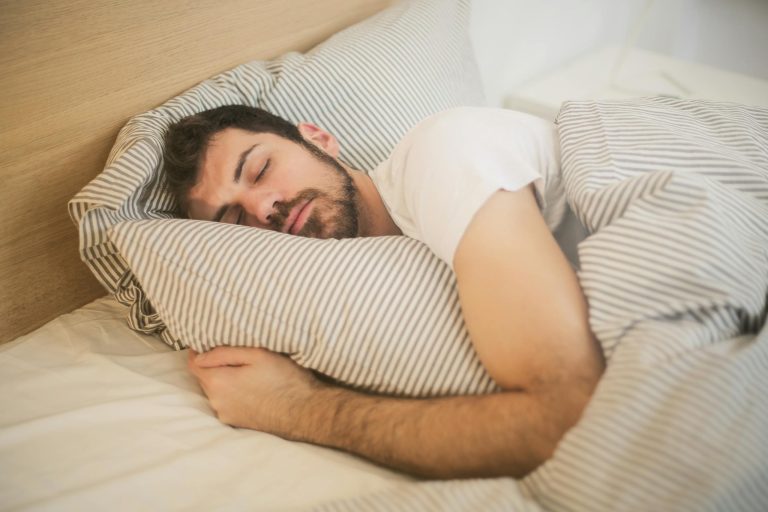
Waking up with a dry, slightly sore throat is a classic mouth breathing sign.
Nasal breathing has been linked to nitric oxide production, better oxygen uptake, and reduced snoring. According to research indexed through the National Institutes of Health, nasal breathing filters, warms, and humidifies air before it reaches the lungs in ways that mouth breathing simply cannot replicate. The case for keeping your mouth closed at night is genuinely solid, which makes the products claiming to help you do exactly that worth examining.
What Is Mouth Tape and Is It Actually Safe?
Mouth tape is exactly what it sounds like: a small strip of medical-grade adhesive tape applied over your lips before sleep to encourage nasal breathing. The concept sounds alarming to a lot of people when they first hear it, and that reaction is understandable.
But it’s worth being precise about what these products actually do. None of the three tapes seals your mouth completely shut. They all use a relatively gentle adhesive that you can open your mouth against if you need to. The tape creates resistance, not a seal. If you panic, or need to cough, or your nose becomes blocked, you can open your mouth. That distinction matters for safety and for managing the psychological adjustment period.
The Mayo Clinic notes that mouth breathing during sleep is associated with snoring, dry mouth, and poorer sleep quality, and that nasal breathing is generally preferable for most people. However, if you have significant nasal obstruction, sleep apnea, or any respiratory condition, you should talk to a doctor before using mouth tape. That’s genuinely important. Mouth tape is not a treatment for obstructive sleep apnea and could be harmful if used inappropriately in that context.
For healthy people who happen to be mouth breathers, the risk profile is low and the potential upside is real. With that framing established, here’s how the three products actually compare.

Hostage Tape: Strong Hold, Strong Brand, Strong Opinions
Hostage Tape leans hard into its branding. The name, the packaging and the marketing copy all push an aggressive, almost macho identity that some buyers may find off-putting. But I try not to let branding bias my product testing, and the tape itself is genuinely worth taking seriously.
The adhesive is noticeably stronger than both SomniFix and Dryft. If you’re a restless sleeper, if you talk in your sleep, or if you’ve tried gentler tapes and found them peeling off by 2am, Hostage Tape is likely to stay put.
The design is a simple rectangular strip with a small central hole. The hole is there to allow some airflow if your nose becomes partially blocked, which is a sensible safety feature. The tape is slightly thicker than SomniFix, which some people find reassuring and others find uncomfortable. Removal in the morning requires a bit more care than the other two. Not painful exactly, but you notice it, particularly if you have facial hair or sensitive skin around the lip area.
Cost-wise, Hostage Tape runs around $25-30 for 30 strips depending on where you buy it. That’s roughly $0.85-$1.00 per night, which adds up over time. The company pushes subscription pricing fairly aggressively, which I’m always mildly suspicious of with consumable sleep products. The tape works, but you’re partly paying for the brand.
My honest take: if adhesion is your primary concern and your skin handles it well, Hostage Tape delivers. If you’re newer to mouth taping or have sensitive skin, start elsewhere.
SomniFix: The Most Thoughtfully Designed of the Three
SomniFix is a good starting point for people asking where to start with mouth taping. That’s not because it’s the cheapest or the strongest. It’s because the design shows genuine thought about the user experience, including the anxiety that a lot of people feel when they first try this.
The strip has a mesh centre panel rather than a solid adhesive across the full lip area. This mesh allows limited airflow even when the tape is applied, which serves two purposes. First, it’s a meaningful safety feature for people who aren’t sure how their nose will perform overnight. Second, and perhaps more importantly, it reduces the psychological barrier to trying the tape in the first place. Knowing you can breathe through the mesh if you need to can make it much easier to relax and let the nasal breathing happen naturally.
The adhesive is gentler than Hostage Tape but still effective for most sleepers. It should stay on through the night for most people, though partial peeling can occur if it is applied slightly wrong or over residual lip balm. The removal is genuinely painless. That matters more than it sounds if you’re doing this every single night.
SomniFix costs around $20-25 for 28 strips, putting it in a similar price bracket to Hostage Tape. They also offer a starter pack at a lower price point, which is a sensible way to try any mouth tape before committing to a larger quantity.
One thing I appreciated: SomniFix’s website and packaging don’t oversell. They’re honest that the product encourages nasal breathing rather than guaranteeing any specific health outcome. In a category full of breathless claims about significant sleep, that restraint is refreshing. It aligns with a realistic view of sleep interventions generally: most of them are modest contributors to a larger picture rather than magic solutions.

Dryft: The Sensitive Skin Option That Deserves More Attention
Dryft is the least marketed of the three brands and probably the least well known. That’s a shame, because for a specific subset of users it’s clearly the best choice.
The tape uses a hypoallergenic adhesive that’s noticeably gentler on skin than either SomniFix or Hostage Tape. If you’ve tried other mouth tapes and woken up with redness or irritation around your lips, Dryft is worth trying.
The adhesion is the weakest of the three. For lighter sleepers who don’t move much, this is fine. For anyone who shifts position frequently or has experienced tape peeling with other products, Dryft may not hold through the night.
The design is simple: a small H-shaped strip that covers the centre of the lips rather than the full width. This design philosophy prioritises comfort and minimal adhesive contact over maximum hold. It’s a reasonable trade-off for the target user.
Pricing is slightly lower than the other two, typically around $18-22 for a month’s supply. If Dryft works for your skin type and sleep style, it’s the best value of the three.
How Does Mouth Taping Actually Affect Sleep Quality?
This is where I want to be honest about the evidence, because the mouth taping community online can veer into overclaiming territory.
The physiological case for nasal breathing is well established. Nasal breathing produces nitric oxide, which helps dilate blood vessels and improve oxygen delivery. It filters and humidifies air more effectively than mouth breathing. A study published through PubMed found associations between mouth breathing during sleep and increased sleep disruption, snoring, and daytime fatigue. These are real effects worth addressing.
However, the specific research on mouth tape as an intervention is thinner than the broader nasal breathing literature. Most of the evidence is observational or based on small samples. The American Psychological Association has noted generally that sleep quality improvements tend to come from multiple converging interventions rather than single silver bullets, and mouth taping fits that pattern. It’s likely a useful component of a broader sleep hygiene approach rather than a standalone fix.
More expensive sleep tech, the kinds of devices that claim to monitor brainwaves or guide you through sleep stages in real time, can be genuinely interesting scientifically, but the practical evidence for most consumer-grade versions is still limited. Mouth tape is simpler, cheaper, and the mechanism is at least well understood even if the specific intervention evidence is still developing.
Speaking of building a complete sleep environment, if you’re also dealing with noise disruption, it’s worth reading about what the research actually shows on white noise machines and sleep quality. Combining nasal breathing habits with sound management can address two separate disruption sources at once.

Practical Comparison: Side by Side
Let me put the key variables in plain terms rather than leaving you to piece them together from the sections above.
Adhesive strength: Hostage Tape is strongest, SomniFix is middle, Dryft is gentlest. If you’re a restless sleeper, that order matters.
Skin sensitivity: Dryft wins clearly. SomniFix is reasonable for most skin types. Hostage Tape is the most likely to cause irritation with repeated use, particularly around the lip border.
Comfort during application: SomniFix’s mesh design makes it the least claustrophobic to wear. This is particularly relevant if you’re new to mouth taping or have any anxiety about the concept. The mesh panel means you’re not fully sealed even with the tape on, which helps with the psychological adjustment.
Removal: Dryft is easiest, SomniFix is straightforward, Hostage Tape requires more care. Over 365 nights, that morning removal experience adds up.
Price per night: All three sit in a similar range of $0.65-$1.00 per strip depending on pack size and where you buy. None of them are expensive in absolute terms, but none are trivial either if you’re comparing to simply not using any tape.
Who each one is for: Hostage Tape suits heavy sleepers who prioritise hold above everything else. SomniFix suits most people, particularly those new to the habit. Dryft suits people with sensitive or reactive skin who are willing to accept slightly lower adhesion in exchange for comfort.
Building a Complete Sleep Environment Beyond Mouth Tape
Mouth tape is one piece of a larger puzzle. I want to be clear about that because the way some of these products are marketed, you’d think nasal breathing alone is going to revolutionise your sleep. It might contribute meaningfully. It won’t do everything.
If you’re budget-conscious, the guide to the best budget white noise machines for better sleep covers the options that actually perform without the premium price tag.
If you travel frequently and want portable sound masking to go with your mouth tape habit, the best white noise machines for travel covers compact options worth considering. And if you’re a parent trying to optimise sleep for both yourself and a young child, the considerations around white noise machines for babies are worth understanding separately, since the evidence base and safety considerations differ from adult use.
The broader point is that sleep quality responds to a system, not a single intervention. Mouth tape, sound management, temperature, light exposure, and stress management all interact. Getting one of them right while ignoring the others will produce limited results. Getting several of them right compounds positively.
For a comprehensive overview of the sound machine category, my roundup of the best white noise machines in 2025 covers the full range from budget to premium. And if you’re weighing up specific models, my comparison of the Hatch Rest 2nd Gen vs Rest Plus might be useful if you’re in that particular decision tree.
According to the CDC, more than a third of American adults regularly don’t get enough sleep. The causes are varied and often interconnected, which is why I’m cautious about any single product claiming to be the answer. But that doesn’t mean individual interventions are useless. It means they work best as part of a deliberate, multi-factor approach.

My Final Recommendation
If you’re new to mouth taping, start with SomniFix. The mesh design reduces the psychological barrier, the adhesion is reliable enough for most sleepers, and the removal is painless. Buy the starter pack rather than committing to a large quantity until you know how your skin responds and whether the habit suits you.
If you’ve tried SomniFix or another gentle tape and found it peeling off before morning, try Hostage Tape. It holds better. Accept that removal will require slightly more care and that some people experience mild skin irritation with extended use.
If you have sensitive skin, eczema, or a history of reactions to adhesives, try Dryft. The gentler formula is worth the slightly reduced adhesion for users in that category.
Whatever you choose, give it at least two weeks before drawing conclusions. The first few nights with any mouth tape involve an adjustment period, and the first night can feel slightly uncomfortable and strange before it becomes unremarkable by the end of the first week. That adjustment curve is normal and worth pushing through.
One final note: the World Health Organization consistently emphasises that sleep health is a foundational component of overall physical and mental wellbeing, not a luxury or an afterthought. Mouth tape is a small, low-cost, low-risk intervention that might contribute to that system. For many people, it’s worth trying.
Read more articles on the Comparisons Hub.
Check current prices on Amazon: Napify Breath Training Tape → | Breathe Right Strips → | ZQuiet →
Transparency: LiveWorkSleep may earn affiliate commissions from products recommended on this page. This doesn’t influence our recommendations. Our recommendations are based on research into specifications, published evidence and product listings.
About This Guide
LiveWorkSleep publishes guides to sleep products and sleep science. Recommendations are based on research into specifications, published evidence and product listings. This page is general information, not medical advice.
Ready to choose? Our top picks
Frequently Asked Questions
Is mouth tape safe to use while sleeping?
For most healthy adults who breathe comfortably through their nose, mouth tape is low risk. None of the major products reviewed here create a complete seal, so you can open your mouth if needed. However, mouth tape is not appropriate for people with obstructive sleep apnea, significant nasal obstruction, or respiratory conditions without first consulting a doctor. If in doubt, speak to a healthcare professional before starting.
Which mouth tape is best for sensitive skin?
Dryft uses the gentlest hypoallergenic adhesive of the three brands tested. If you have sensitive skin, eczema, or a history of reactions to medical adhesives, Dryft is the safest starting point. SomniFix is suitable for most normal skin types. Hostage Tape has the strongest adhesive and is the most likely to cause irritation with repeated nightly use.
How long does it take to get used to sleeping with mouth tape?
Most people find the first one to three nights slightly uncomfortable or unfamiliar. By the end of the first week, the majority of users report that wearing tape has become unremarkable. The psychological adjustment is often the bigger challenge rather than any physical discomfort. SomniFix’s mesh centre panel is particularly helpful for this adjustment period because it allows limited airflow even with the tape applied.
Does mouth taping actually improve sleep quality?
The evidence for nasal breathing benefits is solid. The specific clinical evidence for mouth tape as an intervention is still developing and based on relatively small studies. Most users who benefit report reduced dry mouth, less snoring, and better morning throat comfort. Whether it improves sleep architecture measurably is harder to confirm without clinical sleep monitoring. It works best as part of a broader sleep hygiene approach rather than as a standalone solution.
Can I use mouth tape if I have a beard or facial hair?
Yes, though adhesion can be reduced if the tape contacts significant facial hair around the lip border. Hostage Tape tends to hold best in this situation due to its stronger adhesive. Applying the tape carefully to contact lip skin rather than hair improves performance. Removal requires more care with facial hair to avoid discomfort. Some users find that trimming the area immediately around the lips improves tape performance significantly.