JALL Wake Up Light Review: Budget Sunrise Alarm Clock
Affiliate Disclosure: As an Amazon Associate I earn from qualifying purchases. Some links on this page are affiliate links. If you buy through them we earn a small commission at no extra cost to you. Our recommendations are based on research into specifications, published evidence and product listings. Learn more.
Quick Picks


Verdict: The JALL Wake Up Light is a budget sunrise alarm with a long feature list, best for people who want to try sunrise waking without spending much. Skip it if you want simple controls or the brightest possible light, and look at a premium model such as the Philips SmartSleep instead.
It combines sunrise simulation, multiple sounds and customizable settings for under $50.
Shop on Amazon: JALL Wake Up Light → | Philips SmartSleep Wake-Up Light →
Dawn simulation is a studied idea, especially for dark winter months when sunrise comes after many of us need to wake. The research is covered below.

What Is the JALL Wake Up Light?
The JALL Wake Up Light is a sunrise simulation alarm clock that gradually brightens your room over 10 to 60 minutes before your set wake time. This listing (JALL Full Screen Dimmer Sunrise Alarm Clock, Amazon ASIN B0BJPYVMLJ) includes 17 colorful lighting modes, 25 built-in sounds, Bluetooth speaker capability, dual alarms, and FM radio. At under $50, it positions itself as an entry point for people curious about sunrise alarms without the larger investment required for premium brands.
The device features a round design measuring roughly 7.5 inches in diameter and 7.2 inches tall, weighing about one pound. The front displays a full-screen LED time panel that can be dimmed or turned off completely. Behind the panel sits the light source that projects through a diffuser to create the sunrise effect.
Key Features and Specifications
Sunrise Simulation Capability
The sunrise feature gradually increases light from 10% to 100% brightness over a customizable duration. You can set the simulation for 10, 20, 30, 45, or 60 minutes before your alarm time. This flexibility matters because a 2003 community-based trial in BMC Psychiatry (Leppämäki and colleagues) found that simulated dawn improved subjective sleep quality, though the best duration may vary between people.
The light begins as a dim warm glow, mimicking natural sunrise progression. The gradual brightening is meant to ease you into waking, rather than jolting you awake with a sudden alarm sound. During the simulation period, no sound plays. The alarm tone only activates at your exact set time.
Lighting Options
Beyond sunrise simulation, the JALL includes 17 lighting modes: eight solid colors (pink, green, blue, indigo, purple, grey, red, orange) and nine RGB mood lights that cycle through color combinations. Each mode offers 20 adjustable brightness levels. You can use these as reading lights, night lights, or mood lighting independent of alarm functions.
Sound Selection
The listing describes 25 built-in sounds including white noise, pink noise, campfire, birds, seagulls, river, rain, wind chimes, soft music, ocean waves, streams, beeps, and piano music. Volume adjusts across 16 levels. The Bluetooth speaker allows you to play audio from your phone, though sound quality matches the price point rather than dedicated speaker systems.
FM radio covers frequencies from 76.0 to 108.0 MHz with automatic station scanning. You can wake to your favorite radio station if preferred over nature sounds.
Dual Alarms with Scheduling
Two independent alarms accommodate different schedules. Each supports three patterns: Every Day, Weekday (Monday through Friday), or Weekend (Saturday through Sunday). The snooze function provides nine additional minutes and supports unlimited snooze cycles. If you don’t interact with the device, sounds automatically turn off after 30 minutes and light after 60 minutes.
Using the JALL: Setup and Controls (from the manual and listing)
Setup and Ease of Use
The JALL requires AC power. A backup battery maintains clock and alarm settings during power outages but doesn’t operate functions without electricity. Initial setup involves setting the current time using control buttons along the top of the device.
Here’s where budget clocks show their limitations. The JALL features approximately 12 buttons across the top panel. While functional, remembering each button’s purpose takes time. The included manual provides detailed instructions, and JALL supplies labeled stickers you can apply to buttons as learning aids. The manual and stickers exist because the controls take some learning.
When evaluating sleep products, a key consideration is immediate usability versus a learning curve. The JALL falls into the latter category. If you prefer minimal-fuss devices or get overwhelmed by multiple options, simpler sunrise alarm models might suit you better. But if you enjoy customization and don’t mind a brief learning period, the feature-rich design becomes an asset rather than burden.

The Wake-Up Experience
The JALL’s range of sunrise durations and brightness settings allows for meaningful customization.
The listing describes the light as starting dim and brightening progressively. The progressive brightening is designed to influence circadian rhythms gradually, with the goal of enabling natural waking before the alarm sound activates.
That said, light intensity matters for sunrise effectiveness. The JALL does not publish a lux figure, so it is best suited to smaller bedrooms and may struggle in larger spaces or rooms with ambient light. Premium models like the Hatch Restore 3 are marketed with stronger illumination, though whether you need that power depends on your sleeping environment.
The birdsong alarm is noted as a gentler alternative to conventional alarm tones. Gradually increasing bird chirps are generally considered less startling than sudden, harsh alarm sounds.
Display Brightness Control
The full-screen LED display adjusts across three brightness levels or turns off completely. This addresses a common complaint with alarm clocks: excessive nighttime light disrupting sleep. The ability to completely disable the display makes the JALL suitable for sleepers who require full darkness.
Sunset and Sleep Timer Functions
The JALL includes a sunset mode that reverses the sunrise process. Light gradually dims from bright to off over 10 to 120 minutes while playing your chosen sound. This feature aims to support evening wind-down routines.
In practice, the sunset mode may be less immediately compelling than the sunrise function for many users. However, people without solid evening protocols might find sunset mode helpful for creating wind-down consistency.
The sleep timer turns off the device automatically after 10 to 120 minutes, useful for falling asleep to nature sounds or radio without running it all night.

What Works Well
Several features stand out for a budget device. The sunrise simulation brightens the light gradually, which is gentler than a sudden alarm tone. The JALL does not publish a lux figure, so we cannot say how its light compares with premium models.
The extensive customization deserves recognition. Seventeen lighting modes, 25 sounds, adjustable simulation durations, dual alarms with scheduling patterns, and independent volume/brightness controls provide flexibility rarely found at this price point. Users who enjoy tweaking settings to match their preferences will appreciate these options.
Display control matters more than many realize. A dark bedroom is a common sleep hygiene recommendation, and being able to turn off the LED entirely addresses this need effectively. The Bluetooth speaker function, while not audiophile quality, adds legitimate value for playing meditation tracks or audiobooks.
Price-to-feature ratio represents the strongest selling point. At under $50, the JALL delivers sunrise simulation, extensive sound library, dual alarms, FM radio, and Bluetooth capability. Compare this to the budget sunrise alarm category where many devices charge similar prices for fewer features, and the value proposition becomes clear.
Limitations and Drawbacks
Budget pricing necessitates compromises. The button interface, while functional, creates a learning curve that premium touchscreen or app-controlled models avoid. Those 12 buttons serve multiple functions depending on press duration and combination, requiring frequent manual consultation initially. People who value simplicity over features will find this frustrating.
Light intensity, though adequate for many situations, falls short of premium models. The Philips SmartSleep and similar devices are generally positioned as brighter, which may suit larger bedrooms or heavier sleepers. The JALL’s maximum brightness suffices for smaller spaces but may not deliver ideal results in all environments.
Build quality reflects the price point. The plastic construction feels solid enough for normal use but lacks the premium feel of more expensive alternatives. Sound quality from the built-in speaker similarly matches budget expectations rather than impressing audiophiles. Nature sounds work fine for alarms, but music playback reveals the speaker’s limitations.
The device requires AC power continuously. While the backup battery maintains settings during outages, you can’t use the JALL without electricity. This differs from battery-powered options that offer portability or emergency functionality.
Manual dependency during the learning phase might deter some users. Unlike app-based systems that provide intuitive interfaces and tutorials, the JALL relies on physical controls and printed documentation. Initial setup and customization require patience.
Comparing the JALL to Other Sunrise Alarms
Within the budget category, the JALL competes favorably. Many sunrise alarms at similar price points offer fewer customization options, limited sound selections, or single alarms. The JALL’s 25 sounds, dual alarms, and extensive lighting modes provide more flexibility than most budget competitors.
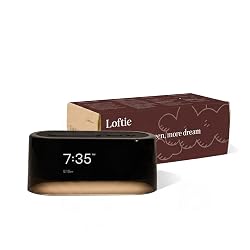
However, stepping up to a premium tier brings different advantages. Devices like the Hatch Restore 3 offer app-based control and are positioned with brighter light, better build quality and stronger sound systems. The Loftie Clock offers two-phase alarms and wellness content integration. These features command higher prices for good reason.
| JALL Wake Up Light | Premium tier (Hatch, Philips, Loftie) | |
|---|---|---|
| Price band | Under $50 | $$$ |
| Light modes / sounds | 17 / 25 | Varies by model |
| Controls | About 12 physical buttons | Touch or app on several models |
| Published brightness (lux) | Not published | Varies by model |
| Power | AC, backup battery keeps settings | Varies by model |
Shop on Amazon: JALL Wake Up Light → | Philips SmartSleep Wake-Up Light →
The question becomes whether those premium features justify the higher cost. For someone testing sunrise alarms for the first time, the JALL’s under-$50 price point allows experimentation without major financial commitment. If sunrise simulation significantly improves your mornings, upgrading to premium models later makes sense. If not, you’ve only spent under $50 rather than a premium model.

Who Should Consider the JALL Wake Up Light?
Several user profiles match well with the JALL’s characteristics. Newcomers to sunrise alarms benefit from the low entry price that enables testing the concept without significant investment. If gradual light waking doesn’t improve your mornings, under $50 represents minimal loss compared to premium alternatives.
Budget-conscious buyers seeking maximum features for minimum cost will appreciate what the JALL offers. The combination of sunrise simulation, extensive sounds, dual alarms, FM radio, and Bluetooth speaker delivers substantial value at this price point.
People who enjoy customization and don’t mind learning curves will find the extensive options appealing. If you’re the type who reads manuals and experiments with settings rather than seeking plug-and-play simplicity, the JALL’s flexibility becomes an advantage.
Those with smaller bedrooms or apartments where the JALL’s light intensity proves sufficient will experience better results than users in larger spaces. Light effectiveness correlates with room size and ambient light levels.
Conversely, several situations suggest looking elsewhere. Users preferring minimal-fuss devices should consider simpler models with fewer buttons and more intuitive controls. People with large bedrooms or those who sleep heavily might need the stronger illumination that premium models provide.
If you value premium build quality, superior sound systems, or app-based control, the extra investment in higher-end sunrise alarms makes sense. Budget models can’t replicate the polish and convenience of premium alternatives.
Sunrise alarms are generally positioned as a complement to broader sleep management strategies rather than a standalone solution. If you struggle with purely circadian-related sleep problems like delayed sleep phase syndrome, sunrise simulation might offer more substantial benefits than it does for anxiety-driven insomnia.
The Science Behind Sunrise Simulation
Understanding why sunrise alarms might work helps set realistic expectations. Light serves as the primary zeitgeber (time cue) for our circadian rhythms. Morning light is generally linked with the shift from sleep to wakefulness.
Modern life disrupts this process. Many people wake before natural sunrise, particularly during winter months. Sudden alarm sounds may add to the groggy feeling called sleep inertia.
Simulated dawn aims to replicate natural sunrise’s effects. Research shows mixed but generally positive results. The BMC Psychiatry study mentioned earlier (Leppämäki et al., 2003) found subjective sleep quality improved after using simulated dawn. Research overall is mixed, and effects on conditions such as seasonal affective disorder are better assessed with a clinician.
However, effectiveness varies between individuals. Factors include chronotype (whether you’re naturally a morning person or night owl), how deeply you sleep, typical sleep stage when your alarm goes off, and room environment. Some people report dramatic improvements in wake quality; others notice minimal effects.
Light intensity matters for circadian influence. The JALL does not publish its maximum brightness, so we cannot say how it compares with the light levels used in research.
It’s also important to acknowledge what sunrise alarms don’t do. They won’t cure sleep disorders, compensate for chronic sleep deprivation, or replace good sleep hygiene practices. Whether sunrise alarm clocks are effective depends on realistic expectations and individual response variation.
Practical Usage Tips
Several practices are worth considering to optimize the JALL’s effectiveness. Experiment with sunrise duration rather than assuming the default works best. The 30-minute default is a reasonable starting point, though some users may prefer 45–60 minutes for very gradual brightening or 10–20 minutes for a quicker wake-up, depending on individual preference.
Position the device strategically. Sunrise alarms work best when placed 12-18 inches from your face at approximately eye level when lying down. Too far away, and the light’s effect diminishes. Too close, and it might wake you prematurely or uncomfortably.
Create complete darkness otherwise. The sunrise effect delivers maximum impact when contrasted against a dark room. Blackout curtains or blinds enhance effectiveness by eliminating ambient light that reduces the simulation’s influence on your circadian system.
Maintain consistent wake times. Circadian rhythms benefit from regularity. Using the JALL at roughly the same time daily produces better results than erratic schedules, though weekend variance within an hour doesn’t typically create problems.
Give it time. Initial nights might feel underwhelming as your body adjusts to the new wake pattern. Habits can take time to shift, so allow a couple of weeks before deciding whether sunrise simulation helps your specific situation.
Reference the manual liberally during the first week. The button combinations aren’t intuitive initially. Keep the instruction booklet nearby and expect to check it a few times.
Shop on Amazon: JALL Wake Up Light → | Philips SmartSleep Wake-Up Light → | Loftie Clock →
Quick Questions
Does it have a battery backup? A backup battery keeps the clock and alarm settings during a power cut. It does not run the light or sounds without mains power.
How bright is it? The sunrise runs from 10% to 100% brightness, but no lux figure is published. Premium models are generally positioned as brighter.
How big is it? Roughly 7.5 inches across and 7.2 inches tall, and about one pound, so it takes up a fair amount of nightstand space.
Final Verdict
The JALL Wake Up Light looks like good value at its under-$50 price point. The listing offers a long feature set for the money, including sunrise simulation, 25 sounds, dual alarms and FM radio. For people testing sunrise alarms for the first time or those on tight budgets, the JALL represents a solid entry point.
However, it’s a budget device with corresponding limitations. The button interface requires patience to learn. Light intensity, while adequate for smaller bedrooms, can’t match premium models. Build quality and sound systems reflect the price point rather than impressing on their own merits.
The question of whether to buy the JALL depends on your priorities and circumstances. If you want to test sunrise simulation without major financial commitment, the JALL serves this purpose well. If you prioritize simplicity, premium build quality, or maximum light intensity, investing in higher-end alternatives makes more sense.
Sunrise simulation will not solve every sleep problem, and gentler wake-ups are an incremental change rather than a transformation.
Transparency Note: This review contains affiliate links. If you purchase through these links, LiveWorkSleep may earn a small commission at no additional cost to you. This helps support the site and allows it to continue covering sleep products. Product assessments are based on research into specifications and published evidence.
Safety Disclaimer: This article provides general information about sunrise alarm clocks and should not replace professional medical advice. If you experience persistent sleep difficulties, anxiety, or other health concerns, consult a qualified healthcare provider. Sunrise alarms may not be suitable for all individuals, particularly those with certain eye conditions or photosensitivity.
Read more articles on the Sunrise Alarm Clocks Hub.
About This Guide
LiveWorkSleep covers sleep products and sleep science. Its recommendations are based on research into specifications, published evidence and product listings.