WHOOP 4.0 Full Review: Is This Recovery-Focused Wearable Worth the Subscription?
Affiliate Disclosure: We may earn a commission on purchases made through links in this article at no extra cost to you. Our recommendations are based on research into specifications, published evidence and product listings. Learn more.
Quick Picks


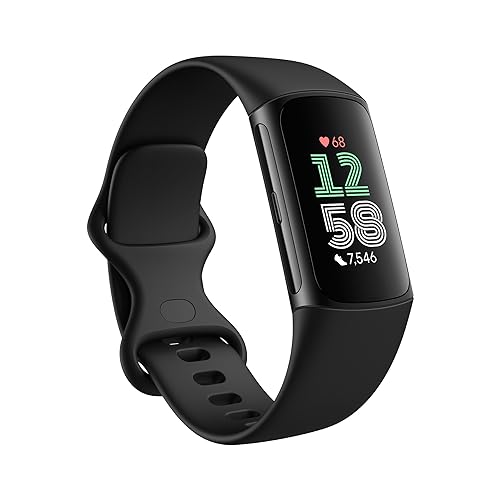
The WHOOP 4.0 promises to revolutionize how you track sleep, recovery, and athletic performance through continuous biometric monitoring. But with a subscription model and no display screen, is this wearable worth the investment? After researching the technology, validation studies, and real-world user experiences, I can provide an honest assessment of what this device actually delivers.
Check WHOOP on Amazon → Fitbit Charge 6 (no subscription alternative) →
WHOOP’s focus on recovery metrics rather than just step counting is intriguing. The idea that a device could tell you when you were actually ready to train hard versus when your body needed rest seems genuinely useful. However, results with sleep trackers can be mixed.
What Makes WHOOP 4.0 Different
Unlike smartwatches that try to do everything, WHOOP 4.0 strips away distractions to focus exclusively on physiological data. There’s no display screen, no notifications, and no GPS tracking. Instead, you get continuous monitoring of heart rate, heart rate variability, respiratory rate, skin temperature, and blood oxygen levels.
The 4.0 represents a significant upgrade from its predecessor. The device is 33% smaller and lighter than the 3.0, weighing just 28 grams with the standard strap. The sensor configuration now includes five LEDs (three green, one red, and one infrared) combined with four photodiodes, compared to the simpler setup in earlier models. This enhanced sensor array aims to improve accuracy across all metrics.
Battery life sits around four days with typical use, which is respectable for a device collecting hundreds of data points per second. The wireless charging system deserves particular praise. The battery pack attaches magnetically to the device, allowing you to charge while wearing the strap without missing any data collection. This proved essential during my research, as continuous 24/7 monitoring is central to WHOOP’s value proposition.
Sleep Tracking Accuracy: What the Research Shows
Sleep tracking accuracy matters tremendously, especially when you’re making decisions about training intensity or lifestyle changes based on the data. A validation study published in the Journal of Sports Sciences compared WHOOP against polysomnography, the gold standard for sleep measurement. The results showed that WHOOP overestimated total sleep time by about 8 minutes, which was statistically insignificant.
For two-stage sleep categorization (wake versus sleep), WHOOP achieved 89% agreement with polysomnography, with 95% sensitivity to sleep and 51% specificity for wake. The four-stage categorization (wake, light sleep, slow-wave sleep, REM) showed 64% agreement overall, with Cohen’s kappa of 0.47 indicating moderate reliability.
A systematic review in JMIR mHealth and uHealth comparing Fitbit Charge 4, Garmin Vivosmart 4, and WHOOP found that WHOOP showed the least disagreement relative to polysomnography for total sleep time, light sleep, and deep sleep. However, it showed the largest disagreement for REM sleep, overestimating by an average of 21 minutes across studies.
These accuracy numbers need context. You could feel great, then the app says your sleep was bad, and suddenly you convince yourself you’re tired. This psychological effect matters as much as technical accuracy when evaluating sleep trackers.
The Recovery Score System
WHOOP’s Recovery Score is calculated each morning based on heart rate variability, resting heart rate, respiratory rate, and sleep performance. The score ranges from 0 to 100%, displayed in red (0-33%), yellow (34-66%), or green (67-100%). This traffic light system tells you whether your body is ready for strain or needs recovery.
Heart rate variability drives much of this calculation. HRV measures the variation in time between heartbeats, with higher variability generally indicating better recovery and readiness. When you’re stressed or overtrained, HRV drops. WHOOP monitors this continuously during sleep when measurements are most stable.
The app provides specific recommendations based on your recovery score. Green suggests you can push hard in training. Yellow indicates you should proceed with moderate intensity. Red means your body needs rest or light activity. In theory, this prevents overtraining while maximizing productive workout days.
However, the system makes assumptions about what you should do with your day based on overnight metrics. One night of poor sleep doesn’t necessarily mean you can’t function well the next day. Similarly, the best smartwatches for sleep tracking sometimes disagree with how you actually feel, which raises questions about letting algorithms dictate your training schedule.
Strain Monitoring and Training Load
WHOOP calculates a daily Strain Score from 0 to 21 based on cardiovascular load. The score accounts for time spent in different heart rate zones, with higher intensity activities generating more strain. All physical and mental stress contributes, including exercise, walking, standing work, and even stressful meetings.
The app suggests optimal strain targets based on your recovery score. If you wake with 85% recovery, WHOOP might recommend a strain target of 14-16, indicating you can handle a solid workout. With 30% recovery, the recommendation drops to 6-8, suggesting light activity.
For endurance athletes who train by heart rate zones, this provides useful context. However, the strain score struggles with strength training. A heavy deadlift session that thoroughly fatigues your muscles might register moderate strain if your heart rate stays relatively controlled. The metric works best for cardiovascular activities where heart rate elevation correlates closely with physiological demand.
Comparing WHOOP’s approach to Garmin’s sleep and recovery tracking in the Venu 3 reveals different philosophies. Garmin integrates training load with sleep data but also tracks steps, calories, and GPS activities. WHOOP eliminates these distractions to focus purely on strain and recovery metrics.
Sleep Coach and Haptic Alarm
The Sleep Coach feature calculates how much sleep you need each night based on recent strain, sleep debt, and your circadian rhythm. It provides specific bedtime recommendations to hit your sleep target. You can choose between “”Peak”” (100% of sleep need), “”Perform”” (85%), or “”Get By”” (70%) modes depending on your schedule.
The haptic alarm uses gentle vibrations to wake you. You can set it three ways: wake at an exact time, wake when you hit your sleep goal, or wake when you reach your target recovery. The vibration is subtle enough not to disturb a sleeping partner while still reliably waking the wearer.
Simple consistency can matter more than optimization algorithms. An alarm that goes off at the same time every morning regardless of how much was slept builds sleep pressure consistently and maintains circadian rhythm. The WHOOP recovery-based wake time might sound appealing, but for people managing anxiety-related sleep issues, predictable routines may prove more valuable than flexible schedules.
Journal Feature and Behavior Tracking
WHOOP’s Journal allows you to log daily behaviors like caffeine intake, alcohol consumption, supplement use, meditation, and specific activities. Over time, the app correlates these behaviors with your recovery and sleep quality, showing which habits help or hurt performance.
The correlations can reveal surprising patterns. One user might discover that their 2 PM coffee crushes sleep quality while morning caffeine has minimal impact. Another might find that evening exercise improves sleep despite conventional wisdom suggesting otherwise. Everyone responds differently to various factors.
However, correlation doesn’t equal causation. If you sleep poorly after drinking alcohol, WHOOP will note that correlation. But it can’t distinguish whether the alcohol directly disrupted sleep, or whether you drank because you were already stressed and the stress caused poor sleep. The app presents associations without explaining underlying mechanisms.
This matters for anyone who tracks sleep behaviors. Tools that help identify patterns serve as starting points for investigation, not definitive answers.
Membership Model and Cost Considerations
WHOOP operates on a subscription model starting at $239 for 12 months (approximately $20/month), with longer commitments reducing the monthly cost. The hardware comes free with membership. This differs from most wearables where you pay once for the device and optionally subscribe to premium features.
For serious athletes who would pay for coaching or detailed training analysis, the cost may justify itself. The data depth exceeds what most fitness trackers provide, and the continuous monitoring without charging downtime supports the use case. However, casual users seeking basic sleep insights will find more affordable options with Fitbit devices that don’t require ongoing subscriptions.
The subscription includes all features, software updates, and hardware replacement for damage or wear. There’s no additional charge for accessing your data or using advanced features. Still, the recurring cost adds up to $240-360 annually depending on commitment length, which exceeds the purchase price of most competing wearables.
Wearing Comfort and Design
At 28 grams with standard straps, WHOOP 4.0 feels barely noticeable during most activities. The lack of a display screen eliminates bulk, creating a sleek profile that doesn’t catch on clothing or bedding. Multiple strap options accommodate different preferences, including quick-drying materials for athletes.
The WHOOP Body line offers an innovative solution for those who dislike wrist-worn devices. You can wear the sensor in compression sleeves, sports bras, or boxers, placing it on your bicep, torso, or other locations. This flexibility helps users find the most comfortable placement for 24/7 wear.
Waterproofing (IP68 rating) means the device survives swimming, showering, and submersion up to 10 meters for two hours. You genuinely never need to remove it except for strap cleaning or replacement. This continuous wear proves essential for accurate data collection, as missing even a few hours creates gaps in the recovery calculations.
For sleep specifically, wrist-worn devices may need to disappear from awareness to avoid becoming a focus point. When you’re trying to fall asleep with anxiety-driven insomnia, anything that reminds you that you’re trying to sleep can make it harder. The lightweight, screenless design helps in this regard. Still, some people find any wrist device disruptive, which is where the body-worn options provide advantages.
Who Should Consider WHOOP 4.0
WHOOP 4.0 makes sense for specific use cases rather than general fitness tracking. Endurance athletes training by heart rate zones gain actionable insights from the strain and recovery system. The continuous monitoring helps prevent overtraining while ensuring adequate stimulus during productive periods.
Team athletes who need objective recovery data benefit from the detailed physiological tracking. The app’s community features allow coaches to monitor athlete readiness without relying on subjective self-reports. This proves valuable when managing training loads across entire teams.
However, casual users seeking basic sleep insights will find the device overly focused and the subscription model expensive. If you want step tracking, GPS for runs, or smartwatch notifications, devices like the Apple Watch better serve those needs. WHOOP deliberately omits these features to concentrate on recovery optimization.
For people managing anxiety-related sleep issues, the data depth could either help or hurt depending on your relationship with tracking. Some find detailed metrics reassuring, providing concrete evidence of improvement over time. Others become fixated on numbers, creating new anxiety about hitting recovery targets. Understanding your psychological response to data matters as much as the data itself.
Limitations and Drawbacks
The subscription model remains the primary barrier. While the monthly cost compares favorably to other coaching services, it exceeds what most people expect to pay for fitness tracking. The requirement to maintain membership indefinitely to use the device creates long-term financial commitment.
Sleep stage accuracy limitations affect all consumer wearables, but they matter more when making training decisions based on the data. The 21-minute average overestimation of REM sleep means you can’t rely on precise stage percentages. Trends over weeks prove more meaningful than individual nights, but this requires understanding what the numbers actually represent.
The lack of a display means you must check your phone for any data. This eliminates quick glances at time or heart rate during workouts. For some users, this proves liberating. For others, it creates friction when they want immediate feedback without pulling out their phone.
Heart rate variability interpretation requires understanding individual baselines. A “”good”” HRV varies dramatically between people. The app establishes your baseline over time, but new users might misinterpret early readings without this context. What counts as excellent recovery for one person might represent poor recovery for another based on their typical range.
Ready to choose? Our top picks
Frequently Asked Questions
How accurate is WHOOP 4.0 for sleep tracking?
WHOOP 4.0 achieves 89% agreement with polysomnography for basic sleep versus wake detection, with 95% sensitivity for identifying sleep. Four-stage sleep classification (wake, light, deep, REM) shows 64% agreement overall. The device performs better at tracking total sleep time than precise sleep stage percentages, with validation studies showing it tends to overestimate REM sleep by about 21 minutes on average.
Does WHOOP 4.0 require a subscription?
Yes, WHOOP operates entirely on a subscription model. Memberships start at approximately $20/month with annual commitment, with longer commitments (18 or 24 months) reducing monthly costs. The hardware comes free with membership, and the subscription includes all features, software updates, and hardware replacement if needed. Without an active membership, the device does not function.
Can WHOOP 4.0 replace a smartwatch?
No, WHOOP 4.0 serves a different purpose than smartwatches. It has no display screen, doesn’t track steps or calories, includes no GPS, and can’t show notifications. The device focuses exclusively on physiological metrics (heart rate, HRV, sleep, strain, recovery). If you want general-purpose fitness tracking or smartwatch features, devices like Garmin or Apple Watch better fit those needs.
How long does the WHOOP 4.0 battery last?
WHOOP 4.0 battery typically lasts 4-5 days on a full charge with continuous use. The device uses a unique wireless charging system where a battery pack attaches magnetically, allowing you to charge while wearing the strap without interrupting data collection. Most users charge the device during sedentary periods like showering or desk work to maintain 24/7 monitoring.
Is WHOOP 4.0 waterproof?
Yes, WHOOP 4.0 has an IP68 rating, making it waterproof for swimming, showering, and submersion up to 10 meters (approximately 33 feet) for up to 2 hours. The device can be worn continuously during all water activities, though the charging battery pack has a lower water resistance rating (1 meter for 2 hours) and should be removed before water exposure.
Final Verdict
WHOOP 4.0 delivers on its core promise: detailed physiological tracking for athletes and fitness enthusiasts who need recovery data. The technology works as advertised, with validation studies confirming reasonable accuracy for heart rate, HRV, and basic sleep metrics. The screenless design and comfortable wear enable true 24/7 monitoring without constant awareness of the device.
However, the subscription model and narrow focus make this device inappropriate for general users. If you’re not training seriously or don’t need detailed recovery metrics, the ongoing cost exceeds the value provided. More versatile devices offer better overall utility for typical fitness tracking needs.
For the target audience of serious athletes and competitive performers, WHOOP provides actionable data that other wearables miss. The strain and recovery system helps prevent overtraining while ensuring adequate training stimulus. When used properly, this translates to better performance outcomes than generic fitness tracking.
From a sleep optimization perspective, WHOOP’s value depends on how you use the data. If you’re seeking validation of good habits and objective trend tracking, the detailed metrics support that goal. If you’re prone to anxiety about sleep performance or tend to over-interpret nightly variations, the constant data stream might create more problems than it solves. Understanding your own psychology proves as important as understanding the technology when evaluating whether this device fits your needs.
Read more articles on the Wearables Hub.
About This Guide
LiveWorkSleep publishes guides to sleep products and sleep science. Recommendations are based on research into specifications, published evidence and product listings. This page is general information, not medical advice.
Transparency Disclosure
This article may contain affiliate links. If you purchase through these links, we may earn a commission at no additional cost to you. Our reviews remain independent and unbiased, focusing on providing accurate information to help you make informed decisions about sleep and wellness products.
Medical Disclaimer
This content is for informational purposes only and does not constitute medical advice. Sleep tracking devices can provide useful data but should not replace consultation with qualified healthcare providers. If you experience persistent sleep difficulties or health concerns, consult with a medical professional for proper diagnosis and treatment recommendations.
Price bands: $ under $15, $$ $15 to $40, $$$ $40 to $100, $$$$ over $100. Check Amazon for the current price.