Samsung Galaxy Ring vs Ultrahuman: Which Wins for Sleep?
Affiliate Disclosure: As an Amazon Associate I earn from qualifying purchases. Some links on this page are affiliate links. If you buy through them we earn a small commission at no extra cost to you. Our recommendations are based on research into specifications, published evidence and product listings. Learn more.
Quick Picks


Note: the Samsung Galaxy Ring and Ultrahuman Ring Air compared here are no longer available on Amazon. Current options there are the Ultrahuman Ring PRO (about $479) and the RingConn Gen 2 Air (about $199), which the Amazon links below go to.
The smart ring market is heating up, with two subscription-free options competing for your finger: Samsung’s Galaxy Ring and the Ultrahuman Ring Air. Both promise comprehensive sleep tracking, fitness monitoring, and weeklong battery life without the bulk of a smartwatch. After spending the last few years tracking my sleep with various devices, I’ve become deeply skeptical of wearables that claim to provide perfect insights into rest and recovery—especially after my experience with WHOOP, which sometimes felt like it was creating anxiety about sleep rather than helping me manage it.
This comparison cuts through the marketing claims to examine which ring delivers better value for sleep tracking specifically. While both devices avoid the recurring costs that plague competitors like Oura, they take distinctly different approaches to health monitoring. The Samsung Galaxy Ring integrates tightly with the Galaxy ecosystem, while the Ultrahuman Ring Air works across iOS and Android with an emphasis on actionable insights.
Price and Availability
The Samsung Galaxy Ring costs $400, positioning it at the premium end of the smart ring market. It’s available in three colors—Titanium Black, Titanium Silver, and Titanium Gold—and nine sizes ranging from 5 to 13. Samsung offers a free sizing kit to help you determine the right fit, which is essential given the ring’s non-adjustable design.
Shop on Amazon: See the RingConn Gen 2 Air on Amazon → | See the Ultrahuman Ring PRO on Amazon →
The Ultrahuman Ring Air starts at $349, making it $51 cheaper than Samsung’s offering. It comes in five colorways: Aster Black, Matte Grey, Bionic Gold, Space Silver, and Raw Titanium. Sizing ranges from 6 to 12, with Ultrahuman also providing a free sizing kit. Both rings follow a one-time purchase model with no monthly subscription fees—a refreshing departure from the Oura Ring’s $6 monthly charge.
The Galaxy Ring is currently limited to Android devices, with enhanced features exclusive to Samsung Galaxy phones. The Ring Air works with both iOS and Android, making it more versatile if you’re not locked into the Samsung ecosystem or might switch platforms in the future.
Design and Comfort
Both rings use titanium construction, but their design philosophies differ slightly. The Galaxy Ring features a concave profile that creates a sleeker visual impression, with a width of 7mm and thickness of 2.6mm. Weight ranges from 2.3 to 3 grams depending on size. Samsung has clearly prioritized a premium aesthetic that blends with traditional jewelry.
The Ultrahuman Ring Air is marginally lighter at 2.4 to 3.6 grams but slightly wider at 8mm. Despite being a bit bulkier, many users report the Ring Air feels more comfortable during extended wear, particularly during sleep. The sensors on the Ring Air’s interior are smoother and less pronounced than Samsung’s more bulbous sensor array.

After a decade of managing anxiety-driven insomnia, I’ve learned that comfort during sleep is non-negotiable. Even a slight irritation from a device can trigger the kind of hyperawareness that makes falling back asleep impossible. Both rings feature sensor ridges on the underside that contact your finger, which I initially worried about. However, actual users report these become imperceptible after the first few days of wear.
One practical consideration: neither ring is infinitely adjustable. Order the wrong size and you’ll need to exchange it, which means more waiting time. Take the sizing kit seriously—wear the test ring for several days, including overnight, to account for finger swelling that naturally occurs during sleep.
Sleep Tracking Capabilities
Sleep tracking is where smart rings theoretically shine over smartwatches, thanks to superior battery life that allows for consistent nightly wear. Both rings monitor sleep stages (light, deep, and REM), heart rate, heart rate variability, blood oxygen saturation, and skin temperature throughout the night.
The Galaxy Ring presents sleep data through Samsung Health, calculating a comprehensive Sleep Score that factors in total sleep duration, sleep stages, and restfulness. Samsung recently added enhanced sleep features including sleep environment reports that assess temperature, humidity, air quality, and lighting when paired with SmartThings devices. An Energy Score combines sleep quality with activity data to gauge daily readiness.
However, sleep tracking accuracy on the Galaxy Ring has faced criticism. Some reviewers report the ring’s flashing LEDs disrupted their partner’s sleep, while sleep stage detection often deviated from more established devices. Deep sleep and REM measurements frequently underestimate compared to other wearables, though sleep stages remain notoriously difficult to verify without professional polysomnography.
The Ultrahuman Ring Air takes a different approach with its Sleep Index, which assesses total sleep duration, resting heart rate, and restfulness to create what they call “your sole metric for sleep health.” The ring tracks sleep efficiency, latency, and circadian alignment, providing actionable insights through the app’s PowerPlugs system.

This resonates with something my therapist taught me years ago: sometimes the best sleep data is the simplest. When I was struggling with anxiety-driven insomnia, I’d wake up obsessing over whether I got enough deep sleep or if my heart rate variability was optimal. The constant analysis became its own source of stress. The breakthrough came when I learned to accept that some nights just won’t be perfect—getting upset about poor sleep is like being angry it’s raining outside. It’s pointless.
From that perspective, I appreciate that both rings provide consolidated scores rather than overwhelming you with granular data. However, the accuracy concerns surrounding Samsung’s implementation are troubling. Sleep tracking is only useful if you can trust the numbers.
Activity and Fitness Monitoring
Neither ring replaces a dedicated fitness watch, but they handle basic activity tracking. Both measure steps, calories burned, distance covered, and offer automatic workout detection—though with limitations.
The Galaxy Ring’s automatic detection only works for walking and running. That’s disappointingly narrow if you practice yoga, cycling, swimming, or strength training. You’ll need to manually log other activities through the Samsung Health app on your phone, which defeats the “set and forget” promise of smart rings.
The Ultrahuman Ring Air initially lacked automatic workout detection entirely, but Ultrahuman added the feature via software update. While occasionally buggy, it now detects multiple workout types automatically and prompts you to log the activity. This gives the Ring Air an edge for fitness versatility, though reviews suggest activity tracking accuracy remains inconsistent compared to dedicated fitness watches.
Neither ring includes GPS, so you can’t map routes for runs or bike rides. Heart rate tracking during exercise exists, but expect less accuracy than chest straps or even wrist-based monitors during high-intensity activities.

My experience with WHOOP taught me that sometimes less data is actually better for maintaining healthy habits. WHOOP would occasionally tell me my recovery was terrible after what felt like a perfectly fine night of sleep, which just made me anxious and less likely to exercise. The simplicity of ring-based metrics might actually serve most people better than the overwhelming detail from more advanced wearables.
Battery Life and Charging
Battery performance represents one of the Galaxy Ring’s clear advantages. Samsung claims up to seven days of battery life for sizes 12 and 13, with smaller sizes lasting up to six days. Real-world testing confirms the Galaxy Ring consistently delivers five to seven days between charges, surpassing most smartwatches by a wide margin.
The Ring Air promises up to six days but typically delivers four to five days in practice. While shorter than Samsung’s offering, it’s still substantial enough to track sleep consistently without nightly charging interruptions.
Both rings come with proprietary charging cases. Samsung’s looks like a jewelry box and supports wireless charging or USB-C connection—a nice touch that reinforces the premium positioning. The Ring Air uses a simpler cradle charger. Charging time for both devices ranges from one to three hours for a full charge.
This extended battery life is precisely why smart rings excel at sleep tracking compared to smartwatches. My Apple Watch requires nightly charging, which means I’ve never tracked a full night’s sleep with it. The psychological barrier of remembering to charge a device creates gaps in data that undermine long-term trend analysis.
App Experience and Insights
The Samsung Galaxy Ring integrates with Samsung Health, the same app used by Galaxy watches. This provides ecosystem consistency if you already own Samsung wearables, but the app itself isn’t particularly robust or detailed. Samsung’s focus on holistic wellness scores (Sleep Score, Energy Score) makes the data digestible at a glance, though power users might find the analysis somewhat shallow.
Samsung recently added AI-powered features like personalized wellness tips and sleep time guidance that suggests optimal bedtime based on your patterns. However, many advanced features remain exclusive to Galaxy phones, which fragments the user experience for non-Samsung Android users.
The Ultrahuman app provides more granular control through its PowerPlugs system—essentially an app store for health features. Some PowerPlugs are free, while others require additional payment. This includes tools like AFib detection, detailed cycle tracking, caffeine window guidance, and circadian rhythm optimization.
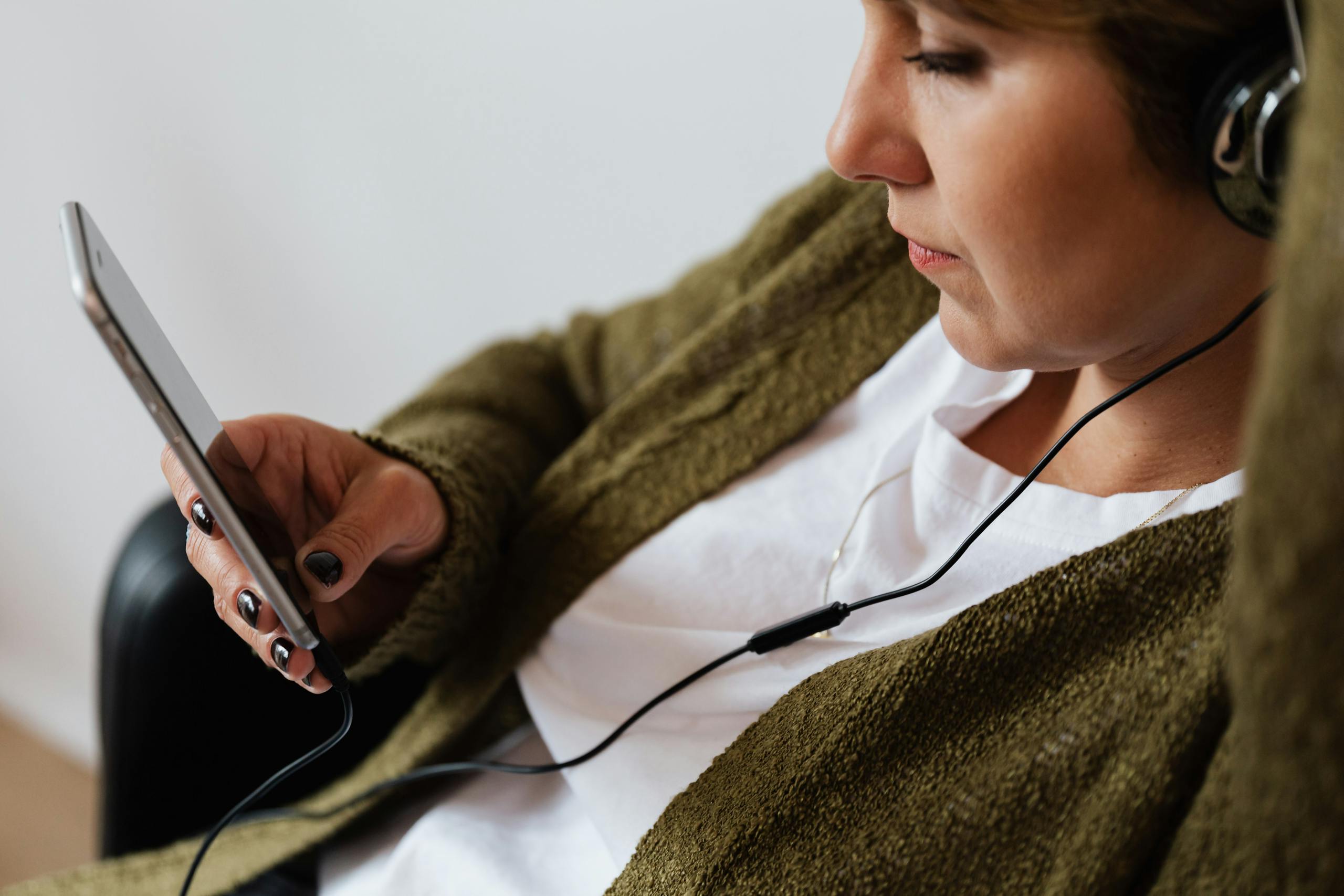
The Ultrahuman approach sends frequent notifications throughout the day suggesting when to stop caffeine intake, when to expose yourself to sunlight, or when your permissible stimulant window is closing. For some people, this proactive coaching is exactly what they need. For others—myself included—it can feel overwhelming. The key is that Ultrahuman gives you control over notification frequency and which PowerPlugs you enable.
Platform Compatibility and Ecosystem Lock-in
This is where the two rings diverge most significantly. The Galaxy Ring works only with Android devices, and several features are exclusively available on Samsung Galaxy phones:
- Find My Ring location tracking
- Gesture controls (double pinch to take photos or dismiss alarms)
- Energy Score powered by Galaxy AI
- Full integration with Samsung Health ecosystem
If you use a non-Samsung Android phone, you’ll miss out on meaningful functionality. iPhone users can’t use the Galaxy Ring at all.
The Ultrahuman Ring Air works with iOS 15 or later and Android 6 or later, providing the same feature set regardless of your phone’s manufacturer. This platform agnosticism makes it the safer choice if you might switch ecosystems or prefer keeping your options open. Learn more about how smart ring accuracy compares across devices.
Which Ring Deserves Your Finger?
After analyzing both rings through the lens of sleep tracking—the primary reason most people consider smart rings—the answer depends heavily on your ecosystem and expectations.
Choose the Samsung Galaxy Ring if you’re already invested in the Samsung ecosystem with a Galaxy phone and potentially a Galaxy watch. The enhanced integration, superior battery life, and premium charging case justify the higher price tag for Samsung users. The Galaxy Ring also makes sense if you primarily care about basic sleep tracking and don’t need extensive fitness features.
Choose the Ultrahuman Ring Air if you want platform flexibility, more comprehensive automatic workout detection, or prefer actionable insights over simple scores. The lower price makes the Ring Air better value for most people, especially considering it works across iOS and Android. The PowerPlugs system, while occasionally overwhelming, provides more depth for users who want to optimize specific aspects of health.
From my perspective, managing a decade of anxiety-driven sleep issues has taught me that the best tracker is the one you’ll actually wear consistently. Both rings excel at that basic requirement with weeklong battery life and comfortable designs. However, the sleep tracking accuracy concerns surrounding the Galaxy Ring are troubling enough that I’d recommend the Ring Air for most people—especially at the lower price point.
That said, neither ring will magically solve sleep problems rooted in anxiety or poor sleep hygiene. As I learned after years of trial and error, acceptance matters more than optimization. No wearable will change that fundamental truth. If you’re considering either ring, also explore our guide on the best smart rings for sleep tracking or check out our comparison of subscription-free smart ring options.
Safety Disclaimer
Smart rings are not medical devices and should not replace professional healthcare advice. If you experience persistent sleep problems, excessive daytime fatigue, or suspect you have a sleep disorder like sleep apnea, consult a qualified healthcare provider. The metrics provided by consumer wearables are intended for general wellness purposes only.
Transparency Disclosure
liveworksleep may earn affiliate commissions from purchases made through links in this article. These commissions support our ability to provide independent, honest reviews and comparisons. We only recommend products we genuinely believe offer value to readers, and our editorial opinions remain independent of any commercial relationships.
Read more articles on the Smart Rings Hub.
Transparency Disclaimer: This article contains affiliate links to sleep products. If you purchase through these links, liveworksleep may earn a commission at no additional cost to you. These commissions help support our independent testing and honest reviews. We only recommend products that align with our experience-based evaluation standards.
About the Author
Scott Hilliard is the founder of liveworksleep, bringing over a decade of personal experience managing anxiety-driven insomnia. After years of testing mattresses, sleep trackers, supplements, and techniques, Scott shares honest, experience-based insights to help others optimize their sleep. His approach combines Consumer Reports-style analytical skepticism with genuine understanding of what it’s like to struggle with sleep night after night.