Do EEG Headbands Improve Sleep? What the Research Actually Shows
Affiliate Disclosure: As an Amazon Associate I earn from qualifying purchases. Some links on this page are affiliate links. If you buy through them we earn a small commission at no extra cost to you. Our recommendations are based on research into specifications, published evidence and product listings. Learn more.
Quick Picks


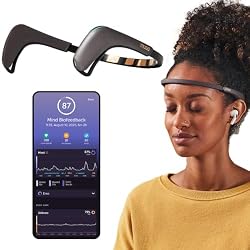
Quick picks: Muse S Athena → | Oura Ring 4 →
The promise sounds almost too good to be true: wear a headband to bed, let it read your brainwaves, and wake up with better sleep. EEG headbands have emerged as one of the most sophisticated consumer sleep technologies available, offering features that once required overnight stays at sleep clinics. But the question every potential buyer should ask remains: do these devices actually improve sleep, or are they simply expensive monitoring tools?
When I first started researching EEG headbands, I approached them with the same skepticism I bring to any sleep technology. After a decade of managing anxiety-driven insomnia and testing countless products that promised breakthrough results, I’ve learned that bold claims rarely match real-world outcomes. The technology behind these devices is genuinely impressive, but impressive technology doesn’t automatically translate to better sleep.
This guide examines what EEG headbands can and cannot do for your sleep, drawing on peer-reviewed research, clinical trials, and practical considerations that often get overlooked in product marketing.

Understanding What EEG Headbands Actually Do
EEG headbands use electrodes positioned against your forehead and sometimes around your ears to detect electrical activity in your brain. This activity appears as different wave patterns depending on your state of consciousness. When you’re awake and alert, your brain produces faster beta waves. As you relax, slower alpha waves emerge. During sleep, your brain cycles through theta waves in light sleep and slow delta waves during deep sleep.
Consumer devices like the Muse S and Dreem headbands interpret these signals using algorithms trained on polysomnography data, which is the gold standard clinical sleep test. According to research published in Sleep journal, the Dreem headband achieved 83.5% accuracy in sleep staging compared to polysomnography scored by five sleep experts, who themselves averaged 86.4% agreement with each other.
This distinction matters because it establishes both the potential and limitations of these devices. They can provide meaningful sleep data at home, but their primary function is measurement and feedback, not direct sleep improvement. The improvement, if it comes, depends on how you use the information and features these devices provide.
The Two Approaches to Sleep Improvement
EEG headbands attempt to improve sleep through two fundamentally different mechanisms: neurofeedback training and acoustic stimulation. Understanding the difference is essential for setting realistic expectations.
Neurofeedback Training
Neurofeedback works on the principle of operant conditioning. The device monitors your brainwaves and provides real-time feedback, usually through sounds or visual cues, rewarding you when your brain produces desired patterns. The theory suggests that with practice, you can learn to voluntarily shift your brain into states more conducive to sleep.
The research on neurofeedback for sleep presents a complicated picture. A 2024 systematic review and meta-analysis published in Frontiers in Neuroscience analyzed randomized clinical trials examining neurofeedback for sleep quality. The results revealed that control conditions actually succeeded in improving Pittsburgh Sleep Quality Index scores more than the neurofeedback interventions themselves.
This finding aligns with what I’ve observed in my own experience with sleep trackers. When I wore a WHOOP device, I noticed something troubling: my perception of how I slept often shifted based on what the app told me. A night that felt decent could suddenly seem terrible after seeing low sleep scores, which only increased my anxiety about sleep. If you’re someone whose sleep issues stem from anxiety, as mine do, this feedback loop deserves serious consideration before investing in any tracking technology.
Acoustic Stimulation
Some EEG headbands, particularly the Dreem series, take a more direct approach by using acoustic stimulation during sleep. The device detects when you enter slow wave sleep (deep sleep) and plays precisely timed sounds designed to enhance the amplitude of your slow brain waves.
This approach has stronger scientific backing. Research published in the Journal of Clinical Sleep Medicine demonstrated that acoustic stimulation could increase slow wave sleep time by a factor of 1.6 to 2 in people with Alzheimer’s disease using the Dreem 2 headband. Studies in healthy adults have shown that acoustic stimulation can enhance slow wave activity by approximately 17-22% and improve next-day alertness and attention.
The mechanism appears straightforward: when sounds are timed to the rising phase of slow brain waves, they can amplify those waves, potentially deepening sleep and enhancing its restorative functions. However, individual responses vary considerably, with research suggesting only about 56-68% of users consistently respond to acoustic stimulation.
What the Clinical Evidence Actually Shows
Separating marketing claims from clinical reality requires examining what peer-reviewed studies have found. The evidence presents a nuanced picture that neither fully supports nor dismisses EEG headbands as sleep improvement tools.
Tracking Accuracy
Consumer EEG headbands can detect sleep stages with reasonable accuracy compared to clinical polysomnography. The Muse S reportedly achieves 86% accuracy in sleep stage detection, while validation studies for the Dreem headband show similar performance. These figures compare favorably to the 86% agreement rate between expert human sleep scorers.
However, accuracy drops for specific sleep stages. Research evaluating the Dreem headband in people with insomnia found sensitivity for N1 (light sleep) was only 29.79%, and N3 (deep sleep) sensitivity was 65.65%. REM sleep detection performed better at nearly 90% sensitivity. This matters because if you’re specifically trying to track or improve deep sleep, the device may not be as reliable for that particular metric.
Subjective vs. Objective Improvement
A consistent finding across studies is the disconnect between how people feel their sleep improved and what objective measurements show. A double-blind, placebo-controlled study published in Brain journal found that both real neurofeedback and placebo feedback were equally effective at improving subjective sleep complaints. However, objective EEG-derived measures showed no improvement in either group.
The researchers concluded that improvements were likely due to “unspecific factors such as experiencing trust and receiving care and empathy from experimenters.” This doesn’t mean the subjective improvements aren’t real or valuable, but it does question whether expensive EEG technology is necessary to achieve them.
This finding resonates with something I learned from working with a therapist on my sleep issues: sometimes the act of taking your sleep seriously and committing to a solution matters more than the specific intervention you choose. The worry diary technique my therapist taught me didn’t require any technology, yet it addressed the core problem of racing thoughts at bedtime more effectively than any device I’d tried.
Acoustic Stimulation Results
The evidence for acoustic stimulation is more encouraging but still limited. Studies have demonstrated measurable increases in slow wave activity and improvements in memory consolidation following acoustic stimulation during sleep. A study in chronically sleep-restricted adults found that two consecutive nights of acoustic stimulation improved alertness and attention compared to control conditions.
Yet the research also highlights significant individual variation. In one study, only 56% of participants were consistently classified as responders to acoustic stimulation across multiple nights. This suggests that even if the technology works in principle, it may not work for everyone, and there’s currently no way to predict who will benefit most.

Who Might Actually Benefit
Based on the current evidence, certain groups may find EEG headbands more valuable than others. If you’re considering whether these devices make sense for your situation, understanding where they fit in the sleep improvement landscape helps make an informed decision. For a comprehensive comparison of available options, see our guide to the best EEG headbands for sleep.
Data-Driven Self-Experimenters
If you’re someone who responds well to quantified feedback and enjoys tracking metrics over time, EEG headbands provide more meaningful sleep data than wrist-worn trackers. The brain activity data offers genuine insights into sleep architecture that accelerometer-based devices simply cannot match.
However, this benefit comes with a caveat. If tracking your sleep tends to increase your anxiety about sleep, more data may not help. I’ve found that for people with anxiety-driven insomnia, sometimes the best thing you can do is stop monitoring so closely. Getting upset about not sleeping is like getting upset that it’s raining outside. There’s just no point, and obsessive tracking can reinforce the very anxiety that’s keeping you awake.
Meditation and Relaxation Practitioners
EEG headbands like the Muse S excel as meditation training tools with sleep tracking as a secondary function. Research has shown that neurofeedback can help with stress reduction and relaxation, even if the direct effects on sleep are less clear.
For people who want to develop a meditation practice with real-time feedback on their brain state, these devices offer unique value. The sleep tracking then becomes a useful addition rather than the primary justification for the purchase.
Those Interested in Deep Sleep Enhancement
If acoustic stimulation for deep sleep enhancement is your primary interest, devices like the Dreem headband have the strongest scientific backing. The evidence for sound-based slow wave enhancement is more robust than for neurofeedback-based sleep improvement.
Keep in mind that approximately 30-44% of users may not respond to acoustic stimulation, and long-term studies are still limited. Understanding how EEG headband accuracy varies across devices can help you choose one that aligns with your expectations.
Who Should Think Twice
EEG headbands aren’t the right choice for everyone, and recognizing when they might do more harm than good can save both money and frustration.
Anxiety-Driven Insomniacs
If your sleep problems stem primarily from anxiety about sleep, adding another layer of measurement and feedback may exacerbate the problem. The hyperarousal that characterizes anxiety-driven insomnia means your brain is already too activated at bedtime. Strapping on a device that gives you more data to worry about might intensify rather than relieve that activation.
When I was at my worst with sleep, I had to learn that acceptance was more powerful than any technology. The spiral of “I can’t sleep, now I’m anxious about not sleeping, now it’s even harder to sleep” doesn’t get broken by better data. It gets broken by changing your relationship with sleep itself.
Those Seeking Quick Fixes
EEG headbands require consistent use over weeks or months to potentially show benefits. If you’re looking for something that will dramatically improve your sleep tonight, these devices will disappoint. Even acoustic stimulation, which has more immediate effects on brain activity, requires the device to accurately detect when you’re in the right sleep stage to deliver stimulation, which may not happen consistently every night.
Budget-Conscious Shoppers
With prices ranging from $250 to $500, EEG headbands represent a significant investment. Given that the evidence for sleep improvement is mixed and many users may not respond to the interventions, the cost-benefit calculation may not favor these devices over simpler, proven approaches like cognitive behavioral therapy for insomnia or basic sleep hygiene improvements.

Practical Considerations Before Buying
If you’re still considering an EEG headband after understanding the research landscape, several practical factors should inform your decision.
Comfort and Wearability
You have to sleep with these devices on your head. While manufacturers have improved comfort considerably, wearing a headband all night differs from wearing nothing. Side sleepers may find the sensors uncomfortable, and the devices can shift during the night, affecting signal quality. If you’re considering specific models, our Muse S vs Dreem comparison addresses comfort differences between the two leading options.
I’m a side sleeper, and I’ve found that some pillow and headwear combinations simply don’t work together. Before investing in an EEG headband, consider whether you’re willing to potentially adjust your sleep position or pillow setup.
App Dependencies and Subscriptions
Most EEG headbands require smartphone apps for full functionality, and some features may be locked behind subscription paywalls. Check what’s included with the base purchase versus what requires ongoing payments. Also consider what happens if the company changes its app or goes out of business.
Alternative Investments
For the same money as an EEG headband, you could pursue other interventions with stronger evidence bases: several sessions with a cognitive behavioral therapist specializing in insomnia, a high-quality weighted blanket (which genuinely surprised me with how well it worked), blackout solutions for your bedroom, or even just quality earplugs that can transform light sleep into uninterrupted rest.
The Bottom Line on EEG Headbands and Sleep
Do EEG headbands improve sleep? The honest answer is: they might, for some people, in some ways, but not as dramatically as marketing suggests.
These devices excel at measuring sleep with reasonable accuracy for consumer products. They can provide acoustic stimulation that has demonstrated effects on brain wave activity during sleep in research settings. The meditation and neurofeedback features may help with relaxation, even if the direct sleep benefits remain unclear.
However, the evidence does not support EEG headbands as reliable sleep improvement tools for everyone. Meta-analyses show neurofeedback doesn’t outperform control conditions for sleep quality. Individual responses to acoustic stimulation vary widely. The psychological effects of constant sleep monitoring may be negative for anxiety-prone individuals.
What I’ve learned from my own decade-long journey with sleep is that the solutions that work are rarely the most technologically sophisticated. Breathing exercises, morning walks for circadian rhythm, a consistent wind-down routine, and fundamentally accepting that some nights just won’t be perfect have done more for my sleep than any device. Technology can support these foundations, but it cannot replace them.
If you decide to try an EEG headband, approach it as an experiment rather than a solution. Give it several weeks of consistent use before judging results. Pay attention to whether the data helps you make better choices or just gives you new things to worry about. And remember that the most sophisticated brain monitoring in the world can’t compete with the basics: a dark room, a cool temperature, and a mind that has made peace with the night ahead.

Frequently Asked Questions
How accurate are EEG headbands compared to clinical sleep studies?
Consumer EEG headbands typically achieve 80-86% accuracy in sleep staging compared to polysomnography, which is reasonably close to the agreement rate between expert human scorers. However, accuracy varies by sleep stage, with REM detection being most reliable and light sleep detection least accurate.
Can EEG headbands diagnose sleep disorders?
No, consumer EEG headbands are not medical diagnostic devices. While they can detect patterns that might suggest issues like sleep apnea, they cannot replace clinical evaluation. If you suspect a sleep disorder, consult a healthcare provider who can arrange proper diagnostic testing.
How long does it take to see results from an EEG headband?
For neurofeedback-based approaches, clinical studies typically run for 4-12 weeks with multiple sessions per week. Acoustic stimulation effects on brain waves can be measured within a single night, but meaningful improvements in sleep quality may take several weeks of consistent use to notice.
Are EEG headbands safe to use every night?
EEG headbands are generally considered safe for nightly use. They passively detect electrical signals and, in the case of acoustic stimulation devices, use only low-volume sounds. There are no known significant safety concerns from long-term use, though comfort issues may limit how often people actually wear them.
Check current prices on Amazon: Muse S Athena → | Oura Ring 4 →
Do EEG headbands work for insomnia?
The evidence for EEG headbands specifically treating insomnia is limited. While users often report subjective improvements, clinical trials have not demonstrated clear advantages over placebo interventions for insomnia. Cognitive behavioral therapy for insomnia (CBT-I) remains the recommended first-line treatment with much stronger evidence of effectiveness.
Read more articles on the EEG Headbands Hub.
About the Author
Scott Hilliard is the founder of liveworksleep, bringing over a decade of personal experience managing anxiety-driven insomnia to his sleep content. His journey from severe sleep difficulties to effective management has included extensive testing of sleep products, consultation with medical professionals and therapists, and developing practical strategies that actually work. Scott’s approach combines evidence-based research with honest assessment of what helps and what’s just marketing hype.
Medical Disclaimer: This article is for informational purposes only and does not constitute medical advice. Always consult with a qualified healthcare provider before making changes to your sleep routine or using new sleep devices, especially if you have a diagnosed sleep disorder or other health conditions.