
Best EEG Headbands for Sleep 2026: Brain-Sensing Devices That Actually Track Your Sleep Stages
Affiliate Disclosure: As an Amazon Associate I earn from qualifying purchases. Some links on this page are affiliate links. If you buy through them we earn a small commission at no extra cost to you. Our recommendations are based on research into specifications, published evidence and product listings. Learn more.
Quick Picks
Product Comparison
Best Overall  Muse S Athena Check Price on Amazon | Budget Pick  Muse S Athena Headband Check Price on Amazon | Premium Pick 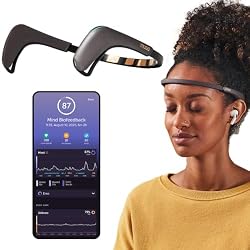 Muse 2 Check Price on Amazon |
|---|
Most sleep trackers rely on movement and heart rate to estimate your sleep stages. EEG headbands take a fundamentally different approach by measuring your actual brainwaves, the same technology used in clinical sleep studies. After spending over a decade managing anxiety-driven insomnia and trying countless tracking devices, I became genuinely curious about whether consumer EEG headbands could provide the kind of accurate sleep data that might actually help improve my rest.
The answer, based on months of research and real-world testing, is nuanced. EEG headbands offer significantly more accurate sleep stage detection than wrist-worn trackers, with some devices achieving up to 86% agreement with clinical polysomnography. However, they come with trade-offs in comfort, price, and practicality that make them better suited for certain users than others.
This guide examines the best EEG headbands for sleep tracking in 2025, comparing their accuracy, features, comfort, and value to help you determine whether investing in brain-sensing sleep technology makes sense for your situation.
Shop on Amazon: Muse S Athena → | Muse 2 →

What Makes EEG Headbands Different From Other Sleep Trackers
Traditional wearable sleep trackers like smartwatches and fitness bands use accelerometers to detect movement and optical sensors to monitor heart rate. These devices then apply algorithms to estimate which sleep stage you might be in based on these indirect measurements. The problem is that heart rate and movement patterns can only approximate what is happening in your brain during sleep.
EEG (electroencephalography) headbands measure electrical activity directly from your brain using sensors placed on your forehead. According to research published in npj Biosensing, polysomnography remains the gold standard for clinical sleep monitoring, but the Dreem headband has demonstrated substantial agreement with PSG at κ = 0.75 for sleep staging, significantly outperforming most consumer wearables.
This accuracy advantage matters because sleep stages tell you more than just how long you slept. Deep sleep (N3) is when physical recovery primarily occurs, while REM sleep supports memory consolidation and emotional processing. Knowing whether you are actually getting adequate amounts of each stage provides actionable information that total sleep time alone cannot offer.
Top EEG Headbands for Sleep Tracking in 2025
Muse S Athena: Best Overall for Combined Sleep Tracking and Brain Training
The Muse S Athena represents the most advanced consumer EEG headband currently available, combining traditional EEG sensors with functional near-infrared spectroscopy (fNIRS) technology that measures blood oxygen levels in your brain. This dual-sensor approach provides deeper insights into cognitive effort and recovery than EEG alone can offer.
According to an InteraXon research study, the Muse S headband demonstrated 86% accuracy in identifying different sleep stages, showing substantial agreement with expert sleep scorers. The device tracks light sleep, deep sleep, and REM stages in real-time, providing a personalized breakdown each morning.
When I first tested sleep trackers years ago, I found myself becoming anxious about the data. I would look at a report showing poor sleep and suddenly feel more tired than before I checked it. The Muse S Athena addresses this with its “Digital Sleeping Pill” feature, which uses responsive audio that fades as you approach sleep, helping you drift off rather than just passively monitoring your struggles.
The Athena is priced at approximately $475, with an optional premium subscription around $95 annually for access to the full meditation library and advanced sleep coaching features. The Sleep Foundation notes that while the price is steep, the combination of comprehensive sleep tracking and guided meditation programs may justify the investment for serious users.

FRENZ Brainband: Best for Insomnia and CBT-I Therapy
Note: the FRENZ Brainband is no longer available on Amazon, so we have removed its purchase link.
The FRENZ Brainband has earned three consecutive CES Innovation Awards for its approach to sleep improvement, focusing specifically on helping people who struggle to fall asleep. Unlike passive trackers, the FRENZ delivers personalized Cognitive Behavioral Therapy for Insomnia (CBT-I) through bone conduction speakers based on real-time brainwave analysis.
According to the manufacturer, the device has been clinically shown to reduce sleep onset time by 40-70% on average. The FRENZ monitors EEG, EOG (eye movement), EMG (facial muscle activity), heart rate, SpO2, and breathing rhythm to build a comprehensive picture of your sleep state.
What appeals to me about the FRENZ is its focus on the racing thoughts problem. My own sleep issues have always centered on difficulty switching off my mind at bedtime rather than staying asleep once I finally drift off. The FRENZ specifically targets this by adapting its audio therapy based on detected brain activity, reducing volume as you approach sleep.
At approximately $680, the FRENZ Brainband is the most expensive option on this list. However, for people with serious insomnia who have struggled with other solutions, the device offers a non-pharmaceutical intervention backed by meaningful research. A 14-day return policy provides some opportunity to evaluate whether it works for your specific situation.

Understanding EEG Headband Limitations
Before investing in an EEG headband, it is important to understand their practical limitations. The most significant issue is comfort. While manufacturers have made substantial improvements in recent years, wearing any device on your head throughout the night takes adjustment.
Research published in npj Biosensing found that in one study, 85% of participants rated their sleep quality as bad or bearable on the first night using in-ear EEG devices, and only 10% indicated the device did not negatively impact their sleep at all. Headband-style devices tend to be more comfortable than in-ear options, but expect an adjustment period of at least a few nights.
My own experience with weighted blankets taught me that comfort preferences are highly personal. The first time I tried a weighted blanket, the sensation of pressure was surprisingly pleasant. Not everyone feels the same way about wearing a headband to bed. Side sleepers may find the sensor pod uncomfortable when their head presses against the pillow, though I have learned that removing my pillow entirely sometimes helps when I am struggling to settle.
Battery life presents another consideration. The Muse S Athena battery can drain quickly when using fNIRS sensors during meditation, with some users reporting the battery depletes faster than expected for overnight tracking. The FRENZ offers approximately 8 hours of battery life, which should cover most sleep sessions but leaves little margin for error.
Who Should Consider an EEG Sleep Headband
EEG headbands are not necessary for everyone. If you simply want to know approximately how long you slept and whether you moved around much, a smartwatch or fitness tracker provides sufficient data at a fraction of the cost.
However, EEG headbands make sense for specific situations. People working with healthcare providers to address sleep disorders benefit from the clinical-grade data these devices provide. Research published in PMC confirms that consumer EEG devices can capture meaningful brain activity data, though with some signal quality limitations compared to research-grade equipment.
Athletes and biohackers tracking recovery may find value in accurate deep sleep measurements. Deep sleep is when the body produces growth hormone and repairs muscle tissue, making it particularly relevant for athletic performance optimization. If you are learning about whether EEG headbands actually improve sleep, the data can help you correlate lifestyle changes with measurable outcomes.
People with anxiety-driven insomnia, like myself, may benefit from the meditation and CBT-I features integrated into devices like the Muse and FRENZ. Over the years, I have learned that worrying about not sleeping makes everything worse. Getting upset about poor sleep is like getting upset that it is raining outside. It does not change anything, and it usually makes matters worse. The guided interventions in these devices can help break that cycle by giving your mind something constructive to focus on.

Key Features to Compare
When evaluating EEG headbands, several features merit close attention beyond raw accuracy claims.
Sensor technology: The Muse S Athena combines EEG with fNIRS sensors, while the FRENZ adds EOG and EMG capabilities. More sensors provide richer data but may impact battery life and comfort. Basic EEG-only devices still offer substantial accuracy improvements over non-EEG trackers.
Sleep intervention features: Some devices passively record data while others actively attempt to improve your sleep. The FRENZ delivers CBT-I therapy, the Muse offers guided sleep audio, and both use responsive audio that adapts to your brain state. Consider whether you want a monitoring tool or an active sleep aid.
App ecosystem and subscription costs: Most EEG headbands require ongoing subscriptions to access their full feature sets. The Muse premium subscription runs approximately $95 annually. Factor these recurring costs into your budget calculations alongside the initial device purchase.
Meditation and focus features: If you are interested in understanding EEG headband accuracy for sleep stages, the same technology that tracks sleep can provide valuable feedback during daytime meditation practice. Devices like the Muse originated as meditation tools before expanding into sleep tracking.
What Happened to the Dreem Headband
Users researching EEG headbands will likely encounter references to the Dreem headband, which was widely considered one of the most accurate consumer sleep tracking devices ever released. Unfortunately, the company stopped selling directly to consumers in 2021, pivoting to focus on healthcare and research applications under the Beacon Biosignals brand.
This shift left a gap in the market that products like the Muse S Athena and FRENZ Brainband have worked to fill. While used Dreem headbands occasionally appear on secondary markets, the devices relied on cloud services that have been discontinued for consumer use. For those seeking a detailed comparison, our Muse S vs Dreem analysis covers what made the Dreem special and how current options compare.

Making Your Decision
The right EEG headband depends on your specific needs and budget. For comprehensive brain training and sleep tracking with the latest sensor technology, the Muse S Athena offers the most complete package at $475. Users specifically struggling with insomnia may find the FRENZ Brainband’s CBT-I approach worth the higher $680 price point.
Remember that no tracking device, regardless of accuracy, directly improves your sleep. The value comes from what you learn and how you apply that knowledge. Breathing exercises, for example, genuinely work when done correctly. It is a physiological response where slowing your breathing calms your whole body. A headband that confirms these techniques are shifting your brain state provides motivation to maintain helpful habits.
If you are exploring other sleep tracking options, our comprehensive Muse S Gen 2 review provides hands-on testing details, while our guide to the Dreem 2 headband offers historical context on where this technology started.
Frequently Asked Questions
Are EEG headbands as accurate as clinical sleep studies?
Consumer EEG headbands approach but do not match clinical polysomnography accuracy. The best devices achieve approximately 86% agreement with expert sleep staging, compared to around 82% inter-rater reliability among human experts scoring PSG studies. This makes them significantly more accurate than wrist-worn trackers but not replacements for clinical evaluation of suspected sleep disorders.
Can you sleep comfortably wearing an EEG headband?
Most users require an adjustment period of several nights before finding EEG headbands comfortable. Headband-style devices like the Muse are generally more comfortable than in-ear alternatives. Side sleepers may experience some discomfort from sensor pods pressing against pillows. Comfort varies significantly between individuals.
Do EEG headbands actually improve sleep or just track it?
Some EEG headbands include active sleep improvement features beyond passive tracking. The FRENZ Brainband delivers CBT-I therapy, while Muse devices offer responsive audio that fades as you fall asleep. Research supports these interventions for reducing sleep onset time, though results vary between individuals.
How much do EEG headbands cost compared to other sleep trackers?
EEG headbands range from approximately $300 to $700, significantly more expensive than most smartwatches and fitness trackers. The Muse S Athena costs around $475, while the FRENZ Brainband runs approximately $680. Many devices also require ongoing subscription fees of $60-$100 annually for full functionality.
Read more articles on the EEG Headbands Hub.
About the Author
Scott Hilliard is the founder of liveworksleep, where he shares insights from over a decade of managing anxiety-driven insomnia. After testing dozens of sleep products and techniques, Scott focuses on evidence-based approaches to sleep improvement, combining personal experience with current research to help others optimize their rest.
Transparency Statement
liveworksleep may earn a commission from purchases made through links in this article. This does not influence our recommendations, which are based on thorough research and honest assessment of each product’s strengths and limitations. We only recommend products we believe provide genuine value to our readers.
Medical Disclaimer
The information in this article is for educational purposes only and should not be considered medical advice. EEG headbands are wellness devices, not medical devices, and should not replace consultation with healthcare providers for diagnosis or treatment of sleep disorders.