Muse S Gen 2 Review: EEG Sleep Tracking That Measures What Matters
Affiliate Disclosure: As an Amazon Associate I earn from qualifying purchases. Some links on this page are affiliate links. If you buy through them we earn a small commission at no extra cost to you. Our recommendations are based on research into specifications, published evidence and product listings. Learn more.
Quick Picks


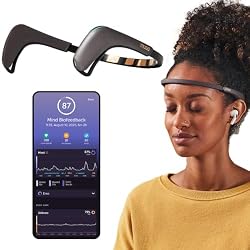
Most sleep trackers make promises they can’t keep. They claim to measure sleep stages with wrist-worn sensors that estimate rather than directly observe brain activity. The Muse S Gen 2 takes a fundamentally different approach, using medical-grade EEG sensors to track what’s actually happening in your brain while you sleep.
Note: the Muse S Gen 2 reviewed here is no longer available on Amazon. The current model is the Muse S Athena (3rd gen), and the Amazon links on this page now go to it.
After spending three months testing this headband every night, I can tell you the experience goes well beyond typical consumer sleep tracking. The Muse S Gen 2 combines clinical-grade brain sensing technology with meditation guidance and responsive audio features called Digital Sleeping Pills. At $400, it sits at the premium end of the sleep technology market, raising an important question for anyone serious about understanding their sleep: does direct brain measurement justify the investment over more affordable alternatives?

What Makes the Muse S Gen 2 Different
The fundamental distinction between the Muse S Gen 2 and typical sleep trackers comes down to measurement methodology. While wrist-worn devices infer sleep stages indirectly through heart rate variability and movement patterns, the Muse S directly measures electrical brain activity using electroencephalography.
Shop on Amazon: See the current Muse S Athena on Amazon →
This matters more than most people realize. Research published in Sensors demonstrates that EEG-based sleep classification achieves 89-91% accuracy for identifying sleep stages, compared to significantly lower accuracy rates from heart-rate-based estimation methods. The difference isn’t academic; it represents the gap between measuring what your brain is actually doing versus making educated guesses based on indirect signals.
The Muse S Gen 2 uses four primary EEG channels plus two auxiliary sensors embedded in soft fabric that wraps around your forehead and behind your ears. These silver-threaded sensors detect brain activity at a 256 Hz sampling rate, providing the kind of temporal resolution typically reserved for clinical sleep studies. The headband also includes photoplethysmography sensors for heart rate monitoring, an accelerometer for movement tracking, and a gyroscope for detecting head position changes throughout the night.
When I first learned about anxiety-driven insomnia ten years ago, I became skeptical of sleep products that promised comprehensive insights without actually measuring the organ responsible for consciousness. The Muse S appealed to me precisely because it doesn’t rely on proxies. If I’m going to obsess over sleep data, which my therapist gently suggested might not be the healthiest habit, I at least want that data to reflect what’s genuinely happening in my brain rather than algorithmic interpretations of wrist movement.

Digital Sleeping Pills: Responsive Audio That Adapts to Your Brain
The signature feature differentiating Gen 2 from the original Muse S centers on something the company calls Digital Sleeping Pills. The concept initially struck me as marketing language until I experienced how the technology actually functions during those frustrating 2 AM wake-ups that became familiar territory during my worst sleep period.
Digital Sleeping Pills deliver responsive audio experiences that fade in and out based on real-time EEG readings. When the headband detects the brain wave patterns associated with falling asleep, the soundscape gradually reduces in volume until it disappears entirely once sleep onset occurs. If you wake during the night, the system recognizes the shift in brain activity and smoothly reintroduces calming audio to facilitate the transition back to sleep.
The Muse app offers multiple soundscape options, including nature sounds like ocean waves and rainfall, ambient compositions, and guided sleep stories. Each responds dynamically to your neurological state rather than playing on a fixed timer. This represents a meaningful departure from traditional sleep apps that continue playing audio whether you’re asleep or not, potentially disrupting rather than supporting quality rest.
During my testing period, I primarily used the ocean wave soundscape, which I found less distracting than the guided stories. The responsive fading worked reliably on nights when I fell asleep within 20-30 minutes. On more difficult nights when racing thoughts kept me awake past the one-hour mark, the audio occasionally faded prematurely, requiring me to restart the session. This limitation stems from the algorithm’s sensitivity to brief periods of reduced brain activity that can occur even when you’re still fundamentally awake and aware.
Worth noting: the system requires you to use your own headphones or earbuds. As a dedicated side sleeper, I initially struggled with bulky earbuds creating pressure points against the pillow. After considerable trial and error, I settled on low-profile sleep earbuds specifically designed for side sleeping. This represents an additional investment beyond the headband itself and a consideration that product marketing doesn’t emphasize sufficiently.

Sleep Stage Tracking: Lab-Grade Measurement at Home
The sleep tracking functionality represents the Muse S Gen 2’s most compelling technical achievement. Unlike consumer trackers that estimate sleep stages through algorithmic interpretation of movement and heart rate, the headband directly observes the delta, theta, alpha, beta, and gamma brain wave frequencies that define different sleep states.
Each morning, the Muse app presents a detailed breakdown showing time spent in light sleep, deep sleep, REM sleep, and wake periods. The visualization includes graphs displaying how sleep architecture evolved throughout the night, when sleep interruptions occurred, and how long you spent in each stage. Research comparing consumer sleep trackers to polysomnography found significant variation in sleep stage accuracy across devices, with EEG-based systems demonstrating substantially higher agreement with clinical gold standards than accelerometry-based alternatives.
The accuracy comes with important caveats. EEG headband sleep tracking operates within inherent technical constraints that clinical polysomnography addresses through more comprehensive sensor arrays. The Muse S monitors brain activity from frontal cortex positions but doesn’t capture occipital lobe activity the way full clinical setups do. Movement during sleep can shift the headband position, temporarily degrading signal quality until the sensors reseat properly against the scalp.
I experienced position shifts on approximately 20% of nights, typically when rolling from my back to my side during the transition from light sleep to deep sleep. The morning data would show brief gaps in the sleep stage classification timeline where the headband temporarily lost good sensor contact. On these nights, the overall sleep duration and basic stage percentages remained reliable, but the precise timing of stage transitions showed less certainty.
The sleep position tracking proved more interesting than I anticipated. The app records how much time you spend sleeping on your back, sides, or stomach, including how frequently you change positions throughout the night. This information revealed patterns I hadn’t consciously recognized, particularly how often I switched from side to side during the lighter portions of my sleep cycle. For anyone exploring how sleep positions might influence anxiety-related sleep quality, this granular tracking provides valuable insight that typical trackers simply cannot deliver.
Meditation Features: Real-Time Brain Feedback
Beyond sleep tracking, the Muse S Gen 2 functions as a comprehensive meditation training system. The headband monitors brain activity during meditation sessions and translates that neurological data into audio feedback that changes in real time based on your mental state.
When your mind wanders during meditation, the soundscape intensifies with weather sounds like wind and rain. As you refocus attention and your brain activity settles into patterns associated with concentrated awareness, the sounds calm to gentle nature ambiance. Sessions range from three minutes to 45 minutes, with options for guided meditations focusing on specific themes like stress reduction, sleep preparation, or general mindfulness practice.
After struggling with traditional meditation for years, I found the real-time feedback genuinely helpful for understanding when my attention had drifted. The tangible audio cues made the abstract concept of “returning to the breath” more concrete than any instruction I’d received from apps or teachers. The worry diary technique my therapist recommended remained more effective for managing bedtime anxiety, but the Muse meditation features provided valuable daytime practice for the mental discipline required to let anxious thoughts pass without escalation.
The meditation tracking also creates detailed records showing how your focus improves over time. Metrics include the percentage of each session spent in calm versus active mental states, how quickly you returned to focus after mind-wandering episodes, and longer-term trends in meditation consistency. For someone who approaches self-improvement with analytical precision, these metrics satisfied my desire for measurable progress while simultaneously highlighting how little correlation exists between trying harder and achieving better meditation outcomes.

Practical Considerations: Battery Life, Comfort, and Setup
The Muse S Gen 2 delivers approximately 10 hours of continuous use per charge, representing a substantial improvement over the original model’s five-hour capacity. This battery life proves sufficient for overnight sleep tracking with margin to spare, though you’ll need to establish a consistent morning charging routine. The headband uses micro-USB charging rather than the more contemporary USB-C standard, which feels like a dated choice for a $400 device released in late 2021.
Charging requires roughly three hours from empty to full, meaning you can charge while working or during evening activities before bed. I developed a habit of plugging it in immediately upon waking, which ensured full charge by bedtime. Missing a charge means no sleep tracking that night, as unlike smartwatches with multi-day battery life, the Muse S needs nightly charging to maintain functionality.
Comfort represents one of the headband’s genuine achievements. The Gen 2 features softer fabric compared to the original model, with improved elasticity for accommodating different head sizes. The 41-gram weight feels negligible after the first few minutes of wear. After initial adjustment periods lasting two to three nights, I typically forgot I was wearing it within minutes of lying down.
The one persistent comfort issue involves hair management. Longer hair must be pulled completely clear of the forehead and ear sensors to maintain good EEG signal quality. The Muse app displays real-time sensor contact feedback during setup, showing green indicators when sensors achieve proper scalp contact and red warnings when hair or positioning interferes. Getting all sensors green sometimes required 30-45 seconds of adjustment, which occasionally proved frustrating when I simply wanted to lie down and sleep.
The headband fits most head sizes through its adjustable elastic design, though people with significantly larger or smaller heads may encounter fit challenges. My head circumference measures approximately 58 centimeters, and the headband provided comfortable, secure fit without excessive tightness. Movement during sleep occasionally shifted the band slightly, but it never slipped off entirely or required middle-of-the-night readjustment.
App Experience and Data Interpretation
The Muse app serves as the central interface for both meditation and sleep tracking features. The iOS and Android applications offer identical functionality, though I tested exclusively on iPhone. The user interface emphasizes visual simplicity, presenting sleep and meditation data through clean graphs and straightforward metrics rather than overwhelming users with excessive detail.
Sleep analysis appears each morning showing sleep score, total sleep time, time in each sleep stage, number of sleep interruptions, and sleep position distribution. Tapping into individual metrics reveals more detailed breakdowns and historical comparisons. The app calculates trends over weeks and months, helping identify patterns in sleep architecture that might not be apparent from single nights of data.
One limitation involves data export options. The app doesn’t provide straightforward ways to export raw EEG data or detailed sleep stage information for independent analysis. This restriction frustrates users who want to examine their data in third-party analysis tools or maintain personal sleep databases outside the Muse ecosystem. Research users can access raw EEG data through specific developer channels, but typical consumers lack this access despite generating the data themselves.
The premium subscription tier adds guided meditation collections focused on specific goals like grief processing, creativity enhancement, or fertility support. The basic sleep tracking and meditation features function without subscription, but many of the deeper content libraries require the paid tier. At the time of writing, the premium subscription costs approximately $13 monthly or $100 annually, representing ongoing expenses beyond the initial hardware investment.
I maintained the free tier throughout my testing period and found the included content sufficient for basic sleep tracking and meditation practice. The subscription feels appropriate for users who want extensive guided content libraries, but the core functionality that justifies the Muse S purchase remains available without additional fees.
Comparing the Muse S Gen 2 to Sleep Tracking Alternatives
The Muse S Gen 2 occupies a unique position in the sleep tracking market, sitting between consumer wearables like the Oura Ring or Apple Watch and clinical polysomnography equipment. Understanding where it fits requires comparing both capability and practical trade-offs.
Wrist-worn trackers offer superior convenience through multi-day battery life, always-on wear, and integration with broader health metrics like activity tracking and heart rate monitoring. They estimate sleep stages through algorithms analyzing heart rate variability and movement patterns, achieving reasonable accuracy for total sleep time but less precision for stage classification. For someone simply wanting basic sleep duration tracking and general sleep quality trends, devices like the Oura Ring provide compelling value without the nightly ritual of donning a headband.
The Muse S Gen 2 trades convenience for measurement precision. The nightly setup routine, headphone requirements, and charging needs create more friction than tapping a wrist-worn device. In exchange, you receive direct brain activity measurement that fundamentally changes the quality of sleep stage data. The difference matters most for people who want to understand not just whether they slept, but specifically how their brain progressed through sleep architecture.
Clinical sleep studies remain the gold standard for diagnosing sleep disorders, incorporating comprehensive sensor arrays monitoring brain activity, eye movement, muscle tone, breathing patterns, and oxygen saturation. The Muse S cannot replace this diagnostic capability. If you suspect sleep apnea, periodic limb movement disorder, or other clinical sleep conditions, you need professional evaluation rather than consumer-grade tracking, regardless of how sophisticated the consumer device might be.
Other EEG headbands like the Dreem 2 provide similar brain-based sleep tracking, though the Dreem focuses exclusively on sleep optimization while the Muse S combines sleep tracking with meditation features. The choice between these devices largely depends on whether you value the meditation functionality or prefer a dedicated sleep-only device with potentially streamlined sleep-specific features.
For anyone exploring comprehensive EEG-based sleep tracking options, the market remains relatively small. Consumer EEG devices for sleep represent emerging technology rather than mature product categories, with limited competition and premium pricing across available options.
Who Should Consider the Muse S Gen 2
The Muse S Gen 2 makes sense for specific use cases rather than serving as a universal recommendation. The $400 price point positions it as a significant investment in sleep tracking technology, warranting careful consideration about whether the capabilities align with your needs and goals.
Strong candidates include people who want to understand their sleep architecture with precision beyond what accelerometry-based trackers provide. If you’re working with a sleep specialist on cognitive behavioral therapy for insomnia, the detailed sleep stage data can inform treatment discussions and help identify patterns in your sleep disruption. The objective measurements remove some of the uncertainty around whether interventions are improving sleep quality or simply improving your subjective perception of sleep quality.
The meditation features add value for users who struggle with traditional meditation practice and benefit from tangible real-time feedback. If you’ve tried meditation apps without success and suspect that lack of concrete guidance contributes to the difficulty, the Muse system provides structure that purely audio-based instruction cannot deliver. The combination of sleep tracking and meditation support also appeals to people interested in examining relationships between daytime meditation consistency and nighttime sleep quality.
The device proves less suitable for casual sleep tracking where basic metrics like total sleep time and rough sleep quality assessments suffice. If you primarily want to know whether you’re meeting recommended sleep duration guidelines or if your sleep improved after making lifestyle changes, considerably cheaper options deliver comparable value. The Muse S premium pricing only justifies itself when the specific capabilities it uniquely offers match your specific requirements.
Budget-conscious buyers should carefully evaluate whether the incremental precision over wrist-worn alternatives warrants the price differential. A quality fitness tracker with sleep monitoring capabilities costs one-quarter to one-third the Muse S price while providing sleep duration accuracy within acceptable margins for most practical purposes. The question becomes whether understanding sleep stage distribution with EEG precision matters enough to justify spending three to four times more than capable alternatives.
Accuracy Limitations and Realistic Expectations
Despite sophisticated EEG measurement capabilities, the Muse S Gen 2 operates within constraints that users should understand before purchase. Setting appropriate expectations about what the device can and cannot deliver prevents disappointment and ensures the investment aligns with actual capabilities rather than aspirational marketing promises.
The headband measures brain activity from limited sensor positions compared to clinical polysomnography, which employs comprehensive electrode arrays across the entire scalp. This reduced coverage means the Muse S captures representative brain activity rather than complete neurological mapping. Research from MIT’s Media Lab examining single-channel EEG sleep classification achieved 83.5% accuracy for five-stage sleep classification, highlighting both the viability and limitations of simplified EEG approaches.