Sunrise Alarm Clock for SAD: Do Dawn Simulators Help Seasonal Depression?
Affiliate Disclosure: As an Amazon Associate I earn from qualifying purchases. Some links on this page are affiliate links. If you buy through them we earn a small commission at no extra cost to you. Our recommendations are based on research into specifications, published evidence and product listings. Learn more.
Quick Picks


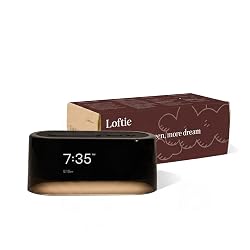
Quick picks: JALL Wake Up Light → | Verilux HappyLight → | Philips HF3500 →
When winter darkness sets in and seasonal affective disorder symptoms emerge, choosing the right light therapy approach becomes crucial. Sunrise alarm clocks promise a gentler alternative to traditional 10,000 lux therapy lamps, but can they genuinely alleviate SAD symptoms? After researching the evidence and understanding the distinct mechanisms behind each approach, the answer depends entirely on your symptom severity and treatment goals.
Understanding SAD and Light Therapy Fundamentals
Seasonal affective disorder affects approximately one in fifteen people, presenting as recurrent depression that begins in fall or winter and remits by spring. The condition stems from reduced sunlight exposure disrupting circadian rhythms and neurotransmitter function. Research published in the Einstein Journal of Biological Medicine confirms that bright light therapy has been recognized as a first-line treatment for SAD since the 1980s, with effectiveness comparable to antidepressant medications in many cases.
The mechanism is straightforward: light exposure influences the suprachiasmatic nucleus in your brain, which regulates your circadian clock. When this system receives insufficient light during darker months, it can trigger phase delays in your natural rhythm, contributing to mood symptoms, excessive sleep, and energy crashes. Light therapy aims to correct this misalignment.

Sunrise Alarms vs Traditional SAD Lamps: The Critical Difference
The fundamental distinction between sunrise alarm clocks and medical-grade SAD lamps lies in light intensity, measured in lux. According to the Mayo Clinic, effective SAD treatment typically requires exposure to 10,000 lux for 20 to 30 minutes each morning. This intensity mimics the brightness you would experience outdoors shortly after sunrise on a clear day.
Sunrise alarm clocks, by contrast, typically produce 200 to 300 lux at their maximum brightness. Some premium models like the Lumie Shine 300 may reach higher outputs, but they still fall short of clinical SAD treatment standards. This difference matters significantly for symptom management. For more details on how these devices function, see our guide on whether sunrise alarm clocks work.
Dr. Tom MacLaren, a Consultant Psychiatrist, explains that while both approaches produce beneficial effects, dawn simulators generally deliver lower lux and therefore produce smaller therapeutic effects than medical light boxes. For people with mild winter blues or those struggling primarily with morning wake-up challenges, sunrise alarms offer practical value. For established SAD with moderate to severe symptoms, a medically rated light box remains the clinical recommendation.
I’ve found that understanding your body’s actual needs matters more than following generic advice. When I struggled with anxiety-driven insomnia, I learned that my morning routine and natural light exposure patterns significantly impacted my entire day. Even 20 minutes of outdoor walking in early morning light helped regulate my sleep-wake cycle more effectively than any single device could. This taught me that light therapy tools work best as part of a broader approach to circadian health.
What the Research Actually Shows
Recent studies offer nuanced findings about dawn simulation effectiveness. Research indicates that using a sunrise lamp to simulate dawn over 90 minutes can produce comparable effects to spending 30 minutes in front of a 10,000 lux lamp for reducing SAD symptoms. The gradual light exposure allows for longer duration therapy at lower intensities, potentially achieving similar circadian phase advances.

However, meta-analyses examining bright light therapy consistently demonstrate robust effect sizes for depression reduction. A systematic review in JAMA Psychiatry found bright light therapy associated with a 41% remission rate in people with nonseasonal depression, significantly higher than control treatments. The research supporting 10,000 lux therapy is substantially more extensive than evidence for dawn simulation alone.
The key takeaway: sunrise alarms show promise for mild symptoms and circadian support, but they haven’t accumulated the same depth of clinical validation as traditional bright light therapy for moderate to severe SAD. Anyone experiencing significant functional impairment from seasonal depression should consult healthcare providers about evidence-based treatments rather than relying solely on a dawn simulator.
When Sunrise Alarms Make Sense for SAD
Sunrise alarm clocks serve specific use cases effectively within a comprehensive SAD management strategy. They excel for people who:
- Experience subsyndromal SAD or mild winter blues rather than clinical depression
- Struggle primarily with morning grogginess and difficulty waking during dark months
- Want to support conventional treatments with improved wake-up routines
- Find high-intensity light boxes overwhelming or impractical for their lifestyle
- Need year-round circadian rhythm support beyond seasonal issues
The gradual light increase from sunrise alarms triggers natural cortisol rises that help transition from sleep to wakefulness. This gentler approach avoids the potential anxiety that sudden bright light can cause. Our eyes remain highly sensitive to dim light even through closed eyelids, and the warm dawn colors assist with smooth circadian transitions. If you’re considering specific models, check out our comprehensive best sunrise alarm clocks roundup.
After testing various sleep products over the years, I’ve developed a healthy skepticism about anything marketed as a complete solution. The WHOOP tracker taught me that sometimes more data creates more anxiety rather than helping. With sunrise alarms, I appreciate that they address a specific problem (harsh wake-ups in winter) without making promises they can’t keep about curing depression. That honesty matters when you’re making decisions about your mental health.

Combining Approaches for Maximum Benefit
The most effective strategy often involves layering different light exposure methods. Consider using a sunrise alarm clock to facilitate natural waking, then following up with dedicated bright light therapy if you have moderate to severe SAD symptoms. This combination addresses both the wake-up challenge and the therapeutic lux requirements.
A typical protocol might include: waking to a 90-minute sunrise simulation (starting approximately 6:30 AM), followed by 30 minutes of 10,000 lux exposure from a medical-grade light box while eating breakfast or working at your desk. This dual approach provides the gentle transition benefits of dawn simulation plus the proven therapeutic intensity needed for symptom reduction.
Some manufacturers have attempted hybrid devices, but true SAD lamp and sunrise alarm combinations remain rare. The reason is practical: a regular lightbulb casts about 200 lux on your face, while a SAD lamp delivers 10,000 lux. That’s a 50-fold difference in intensity. Waking to 10,000 lux would create an unpleasantly harsh experience rather than the gradual dawn simulation that makes sunrise alarms effective.
Selecting the Right Sunrise Alarm for SAD Support
If you’re using a sunrise alarm as part of your SAD management approach, certain features enhance effectiveness. Prioritize models that offer:
- Maximum brightness of at least 200 lux, with 300+ lux preferred
- Gradual sunrise duration adjustable from 15 to 90 minutes
- Blue-enriched white light spectrum that supports circadian entrainment
- Wide light dispersion that illuminates the entire room rather than a focused beam
- Backup audio alarm options in case light alone doesn’t wake you initially
The Hatch Restore 3 offers extensive customization with app-based controls and sunset features for evening wind-down routines. For detailed analysis of this popular option, read our Hatch Restore 3 review. The Philips SmartSleep Wake-Up Light emphasizes clinical research backing and includes UV-free bright light suitable for bedside use, covered in our Philips SmartSleep review.
Budget shouldn’t prevent you from trying this approach. Several effective sunrise alarms retail for under $50, providing basic dawn simulation without premium features. Our guide to the best budget sunrise alarm clock options identifies models that deliver genuine circadian benefits without significant investment.

What Doesn’t Work and Why
Several common misconceptions about sunrise alarms and SAD treatment deserve clarification. First, simply having any light in your bedroom won’t address SAD symptoms. The intensity, timing, spectrum, and duration all matter significantly. A standard bedside lamp produces insufficient lux for therapeutic effects regardless of when you turn it on.
Second, using a sunrise alarm exclusively in the evening for sunset simulation doesn’t treat SAD. While sunset features can support sleep onset, SAD stems from insufficient morning light exposure. The therapeutic effect specifically requires light administration in the early morning hours to correct circadian phase delays characteristic of winter depression.
Third, irregular use undermines effectiveness. Light therapy requires daily consistency, ideally seven days per week throughout the season when symptoms occur. Sporadic exposure won’t achieve the cumulative circadian adjustment needed for sustained symptom relief. Think of it like taking medication: occasional doses provide minimal benefit compared to the prescribed regimen.
One lesson from managing my own sleep challenges: there’s no point worrying about things you can’t control. Getting upset that winter happens is like getting upset that it’s raining outside. That acceptance mindset extends to realistic expectations about what any sleep product can accomplish. A sunrise alarm won’t cure clinical depression, but it can make winter mornings slightly more bearable when combined with appropriate treatment.
Setting Up Your Sunrise Alarm for SAD Management
Proper implementation significantly impacts results. Position your sunrise alarm clock 16 to 24 inches from your face at a height slightly above eye level when lying down. This placement ensures adequate light reaches your closed eyelids during the sunrise simulation without requiring you to stare directly into the device.
Set your sunrise duration based on how deeply you typically sleep. Light sleepers may respond well to 15 to 30 minute simulations, while heavy sleepers often benefit from the full 90-minute gradual brightening. Start with longer durations and adjust based on whether you wake naturally before the alarm sounds. The goal is waking refreshed rather than being jolted awake by sudden brightness or sound.
Maintain consistent wake times, including weekends. Your circadian system responds to regular patterns, and irregular sleep schedules undermine light therapy effectiveness. Even if you don’t have morning obligations, keeping the same wake time supports your body’s internal clock alignment. This consistency proved essential when I worked to manage my anxiety-related sleep issues. Irregular schedules inevitably led to worse nights.

When to Seek Professional SAD Treatment
While sunrise alarms and bright light therapy offer substantial benefits for many people, certain situations warrant professional evaluation and treatment. Contact a healthcare provider if you experience:
- Persistent depressed mood lasting most of the day, nearly every day
- Loss of interest in activities you previously enjoyed
- Significant changes in appetite or weight (typically increased in SAD)
- Excessive sleeping (hypersomnia) or difficulty staying awake during daytime
- Difficulty concentrating or making decisions
- Feelings of hopelessness or thoughts of self-harm
Clinical SAD differs from general winter malaise in severity and functional impairment. If symptoms significantly impact your work, relationships, or daily activities, professional treatment becomes essential. Cognitive behavioral therapy specifically adapted for SAD shows effectiveness comparable to light therapy in some studies, and combination approaches often yield superior outcomes.
Antidepressant medications, particularly SSRIs, can address SAD symptoms when light therapy alone proves insufficient. Some individuals benefit from combination therapy using medication, professional counseling, and light exposure. The key is recognizing when self-management strategies aren’t adequately addressing your symptoms and seeking appropriate clinical support.
Based on my experience working with both my doctor and therapist to address sleep-related anxiety, I can say that professional guidance makes a genuine difference. My therapist introduced the worry diary technique that helped me stop ruminating at bedtime. My doctor prescribed appropriate medications when behavioral approaches alone weren’t enough. That combination of professional expertise and personal commitment to implementing their recommendations ultimately worked better than anything I tried on my own.
Integrating Sunrise Alarms with Lifestyle Modifications
Light therapy devices work most effectively alongside comprehensive lifestyle adjustments that support mental health and circadian function. Regular outdoor exposure during daylight hours amplifies the benefits of your sunrise alarm. Even 20 minutes of morning walking provides natural bright light exposure and physical activity, both of which demonstrate antidepressant effects.
Maintain consistent sleep-wake schedules year-round rather than only during symptomatic periods. This stability helps prevent the circadian disruption that contributes to SAD onset. Avoid excessive evening light exposure from screens, which can delay your sleep phase and counteract morning light therapy efforts. Consider blue light filtering or reduced screen time in the two hours before bed.
Exercise timing matters for circadian health. Morning or midday physical activity supports appropriate cortisol patterns and body temperature rhythms. Late evening exercise can delay sleep onset and potentially worsen morning grogginess. Nutrition also plays a role, as regular meal timing helps entrain circadian rhythms alongside light exposure.
Morning walks became a cornerstone of my sleep management approach. Getting outside for 20 minutes to an hour of walking during daylight hours proved incredibly powerful for regulating my sleep-wake cycle. It’s free, requires no special equipment, and provides benefits that extend well beyond just light exposure. The combination of movement, fresh air, and natural light creates effects that no indoor device can fully replicate.
The Bottom Line on Sunrise Alarms for SAD
Sunrise alarm clocks offer genuine value as part of a comprehensive approach to managing seasonal affective disorder, but they shouldn’t be considered standalone treatments for moderate to severe symptoms. The evidence supporting gradual dawn simulation shows promise for circadian support and gentle wake-ups, while the research backing high-intensity bright light therapy demonstrates robust antidepressant effects.
For mild winter blues, difficulty waking in darkness, or circadian rhythm support, a quality sunrise alarm clock provides practical benefits without significant downsides. The gentle light increase creates more pleasant morning transitions and may contribute to improved mood and alertness throughout the day. When combined with outdoor light exposure, consistent sleep schedules, and other lifestyle modifications, sunrise alarms become useful tools rather than miracle cures.
However, if you meet clinical criteria for seasonal affective disorder with significant functional impairment, traditional bright light therapy boxes offering 10,000 lux remain the evidence-based recommendation. Consult healthcare providers to develop appropriate treatment plans that may include light therapy, medication, psychotherapy, or combination approaches based on your individual presentation and needs.
The ultimate lesson I’ve learned through years of managing sleep challenges: there’s no single solution that works for everyone, and accepting that reality reduces anxiety considerably. Some nights will be difficult regardless of which tools you use. What matters is building a sustainable approach that addresses your specific needs without creating additional stress about optimization. Whether that includes a sunrise alarm clock depends on your symptoms, preferences, and treatment goals. Focus on what genuinely helps you function better rather than chasing perfect sleep.
Frequently Asked Questions
Can sunrise alarms replace SAD lamps completely?
No, sunrise alarms typically cannot replace medical-grade SAD lamps for treating moderate to severe seasonal affective disorder. Sunrise alarms produce 200 to 300 lux at maximum brightness, while clinical SAD treatment requires 10,000 lux exposure. Research shows dawn simulation can help with mild symptoms and circadian support, but established SAD benefits more from traditional bright light therapy. Consider sunrise alarms as complementary tools that improve wake-up routines rather than standalone SAD treatments.
How long should I use a sunrise alarm before expecting SAD symptom improvement?
Most people notice improved morning alertness within a few days of consistent sunrise alarm use, but significant SAD symptom reduction typically requires several weeks of daily exposure. Clinical studies of bright light therapy show benefits emerging within one to two weeks, with maximum effects appearing after four weeks of regular use. Sunrise alarms work more gradually due to lower light intensity, so maintain consistent daily use for at least three to four weeks before evaluating effectiveness. If you see no improvement after six weeks, consult a healthcare provider about alternative SAD treatments.
What sunrise alarm brightness level helps SAD symptoms most effectively?
For SAD-related benefits, choose sunrise alarms producing at least 200 lux, with 300 lux or higher preferred. While this remains far below the 10,000 lux standard for clinical light therapy, higher-output sunrise alarms provide stronger circadian signals during the gradual brightening period. Some premium models like the Lumie Shine 300 reach these higher intensities. Remember that sunrise alarms support circadian function and gentle waking rather than delivering therapeutic light doses equivalent to medical SAD lamps. The brightness level matters less than consistent daily use and proper timing.
Should I use both a sunrise alarm and a SAD lamp together?
Yes, combining sunrise alarms with traditional SAD lamps often provides optimal results for moderate to severe seasonal depression. This dual approach addresses two distinct needs: the sunrise alarm creates gentle wake-up transitions and supports natural circadian rhythms, while the SAD lamp delivers clinically effective light therapy dosing. A typical protocol involves waking to a 60 to 90 minute sunrise simulation, followed by 20 to 30 minutes of 10,000 lux exposure from a medical light box during breakfast or morning routine. This combination maximizes both the practical benefits of gradual awakening and the therapeutic intensity needed for symptom management.
Do sunset features on sunrise alarms help SAD symptoms?
Sunset features may support sleep onset but don’t directly treat SAD symptoms. Seasonal affective disorder stems primarily from insufficient morning light exposure disrupting circadian phase timing. SAD treatment requires light administration in early morning hours to correct winter-related phase delays. However, gradual dimming sunset simulations can contribute to overall circadian health by supporting natural melatonin production and sleep preparation. Use sunset features as sleep hygiene tools rather than SAD treatments, focusing your therapeutic expectations on morning light exposure from either sunrise alarms, bright light therapy, or ideally both combined.
Read more articles on the Sunrise Alarm Clocks Hub.
About the Author
Scott Hilliard is the founder of liveworksleep and brings over a decade of experience managing anxiety-driven insomnia. After transforming his approach from someone with no sleep issues to successfully navigating sleep challenges, Scott now shares evidence-based insights to help others improve their sleep quality. His testing background includes mattresses, pillows, sleep trackers, supplements, and techniques, always evaluated through the lens of real-world effectiveness rather than marketing claims.
Check current prices on Amazon: JALL Wake Up Light → | Verilux HappyLight → | Philips HF3500 →
Medical Disclaimer
The information provided in this article is for educational purposes only and should not replace professional medical advice, diagnosis, or treatment. Seasonal affective disorder is a clinical condition that may require professional evaluation and treatment. Always consult qualified healthcare providers regarding any questions about medical conditions or treatment approaches. If you experience severe depression symptoms, thoughts of self-harm, or significant functional impairment, seek immediate professional help. Light therapy devices are not FDA-regulated for SAD treatment, and individual results may vary.
Sources
- Campbell, P. D., Miller, A. M., & Woesner, M. E. (2017). Bright Light Therapy: Seasonal Affective Disorder and Beyond. Einstein Journal of Biology and Medicine, 32, E13-E25. https://pmc.ncbi.nlm.nih.gov/articles/PMC6746555/
- Mayo Clinic Staff. (2022). Seasonal affective disorder treatment: Choosing a light box. Mayo Clinic. https://www.mayoclinic.org/diseases-conditions/seasonal-affective-disorder/in-depth/seasonal-affective-disorder-treatment/art-20048298
- Golden, R. N., et al. (2005). The efficacy of light therapy in the treatment of mood disorders: a review and meta-analysis of the evidence. American Journal of Psychiatry, 162(4), 656-662.
- Menegaz de Almeida, A., et al. (2024). Bright Light Therapy for Nonseasonal Depressive Disorders: A Systematic Review and Meta-Analysis. JAMA Psychiatry. Published online October 02, 2024.
- Eastman, C. I., Young, M. A., Fogg, L. F., Liu, L., & Meaden, P. M. (1998). Bright light treatment of winter depression: a placebo-controlled trial. Archives of General Psychiatry, 55(10), 883-889.
- American Psychiatric Association. (2013). Diagnostic and Statistical Manual of Mental Disorders (5th ed.). Arlington, VA: American Psychiatric Publishing.