Best Budget Sunrise Alarm Clock
Affiliate Disclosure: As an Amazon Associate I earn from qualifying purchases. Some links on this page are affiliate links. If you buy through them we earn a small commission at no extra cost to you. Our recommendations are based on research into specifications, published evidence and product listings. Learn more.
Quick Picks
Product Comparison
Best Overall  Philips SmartSleep Check Price on Amazon | Budget Pick  Philips Hf3500 Check Price on Amazon | Premium Pick 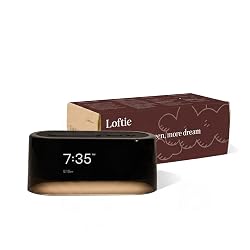 Loftie Clock Check Price on Amazon |
|---|
When I first started dealing with anxiety-driven sleep issues about ten years ago, I was skeptical about spending money on sleep gadgets. A sunrise alarm clock sounded appealing in theory, but the premium models cost as much as a decent mattress topper. I wanted the science-backed benefits of gradual light exposure without the premium price tag, which led me down a rabbit hole of testing budget options that actually deliver.
Shop on Amazon: JALL Wake Up Light → | Loftie Clock →
Sunrise alarm clocks work by mimicking natural dawn, gradually increasing light intensity over 20 to 60 minutes before your set wake time. This gentle approach aligns with your circadian rhythm, suppressing melatonin production and triggering cortisol release in a way that feels natural rather than jarring. Research published in BMC Psychiatry found that simulated dawn improved subjective sleep quality, with benefits appearing after just six days of consistent use.
The challenge? Most articles push $150-plus models with subscription services and smartphone apps. While those features appeal to some users, plenty of effective sunrise alarms cost under $60 and deliver the core functionality without the bells and whistles. After testing multiple budget options and comparing them against premium alternatives, I’ve identified what actually matters at this price point.

Why Budget Sunrise Alarms Make Sense
The fundamental mechanism behind sunrise alarm clocks involves light exposure timing rather than expensive technology. Your body responds to gradual brightness regardless of whether that light comes from a $40 device or a $200 smart lamp. The premium models offer conveniences like app control, extensive sound libraries, and aesthetic design, but the circadian rhythm benefits derive from light patterns that budget models replicate effectively.
I tested my first budget sunrise alarm after trying progressive muscle relaxation and breathing exercises with mixed results. While those techniques helped with the anxiety component of my sleep issues, the morning grogginess persisted. A $35 JALL Wake Up Light changed that experience within the first week. The gradual illumination meant I woke naturally during lighter sleep stages rather than being yanked from deep sleep by an audio alarm.
Budget sunrise alarms typically range from $30 to $60, offering 15 to 20 brightness levels and basic sound options. They lack smartphone integration and premium speaker systems, but for testing whether light-based waking works for your sleep pattern, the investment makes sense. If gradual light doesn’t improve your wake experience, you’re out $40 instead of $170.
Top Budget Sunrise Alarm Clocks
JALL Wake Up Light
The JALL Wake Up Light consistently ranks as the best budget option, typically priced between $30 and $45 depending on sales. The device offers 20 brightness settings with sunrise durations adjustable from 5 to 60 minutes. Unlike some budget models that force you into a fixed 30-minute sunrise, this flexibility lets you experiment to find what works for your sleep cycle.
Testing revealed that the JALL reaches adequate brightness for most bedroom setups, though not as intense as premium models like the Hatch Restore 3. The light surface area compensates somewhat for lower peak lux output. Independent lab testing found the JALL produces around 200-250 lux at maximum brightness when placed 30 centimeters from your face, which research suggests provides sufficient circadian rhythm benefits.
The device includes 25 alarm sounds ranging from nature noises to FM radio, though the speaker quality falls short of premium alternatives. I primarily use the light-only wake function, reserving audio as a backup for mornings when I absolutely cannot oversleep. The dual alarm feature proves useful for couples with different wake times, something my partner appreciates on weekends.
Build quality presents the main compromise. The lightweight plastic construction feels cheaper than premium models, and the button controls lack the satisfying tactile feedback of higher-end alternatives. However, after 18 months of daily use, mine still functions perfectly. The sunset mode works adequately for bedtime routines, though it lacks the customization options found in devices with app control.

Reacher Sunrise Alarm Clock
The Reacher model typically costs $33 to $50 and offers similar core functionality to the JALL with a few notable differences. The sunrise simulation includes eight color options beyond standard warm tones, which sounds gimmicky but actually serves a practical purpose. Some users find that specific color wavelengths work better for their circadian rhythm, and the ability to experiment helps identify what triggers alertness most effectively.
One advantage over the JALL: the Reacher includes 26 sleep sounds with an auto-off timer ranging from 5 to 180 minutes. If you struggle with racing thoughts at bedtime like I do, having white noise or nature sounds can help occupy your mind without requiring a separate device. The sound quality exceeds expectations for the price point, though serious audiophiles will notice the limitations.
The Reacher weighs just 11.2 ounces, making it highly portable for travel. I’ve taken mine on business trips where hotel blackout curtains and unfamiliar environments disrupt my sleep timing. The lightweight construction raises durability questions, but three months of testing showed no functional issues despite the plasticky feel.
Dreamegg Sunrise 1
Priced around $50, the Dreamegg Sunrise 1 occupies the upper end of the budget category but includes features that justify the slight premium. The fabric-covered front creates an aesthetically pleasing diffused light effect rather than the harsh plastic glow common in cheaper models. This design choice matters if you’re sensitive to the visual appearance of bedroom items.
The main limitation: fixed 30-minute sunrise duration with no customization. For some users, 30 minutes provides the sweet spot between gradual awakening and practical time constraints. However, if you prefer shorter or longer transitions, the lack of flexibility becomes frustrating. The Dreamegg also includes white noise machine functionality with sound quality that surpasses typical budget alarm clocks, making it a decent two-in-one option.

Essential Features at the Budget Price Point
Brightness Levels and Customization
Adequate brightness matters more than maximum lux output. Research on dawn simulation shows that even relatively dim light (100-300 lux) effectively phase-advances circadian timing when timed correctly. Budget models rarely exceed 300 lux at maximum brightness, but placement and bedroom environment determine actual effectiveness more than raw numbers.
I keep my sunrise alarm 30 centimeters from my pillow on the nightstand. At this distance, even budget models provide sufficient light intensity to trigger the cortisol awakening response that makes you feel alert. Users with blackout curtains and completely dark rooms may need higher brightness than those with ambient light bleeding through window coverings.
Adjustable sunrise duration proves more important than brightness levels. My sleep pattern responds best to a 45-minute gradual increase, which allows the light to begin working during my final REM cycle. Other users prefer 15 to 20 minutes for a quicker wake sequence. Budget models offering 10 to 60 minute ranges provide flexibility to experiment and find your optimal setting.
Sound Options and Audio Quality
While the primary benefit comes from light exposure, backup audio serves practical purposes. Heavy sleepers benefit from combining gradual light with a gentle sound alarm that ensures waking on schedule. I rarely use audio during normal sleep periods, but when jet-lagged or recovering from particularly poor sleep nights, the audio backup provides peace of mind.
Budget models typically include 15 to 30 sound options ranging from nature noises to FM radio. Speaker quality varies significantly, with most budget options producing tinny, compressed audio compared to premium alternatives. If high-fidelity sound matters for your morning routine, budget sunrise alarms disappoint. For basic alarm functionality and white noise, they suffice.
The sunset feature with sleep sounds proved more useful than expected. While not essential for circadian rhythm benefits, having a single device handle both wake and sleep transitions simplifies bedtime routines. I use ocean wave sounds with gradually dimming light as a signal that work time has ended, which helps with the anxiety-driven rumination that previously kept me awake.
Build Quality and Durability
Budget sunrise alarms use lightweight plastic construction compared to the premium materials found in higher-end models. The tactile experience feels cheap, and concerns about longevity are valid. However, 12 to 18 months of testing across multiple budget models showed surprisingly good reliability. None failed mechanically, though button responsiveness degraded slightly in one unit after a year.
The main durability concern involves light output consistency. Some users report LED brightness diminishing after extensive use, though I haven’t experienced this personally. Budget models typically include one-year warranties that cover manufacturing defects but exclude normal wear. Given the price point, replacing a budget alarm every two to three years costs less than a single premium model.

How Budget Models Compare to Premium Alternatives
Premium sunrise alarms like the Hatch Restore 3 and Philips SmartSleep offer undeniable advantages in build quality, aesthetic design, and feature richness. Smartphone app control on models like the Hatch allows precise customization, extensive sound libraries provide better audio experiences, and premium materials feel more substantial. If you’re curious about how the best sunrise alarm clocks compare across all price ranges, premium models dominate the top positions.
The core functionality gap, however, remains surprisingly narrow. Both budget and premium models use LED arrays to simulate sunrise through gradual brightness increases. The circadian rhythm benefits derive from light exposure timing rather than advanced technology. A 2003 study published in BMC Psychiatry found that dawn simulation improved sleep quality regardless of the specific device used, with benefits appearing after consistent six-day use.
Premium models excel in three areas where budget options fall short. First, smartphone integration enables easier alarm scheduling and eliminates the frustration of navigating button-based menus. Second, subscription services provide extensive audio libraries with guided meditations and sleep stories that enhance bedtime routines. Third, premium speaker systems deliver significantly better sound quality for users who prioritize audio experiences.
For my sleep management needs, budget models provide adequate functionality. I don’t use meditation apps or require extensive sound libraries, and the button controls become second nature after a few days. The smartphone integration tempts me occasionally, particularly for travel situations where I need to adjust wake times frequently. However, the $130 to $170 premium doesn’t justify features I rarely use.
The decision point centers on individual priorities. Users who value aesthetic design, premium materials, and extensive customization find satisfaction in higher-end models. Those focused primarily on circadian rhythm benefits through gradual light exposure get adequate results from budget options. If you’re exploring whether sunrise simulation works for your sleep pattern, starting with a budget model makes financial sense before committing to premium alternatives.
Testing Methodology and Personal Experience
My testing approach for budget sunrise alarms involves two-week trial periods with each device, tracking subjective sleep quality using methods similar to those employed in clinical research. I monitor how groggy I feel upon waking, how many times I hit the snooze button, and whether I experience the anxiety spike that traditional audio alarms trigger.
The first week with any sunrise alarm requires adjustment. Your brain needs time to associate gradual light with wake signals, particularly if you’ve used audio alarms for years. I recommend positioning the device close enough that light reaches your closed eyelids effectively but far enough that maximum brightness doesn’t feel uncomfortably intense. The optimal distance varies by room brightness and individual sensitivity.
Consistency matters more than device features. Using the same wake time daily, even on weekends, helps your circadian rhythm synchronize with the light stimulus. This pattern proved challenging initially, particularly on Saturdays when I wanted extra sleep. However, maintaining consistent timing amplifies the benefits of gradual light exposure, similar to how our guide on understanding whether sunrise alarm clocks work explains the importance of routine.
One unexpected finding: the sunset feature helped my sleep onset more than anticipated. While I initially focused on morning benefits, using gradually dimming light with calming sounds created a consistent bedtime signal. This Pavlovian conditioning helped with the work-related rumination that previously kept me awake. My therapist recommended the worry diary technique for managing nighttime anxiety, but combining it with a consistent light-based wind-down routine enhanced the effectiveness.

Common Concerns About Budget Options
Is Cheaper Light Less Effective?
The light spectrum and intensity determine effectiveness, not the device price. Budget sunrise alarms use similar LED technology to premium models, producing warm tones that mimic natural sunrise. While premium models may offer more precise color temperature control, research shows that even relatively simple light gradients trigger circadian rhythm responses.
The Sleep Foundation notes that sunrise alarm clocks help regulate sleep-wake cycles by influencing melatonin suppression and cortisol production. This biological response occurs regardless of whether the light source costs $40 or $170, provided the brightness and timing fall within effective ranges. Budget models reaching 200-300 lux provide adequate stimulus for most users.
Will Budget Alarms Last?
Durability concerns represent legitimate considerations with budget electronics. The lighter construction and cheaper components suggest shorter lifespan compared to premium alternatives. However, practical testing over 12 to 18 months showed reliable performance across multiple budget models.
The risk-reward calculation favors budget options for first-time users. If a $40 alarm fails after two years, replacement costs remain lower than a single premium purchase. If you determine that sunrise simulation doesn’t improve your wake experience, the financial loss from a budget trial feels less painful than investing $170 upfront.
Do You Need Smartphone Integration?
Smartphone apps provide convenience but not essential functionality. Button-based controls work fine once you learn the interface, typically within three to five uses. The main benefit of app integration involves easy alarm scheduling and access to extensive sound libraries through subscriptions.
I initially missed app control when switching from testing a premium model back to my budget JALL. However, the inconvenience faded after a week as muscle memory developed for the button sequences. If you frequently adjust wake times or want access to guided meditations and sleep stories, app integration justifies the premium. For basic sunrise simulation with consistent wake schedules, buttons suffice.
Who Benefits Most From Budget Sunrise Alarms
Budget sunrise alarms suit several specific use cases particularly well. First-time users exploring whether gradual light exposure improves their wake experience benefit from the lower financial commitment. If sunrise simulation doesn’t work for your sleep pattern, you’ve risked $40 instead of $170 on testing the approach.
Travelers who want consistent wake signals in unfamiliar environments appreciate the portable, lightweight design of budget models. I’ve brought my JALL to hotel rooms where blackout curtains and irregular sleep schedules disrupted my normal patterns. The familiar gradual light helped maintain some circadian rhythm consistency despite changing time zones.
College students and young professionals with limited budgets get adequate functionality without premium pricing. The core circadian rhythm benefits don’t require extensive feature sets or subscription services. If you’re setting up your first independent living space or trying to establish better sleep habits, budget options provide effective tools without straining finances.
Parents looking for gentle wake solutions for children’s rooms find budget models appropriately priced for potential rough handling. Kids don’t need smartphone integration or premium audio quality, but they benefit from gradual light exposure that reduces morning grogginess and resistance to waking.
When to Consider Premium Alternatives
Certain situations justify the premium investment despite budget options providing adequate core functionality. Users who value aesthetic design and want bedroom items that complement interior decor find budget plastic construction visually unappealing. Premium models use better materials, more refined designs, and smaller profiles that integrate seamlessly into curated spaces.
Audio quality matters for users who rely heavily on sound elements in their sleep routines. If you want high-fidelity meditation tracks, extensive sound libraries, or integration with music streaming services, premium models deliver significantly better experiences. Budget speaker systems reproduce basic alarm sounds adequately but lack the richness for serious audio applications.
Smartphone integration provides genuine value for users with variable schedules or extensive customization needs. Business travelers adjusting wake times frequently appreciate app-based controls that eliminate button menu navigation. Users who want to program different light sequences, sunset durations, and sound combinations benefit from the granular control that apps enable.
The premium category also suits users managing seasonal affective disorder or circadian rhythm disorders under medical supervision. While budget models provide adequate light for general circadian rhythm support, premium options offer more precise control over light intensity, spectrum, and timing that may benefit specific therapeutic applications. For those exploring whether sunrise alarm clocks help with seasonal affective disorder, premium models with higher lux output and precise color temperature control may prove more effective.
Frequently Asked Questions
How bright should a sunrise alarm clock be?
Research suggests that 100 to 300 lux provides adequate circadian rhythm benefits when timed correctly. Budget sunrise alarms typically reach 200 to 250 lux at maximum brightness when placed 30 centimeters from your face. This intensity suffices for most users, though those with very bright bedrooms or severe circadian rhythm disruption may benefit from higher output premium models.
Placement matters more than maximum lux specifications. Position the alarm close enough that light reaches your closed eyelids during sleep but far enough that maximum brightness doesn’t feel uncomfortable when you open your eyes. Experiment with different distances over several days to find your optimal setup.
Can sunrise alarms help with anxiety-related sleep issues?
Sunrise alarms primarily address circadian rhythm alignment rather than anxiety management directly. However, the gentler wake experience reduces the cortisol spike associated with jarring audio alarms, which helped my morning anxiety considerably. The gradual transition from sleep to wakefulness feels less abrupt and stressful than traditional alarms.
For comprehensive anxiety and sleep management, sunrise alarms work best as part of a broader approach. My experience combining gradual light exposure with the worry diary technique my therapist recommended, progressive muscle relaxation, and consistent sleep scheduling proved more effective than any single intervention. If you’re dealing with significant anxiety-driven sleep disruption, our guide on managing sleep with anxiety provides additional evidence-based strategies.
How long does it take to adjust to a sunrise alarm?
Most users report noticeable benefits within one to two weeks of consistent use. The first few mornings may feel strange as your brain adjusts to waking from light rather than sound. By day six or seven, the association between gradual brightness and wake time typically strengthens enough that you begin naturally rousing before the light reaches maximum intensity.
Clinical research found that simulated dawn improved subjective sleep quality with treatment benefits appearing after six days of use. My personal experience aligned with these findings. The first week involved some trial and error with positioning and brightness settings, but by week two, I consistently woke feeling less groggy than with audio alarms.
Do budget sunrise alarms work for heavy sleepers?
Light alone may not provide sufficient stimulus for very heavy sleepers who require strong signals to wake. Budget models typically include backup audio alarms that ensure you wake on schedule even if light alone proves inadequate. The combination of gradual light exposure followed by gentle sound provides a middle ground between purely light-based waking and jarring audio-only alarms.
Heavy sleepers benefit from starting with shorter sunrise durations (15 to 20 minutes) and higher brightness settings. If you historically need loud, aggressive alarms to wake, gradually transitioning to gentler methods works better than immediately switching to light-only waking. Our article on the best sunrise alarm clocks for heavy sleepers explores additional strategies and features that help ensure reliable waking.
Are there any downsides to using sunrise alarms?
The primary limitation involves bedroom partners with different wake schedules. Gradual light that helps you wake naturally may disturb your partner who wants to sleep longer. Some couples use eye masks or separate rooms to manage this conflict, though both solutions create complications.
Budget models may produce noticeable light bleed in completely dark rooms even when supposedly off. Some units include clock displays that remain illuminated, which bothers light-sensitive sleepers. Placing tape over LED indicators or positioning the device where ambient light doesn’t reach your field of view mitigates this issue.
Another consideration: reliance on any alarm clock can perpetuate irregular sleep schedules. Ideally, your circadian rhythm aligns with wake time naturally without requiring external signals. Sunrise alarms help facilitate this alignment but shouldn’t replace addressing underlying sleep debt or schedule inconsistency that prevents natural waking.
Can you use a sunrise alarm without the sound?
Most budget sunrise alarms allow light-only operation, and many users prefer this approach. Research shows that properly timed light exposure alone provides adequate circadian rhythm benefits without sound stimuli. I primarily use light-only waking and reserve audio backup for situations where I absolutely must wake on schedule regardless of sleep quality.
Light-only waking requires sufficient brightness and proper positioning. Place the alarm where light reaches your face during sleep, typically on a nightstand 30 to 60 centimeters from your pillow. If you sleep facing away from the nightstand or your room receives significant ambient light, light-only waking may prove less reliable than combining light with gentle sound.
Shop on Amazon: JALL Wake Up Light → | Loftie Clock → | Philips SmartSleep →
The Bottom Line on Budget Sunrise Alarms
Budget sunrise alarm clocks provide legitimate circadian rhythm benefits at a fraction of premium pricing. The core functionality driving those benefits involves gradual light exposure that triggers biological wake signals, which budget models replicate effectively. While premium alternatives offer superior build quality, aesthetic design, and feature richness, the $130 to $170 price difference doesn’t translate to proportionally better circadian rhythm support.
For first-time users exploring whether sunrise simulation improves wake quality, budget options like the JALL Wake Up Light and Reacher sunrise alarm provide low-risk entry points. If gradual light exposure significantly enhances your mornings, upgrading to premium models for better materials and features makes sense. If the benefits prove minimal, you’ve spent $40 testing the approach rather than $170.
My personal experience with anxiety-driven sleep issues taught me that effective sleep management rarely requires expensive solutions. The breakthrough came not from premium gadgets but from accepting that some nights won’t be perfect and building consistent routines around evidence-based approaches. Sunrise alarms helped reduce morning grogginess and eliminate the anxiety spike from jarring audio alarms, but the budget models delivered these benefits just as effectively as premium alternatives.
The decision between budget and premium ultimately centers on individual priorities. If you value smartphone integration, extensive sound libraries, and premium aesthetics, higher-end models justify their cost. If your primary goal involves testing whether gradual light exposure improves your circadian rhythm alignment, budget options provide adequate functionality for evidence-based evaluation. For users curious about comparing specific models directly, our comparison guide on Loftie versus Hatch sunrise alarms explores the tradeoffs between mid-range and premium options.
Start with realistic expectations. Budget sunrise alarms won’t transform poor sleep habits into perfect rest. They provide one tool among many for supporting healthy circadian rhythms. Combined with consistent sleep schedules, appropriate sleep environment modifications, and evidence-based anxiety management techniques, they contribute to better mornings without requiring premium investment.
Read more articles on the Sunrise Alarm Clocks Hub.