Best Sunrise Alarm Clock for Heavy Sleepers: Wake Up Naturally in 2026
Quick Picks
Product Comparison
Best Overall  Philips SmartSleep Wake-Up Light Check Price on Amazon | Best Budget  Philips Hf3500 Check Price on Amazon | Best Premium 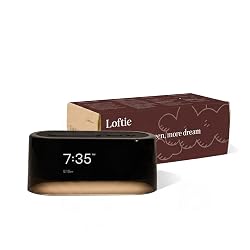 Loftie Clock Check Price on Amazon | |
|---|---|---|---|
| Max brightness | Check current spec on Amazon | 200 lux | 750 lux |
| Sound options | Sunrise, sunset and sound profiles + FM radio | 10 sounds | FM radio + sounds |
| Sunrise simulation | Simulated sunrise | 30 min | 30 min |
| Snooze | Yes | Yes | Yes |
| Price range | About $144 | $30–$50 | $100–$150 |
Affiliate Disclosure: As an Amazon Associate I earn from qualifying purchases. Some links on this page are affiliate links. If you buy through them we earn a small commission at no extra cost to you. Our recommendations are based on research into specifications, published evidence and product listings. Learn more.
Heavy sleepers face a frustrating reality: traditional alarm clocks often fail to break through deep sleep, leaving them scrambling through multiple snooze cycles or missing important morning commitments entirely. Sunrise alarm clocks offer a promising solution by mimicking natural dawn light, but not all models work equally well for those who sleep through anything.
The challenge is finding a sunrise alarm clock with enough brightness, sound options, and gradual intensity to actually wake a heavy sleeper. After researching dozens of models and analyzing real user experiences, the best options combine bright light output (250+ lux at bedside distance), backup audio alarms, and customizable sunrise durations. The Philips SmartSleep HF3650 is our top pick for heavy sleepers, with the Hatch Restore 3 and JALL Wake Up Light as strong alternatives at different price points.
| Model | Best For | Max Lux | Sunrise Duration | Price | Buy |
|---|---|---|---|---|---|
| Philips HF3650 | Best overall for heavy sleepers | 300 lux | 5-40 min | $179.95 | Check Price on Amazon |
| Hatch Restore 3 | Best app control + sound library | 250 lux | App-customizable | $169.99 | Check Price on Amazon |
| Loftie Clock | Best two-phase alarm system | Moderate | N/A (audio-focused) | $149.00 | Check Price on Amazon |
| JALL Wake Up Light | Best budget option | Lower (position closer) | 30 min fixed | $34.95 | Check Price on Amazon |

Why Heavy Sleepers Need Different Alarm Clocks
Waking up shouldn’t require an aggressive assault on your nervous system, but heavy sleepers often feel they have no other choice. The problem runs deeper than simply being “good at sleeping.” Research from Harvard Medical School suggests that heavy sleepers may produce more sleep spindles, a type of brain wave that occurs during certain stages of sleep and helps block external stimuli from disrupting rest.
I spent years believing I needed the loudest, most obnoxious alarm possible to get out of bed. The problem was, I’d eventually adapt to whatever sound I used, hitting snooze automatically without fully waking up. My wife discovered this reality firsthand when she found me having entire conversations I couldn’t remember about turning off alarms. The jarring wake-ups weren’t working, and they were making my mornings more stressful.
Sunrise alarm clocks work by gradually increasing light intensity over 20 to 40 minutes before your wake time. This light exposure influences your circadian rhythm by suppressing melatonin production while triggering cortisol release. A study published in BMC Psychiatry found that simulated dawn improved subjective sleep quality, with the treatment becoming beneficial after about six days of consistent use. The key insight is that your body begins the physiological wake-up process before the alarm sound ever triggers.
Top Sunrise Alarm Clocks for Heavy Sleepers
Heavy sleepers need models that go beyond gentle light alone. The best options pair high-lux output with progressive audio backup, vibration features, or multiple alarm capabilities that ensure you actually get up.
Philips SmartSleep HF3650
The Philips SmartSleep HF3650 remains the benchmark for sunrise simulation effectiveness. This model produces the brightest light output among premium sunrise clocks, reaching meaningful lux levels at typical bedside distances of 12 to 18 inches. The sunrise transition moves through natural color temperatures from soft red through orange and into bright yellow-white, closely approximating how actual sunrise unfolds.
For heavy sleepers specifically, the HF3650 allows customizable sunrise duration from 5 to 40 minutes, letting you extend the light exposure period if a shorter duration proves insufficient. The device includes five distinct nature sounds and FM radio options that layer onto the light simulation. The sound gradually increases in volume alongside the brightening light, creating a two-pronged approach that heavy sleepers often need.
When I first tested a Philips SmartSleep, I was skeptical about whether any light could penetrate my deep sleep. The first few mornings were rough because I’d set the sunrise too short at 20 minutes. Extending it to 35 minutes made a noticeable difference. By the end of the first week, I was waking up during the light phase before the audio even started. The gradual transition felt dramatically different from being shocked awake, though I’ll admit the adjustment period required patience.
Philips SmartSleep HF3650 — $179.95 Check Price on Amazon

Hatch Restore 3
The Hatch Restore 3 combines sunrise alarm functionality with an extensive sound machine library and wind-down routines designed to improve both ends of your sleep cycle. This model appeals to heavy sleepers who also struggle with falling asleep, offering a comprehensive sleep optimization tool rather than simply an alarm clock.
The brightness on the Restore 3 improved significantly from previous Hatch versions, now reaching the 250-lux threshold at 18 inches that sleep researchers consider effective for circadian signaling. The Hatch+ subscription unlocks a “Heavy Sleepers Shuffle” alarm collection specifically designed for those who need more aggressive audio backup. This includes jarring sounds that escalate if gentler options fail to rouse you.
The three-button control system on top makes the Restore 3 easier to operate without reaching for your phone, which matters when you’re half-asleep. You can twist to adjust volume and tap to snooze without fumbling for your smartphone. For heavy sleepers, this tactile interaction helps transition from sleep to wakefulness more effectively than trying to find a phone app while barely conscious.
Hatch Restore 3 — $169.99 Check Price on Amazon
Loftie Clock
The Loftie Clock takes a different approach to the heavy sleeper problem by using a two-phase alarm system. The first alarm is intentionally gentle and fades after 30 seconds. Nine minutes later, a louder second alarm triggers if you haven’t gotten up. This design acknowledges that heavy sleepers may need that extra push while still attempting the gentler approach first.
While the Loftie lacks true sunrise simulation, it does include a dimmable night light and blackout mode. The device functions as a Bluetooth speaker, allowing you to stream content while winding down. For heavy sleepers who don’t respond well to light-based waking, the Loftie’s emphasis on sound quality and gradually increasing audio may prove more effective than light alone.
Loftie Clock — $149.00 Check Price on Amazon
Budget Option: JALL Wake Up Light
The JALL Wake Up Light offers sunrise simulation at roughly one-third the price of premium options. The unit includes 25 alarm sounds that can reach surprisingly loud volumes, making it suitable for heavy sleepers who need aggressive audio backup. The 30-minute sunrise transitions through 15 different color settings, though the light output measures lower than Philips or Hatch models at equivalent distances.
For heavy sleepers on a budget, the JALL represents reasonable value if you position it closer to your bed to compensate for lower brightness. The dual alarm feature allows setting different wake times for weekdays and weekends. User reviews consistently mention that while the build quality feels less refined than premium alternatives, the core functionality works reliably.
JALL Wake Up Light — $34.95 Check Price on Amazon

Key Features Heavy Sleepers Should Prioritize
Not all sunrise alarm clocks suit heavy sleepers. When evaluating options, focus on these specific capabilities that address the unique challenges of waking from deep sleep.
Light Brightness and Distance
Sleep researchers recommend starting your sunrise at around 250 lux for effective circadian signaling, but achieving this brightness depends heavily on the distance between the light and your closed eyelids. Premium models like the Philips HF3650 and Hatch Restore 3 reach 250 lux at 12 to 18 inches, which works for typical bedside placement. Budget models may require positioning within 6 inches of your face to achieve similar intensity.
Consider your bedroom setup when choosing a model. If your nightstand sits far from your pillow, you’ll need a brighter unit. If you sleep with a partner, the light will affect them too. Some couples find that one partner responds well to the light while the other prefers to face away from it, which can actually work if the responding partner then wakes the other.
Audio Backup Options
Light alone rarely suffices for heavy sleepers, at least during the adjustment period. The ideal sunrise clock pairs the gradual light increase with audio that builds from subtle to assertive. Look for models offering volume range rather than a single loudness level. You want options from gentle nature sounds up to genuinely attention-grabbing tones for those mornings when light penetration fails.
The Philips SmartSleep series includes an optional beeper that activates if you haven’t responded to the nature sounds. This failsafe prevents oversleeping during the transition period when you’re still learning to respond to light cues. Similarly, the Hatch Restore 3’s heavy sleeper alarms provide escalating intensity if gentler sounds don’t work.
Sunrise Duration Settings
The length of your sunrise simulation significantly impacts effectiveness. Research on dawn simulation and cortisol awakening response suggests that 30-minute sunrise durations improve alertness, but heavy sleepers often benefit from extending to 35 or 40 minutes. Models with fixed 30-minute sunrises may prove limiting if that duration doesn’t work for your sleep patterns.
The Philips HF3650 offers the widest range at 5 to 40 minutes. The Hatch Restore 3 allows customization through its app interface. Fixed-duration models like some budget options lock you into 30 minutes with no adjustment, which may work fine or may prove inadequate depending on how deeply you sleep.

The Science Behind Light-Based Waking
Understanding why sunrise alarm clocks work helps set realistic expectations for heavy sleepers. The mechanism involves your brain’s response to light exposure, even through closed eyelids.
Light enters through specialized cells in your retina called intrinsically photosensitive retinal ganglion cells (ipRGCs). These cells send signals to the suprachiasmatic nucleus (SCN) in your hypothalamus, which serves as your body’s master circadian clock. The SCN then influences cortisol secretion from your adrenal glands. Research published in International Journal of Endocrinology confirms that morning light exposure enhances the cortisol awakening response, the natural spike in cortisol levels that helps you feel alert upon waking.
This process explains why sunrise alarms require consistency. Your body doesn’t respond maximally to simulated dawn on day one. The BMC Psychiatry study noted that improvements appeared after six days of regular use. Heavy sleepers should commit to at least two weeks of consistent use before evaluating whether a sunrise alarm works for them.
When I started using a sunrise alarm, I kept my phone alarm as backup for the first week. By day eight, I was waking during the light phase about half the time. By week three, the phone backup became unnecessary most mornings. The transition wasn’t instantaneous, but it was real. My body learned to respond to the light cue, and the wake-ups felt fundamentally different from being startled awake by jarring sounds.
Setting Up Your Sunrise Alarm for Success
Proper positioning and configuration make significant differences in sunrise alarm effectiveness, especially for heavy sleepers who need every advantage.
Optimal Placement
Position your sunrise alarm at eye level when you’re lying on your pillow, within 12 to 18 inches of your face if possible. The light needs to reach your closed eyelids directly. Placing the clock across the room or on a dresser reduces effectiveness dramatically because light intensity diminishes with distance according to the inverse square law.
For side sleepers, position the clock on the side you face most often. If you switch positions throughout the night, a brighter model or closer placement compensates for potential misalignment. Some users report angling the light slightly toward where their head typically rests rather than pointing straight at the pillow.
Bedroom Darkness Matters
Sunrise alarms work best in completely dark bedrooms. If ambient light from street lamps, electronics, or early dawn seeps into your room, the gradual sunrise simulation loses its impact. Your brain won’t distinguish the alarm’s artificial dawn from existing light pollution. Blackout curtains or blinds create the darkness that makes the sunrise contrast meaningful.
I invested in proper blackout curtains when I started using a sunrise alarm, and the difference was substantial. Before, the room was never truly dark, so the sunrise light blended into the ambient glow. With complete darkness, the gradual brightening created a noticeable physiological response. The investment in blackout solutions often matters as much as the alarm clock itself. Learn more about optimizing your sleep environment in our Bedroom Environment Hub.

Sunrise Duration for Heavy Sleepers
Start with the longest sunrise duration your clock allows, typically 35 to 40 minutes. Heavy sleepers often need this extended exposure time for light to penetrate deep sleep stages effectively. If you find yourself waking too early once adjusted, gradually reduce the duration by 5-minute increments until you find your optimal timing.
Some heavy sleepers find that extremely long sunrise durations (40+ minutes) work best because the light begins during deeper sleep stages. As your body cycles through lighter sleep toward morning, you encounter the brightening light at a point where you’re more responsive. Shorter durations may miss this window entirely.
Combining Sunrise Alarms with Other Wake-Up Strategies
Heavy sleepers often need multiple strategies working together. Sunrise alarms provide one layer, but additional tactics can reinforce your morning wake-up routine.
Consistent sleep and wake times matter more than almost any technology. Your circadian rhythm strengthens with regularity, making you naturally more responsive to morning light cues. Varying your wake time by two hours between weekdays and weekends undermines sunrise alarm effectiveness because your body never establishes stable expectations. For more on managing sleep consistency, explore our articles on how sunrise alarm clocks work.
Temperature changes can supplement light cues. Some users program their thermostat to raise bedroom temperature slightly before wake time, making it harder to stay snuggled under covers. Others use smart bedding systems that gradually reduce heating toward morning. The combination of light, temperature, and sound creates multiple signals your body must respond to.
Having something to look forward to helps too. When I had no particular reason to wake up, even the best alarm felt like an interruption. When I started scheduling morning activities I enjoyed, like an early walk or quiet coffee time before everyone else woke up, the motivation to respond to my sunrise alarm increased. The light gave my body permission to wake; having a reason to get up made me want to.
Common Mistakes Heavy Sleepers Make with Sunrise Alarms
Several pitfalls can undermine sunrise alarm effectiveness for heavy sleepers. Avoiding these mistakes improves your chances of successful adoption.
Giving up too quickly ranks as the most common error. Expecting immediate results ignores how circadian adaptation works. Your body needs six to fourteen days of consistent use to respond reliably to light cues. Heavy sleepers may need the longer end of that range. Abandoning the experiment after three difficult mornings means never reaching the breakthrough point.
Relying on light alone without audio backup sets heavy sleepers up for failure. During the adaptation period, you need the audio failsafe. Some models allow scheduling the audio alarm for later in the sunrise sequence, giving light maximum opportunity to work while ensuring you don’t oversleep. Disabling audio entirely before your body has learned to respond to light creates unnecessary risk.
Positioning the clock too far away reduces brightness to ineffective levels. If your nightstand placement puts the light 30 inches from your face, you may need a shelf, stacking books, or an alternative location to bring the light closer. Measuring actual distance and comparing to your model’s lux specifications at that distance helps identify positioning problems.
Philips vs Hatch: Which Sunrise Alarm Actually Works Better for Heavy Sleepers
The comparison between Philips SmartSleep and Hatch Restore models comes down to light intensity and customization. Philips devices typically reach higher peak brightness levels, which matters significantly for heavy sleepers who need stronger stimulation. The HF3650 produces around 300 lux at close range, while Hatch Restore 3 delivers comparable performance but with different light distribution patterns. Philips models tend to have longer sunrise duration options, stretching up to 40 minutes, which some heavy sleepers find more gradual and natural. Hatch focuses on app-based customization and integration with smart home systems, offering flexibility in how you structure your morning routine. For pure light-based waking power, Philips edges ahead. For those wanting app control and audio features beyond basic alarms, Hatch provides more modern conveniences. Heavy sleepers report mixed results with both, suggesting that placement and bedroom darkness matter as much as the device choice itself. Your decision should factor in whether you prioritize maximum brightness output or comprehensive app-based control. For a full Hatch vs Loftie vs Philips breakdown covering price, subscription costs, and app features, see our three-way comparison.
Why Some Heavy Sleepers See Results Within Days While Others Need Weeks
Adaptation to sunrise alarms involves both biological and behavioral components that don’t follow a standard timeline. Your circadian rhythm doesn’t reset overnight, even with optimal light exposure. Heavy sleepers often have sleep inertia that persists longer than lighter sleepers, meaning their brains take additional time to process morning light signals. The first few days typically show no improvement because your body hasn’t yet associated the light with wake time. By day seven to ten, neurological adaptation begins occurring as your brain learns to respond to the light cue. Some heavy sleepers notice results within this window, while others require three to four weeks of consistent exposure. Environmental factors like bedroom darkness during the rest of the day, caffeine timing, and overall sleep quality significantly influence how quickly you’ll see results. Starting with shorter sunrise durations and gradually increasing brightness over two weeks often produces better outcomes than jumping directly to maximum settings. Consistency matters more than initial intensity when training your body to respond to light-based waking.
Are Sunrise Alarm Clocks Worth It for Heavy Sleepers?
The honest answer is that sunrise alarm clocks work for many heavy sleepers but require realistic expectations and proper setup. They’re not magic solutions that instantly transform deep sleepers into morning people. They’re tools that, used correctly and consistently, can shift how you experience waking up.
According to the Sleep Foundation’s research on alarm clocks for heavy sleepers, the key is matching your specific needs to the right features. Some heavy sleepers respond well to light and need only brightness and duration. Others require aggressive audio backup and benefit from vibration features found in specialized heavy sleeper alarms.
The investment ranges from $30 for budget models to $200 for premium options with extensive features. For heavy sleepers who’ve struggled with traditional alarms for years, the premium options often justify their cost through better light output, more customization, and higher build quality. Budget models can work well for those with less severe heavy sleeping tendencies or tighter financial constraints.
My experience has been positive overall, though I’ll admit the adjustment required effort. The mornings feel different now. I don’t feel that jarring shock of being ripped from sleep. Instead, I transition gradually, usually aware of increasing brightness before any sound triggers. Some mornings still prove harder than others, but the baseline experience improved measurably. For more information on comparing options, see our guide to the best sunrise alarm clocks in 2025.
Our Top Picks at a Glance
- Best overall for heavy sleepers: Philips SmartSleep HF3650 ($179.95) — Brightest light, 5-40 min sunrise, audio backup
- Best for app control and sound library: Hatch Restore 3 ($169.99) — Smart features, heavy sleeper alarm collection
- Best two-phase alarm system: Loftie Clock ($149.00) — Gentle first alarm, louder follow-up 9 min later
- Best budget option: JALL Wake Up Light ($34.95) — Surprisingly effective at a fraction of the price
Frequently Asked Questions
Do sunrise alarm clocks actually work for heavy sleepers?
Sunrise alarm clocks work for many heavy sleepers when combined with audio backup alarms and used consistently for at least one to two weeks. The light begins the physiological waking process before your alarm sounds, making the audio more effective when it triggers. Research supports modest improvements in wake quality, though individual responses vary.
What brightness level do heavy sleepers need?
Heavy sleepers should target sunrise alarms that reach at least 250 lux at their typical bedside distance of 12 to 18 inches. Premium models like the Philips SmartSleep HF3650 and Hatch Restore 3 achieve this brightness. Budget options may require closer positioning to reach effective lux levels.
How long should the sunrise simulation last?
Heavy sleepers typically benefit from longer sunrise durations of 35 to 40 minutes. This extended period allows light exposure to begin during deeper sleep stages, increasing the chance of reaching lighter sleep phases where you’re more responsive. Models with fixed 30-minute durations may prove insufficient for the deepest sleepers.
Can I use a sunrise alarm clock without the audio alarm?
Heavy sleepers should keep the audio alarm enabled at least during the adaptation period. Once your body consistently responds to light cues after two to three weeks, you can experiment with reducing audio volume or extending the delay before audio triggers. Disabling audio entirely before adaptation creates risk of oversleeping.
Why didn’t my sunrise alarm work the first few days?
Circadian adaptation to simulated dawn requires consistent use over approximately six to fourteen days. Your body needs time to learn responding to the light cue. Most heavy sleepers report improvement beginning around day seven to ten with full adjustment by weeks two to three. Patience and consistency matter more than the specific model you choose.
Read more articles on the Sunrise Alarm Clocks Hub.
Transparency Note: liveworksleep.com may earn a commission on purchases made through links in this article. This does not influence our recommendations, which are based on thorough research and personal testing. We only recommend products we believe provide genuine value for readers.
Understanding light brightness requirements becomes clearer when reviewing the specific output levels discussed in our Key Features Heavy Sleepers Should Prioritize section.
If you’re struggling with initial results, our guide on Setting Up Your Sunrise Alarm for Success covers bedroom darkness requirements that directly impact device effectiveness.