Do Sunrise Alarm Clocks Work? Science and Real Experience
Affiliate Disclosure: As an Amazon Associate I earn from qualifying purchases. Some links on this page are affiliate links. If you buy through them we earn a small commission at no extra cost to you. Our recommendations are based on research into specifications, published evidence and product listings. Learn more.
Quick Picks


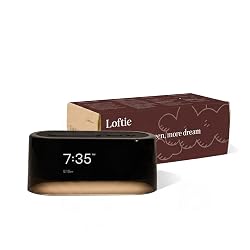
Quick picks: JALL Wake Up Light → | Philips SmartSleep Wake-Up Light → | Philips HF3500 →
You’ve probably scrolled past ads promising that waking to artificial sunrise will transform your mornings. Perhaps you’ve wondered if gradual light could replace that jarring phone alarm. I’ve tested various wake-up methods over the years, including a breathing light device that projected pulsating circles on my ceiling. The promise was appealing: synchronize your breathing, ease into wakefulness, wake refreshed. But the real question isn’t whether the technology exists; it’s whether sunrise alarm clocks actually deliver meaningful improvements to your sleep and wake experience.

The answer is more nuanced than marketing suggests. Research shows that sunrise simulation can improve sleep quality and ease morning grogginess for some people, but the effects are modest and the science reveals important limitations. After a decade managing anxiety-driven insomnia, I’ve learned that no single device solves sleep problems. What matters is understanding how these clocks work, who benefits most, and setting realistic expectations about what they can and cannot do.
The Science Behind Sunrise Simulation
Sunrise alarm clocks work by mimicking dawn’s gradual brightening. Most devices begin emitting dim light 30 to 60 minutes before your target wake time, progressively increasing to peak brightness when you need to get up. The underlying principle connects to your circadian rhythm, the internal biological clock that regulates sleep-wake cycles throughout each 24-hour period.
Your circadian system responds powerfully to light exposure, particularly in the hours surrounding your normal wake time. Light entering through your eyelids triggers physiological changes even during sleep, including the gradual release of cortisol and suppression of melatonin, both crucial for the transition from sleep to alertness. Morning light exposure can shift your circadian phase approximately one hour earlier per day, while evening light delays it by up to two hours per day.
The science dates back to the 1980s, when researchers at Columbia University conducted clinical trials on dawn simulation following laboratory research showing that animal circadian rhythms were exquisitely sensitive to gradual dawn signals. Modern sunrise alarm clocks attempt to replicate this natural phenomenon using LED light sources that range from 100 to 300 lux at peak brightness, considerably dimmer than the 10,000 lux used in bright light therapy boxes.

I’ve spent years prioritizing morning walks for my circadian health. Even 20 minutes of early outdoor exposure, ideally 1 to 1.5 hours of walking throughout the day, proved powerful for maintaining consistent sleep patterns. Natural sunlight delivers significantly higher lux levels than any artificial device, which raises an important question: can manufactured dawn truly substitute for the real thing?
What Research Actually Shows About Effectiveness
A 2003 community-based trial published in BMC Psychiatry provides perhaps the most comprehensive data on sunrise alarm effectiveness in a non-clinical population. Researchers provided 100 volunteers with dawn simulators over an eight-week period during Finnish winter, when sunrise occurred as late as 9:16am. The study used the Groningen Sleep Quality Scale to measure subjective sleep improvements.
The results showed that quality of sleep improved while subjects used dawn simulator devices, with the treatment becoming beneficial after six days of consistent use. However, the improvement was modest, averaging 1.7 points on the scale after two weeks. Importantly, the effect did not persist after participants stopped using the devices, suggesting that sunrise alarms provide acute rather than lasting benefits.
More recent research reinforces both the promise and limitations. A 2020 study on medical students found that a two-week sunrise alarm protocol combined with removing electronic devices at bedtime resulted in improvements in subjective sleep quality, sleep duration, sleep latency, and sleep efficiency. The largest effects appeared in subjective sleep quality and global sleep measures, both showing very large effect sizes.
However, this study acknowledged a critical limitation: without a proper control group, researchers could not determine whether improvements came from the sunrise alarm specifically, removal of smartphones at bedtime, a combination of both, or other factors entirely. The confounding bias problem illustrates why evaluating sunrise alarm effectiveness remains challenging.
Research on cortisol awakening response shows mixed results. A 2004 study found significant increases in cortisol at 15 and 30 minutes post-waking in subjects using dawn simulation. However, a larger 2010 study involving 16 subjects failed to find significant cortisol differences between groups using 30 minutes of dawn simulation versus those using only post-wake bright light.

The most consistent finding across multiple studies involves sleep inertia, that foggy, sluggish feeling immediately after waking. Research demonstrates that gradual light exposure eases this transition, improving alertness, reaction time, and mental clarity within the first hour of waking. When you wake more gently, you spend less time in that half-asleep state that makes mornings feel particularly difficult.
One surprising finding from research: dawn simulation peaking at just 250 lux appeared as effective at phase-shifting participants’ circadian rhythms as 10,000 lux after waking. This likely relates to the timing of the phase response curve to light, which shows maximum sensitivity during the two-hour window before awakening. As morning progresses and sensitivity declines, greater light exposure becomes necessary to achieve similar effects.
Who Benefits Most From Sunrise Alarms
Sunrise alarm clocks appear most beneficial for specific populations and situations. People with seasonal affective disorder (SAD) represent the most extensively studied group. Multiple controlled trials demonstrate that dawn simulation helps alleviate SAD symptoms, though research comparing it to standard bright light therapy shows mixed results. Some studies find dawn simulation superior, others show no difference, and still others indicate that bright light therapy works better.
I sleep better during winter months in the Northern Hemisphere, when cooler temperatures align with my preference for rooms no warmer than 20°C. However, many people experience the opposite pattern, struggling with winter’s shorter photoperiod and reduced natural light exposure. For these individuals, sunrise lights may work particularly well in climates, seasons, or rooms that don’t receive much morning sunlight.
Night owls, those who naturally prefer staying up later and waking later, also show promising responses. A 2018 study suggested that sunrise alarms help people with delayed sleep phase tendencies by supporting earlier wake times without the jarring disruption of standard alarms. However, effectiveness depends heavily on consistent usage and realistic scheduling that accounts for natural chronotype rather than fighting against it completely.

People using blackout curtains or living in environments with minimal morning light gain the most obvious benefit. I maintain absolute pitch black in my bedroom using both blackout blinds and curtains, which creates ideal sleep conditions but eliminates natural dawn signals entirely. An artificial sunrise becomes the only light-based wake cue available.
Shift workers represent another population where sunrise alarms show particular promise. By providing a consistent light signal regardless of actual time of day, these devices can help reset circadian rhythms for night duty, potentially reducing the grogginess and disorientation that accompany irregular schedules. The key lies in matching light exposure timing to the desired sleep-wake schedule rather than the solar day.
Who likely won’t benefit? People whose primary sleep issue stems from sleep apnea, restless legs syndrome, or other medical conditions that disrupt sleep architecture regardless of wake method. Those with normal, consistent exposure to natural morning light may find the additional artificial dawn redundant. And anyone whose bedroom already receives significant natural light during their final sleep hours probably won’t notice substantial improvements from a dawn simulator.
Practical Considerations and Limitations
Real-world effectiveness depends significantly on proper setup and usage. The sunrise alarm must be positioned correctly: close enough that light reaches your eyes with sufficient intensity (typically 30 to 50 centimeters away), but angled so it doesn’t shine directly into your face, which most people find uncomfortable rather than soothing. Placement on a nightstand at eye level when lying down works best for most users.
Light intensity matters. Research typically uses devices set between 100 and 300 lux at peak brightness, but many commercial products offer adjustable settings. Too dim and the light fails to trigger physiological responses; too bright and it may wake you prematurely or feel harsh. Finding the optimal level requires experimentation over several days.
The gradual ramp duration also requires consideration. Most studies use 30-minute sunrise simulations, but some devices offer settings from 10 to 60 minutes. Faster ramps may reduce effectiveness by failing to provide the gentle transition that eases sleep inertia, while very slow progressions might not reach sufficient brightness before your target wake time.
Spectral composition presents an interesting question. Traditional sunrise colors transition from red-orange to yellow, mimicking natural dawn. However, research suggests that blue light has the most powerful impact on circadian rhythm regulation. Morning light exposure containing appropriate wavelengths can shift circadian timing more effectively than other colors. Some modern devices offer both options, allowing users to prioritize either naturalistic experience or maximum physiological effect.
I’ve tried blue light glasses in the past year, wearing them to potentially reduce evening light exposure’s impact on sleep. My honest assessment? Don’t make things worse, but I’m not sure if they improve things either. This uncertainty extends to many light-based interventions: the gap between theoretical mechanisms and measurable real-world benefits can be surprisingly large.

Cost-benefit analysis matters. Quality sunrise alarm clocks range from budget options around $30 to premium models exceeding $200. Features vary widely: some include nature sounds, sunset simulation for easier sleep onset, radio capabilities, and smartphone connectivity. For someone struggling with winter mornings in a dark climate, the investment might prove worthwhile. For others, simply opening curtains or using a basic timer to turn on bedroom lights might achieve similar results at no additional cost.
Consistency creates the primary challenge. Research shows benefits appear after approximately six days of daily use and disappear when usage stops. This requires commitment to using the device every single day, including weekends, and maintaining relatively consistent sleep-wake schedules. For people with highly variable schedules or those who travel frequently, this consistency becomes difficult to maintain.
Setting Realistic Expectations
The most important thing I’ve learned about sleep over ten years of managing anxiety-driven insomnia is that acceptance matters more than optimization. Getting upset about not sleeping is like getting upset that it’s raining outside. There’s just no point. This principle applies equally to wake-up methods: sunrise alarms can improve mornings modestly for some people, but they won’t transform you from someone who hates mornings into someone who bounds out of bed energized.
Research clearly establishes that sunrise alarm effectiveness is modest. The 2003 Finnish study found a 1.7-point improvement on a 14-point scale after two weeks. That’s meaningful but not dramatic. A recent 2025 analysis noted that while sunrise alarms offered some benefit to all participants, the benefit carried more weight for some than others. Mood and grogginess didn’t change drastically for everyone, though some people felt their overall circadian rhythm became more synchronized.
The placebo effect likely plays a role. When you spend $100 on a device specifically to improve your mornings, you naturally pay more attention to how you feel and may interpret small changes more positively. This doesn’t invalidate benefits, but it suggests that expectations influence perceived effectiveness. If sunrise alarms help you wake more pleasantly because you believe they will, that belief represents part of their therapeutic value.
Consider sunrise alarms as one tool among many for better sleep and wake experiences. They work best when combined with other evidence-based practices: consistent sleep schedules, adequate sleep duration, appropriate bedroom environment (cool, dark, quiet), limited evening screen time, and morning light exposure beyond just the alarm clock. Learn more about choosing the right sunrise alarm clock for your needs if you decide this approach might benefit your situation.
The breathing light device I tested proved interesting and relaxing, but I can’t claim it revolutionized my sleep. Similarly, sunrise alarms show promise for specific situations and individuals while falling short of the transformative claims often made in marketing. They reduce morning grogginess slightly, may help with seasonal mood variations, and provide a gentler wake experience than jarring phone alarms. For some people, particularly those with SAD, minimal morning light exposure, or delayed sleep phases, these modest benefits justify the investment. For others, they represent an expensive solution to a problem better addressed through simpler interventions like scheduling outdoor morning walks or opening bedroom curtains before bed.
If you’re considering a sunrise alarm clock, approach the decision pragmatically. Ask yourself: Do I struggle specifically with morning grogginess and difficulty waking? Do I sleep in a very dark room or during seasons with minimal morning light? Am I willing to use the device consistently every day for at least two weeks before evaluating effectiveness? If the answers lean toward yes, a sunrise alarm might provide noticeable improvements. If your mornings feel fine already or your sleep issues stem from deeper problems like untreated sleep disorders or chronic sleep restriction, focus energy and resources on addressing those fundamental issues first. For specific comparisons between popular models, explore our Hatch versus Philips sunrise alarm analysis to understand feature differences.
When evaluating whether sunrise alarms work, the honest answer is: somewhat, for some people, in some situations. That’s less exciting than promising morning transformation, but it’s far more useful for making informed decisions about your sleep health. The research supports cautious optimism paired with realistic expectations and understanding that individual responses vary considerably. Our guide to budget-friendly sunrise alarm options can help you test this approach without significant financial commitment.
Read more articles on the Sunrise Alarm Clocks Hub.
About the Author
Scott Hilliard is the founder of liveworksleep, bringing a decade of lived experience managing anxiety-driven insomnia. After years of trial and error with products, techniques, and professional consultations, Scott developed practical insights into what actually works for sleep optimization versus what simply sounds good in marketing. His analytical approach combines personal testing with research-backed recommendations to help readers make informed decisions about their sleep health.
Check current prices on Amazon: JALL Wake Up Light → | Philips SmartSleep Wake-Up Light → | Philips HF3500 →
Transparency Note
liveworksleep.com is reader-supported. When you buy through links on our site, we may earn an affiliate commission at no cost to you. We only recommend products we’ve researched thoroughly or tested personally. Our editorial content remains independent of affiliate relationships.
Medical Disclaimer
This article provides general information about sleep and wellness topics. It is not medical advice and should not replace consultation with qualified healthcare professionals. If you experience persistent sleep difficulties, daytime fatigue, or symptoms affecting your quality of life, consult a sleep specialist or your primary care physician for proper evaluation and treatment.