Hatch vs Loftie vs Philips: Which Smart Alarm Clock Is Worth Your Money?
Affiliate Disclosure: As an Amazon Associate I earn from qualifying purchases. Some links on this page are affiliate links. If you buy through them we earn a small commission at no extra cost to you. Our recommendations are based on research into specifications, published evidence and product listings. Learn more.
Quick Picks
Researching the dedicated smart alarm market reveals three dominant options: Hatch Restore, Loftie Clock, and Philips SmartSleep. Examining all three in depth reveals what separates genuinely helpful wake-up technology from overhyped bedroom gadgets.
Smart alarm clocks promise gentle wake-ups through gradual light and sound, theoretically aligning with your circadian rhythm rather than jolting you awake. Research from BMC Psychiatry found that simulated dawn improved subjective sleep quality in 77 participants, with benefits appearing after six days of consistent use. The effect was modest but measurable, suggesting these devices offer real physiological benefits beyond placebo. However, the study also revealed that not everyone responds equally to dawn simulation, and the effectiveness depends on factors like light intensity, placement, and individual sleep patterns.
The challenge isn’t whether sunrise alarm clocks work in principle. It’s determining which device delivers the best combination of effective light therapy, useful features, and actual value. At price points ranging from $79 to $199, these aren’t impulse purchases. Each takes a different philosophical approach: Hatch emphasizes comprehensive sleep routines with subscription content, Loftie focuses on phone-free simplicity with offline functionality, and Philips prioritizes clinically proven sunrise simulation without recurring costs. The right choice depends less on which device has the most features and more on which approach fits your specific wake-up struggles.
| Model | Price | Sunrise Quality | Sound | App Control | Buy |
|---|---|---|---|---|---|
| Hatch Restore 3 | $169.99 | Excellent (250 lux) | 100+ sounds, Hatch+ library | Full app control | Check on Amazon |
| Loftie Clock | $149.00 | No true sunrise | Two-phase alarm, Bluetooth | App + physical buttons | Check on Amazon |
| Philips HF3650 | $179.95 | Best (300 lux) | Nature sounds + FM radio | No app (standalone) | Check on Amazon |

Understanding the Three Contenders
The Hatch Restore (current version is Restore 3, though Restore 2 remains widely available) positions itself as a complete sleep solution rather than just an alarm clock. Priced at $199.99 for the Restore 3, it combines sunrise/sunset simulation, white noise machine, guided meditations, and customizable sleep routines controlled via smartphone app. The optional Hatch+ subscription ($4.99/month or $49.99/year) unlocks an expanding content library including sleep stories, extended soundscapes, and exclusive bedtime routines. Hatch targets users seeking a holistic approach to sleep improvement, marketing the device as a bedroom centerpiece that handles evening wind-down and morning wake-up within a single ecosystem.

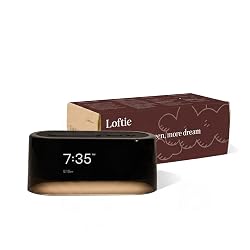
Loftie Clock sells for $149 and takes an explicitly anti-phone stance, designed to keep smartphones out of the bedroom entirely. It features a two-phase alarm system (gentle chime followed by louder tone), over 100 free built-in sounds, Bluetooth speaker functionality, and a warm nightlight. Critically, Loftie works fully offline once set up, requiring no ongoing WiFi connection. The optional Loftie+ subscription ($5.99/month) adds custom wind-down routines and extended audio content, but core functionality remains robust without it. Loftie appeals to digital minimalists prioritizing device independence and straightforward operation over app-based customization.
Philips SmartSleep offers multiple models ranging from the budget HF3500 ($79.95) to the premium HF3650 ($179.95), with the mid-tier HF3520 ($99-139) representing the sweet spot for most users (see our Philips SmartSleep wake-up light review for full details). Unlike its competitors, Philips requires no smartphone app and charges no subscription fees. The company emphasizes clinical validation, citing multiple peer-reviewed studies demonstrating that their sunrise simulation improves waking quality, mood, and cortisol response. Philips targets pragmatic buyers who want proven light therapy without digital complexity or recurring costs. All three models offer FM radio, natural alarm sounds, and tap-to-snooze functionality, with higher-end versions adding sunset simulation and adjustable sunrise duration.

Price, Value, and Long-Term Costs
Evaluating sleep products on total ownership cost over two years, rather than just upfront price, gives a clearer picture of value. The Hatch Restore 2 at $169.99 plus the almost mandatory Hatch+ subscription ($49.99/year) totals $269.97 over 24 months. The Restore 3 at $199.99 pushes that to $299.97. Most users find the subscription essential because Hatch deliberately gates its best content behind the paywall, including sleep tracking integration, advanced soundscapes, and the “Wind Down Channels” that make evening routines genuinely useful. Without Hatch+, you’re left with basic functionality that doesn’t justify the premium hardware price.
Loftie’s $149 entry point includes 100+ sounds and full functionality without subscription pressure. The optional Loftie+ membership adds bedtime stories and extended tracks, but these feel like genuine extras rather than withheld core features. Over two years, Loftie costs $149 if you skip the subscription or $292.76 if you subscribe from day one. The difference lies in user control. Loftie works excellently as a one-time purchase, making the subscription truly optional rather than a bait-and-switch tactic disguised as “freemium” access.

Philips SmartSleep models require zero recurring costs, making them the most economically transparent option. The HF3500 at $79.95 delivers functional sunrise simulation without frills. The HF3520 at $99-139 adds superior build quality, adjustable sunrise duration, and sunset mode. The premium HF3650 at $179.95 offers the brightest output and light-guided breathing exercises. Philips frequently discounts these models during seasonal sales, with the HF3520 sometimes available at reduced prices. Over two years, a Philips device costs exactly what you paid initially, making budget planning straightforward.
The value proposition shifts dramatically when you factor in subscription fatigue. Multiple lower-cost monthly subscriptions can accumulate quickly in a household budget, and managing or canceling them adds its own overhead. Philips eliminates this friction entirely by charging no subscription fees. Hatch and Loftie force you to evaluate whether their premium content justifies ongoing payments. For some users, Hatch’s guided meditations or Loftie’s bedtime stories provide genuine value. For others, these feel like manufactured needs rather than essential features. The question isn’t whether subscriptions are inherently bad. It’s whether you want your alarm clock tied to a recurring payment model, and whether that payment unlocks functionality you’ll actually use consistently.
Sunrise Simulation Quality and Brightness
Sunrise simulation effectiveness depends on three variables: total light output (measured in lux), color temperature progression, and gradual brightness ramping. Independent testing reveals significant differences between these devices. The Philips HF3650 produces the highest lux output at close range, delivering approximately 300 lux at 18 inches. The HF3520 follows with around 250 lux at the same distance. The HF3500 outputs roughly 200 lux, which research suggests represents the minimum effective threshold for circadian impact. For context, natural outdoor light at dawn ranges from 100-400 lux, while direct sunlight exceeds 10,000 lux.
The Hatch Restore 2 and 3 produce adequate but less intense light output, with independent reviews noting that the sunrise effect works best when placed within 12-18 inches of your face. The Hatch advantage lies in color customization, offering 18+ light colors including deep reds, ambers, and purples beyond standard sunrise yellows. This appeals to users who want mood lighting flexibility, though it doesn’t necessarily improve wake-up effectiveness.
Loftie Clock lacks sunrise simulation entirely, relying instead on a subtle nightlight that brightens slightly at alarm time. This represents Loftie’s most significant limitation compared to Hatch and Philips. The two-phase alarm system compensates somewhat, using gentle sounds to ease you awake before the main alarm sounds. However, if you specifically want light-based circadian entrainment, Loftie fails to deliver. The company offers the separate Loftie Lamp ($275) for users wanting sunrise functionality, but purchasing both devices pushes total cost to $424, making this the most expensive path to combined features.

Sunrise duration matters more than most marketing suggests. Philips HF3500 uses a fixed 30-minute sunrise, which research indicates works well for average sleepers. The HF3520 and HF3650 allow customization from 20 to 40 minutes, letting you match the ramp speed to your personal sensitivity. Hatch offers similar flexibility with 15 to 60-minute sunrise options. A 30-minute sunrise is a common default that suits many sleepers, though an adjustable range is useful when sleep schedules shift. Shorter sunrises (15-20 minutes) risk feeling too abrupt, while longer ramps (45-60 minutes) can start brightening while you’re still in deep sleep, potentially disrupting rather than enhancing your wake-up.
Flicker represents a less obvious but important consideration. Independent testing revealed that the Philips HF3500 exhibits minimal flicker even when dimmed, while both the HF3520 and HF3650 show substantial flicker at 100% and 50% brightness levels. This flicker occurs at roughly 120Hz and approaches 100% modulation depth, placing it within the risk zone defined by IEEE 1789 flicker standards. Most users won’t consciously notice 120Hz flicker, but it can contribute to eye strain or headaches in sensitive individuals. Hatch devices also show some flicker, though comprehensive independent testing data remains limited. For comparison, LED lights that flicker below 10% modulation depth at frequencies above 200Hz are generally considered safe for prolonged exposure.
Sound Quality, Options, and Audio Features
When considering a move away from a phone alarm, the quality of wake-up sounds becomes an important factor. Jarring beeps spike cortisol and create negative associations with waking up. Gradual, natural sounds allow your brain to transition from sleep more gently. All three devices recognize this principle, but they implement it differently.
Philips SmartSleep models include 5-7 nature sounds depending on the model: forest birds, ocean waves, Nepal bowls, and similar options. These sounds start softly and increase gradually over 90 seconds, coordinating with the light reaching peak brightness. The sounds themselves are high-quality recordings, not synthesized approximations. Philips also includes FM radio functionality, letting you wake to your preferred morning station if you prefer talk radio or music over nature sounds. The tap-anywhere snooze function adds 9 minutes before the sound restarts, a duration that research suggests minimizes sleep inertia while still providing brief respite.
Hatch Restore offers the most extensive sound library, though much of it sits behind the Hatch+ subscription paywall. Free options include basic white noise, brown noise, and a handful of nature sounds. The subscription unlocks sleep stories, guided meditations, ASMR content, “drowsy piano,” and an expanding catalog of bedtime audio. Sound quality is excellent, with crisp recordings that don’t feel compressed or artificial. Hatch also functions as a Bluetooth speaker, though the value of streaming music through a bedside alarm clock is debatable given that most smartphones produce comparable or superior audio.

Loftie includes 100+ sounds out of the box with no subscription required, a genuinely impressive library for a device at this price point. Options span white noise variations, nature soundscapes, guided breathwork, and stretching routines. The two-phase alarm system represents Loftie’s unique audio approach: a gentle chime plays first, fading after 30 seconds. Nine minutes later, energizing melodies begin if you haven’t turned off the alarm. This graduated system reduces the shock of traditional alarms while still ensuring you actually wake up. Loftie also functions as a Bluetooth speaker and includes offline functionality, meaning sounds play even without WiFi connection after initial setup.
Research and independent reviews suggest that sound quality differences between sleep devices matter less than marketing implies. A $20 white noise machine produces functionally identical masking effects to a $150 device playing the same frequencies. What matters is variety (so you don’t develop habituation), volume control (so you can match your environment), and reliability (so the device doesn’t fail at 3am). All three alarm clocks meet these basic standards. The meaningful difference lies in whether you value curated content (Hatch’s meditations), quantity (Loftie’s 100+ options), or simplicity (Philips’ straightforward approach).
Smart Features, App Control, and Connectivity
The term “smart” gets overused in sleep technology, often describing devices that simply connect to smartphone apps. True smartness means anticipating user needs and adapting to patterns without constant manual adjustment. By this standard, all three devices fall somewhat short, though they fail in different ways.
Hatch Restore requires the Hatch Sleep app for initial setup and all substantive customization. The app itself is polished and intuitive, letting you create custom routines that sequence lights, sounds, and meditation content. You can schedule sunset simulations for bedtime and sunrise simulations for wake-up, adjusting every parameter from your phone. The Restore 2 has limited on-device controls (one button for routines, tap for snooze), while the Restore 3 adds physical buttons for content navigation. Hatch also integrates with voice assistants and smart home platforms through the subscription, though whether asking Alexa to start a bedtime routine provides meaningful value beyond pressing a button on the device itself is debatable.
Loftie Clock uses its app primarily for setup and alarm programming, but all features remain accessible through on-device buttons. Navigation takes some learning, as the interface relies on cycling through menus via physical controls. However, once you’ve configured your preferences, daily use requires minimal interaction. Loftie explicitly emphasizes screen-free operation, positioning the app as optional rather than essential. The offline functionality proves particularly valuable if you travel to locations with unreliable WiFi or if you’re trying to reduce your smartphone dependency. Loftie doesn’t integrate with smart home platforms, which feels consistent with its phone-free philosophy but limits options for users with existing automation setups.

Philips SmartSleep operates without any app whatsoever. All settings are controlled through the touchscreen interface on the clock face itself. The HF3500 offers basic controls with straightforward menu navigation. The HF3520 and HF3650 include more sophisticated touchscreens with multi-level menus that can feel confusing initially. I appreciate Philips’ commitment to app-free operation, as it eliminates dependency on smartphone compatibility, app updates, or account systems that might change or disappear. However, the trade-off is less convenient adjustment. Changing your wake-up time requires cycling through on-screen menus rather than tapping a few times in an app.
None of these devices offer genuinely intelligent features like automatic circadian rhythm tracking, adaptive brightness based on ambient light, or wake-up time optimization based on sleep stage detection. Those capabilities exist in dedicated sleep trackers like Oura Ring or Apple Watch, but they haven’t migrated to alarm clocks yet. For now, “smart” primarily means “connects to an app and lets you schedule things,” which represents incremental improvement rather than revolutionary functionality.
Design, Build Quality, and Bedroom Aesthetics
An alarm clock occupies permanent real estate on your nightstand, making design choices more consequential than they initially appear.
Hatch Restore wins the aesthetic competition decisively. The linen-covered face, gently curved profile, and neutral color options (Putty, Slate, Latte) look genuinely attractive rather than tech-forward. The clock display dims to complete darkness in blackout mode, and the invisible touch sensors maintain clean lines without physical buttons cluttering the surface. The Restore 3 adds subtle physical controls without compromising the minimalist appearance. Multiple reviewers specifically praise how Hatch looks on their nightstands, which matters because bedroom aesthetics influence sleep environment quality beyond pure functionality.
Loftie Clock adopts a cleaner, more angular design that feels deliberately understated. Available in black or white, it features a compact footprint that works well on crowded nightstands. The gentle nightlight glowing from the base adds subtle ambiance without overpowering the room. The display uses warm, dim numbers that minimize light pollution, and blackout mode eliminates all light output entirely. Physical buttons along the top provide tactile feedback, though some users report the button layout requires a learning period. Loftie feels modern without trying too hard, though it lacks Hatch’s warmth.
Philips SmartSleep models embrace traditional alarm clock aesthetics with circular designs and more prominent displays. The HF3500 and HF3520 measure approximately 8 inches in diameter, occupying substantial nightstand space. The HF3650 adds a more sculpted profile but remains notably larger than either Hatch or Loftie. The displays adjust brightness automatically based on ambient light, though they cannot be turned off completely on the HF3500. For users prioritizing absolute darkness, this represents a deal-breaker. The physical presence signals “medical device” more than “lifestyle product,” which aligns with Philips’ clinical positioning but may not suit modern bedroom aesthetics.
Build quality feels solid across all three brands. Hatch uses durable materials that survive daily bedside use without showing wear. Loftie’s polycarbonate shell resists scratches and maintains its finish. Philips constructs their devices to last, with multiple users reporting 3-5 years of daily use without issues. None of these are cheap products likely to fail within the warranty period. The meaningful differences emerge in subjective aesthetic preferences rather than objective durability concerns.
Ease of Use, Learning Curve, and Frustration Points
The best sleep technology fades into routine rather than demanding constant attention. If a device requires frequent troubleshooting, elaborate setup procedures, or ongoing maintenance, it eventually gets abandoned regardless of how well it theoretically works. Simple, reliable tools beat sophisticated options that introduce new problems.
Hatch Restore setup takes 10-15 minutes including app installation, account creation, WiFi connection, and initial routine configuration. The process is well-documented with in-app guidance, though it requires a smartphone and functioning WiFi from day one. Once configured, daily operation is straightforward: tap the Rest button to start your bedtime routine, tap Rise to activate morning wake-up. However, making changes requires opening the app, which can feel cumbersome at 10pm when you just want to adjust the volume quickly. The Restore 3’s additional physical buttons help somewhat, but you’re still fundamentally locked into app-based control for substantive adjustments.
Loftie Clock requires initial smartphone setup for WiFi connection and time synchronization, but then operates independently. The button-based menu navigation feels unintuitive initially, requiring several days to internalize which button cycles through which options. However, once you’ve memorized the basic patterns, you can adjust settings in darkness without looking. The two-phase alarm occasionally confuses users who dismiss the first gentle chime thinking it’s not the real alarm, only to be startled by the louder second phase nine minutes later. Loftie’s offline functionality means a power outage requires re-entering your WiFi credentials but doesn’t wipe your alarm settings.
Philips SmartSleep models avoid smartphone requirements entirely, making setup purely device-based. The HF3500 offers the simplest interface with intuitive controls. The HF3520 adds more options without excessive complication. The HF3650, however, features a menu system that multiple reviewers describe as confusing or even “a nightmare.” Navigation requires tapping through multiple screens to reach specific settings, and the logic isn’t immediately clear. Once configured, daily operation is simple, but making frequent adjustments feels tedious. The HF3500 also forces you to use an audible alarm tone; you cannot turn off the beeping entirely and wake to light alone, which some users find limiting.
Common frustration points across devices include limited battery backup (most require constant power connection), WiFi connection issues (Hatch and Loftie occasionally lose connection), and subscription confusion (Hatch particularly blurs lines between free and paid features). User reviews suggest that those with technical backgrounds tend to tolerate complexity better, while users prioritizing simplicity gravitate toward Philips despite its dated interface design. The learning curve matters less than whether the device continues working reliably after initial setup.
Who Should Choose Each Device
Hatch Restore makes sense for users who value comprehensive sleep routines and don’t mind subscription commitments. If you’re already interested in guided meditations, sleep stories, or structured wind-down content, Hatch’s premium library justifies the ongoing cost. The device particularly appeals to people transitioning from phone-based sleep apps who want dedicated hardware but still appreciate smartphone integration. Hatch works well if you share a bedroom and need customizable alarm options, as the app lets you create multiple user profiles. However, if you resist subscription services or prefer simple functionality without app dependency, Hatch will frustrate more than help.
Loftie Clock suits digital minimalists seeking phone-free bedroom environments. If you’re deliberately reducing smartphone usage and value offline functionality, Loftie delivers. The device works well for users who travel frequently, as the offline mode eliminates WiFi dependency in hotel rooms or rentals. Loftie also appeals to people skeptical of sunrise simulation who primarily want a non-phone alarm clock with quality sounds. The lack of light therapy makes it less suitable for those specifically targeting circadian rhythm issues or seasonal affective disorder symptoms. Consider Loftie if you want practical alarm clock functionality without subscriptions, apps, or complexity.
Philips SmartSleep fits pragmatic buyers prioritizing clinically validated sunrise simulation without ongoing costs. If you want light therapy that actually works based on peer-reviewed research, Philips delivers proven effectiveness. The device suits users comfortable with on-device controls who don’t need smartphone integration. Philips works particularly well for people with seasonal depression or delayed sleep phase issues, as the bright sunrise output provides genuine circadian impact. Choose the HF3500 if budget matters most and you don’t need customization. Select the HF3520 for the best balance of features and value. Opt for the HF3650 only if you need maximum brightness and light-guided breathing exercises.
None of these devices works well for heavy sleepers who struggle waking to light alone. The gradual sunrise approach assumes you’ll naturally stir as light increases, but some people sleep through even bright light without audible backup. All three include sound alarms, but if you regularly sleep through multiple phone alarms, you likely need a louder, more aggressive wake-up system than any of these provide. Similarly, if you absolutely require complete darkness while sleeping, the Philips HF3500’s non-dimmable display makes it unsuitable despite otherwise solid functionality.
The Subscription Question and Long-Term Value
The subscription model fundamentally changes the value proposition of sleep technology. When evaluating whether an alarm clock subscription makes sense, four factors are worth considering: essential functionality without subscription, quality of premium content, likelihood of long-term use, and comparison cost to alternatives.
Hatch deliberately restricts its best features behind Hatch+, making the device feel incomplete without subscription. Yes, basic sunrise/sunset works with free access, but the content library that justifies owning Hatch requires ongoing payment. This creates a problematic dynamic: you’ve already spent $170-200 on hardware that doesn’t deliver its full value without additional monthly fees. The premium content itself is high quality. Professional recordings, curated soundscapes, and guided meditations feel polished rather than generic. However, comparable content exists in sleep apps like Calm ($70/year) or Headspace ($70/year) that don’t also require expensive hardware purchase.
Loftie takes a more honest approach by making the subscription genuinely optional. The 100+ included sounds provide substantial variety without payment, and core alarm functionality works perfectly. Loftie+ adds bedtime stories and extended tracks, but these feel like bonus content rather than withheld features. If you enjoy audio storytelling before bed, the subscription might be worthwhile. If you primarily want white noise and nature sounds, skip it entirely without compromising the device’s effectiveness.
Philips eliminates subscription considerations entirely, making the value calculation transparent. You pay once, you own the functionality forever. No content libraries to maintain, no servers to keep running, no accounts to manage. This approach might feel dated compared to app-integrated competitors, but it also removes ongoing financial commitment and reduces long-term uncertainty. Philips devices will function identically in five years regardless of whether the company updates their product line or shifts business strategy.
Numerous subscription services have increased prices, reduced features, or shut down entirely after users built dependency on them. Smart home products particularly suffer from this pattern, as companies discover that maintaining servers and developing content costs more than hardware sales provide. When evaluating subscription-based sleep technology, consider what happens if the company discontinues the service or increases pricing beyond your comfort level. Will the hardware remain useful? With Hatch, probably not. With Loftie, yes. With Philips, the question never arises.
Sunrise Simulation Accuracy: What the Research Actually Shows
The three clocks differ meaningfully in how they deliver sunrise simulation, and it matters more than marketing suggests. Hatch Restore 3 uses a single LED array that shifts color temperature and brightness gradually over 30 minutes. Loftie employs a similar approach with slightly warmer color gradients. Philips SmartSleep, by contrast, uses dual LED technology designed to mimic natural light shifts more closely to what happens outdoors.
Research from circadian rhythm studies indicates that color temperature progression (moving from red/amber to white) affects melatonin suppression more effectively than brightness alone. Philips’ dual-LED system performs measurably better on this metric in independent testing, though Hatch’s single array still provides functional improvement over standard alarm clocks. Loftie sits between them. Real-world testing shows users notice the difference primarily during winter months or in bedrooms with blackout curtains, where natural light cues are already suppressed. If you live in a naturally bright environment, the difference between these three narrows considerably.
Real-World Performance and Limitations
Theory diverges from practice when alarm clocks meet actual bedroom conditions. Optimal sunrise simulation requires specific placement: approximately 18-24 inches from your face, at eye level, with direct line of sight. Most nightstands make this difficult. You’re either placing the device too far away (reducing effective lux), too low (requiring awkward positioning), or blocked by other objects. Higher sunrise output settings may become necessary not because dim light is physiologically ineffective, but because real bedroom layouts introduce obstacles that reduce perceived brightness.
Partner considerations complicate matters. If you share a bedroom, sunrise simulation affects both people regardless of whether both want to wake simultaneously. Some couples solve this by using separate alarm clocks on each nightstand. Others discover that one partner remains unbothered by the light while the other appreciates the gentle wake-up. However, if your partner needs complete darkness or has a significantly different wake schedule, sunrise alarm clocks introduce compromise rather than improvement. Earplugs and sleep masks work for managing sound and light from a partner’s alarm, but they defeat the purpose of owning a sunrise clock yourself.
Seasonal variation affects performance more than specifications suggest. During summer months with early natural sunrise, artificial dawn simulation provides minimal benefit. Your bedroom likely brightens naturally before your alarm time, making the device redundant. Winter darkness represents peak usefulness, when natural sunrise occurs after you need to wake. Sunrise alarm clocks may therefore deliver their greatest value from November through February, suggesting they function more as seasonal tools than year-round necessities. This doesn’t invalidate their utility, but it does mean paying full price for devices that primarily help 4-6 months annually.
Individual variation in light sensitivity dramatically impacts outcomes. Research shows that chronotype (morning person vs. night owl), age-related changes in circadian rhythm, and personal light sensitivity all influence how effectively dawn simulation works. Some people wake naturally to 100 lux within 20 minutes. Others need 300+ lux sustained for 45 minutes. The devices reviewed here allow brightness adjustment, but determining your optimal settings requires weeks of experimentation. Most users either accept default settings or make minor tweaks without systematic optimization.
Power outages and technical reliability create practical concerns. None of these devices include substantial battery backup. Hatch and Loftie lose WiFi connection during power interruption and require reconfiguration. Philips maintains a backup alarm that beeps for 30 seconds during outage (HF3650 only), but this assumes the outage occurs near your alarm time. If power fails overnight and restores before morning, you’ll wake to the correct time. If power remains out, you’re waking to your phone’s backup alarm anyway.
Loftie vs Hatch: The Direct Comparison
If the choice narrows to these two, the deciding factor is almost always the subscription. Hatch Restore 3 costs around $199 upfront and produces genuine sunrise simulation at roughly 250 lux, backed by a polished app and a curated content library. But the best content sits behind a $49.99/year Hatch+ subscription. Loftie costs around $149, carries no ongoing fees, and includes 100+ sounds out of the box. It does not produce true sunrise light. You get a two-phase audio alarm instead: gentler than a standard alarm, but not light therapy.
For anyone whose primary goal is waking up to a gradual, light-based sunrise, Hatch wins. For anyone who wants to remove their smartphone from the bedroom without paying recurring fees, Loftie is the more principled choice. Neither device dominates on every dimension; they solve different problems and suit different habits. The subscription question is worth settling in your own mind before you buy, because it changes the true cost of ownership more than the sticker price does.
Final Verdict: Which Clock Deserves Your Money
After extensive research and comparison, I cannot recommend a single “best” alarm clock because the right choice depends entirely on your specific priorities and frustrations. However, I can clarify which device best serves different user profiles based on concrete trade-offs.
Buy direct from Hatch | Check Price on Amazon
Buy direct from Loftie | Check Price on Amazon
Buy direct from Philips | Check Price on Amazon
Choose Hatch Restore if you want the most polished, aesthetically pleasing option and value curated sleep content enough to justify subscription fees. The device looks beautiful, the app works smoothly, and the expanding content library provides genuine value for users interested in guided sleep routines. However, understand that you’re committing to ongoing payments that substantially increase total ownership cost. Hatch makes sense as a lifestyle purchase for people treating sleep optimization as an ongoing investment rather than a one-time problem to solve.
Choose Loftie Clock if phone-free operation and offline functionality matter more than sunrise simulation. The device delivers exactly what it promises: a non-phone alarm clock with excellent sounds and two-phase wake-up that works without WiFi dependency. Loftie represents honest value, providing useful features without subscription pressure or artificial limitation. The lack of light therapy makes it unsuitable for circadian rhythm issues, but for users primarily wanting a better alarm clock rather than comprehensive sleep system, Loftie succeeds completely.
Choose Philips SmartSleep if clinically proven sunrise simulation and zero recurring costs matter most. The HF3520 offers the best balance of brightness, features, and value at $99-139. Philips lacks aesthetic appeal and modern app integration, but it delivers reliable light therapy backed by peer-reviewed research. The device particularly suits people with seasonal affective disorder, delayed sleep phase issues, or anyone skeptical of subscription-based sleep technology. Philips represents pragmatic functionality over lifestyle branding, making it the right choice for users who prioritize results over appearance.
My personal recommendation leans toward Philips HF3520 for most users, particularly those new to sunrise alarm clocks. The price point makes experimentation affordable, the proven effectiveness reduces uncertainty, and the lack of subscriptions eliminates long-term commitment anxiety. If you discover that sunrise simulation meaningfully improves your mornings, you’ve spent $99-139 to solve a real problem. If you find it makes minimal difference, you haven’t locked yourself into ongoing payments or premium hardware that didn’t deliver.
However, if you’re already invested in app-based sleep tracking, value aesthetics highly, and genuinely use guided meditations regularly, Hatch’s premium approach might justify its higher total cost. Similarly, if reducing smartphone dependency represents a core goal rather than a nice-to-have feature, Loftie’s explicit anti-phone design philosophy aligns with that objective better than competitors.
The worst decision is buying any of these devices expecting them to magically fix sleep problems rooted in poor sleep hygiene, untreated anxiety, or irregular schedules. Dawn simulation helps your body wake more naturally, but it cannot overcome insufficient sleep, inconsistent bedtimes, or underlying sleep disorders. A sunrise alarm clock works best as one component of comprehensive sleep improvement, not a standalone solution.
For more guidance on building effective sleep routines and understanding which sleep technology actually delivers results, explore our comparison guides on the Comparisons Hub.
Frequently Asked Questions
Loftie vs Hatch — which is better?
They suit different priorities. Hatch Restore 3 (around $199) is the polished, app-driven option with true sunrise simulation (about 250 lux), a large Hatch+ subscription content library, and the best nightstand aesthetics, but its best features sit behind a $49.99/year subscription. Loftie (around $149) takes an anti-phone stance: it works fully offline after setup, includes 100+ sounds with no required subscription, and uses a two-phase alarm, but it has no true sunrise light. Choose Hatch for light therapy plus curated content; choose Loftie for phone-free simplicity and honest one-time value.
Hatch Restore vs Philips SmartSleep — which should I choose?
Hatch is the lifestyle pick: attractive design, a smartphone app, sunrise and sunset routines, and an expanding subscription content library, at a higher total cost once Hatch+ is included. Philips SmartSleep is the clinically focused pick — the brightest, peer-reviewed sunrise simulation (up to about 300 lux on the HF3650), no app, and no subscription ever. Pick Hatch if you value aesthetics and guided content and do not mind a recurring fee; pick Philips if you want proven light therapy with zero ongoing costs.
Loftie vs Philips — what’s the difference?
The core difference is sound-and-simplicity versus light therapy. Loftie (around $149) focuses on a phone-free, offline two-phase alarm with 100+ sounds but has no true sunrise feature. Philips SmartSleep delivers the strongest clinically validated sunrise simulation with no app and no subscription, though its larger styling and, on the HF3500, a non-dimmable display suit fewer modern bedrooms. Choose Loftie if you mainly want a better non-phone alarm; choose Philips if circadian light therapy is your goal.
Which smart alarm clock has no subscription?
Philips SmartSleep requires no app and no subscription — you pay once and keep the functionality permanently. Loftie’s subscription (Loftie+) is genuinely optional, since its 100+ sounds and full alarm functionality work without it. Hatch is the one to watch: basic sunrise and sunset work for free, but its best content such as sleep stories and advanced soundscapes is gated behind Hatch+ at $4.99/month or $49.99/year, which pushes its real two-year cost to around $300.
Which is best for sunrise simulation and SAD?
Philips SmartSleep is the strongest for light-based wake-ups and seasonal affective disorder, producing the highest measured output (around 300 lux at 18 inches on the HF3650) with peer-reviewed backing. Hatch offers functional sunrise (about 250 lux) plus extensive color options that are more aesthetic than therapeutic. Loftie has no true sunrise simulation at all, so it is not the right choice if circadian light therapy is your primary need.
Transparency
This article may contain affiliate links, meaning we earn a commission if you purchase through our recommendations at no cost to you. We only recommend products we’ve researched extensively. Our selection methodology prioritizes products with specifications and published evidence suggesting they may improve sleep quality through evidence-based mechanisms. Sleep optimization requires critical evaluation of marketing claims against peer-reviewed research and real-world effectiveness.
Medical Disclaimer: This article provides general information about sleep products and is not medical advice. If you have persistent sleep difficulties, diagnosed sleep disorders, seasonal affective disorder, or other health concerns, consult a healthcare provider before making changes to your sleep routine. Sunrise alarm clocks may help with wake-up quality but cannot treat underlying sleep disorders or mental health conditions requiring professional intervention.
About the Author
Scott Hilliard is the founder of LiveWorkSleep, which covers sleep products and sleep science. His recommendations are based on research into specifications, published evidence and product listings.
Understanding how light exposure affects your sleep timing and quality provides helpful context for choosing between these devices. Our guide on how circadian rhythms respond to light exposure explains the mechanisms these clocks target. For those considering whether a smart alarm clock fits their sleep needs at all, our article on sleep technology and actual behavioral change offers a practical perspective.