Philips HF3670 Review
Affiliate Disclosure: As an Amazon Associate I earn from qualifying purchases. Some links on this page are affiliate links. If you buy through them we earn a small commission at no extra cost to you. Our recommendations are based on research into specifications, published evidence and product listings. Learn more.
Quick Picks


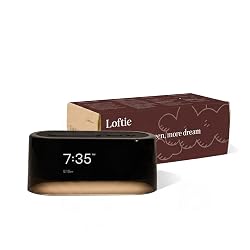
The Philips HF3670 is a mid-range sunrise alarm clock that uses a warm amber-to-white light progression to simulate natural dawn, paired with FM radio and a selection of nature sounds. It sits comfortably between budget options and Philips’ premium SmartSleep range, and for most people who want a genuine light-based wake experience without paying top dollar, it delivers.
Note: the HF3670 reviewed here is no longer available. The links on this page now go to the current Philips SmartSleep Sleep and Wake-Up Light.
After testing it for several weeks as part of a broader evaluation of sunrise alarms, I’d call it a solid, honest product. Not flashy. Not perfect. But genuinely useful for people who struggle with harsh alarm wake-ups and want something that feels a little closer to waking naturally.
If you’re still getting your bearings on what sunrise alarms actually are and whether the category is worth your attention at all, my Sunrise Alarm Clocks hub covers the full landscape, from how these devices work to which ones are worth considering at different price points.
Shop on Amazon: See the current Philips SmartSleep Wake-Up Light on Amazon →

What Kind of Sleeper Is the HF3670 Actually Built For?
This is the question I always start with, because sunrise alarms aren’t a universal fix. They work best for people whose core problem is the jarring nature of conventional alarms, not people who simply can’t get enough sleep hours or who have clinical sleep disorders. I know that distinction well from my own decade of anxiety-driven insomnia. No alarm clock, however elegant, was going to address the 3am cortisol spikes that were keeping me awake. But once I’d worked through the underlying anxiety piece, the quality of how I woke up started to matter enormously.
The HF3670 is built for the person who wakes up feeling groggy, irritable, and already behind before the day has started. If you’re someone who jolts awake to a beeping phone and spends the first twenty minutes of your day feeling vaguely hostile toward everything, this product is speaking directly to you. It’s also a strong option for people who wake in winter darkness and find the transition from deep sleep to a pitch-black room genuinely difficult to manage.
I bought a second sunrise alarm for my teenage son around the same time I was testing the HF3670, and watching how differently he responded to light-based waking versus his phone alarm was genuinely interesting. Teenagers are notoriously difficult to rouse, and the research on adolescent circadian rhythms suggests their biology is actually working against them in the mornings. According to the National Institutes of Health, delayed sleep phase patterns are common in adolescence, meaning the body clock genuinely runs later, not just laziness. A gradual light cue turned out to be far more effective for him than any sound-based alarm I’d tried.
How Does the Light Progression Actually Feel to Wake Up To?
This is where the HF3670 earns its money, and also where I want to be specific rather than vague, because “simulates sunrise” is the kind of marketing language that could mean almost anything.
The light starts at its lowest intensity around 30 minutes before your set alarm time, and it begins with a deep amber colour. Genuinely warm. Not orange-tinted white, not the slightly yellow hue you get from budget alternatives. Proper amber. Over the course of the sunrise window, it transitions through a warm white and eventually reaches full brightness, which tops out at 300 lux.
That amber-to-white progression matters more than most product descriptions acknowledge. I’ve tested a budget sunrise alarm that was essentially cool white light on a dimmer, and the difference in wake quality was substantial. Cool white light at low intensity is still stimulating the wrong photoreceptors. Warm amber at low intensity is much closer to what your biology is actually expecting at dawn. Mayo Clinic notes that light exposure is one of the most powerful cues for the circadian system, and the colour temperature of that light is a significant part of why it works the way it does.
In practice, waking with the HF3670 felt noticeably different from waking with my phone alarm. I found myself aware of the room before I was fully conscious, which sounds strange but is actually the point. There’s a transition period where you’re neither asleep nor alert, and the light seems to extend and smooth that window rather than cutting it off abruptly. On the mornings I tested it, I was sitting up and reaching for my phone within a few minutes of the light reaching full brightness, without having heard the alarm sound at all.

I was also tracking my sleep during this period using my Oura Ring, and the data was interesting. If you’re curious about what that kind of tracking actually captures, the Oura app features explained piece I’ve written goes into detail on what the readiness scores and sleep stage breakdowns actually mean in practice. My restfulness scores on HF3670 mornings were slightly higher than on phone-alarm mornings, though I’d be cautious about drawing firm conclusions from a few weeks of personal data.
What Are the Sound Options, and Do They Add Anything?
The HF3670 comes with five nature sounds: birds, forest, summer birds, Buddha bowl, and a gentle beep. There’s also FM radio. The sounds are used as a backup if the light alone doesn’t wake you, and they gradually increase in volume from silence over the final few minutes of the sunrise window.
The nature sounds are decent. Not exceptional. The bird sounds in particular are pleasant rather than jarring, which is the main thing you want from a backup alarm. The Buddha bowl option is a soft chime that I found genuinely inoffensive, which is high praise in the context of alarm sounds. The FM radio is functional, and some people will find it useful, though I’ve always found waking to speech more disorienting than waking to ambient sound.
If sound environment matters a lot to you, and you’re building a broader sleep routine around audio, it’s worth knowing that dedicated sleep sound apps go significantly deeper than anything built into a hardware device. I’ve spent time comparing the best options in my best sleep sounds apps roundup, and the variety and quality available through software is in a different category entirely from hardware-bundled nature sounds.
The HF3670’s sounds are adequate for their purpose. They’re there to catch you if the light doesn’t, not to be the centrepiece of your morning experience. That’s the right design philosophy, in my view.
What Does the HF3670 Get Wrong, or Simply Not Do?
Honesty matters here, because there are genuine limitations worth knowing before you spend money.
First, the sunrise window is fixed at 30 minutes. You can’t adjust it to 20 minutes or extend it to 45. Some people will find 30 minutes too long if they’re a light sleeper, because the light may wake them earlier than intended. Others who sleep deeply might prefer a longer window. The lack of flexibility is a real constraint.
Second, the maximum brightness of 300 lux is functional but not exceptional. Philips’ own higher-end SmartSleep models reach 500 lux, and for people in rooms with blackout curtains or who are particularly difficult to rouse, the extra brightness can make a meaningful difference. 300 lux is enough for most bedrooms, but it’s worth knowing the ceiling.
Third, there’s no app connectivity. No sleep tracking integration, no smartphone control, no customisation beyond the physical buttons on the device. For some people this is a feature, not a bug. For others who want their wake data feeding into a broader picture of their sleep health, it’s a gap. I’ve been using dedicated sleep tracking apps alongside hardware like this for years, and the best sleep tracking apps of 2025 overview I’ve put together covers the options that work well as companion tools regardless of which alarm clock you’re using.
Fourth, the display is bright. Not aggressively so, but bright enough that if you’re sensitive to light during sleep, you’ll want to either dim it or turn it off entirely. There is a display brightness setting, which is good, but it’s worth knowing this isn’t a device that disappears into the darkness of your bedroom.

How Does It Compare to Budget Alternatives and Philips’ Own Range?
I’ve tested four sunrise alarms over roughly two years. The first was a budget model from Amazon, around $25. The light was functional but the colour was wrong. A cool, slightly bluish white that started dim and got brighter. It woke me up, technically, but without the warmth that makes the experience feel like anything other than a slow-motion version of a standard alarm.
The Lumie I tested next was a significant step up. The light progression was more natural, and the colour temperature was warmer. But the Lumie I had at that price point lacked the polished feel of the Philips, and the sound options were more limited.
The HF3670 sits in a sensible middle ground. It’s not the cheapest option, but it’s not close to Philips’ SmartSleep top tier either. The build quality feels solid. The buttons are well-placed. The light quality is genuinely good. And unlike the budget Amazon option, the amber-to-white progression is real rather than approximate.
If you’re deciding between the HF3670 and spending significantly more on a SmartSleep model, the honest answer is that most people won’t need the extra features the premium models offer. The core experience, the light progression itself, is similar enough that the price difference is hard to justify unless you specifically want the higher brightness ceiling or the additional sound customisation.
According to the CDC, around one in three adults in the US regularly doesn’t get enough sleep. The causes are varied, but wake quality is a genuinely underappreciated part of the picture. Starting the day in cortisol-spike mode has downstream effects on energy, mood, and decision-making that most people don’t connect back to how they woke up. A sunrise alarm isn’t a cure for sleep deprivation, but for people who are getting adequate sleep hours and still waking up feeling terrible, the method of waking is worth examining seriously.
Does the HF3670 Work as Part of a Broader Sleep Routine?
I’ve always thought about sleep products in system terms rather than as standalone solutions. The HF3670 handles the waking end of the equation well. But what you do in the hour before bed matters just as much as how you wake up, and this is where complementary tools become relevant.
During my anxiety-driven insomnia years, I was resistant to anything that felt too “wellness-adjacent.” I wanted clinical solutions, not ambient sounds and breathing exercises. That resistance cost me time. The evidence for mindfulness-based approaches to sleep is genuinely solid, and I eventually came around to incorporating them. If you’re curious about the guided meditation side of things, my comparison of Calm vs. Headspace for sleep meditation covers what each app actually delivers and which situations each one suits better.
The HF3670 pairs well with a consistent sleep schedule, which is the foundational recommendation from essentially every sleep researcher I’ve read. The American Psychological Association identifies irregular sleep timing as one of the primary drivers of poor sleep quality, independent of total sleep hours. A sunrise alarm reinforces schedule consistency because it makes the waking experience pleasant enough that you’re not tempted to snooze and disrupt your rhythm.
I’ve also found it pairs naturally with sleep tracking. Knowing your actual sleep stages and wake times gives you a feedback loop that makes it easier to optimise the sunrise window timing. If you’re an Apple Watch user, the AutoSleep app review I’ve written explains how it captures sleep data passively without requiring a subscription, which makes it a practical companion to hardware like the HF3670.

There’s also a broader point about light exposure that the HF3670 illustrates well. Morning light is one of the most powerful anchors for the circadian system, and research published through PubMed consistently shows that morning light exposure improves daytime alertness, mood stability, and evening sleep onset. A sunrise alarm doesn’t replace natural daylight, but in winter months or for people who wake before dawn, it provides a meaningful substitute signal. That’s not marketing language. That’s the underlying biology doing what it’s supposed to do.
For anyone building a more complete picture of their sleep patterns alongside using a device like this, it’s worth exploring dedicated tracking tools. The Pillow app review I’ve written covers how that particular tracker handles sleep stage analysis and whether the insights it surfaces are actually actionable, which is the question that matters most when you’re trying to improve rather than just monitor.
Is the Philips HF3670 Worth the Money?
Yes, with appropriate expectations. It’s not a luxury product. It won’t transform your sleep if your underlying issues are about sleep duration, anxiety, or sleep disorders. What it will do is make the waking experience noticeably more pleasant, and over time that matters more than it sounds.
The light quality is genuinely good at this price point. The amber-to-white progression is the real thing, not a budget approximation. The build is solid. The sound options are adequate. And the core experience, waking to gradually increasing warm light rather than a sudden alarm, does what it promises.
The limitations are real but manageable. The fixed 30-minute sunrise window works for most people but not everyone. The 300 lux ceiling is sufficient for most rooms but not all. The lack of app connectivity will matter to some and not at all to others.
If I were buying a sunrise alarm for the first time and had a budget in the mid-range, the HF3670 would be on my shortlist. It’s not the cheapest option that works, and it’s not the best option that exists. It’s a well-made, honest product that delivers on its core promise. In a category full of overpromising, that’s worth something.
According to the World Health Organization, sleep health is increasingly recognised as a pillar of overall wellbeing rather than a secondary concern. The tools we use to support it deserve the same critical attention we’d apply to anything else that affects our health. The HF3670 holds up to that scrutiny reasonably well.

Read more articles on the Sunrise Alarm Clocks Hub.
Transparency Disclaimer: This article contains affiliate links to sleep products. If you purchase through these links, liveworksleep may earn a commission at no additional cost to you. These commissions help support our independent testing and honest reviews. We only recommend products that align with our experience-based evaluation standards.
About the Author
Scott Hilliard is a sleep improvement specialist who spent 10 years managing anxiety-driven insomnia. Through personal testing of dozens of sleep products, professional consultations, and extensive research into sleep science, Scott now helps others find practical, evidence-based solutions for better sleep. His approach combines honest product reviews with real-world experience, always prioritising what actually works over marketing hype.
Frequently Asked Questions
What is the maximum brightness of the Philips HF3670?
The HF3670 reaches a maximum brightness of 300 lux at full intensity. This is sufficient for most bedroom environments and for most sleepers. Philips’ higher-end SmartSleep models reach 500 lux, which may be more effective for very deep sleepers or rooms with significant light-blocking curtains.
Can you adjust the sunrise duration on the Philips HF3670?
No. The sunrise simulation window on the HF3670 is fixed at 30 minutes. It begins 30 minutes before your set alarm time and gradually increases in brightness and colour temperature across that window. If you need a shorter or longer sunrise window, you’d need to look at Philips’ SmartSleep range or other manufacturers that offer more customisation.
Does the Philips HF3670 connect to a smartphone app?
No. The HF3670 is a standalone device with no app connectivity or Bluetooth functionality. All settings are controlled via the physical buttons on the device. If app integration and data tracking are important to you, Philips’ SmartSleep range includes app-connected models, though these come at a significantly higher price.
What sounds does the Philips HF3670 include?
The HF3670 includes five built-in sounds: birds, forest, summer birds, Buddha bowl, and a gentle beep. It also has FM radio functionality. The sounds are used as a backup alarm that gradually increases in volume during the final phase of the sunrise window, rather than as the primary wake mechanism.
Is the Philips HF3670 a good option for heavy sleepers?
It depends on the bedroom environment. For most heavy sleepers in reasonably dark rooms, the combination of 300 lux light and gradually increasing sound is effective. For very deep sleepers in rooms with blackout curtains, the 300 lux ceiling may not be sufficient on its own, and a model with higher maximum brightness may be more reliable. The backup sound alarm provides an additional layer of assurance regardless.