Exercise and Sleep Quality
Regular physical activity shapes sleep quality through multiple biological pathways, affecting everything from how quickly you fall asleep to how restorative your rest becomes. The relationship between exercise and sleep extends beyond simple tiredness. Movement patterns, timing, and intensity all influence circadian rhythms, core body temperature, and hormones that regulate the sleep-wake cycle.
Quick Picks


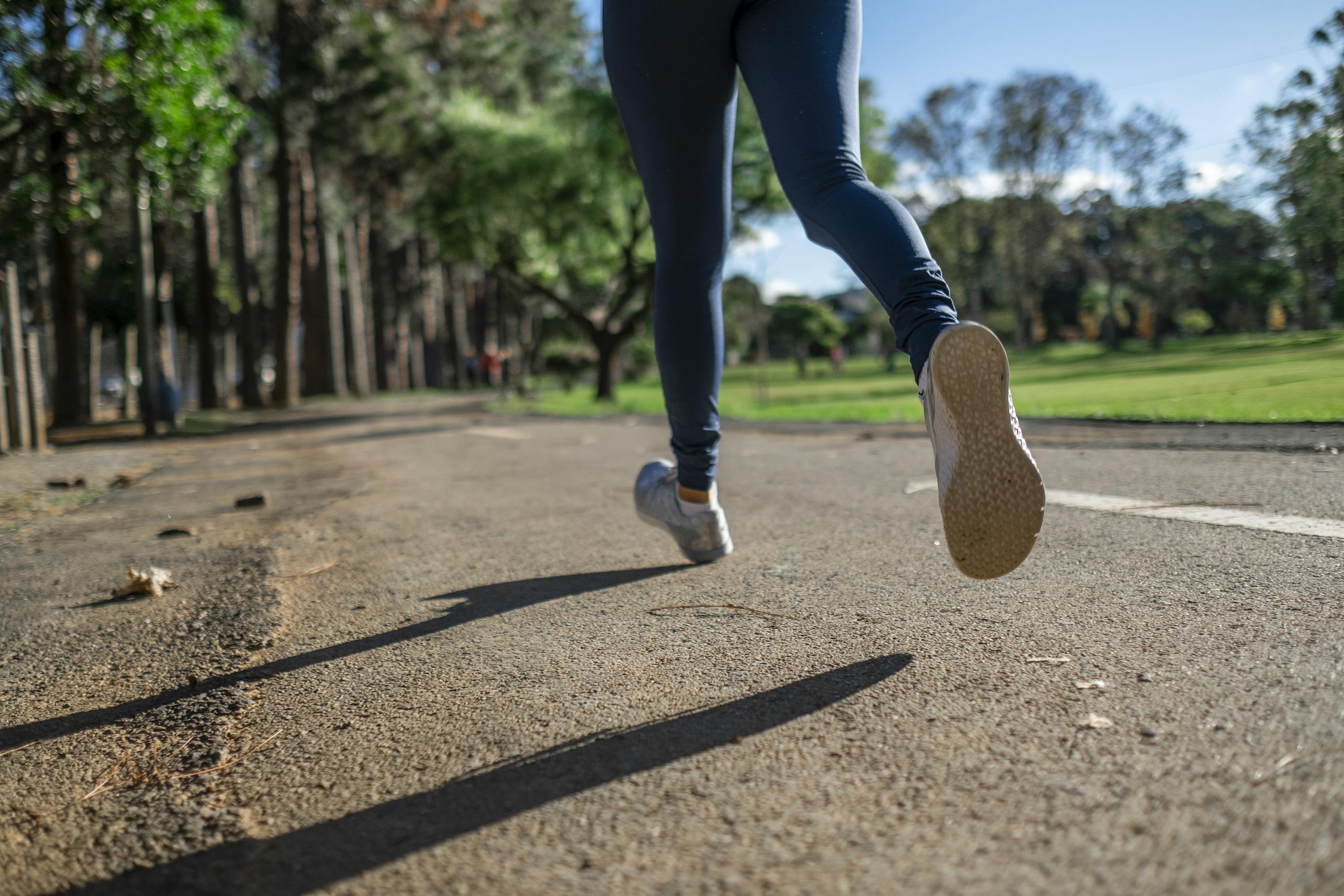
After struggling with anxiety-driven insomnia for roughly a decade, I found that establishing consistent daytime movement became one of the most reliable tools for improving my sleep. Running 2-3 times per week plus strength training, always during daylight hours, created a foundation that supplements and sleep hygiene alone couldn’t provide. The effects weren’t immediate or dramatic, but the cumulative impact proved substantial.
How Exercise Influences Sleep Architecture
Physical activity triggers cascading effects throughout sleep stages. Research published in PMC demonstrates that consistent exercise increases slow-wave sleep duration, the deepest and most restorative phase of non-REM sleep. This phase repairs tissues, consolidates memories, and releases growth hormones essential for recovery.
Exercise reduces sleep onset latency, meaning the time it takes to transition from full wakefulness to sleep decreases. A 2023 systematic review analyzing multiple studies found that moderate-intensity aerobic exercise significantly improved sleep quality across varied populations, with effects observed after just 4-8 weeks of consistent activity.
The mechanisms involve multiple systems. Exercise increases adenosine accumulation, a neurotransmitter that promotes sleep pressure throughout the day. Physical activity also reduces cortisol levels when performed at appropriate times, helping manage the stress response that frequently interferes with sleep initiation. Core body temperature rises during exercise then drops in the hours following, mimicking the natural temperature decline that signals bedtime to your circadian system.
The Critical Role of Exercise Timing
When you exercise matters as much as whether you exercise. Morning and afternoon physical activity generally supports better sleep outcomes compared to late evening sessions. A systematic review on exercise timing and circadian rhythms revealed that morning exercise tends to advance circadian phase, helping people feel alert earlier in the day and sleepy earlier at night.
I deliberately schedule all running and strength training during daylight hours, never in the evening. This wasn’t always intentional, but over time I recognized a pattern: evening workouts, even moderate ones, would leave me wired rather than tired. My mind would race, and sleep onset would push later into the night. For those exploring the best time to exercise for better sleep, individual response varies, but daytime activity consistently emerges as the safer bet for most people.

Evening exercise isn’t universally problematic. Research shows that vigorous activity performed within 1-2 hours of bedtime can disrupt sleep by maintaining elevated core body temperature and sympathetic nervous system activation. However, moderate exercise completed 3-4 hours before bed typically doesn’t negatively impact sleep quality for most individuals. The key distinction lies in intensity, timing, and personal circadian preference.
Chronotype influences optimal exercise timing. Early chronotypes, those who naturally wake early and feel most alert in morning hours, may experience sleep disruptions from evening exercise. Late chronotypes, who prefer later sleep and wake times, might tolerate evening activity better. Understanding your natural rhythm helps optimize when you move your body.
Exercise Intensity and Sleep Response
Moderate-intensity aerobic exercise consistently demonstrates the most reliable sleep benefits across research studies. This includes activities like brisk walking, light jogging, cycling at a conversational pace, or swimming laps without pushing to exhaustion. The sweet spot appears to be exertion that elevates heart rate to roughly 50-70% of maximum while still allowing conversation.
High-intensity interval training and exhaustive exercise sessions produce more complex effects. Some studies show benefits from vigorous activity, particularly for trained athletes whose bodies have adapted to higher demands. Other research indicates that excessive intensity, especially when combined with insufficient recovery time, can elevate evening cortisol levels and fragment sleep architecture.
The dose-response relationship matters. Research indicates that 30-60 minutes of moderate aerobic activity yields optimal sleep improvements for most adults. Very short bouts under 20 minutes may provide minimal benefit, while sessions exceeding 90 minutes, particularly at high intensity, can backfire by generating excessive physiological stress that interferes with recovery.
My personal approach involves moderate-intensity running 2-3 times weekly, complemented by strength training that never pushes to complete exhaustion. This balance supports sleep without generating the excessive stress response that vigorous daily training can produce. For more on how different lifestyle factors intersect with sleep, exploring the stress and sleep connection provides additional context on managing the body’s stress response systems.
Outdoor Exercise and Circadian Synchronization
Exercising outdoors compounds sleep benefits through light exposure. Natural sunlight, particularly in morning and early afternoon hours, powerfully influences circadian rhythm entrainment. Even 20-30 minutes of outdoor walking during morning hours helps set your internal clock, strengthening the distinction between daytime alertness and nighttime sleepiness.

Walking remains one of the most accessible and effective forms of activity for sleep support. I prioritize outdoor walking throughout the day, aiming for 1-1.5 hours total even when broken into shorter segments. Morning walks prove especially powerful for circadian rhythm regulation. The combination of movement, fresh air, and natural light exposure creates synergistic effects that surpass what indoor exercise alone provides.
Light intensity during outdoor exercise influences circadian effects. Bright sunlight exceeding 5,000 lux produces stronger phase-shifting effects compared to indoor lighting, which rarely exceeds 500 lux. Morning light exposure advances circadian phase, making you feel sleepy earlier in the evening. Afternoon light generally maintains current phase timing without significant shifts.
The practical implication: combining morning routine for better sleep with outdoor movement creates powerful dual reinforcement of healthy circadian patterns. Even on days when structured exercise feels impossible, a morning walk provides substantial sleep support.
Exercise Effects on Sleep Disorders
Research demonstrates particular benefits for individuals with insomnia and other sleep disorders. A meta-analysis examining exercise interventions for insomnia patients found that moderate-intensity aerobic exercise performed 3-4 times weekly for 12-16 weeks significantly reduced sleep onset latency and increased total sleep time.
For anxiety-related sleep problems, physical activity addresses both physiological and psychological components. Exercise reduces baseline anxiety levels through multiple mechanisms including endorphin release, reduction of muscle tension, and improved self-efficacy. The cumulative effect helps break the cycle where anxiety prevents sleep, which then increases anxiety about sleeplessness.
In my case, the relationship between movement and sleep management became clear over months rather than weeks. Exercise alone didn’t eliminate anxiety-driven insomnia, but it created a more stable physiological foundation that made other interventions more effective. Anyone dealing with similar challenges might explore specialized approaches for managing sleep with anxiety alongside exercise implementation.
Sleep apnea patients experience particular benefits from exercise, especially weight-bearing and aerobic activities. Research shows that even without significant weight loss, regular physical activity can reduce apnea severity by improving respiratory function and reducing inflammation. However, exercise doesn’t replace CPAP therapy or other medical interventions for moderate to severe cases.
Practical Implementation Strategies
Starting an exercise routine for sleep improvement requires realistic expectations. Sleep benefits typically emerge gradually over 4-16 weeks rather than immediately. This timeline frustrates people seeking rapid solutions, but understanding the mechanism helps maintain consistency during the initial adaptation period.
Begin with manageable targets that fit existing schedules. Twenty-minute walks taken 3-4 times weekly provide meaningful benefits without overwhelming time commitments or risk of injury. As consistency builds, duration and intensity can gradually increase based on personal capacity and response.
Morning exercise establishes powerful routines that support broader sleep hygiene. Implementing a structured morning routine focused on sleep improvement creates accountability for activity while leveraging circadian benefits of early movement and light exposure. The structure itself often proves as valuable as the specific exercises performed.
Track patterns rather than obsessing over metrics. Note exercise timing, type, and duration alongside subjective sleep quality. After several weeks, patterns typically emerge showing which approaches work best for your individual physiology. This self-experimentation within research-supported parameters proves more valuable than rigidly following generic prescriptions.
Pair exercise habits with complementary sleep practices. Physical activity works synergistically with consistent sleep schedules, appropriate caffeine timing, and structured evening routines designed for better sleep. The combination proves more powerful than any single intervention alone.
Special Considerations and Limitations
Older adults often respond differently to exercise timing compared to younger populations. Research indicates that morning and afternoon activity provides more consistent sleep benefits for people over 60, while evening exercise shows greater variability in effects. Age-related changes in circadian rhythm amplitude may explain these differences.
Athletes and highly trained individuals require different approaches. Heavy training loads, particularly when combined with inadequate recovery, can fragment sleep architecture and increase sleep disturbances. Elite athletes often need periodized training schedules that balance intensity with sufficient rest to optimize both performance and sleep quality.

Medical conditions warrant professional guidance before beginning exercise programs for sleep. Sleep apnea, restless leg syndrome, and circadian rhythm disorders require specialized approaches beyond general exercise recommendations. Cardiovascular issues, joint problems, or metabolic conditions necessitate exercise program design that accounts for these limitations.
Individual variation in response remains substantial. Some people tolerate evening exercise well, while others find even moderate afternoon activity disruptive. Chronotype, genetic factors, baseline fitness level, and sleep problem type all influence optimal exercise prescription. Self-experimentation within research-supported parameters helps identify personal sweet spots.
The Bigger Picture: Lifestyle Integration
Exercise represents one component of comprehensive sleep health. While physical activity improves sleep quality through multiple mechanisms, expecting exercise alone to resolve persistent sleep problems sets unrealistic expectations. Diet, stress management, light exposure, and sleep environment all contribute to overall outcomes.

The relationship between exercise and sleep operates bidirectionally. Poor sleep impairs exercise performance, reducing motivation and increasing injury risk. Conversely, consistent activity improves sleep, which then supports better exercise adherence and performance. This positive feedback loop takes time to establish but becomes self-reinforcing.
After years of managing anxiety-driven insomnia, the acceptance that not every night will be perfect proved as important as any exercise routine. Getting upset about sleeplessness is like getting upset that it’s raining outside. Physical activity provides powerful tools for sleep improvement, but building realistic expectations and a balanced approach ultimately determines long-term success.
For those combining multiple strategies, understanding how caffeine affects sleep alongside exercise timing helps avoid counterproductive patterns. Similarly, considering foods that help you sleep creates synergy between daytime movement and evening nutrition choices.
Regular physical activity offers one of the most accessible, evidence-based interventions for sleep quality improvement. The mechanisms span biological systems, from circadian rhythm entrainment to stress hormone regulation. Implementation requires attention to timing, intensity, and individual response, but the foundation remains straightforward: consistent, moderate daytime movement supports better nighttime rest. Combined with other sleep-supporting practices, exercise becomes a cornerstone of sustainable sleep health.
Read more articles on the Lifestyle & Sleep Hub.
About the Author
Scott Hilliard has managed anxiety-driven insomnia for over a decade, developing practical strategies through extensive personal experience and research. After trying numerous approaches—from supplements to sleep tracking devices—Scott learned that acceptance combined with evidence-based lifestyle changes, including consistent exercise, created sustainable improvements. Through liveworksleep, Scott shares honest insights about what works, what doesn’t, and why sleep challenges require patient, multifaceted solutions rather than quick fixes.