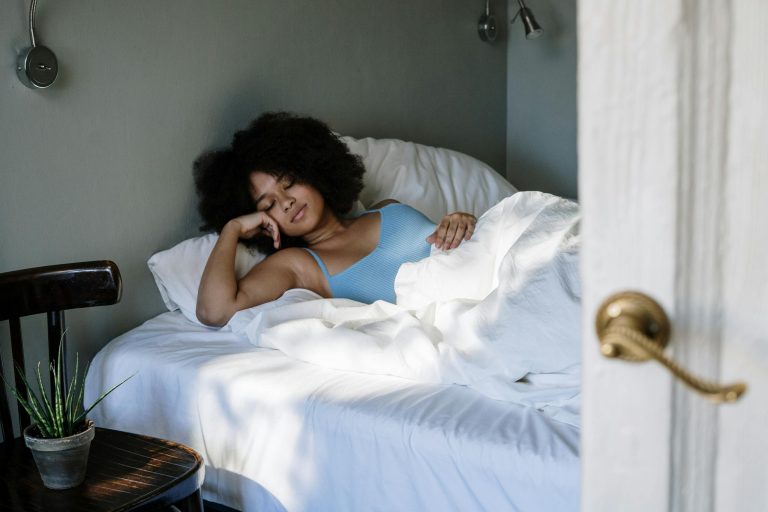
Best Air Purifiers for Bedroom: Improve Your Sleep Quality
Affiliate Disclosure: As an Amazon Associate I earn from qualifying purchases. Some links on this page are affiliate links. If you buy through them we earn a small commission at no extra cost to you. Our recommendations are based on research into specifications, published evidence and product listings. Learn more.
Quick Picks
Product Comparison
Best Overall  BLUEAIR Blue Pure 311i Max Check Price on Amazon | Budget Pick  BLUEAIR Large Room Purifier Check Price on Amazon | Premium Pick  Coway Airmega AP-1512HH Check Price on Amazon |
|---|
When I first started addressing my sleep problems about a decade ago, I focused on the obvious things like mattresses and pillows. What surprised me was how much my bedroom’s air quality affected my ability to fall asleep. Living in a city, I’d open the windows for fresh air but wake up with a stuffy nose and that slightly gritty feeling on my skin. That’s when I started exploring air purifiers, and the difference was more noticeable than I expected.
Shop on Amazon: Levoit Core 300S → | NICETOWN Blackout Curtains →
Research supports what I experienced firsthand. A 2022 study published in the Journal of Sleep Research found that using a HEPA air purifier increased total sleep time by an average of 12 minutes per night compared to a placebo filter. Participants also spent 19 more minutes in bed total, suggesting they felt more comfortable in their sleep environment.
If you’re considering an air purifier for better sleep, this guide breaks down what actually matters based on both research evidence and real-world testing experience.

Why Air Quality Affects Sleep
Indoor air can be two to five times more polluted than outdoor air, according to the Environmental Protection Agency. Bedrooms accumulate dust, pet dander, pollen, volatile organic compounds from furniture and bedding, and microscopic particles that irritate airways during the night.
These airborne pollutants cause subtle inflammation in your nasal passages and throat. You might not wake up coughing, but your body stays in a slightly elevated stress state trying to manage the irritation. This prevents you from reaching the deeper, more restorative stages of sleep. When I learned about how environmental factors like humidity and air quality work together, it explained why some nights felt stubbornly worse than others despite identical routines.
The Sleep Foundation notes that air purifiers reduce airborne pollutants through specialized filters, electrical charges, or ultraviolet light. For people dealing with allergies or asthma, the benefits can be particularly significant. Research shows HEPA filters effectively reduce symptoms that otherwise fragment sleep.
How Air Purifiers Improve Sleep Quality
Reduced Allergen Exposure
My son has seasonal allergies, and we noticed the difference within days of running a HEPA purifier in his bedroom. Nighttime sniffling decreased, and he stopped waking up with that congested feeling. High-Efficiency Particulate Air filters trap 99.97% of particles as small as 0.3 microns, including pollen, dust mites, and pet dander.
Nasal congestion doesn’t just feel uncomfortable. A study in Current Medical Research and Opinion found that congestion directly increases the likelihood of sleep problems, fatigue, headaches, and daytime drowsiness. When your airways are partially blocked, your body works harder to breathe throughout the night, preventing truly restorative sleep.
Decreased Respiratory Irritation
Beyond allergies, microscopic particles irritate airways in ways you might not consciously notice. A randomized controlled trial involving 30 healthy adults found measurable improvements in sleep quality when using air purifiers with genuine HEPA filters versus placebo filters, even in people without diagnosed respiratory conditions.
I don’t have asthma, but I noticed that on high pollen days or when air quality dipped due to wildfires, my throat felt scratchy at night. That low-level irritation kept me from settling into deep sleep. Running an air purifier eliminated that sensation.

Odor Neutralization
Unpleasant smells activate your stress response at a subtle level. Whether it’s cooking odors, pet smells, or volatile organic compounds off-gassing from new furniture, persistent odors make your bedroom feel less like a sanctuary. Air purifiers with activated carbon filters adsorb odor-causing molecules, creating a more neutral sleeping environment.
When we got new bedroom furniture, the chemical smell lingered for weeks despite airing out the room. An air purifier with a substantial carbon filter eliminated it within a few days. That immediate change in how the room felt reinforced why creating the right bedroom environment involves more than just temperature.
White Noise Benefits
An unexpected advantage: many air purifiers generate consistent background sound that masks disruptive noise. Research shows people using white noise machines fall asleep nearly 40% faster than those who don’t. The gentle hum from an air purifier running on medium speed provides similar benefits.
I’m particular about bedroom sounds. Earplugs are non-negotiable for me because I love the sensation of blocking external noise. But on nights when I skip them, the air purifier’s steady whoosh masks the unpredictable street sounds that would otherwise jolt me awake during light sleep phases.
Key Features to Prioritize
True HEPA Filtration
Look for “True HEPA” certification, not “HEPA-type” or “HEPA-like” marketing language. True HEPA filters must remove at least 99.97% of particles 0.3 microns in diameter. This standard ensures the filter captures the most problematic airborne particles, including fine dust, pollen, and smoke.
According to the Environmental Protection Agency, HEPA filters work through mechanical filtration. Air flows through a dense maze of fibers that trap particles through impaction, interception, and diffusion. Unlike ionic purifiers that may produce ozone as a byproduct, HEPA filters involve no chemical processes.
CADR Rating for Your Room Size
The Clean Air Delivery Rate measures how much filtered air an air purifier produces per minute. Higher CADR numbers mean faster, more effective air cleaning. The Association of Home Appliance Manufacturers recommends matching CADR to at least two-thirds of your room’s square footage.
For a typical 300-square-foot bedroom, you’d want a minimum CADR of 200. My bedroom is approximately 280 square feet, and I use a purifier rated for 350 square feet to ensure multiple air changes per hour. The unit cycles all the air in the room every 30 minutes on medium speed, creating noticeably fresher conditions by bedtime.
CADR is measured separately for three particle sizes: smoke (0.09-1.0 microns), dust (0.5-3 microns), and pollen (5-11 microns). Smoke CADR is typically the most important number since smaller particles are harder to filter and pose greater health risks.
Activated Carbon Filter
While HEPA filters trap particles, activated carbon filters remove gaseous pollutants and odors. Carbon’s porous structure adsorbs volatile organic compounds, smoke, and chemical odors that HEPA filters can’t capture.
Quality matters significantly. Purifiers with at least 1-2 pounds of activated carbon provide meaningful odor control. Lighter carbon layers act more as pre-filters than true odor removers. When shopping, check the filter replacement specifications to determine how much carbon the unit actually contains.
Noise Levels Across Settings
Maximum noise ratings are less important than the purifier’s sound at the speed you’ll actually use overnight. Many units advertise whisper-quiet operation but only achieve it on the lowest setting, which may not provide sufficient air cleaning for your room size.
I run mine on medium speed, which produces about 40 decibels. That’s quieter than normal conversation but louder than a whisper. The consistent tone doesn’t bother me, but I’ve tested units where the motor created an annoying oscillating hum. Before buying, check reviews mentioning noise quality, not just volume.
If you’re sensitive to bedroom noise like I am and prefer total silence, look for purifiers specifically marketed for bedroom use. These prioritize quieter operation even on higher fan speeds.
Auto Mode and Air Quality Sensors
Better air purifiers include sensors that detect particle concentrations and adjust fan speed automatically. This maintains cleaner air without running the unit unnecessarily loud or wasting energy.
My current purifier ramps up when it detects increased particles (like when I shake out bedding) then scales back once air quality improves. This automated adjustment works better than manually trying to optimize speed settings throughout the day.

Additional Practical Considerations
Filter Replacement Costs
The sticker price matters less than total cost of ownership. HEPA filters typically need replacement every 6-12 months depending on usage and air quality. Carbon filters may require more frequent changes.
Calculate annual filter costs before purchasing. A $200 purifier with $80 yearly filter costs becomes more expensive than a $400 unit with $30 annual filters after just three years. I learned this the expensive way with my first purifier, which had proprietary filters that cost nearly as much as buying a new unit.
Energy Consumption
Air purifiers run continuously, so energy efficiency matters. Look for ENERGY STAR certified models that meet strict efficiency guidelines. Most quality bedroom purifiers consume 30-70 watts on typical settings, similar to a laptop charger.
Running a 50-watt purifier 24/7 costs roughly $4-6 monthly at average electricity rates. That’s negligible compared to the sleep quality improvements, but worth factoring into your decision if choosing between similar models.
Ozone-Free Operation
Avoid air purifiers that generate ozone intentionally or as a byproduct. Some ionic purifiers and UV-C devices produce ozone, which irritates lungs and can worsen respiratory symptoms. The EPA states that ozone levels safe enough not to harm health are also too low to effectively remove air pollutants.
Stick with mechanical HEPA filtration. It’s proven effective without potential health risks. This is particularly important for bedrooms where you’ll breathe the air for 7-9 hours straight.
Maintenance Requirements
Beyond filter changes, consider how much ongoing maintenance the purifier requires. Some models need weekly pre-filter cleaning or sensor wiping. Others run for months with minimal attention.
I prefer low-maintenance designs. My purifier sends a filter change reminder via its app, but otherwise requires nothing except an occasional exterior wipe-down. The simpler the maintenance routine, the more likely you’ll keep the unit running optimally.

Placement and Usage Tips
Where you place an air purifier affects its performance significantly. Position it with adequate clearance on all sides for proper airflow. Avoid tucking it against walls or behind furniture, which restricts air intake and reduces efficiency.
I keep mine on a low shelf about two feet from my bed. This placement allows easy access to controls while ensuring good air circulation around the unit. The purifier sits at roughly breathing height when I’m sleeping, which seems to maximize benefits.
Run your purifier continuously, not just at night. Air quality doesn’t reset when you wake up. Continuous operation maintains consistently clean air and prevents particle buildup. Most quality purifiers consume minimal electricity on lower speeds during the day.
During sleep, I run mine on medium speed for balanced noise and performance. On stuffy days or when seasonal allergies spike, I increase to high speed an hour before bed to thoroughly clean the air, then reduce to medium overnight. Experiment to find what works for your specific environment and sleep preferences.
Keep bedroom windows and doors closed while the purifier runs. Opening windows introduces new pollutants faster than the purifier can remove them, reducing effectiveness. If you need ventilation, open windows during the day when you’re not trying to sleep, then close them and run the purifier for an hour before bedtime to clean the air. This approach helped me balance my preference for dark, sealed sleeping environments with occasionally wanting fresh outside air.
Common Misconceptions
Air purifiers don’t replace proper ventilation or source control. If you have mold growth, water damage, or other pollution sources, address those problems directly. Air purifiers filter existing air but can’t eliminate sources of contamination.
They also don’t reduce humidity or regulate temperature. Some people assume air purifiers dry out rooms, but they simply filter air without removing moisture. If you need humidity control, that requires a separate humidifier or dehumidifier working alongside your purifier.
No air purifier removes 100% of pollutants. Even the best HEPA filters let some microscopic particles through, and carbon filters eventually saturate with absorbed compounds. Regular filter replacement maintains effectiveness, but perfection isn’t achievable or necessary for meaningful sleep quality improvements.
Is an Air Purifier Worth It for Sleep?
The decision depends on your specific situation. If you have allergies, asthma, or live in areas with poor outdoor air quality, an air purifier provides clear benefits. Research consistently shows improvements in respiratory symptoms and sleep quality for people with these conditions.
For others without obvious respiratory issues, benefits may be subtler but still meaningful. The University of Reading study found sleep improvements even in healthy adults without clinical sleep disturbances. If you wake up with stuffiness, notice dust accumulation, or live with pets, an air purifier addresses problems you might not consciously recognize.
From my experience managing anxiety-driven insomnia, environmental factors compound in ways you don’t always notice until you fix them. Improving air quality won’t cure insomnia or replace proper sleep hygiene, but it removes one more potential irritant that fragments sleep. Combined with maintaining optimal bedroom temperature and minimizing other disruptions, cleaner air contributes to the overall conditions that support better rest.
A quality air purifier costs $200-400 initially, plus $30-80 annually for filters. If that investment translates to even slightly better sleep quality night after night, the value proposition becomes compelling. Sleep affects every aspect of health and daily function. Small improvements accumulate over months and years.
Start with identifying your specific air quality concerns. If seasonal allergies disrupt your sleep certain times of year, a HEPA purifier makes sense. If odors or chemical smells bother you, prioritize activated carbon capacity. Match the solution to your actual problem rather than buying features you won’t use.
For further guidance on optimizing your sleep environment, explore our comprehensive resources on creating darkness and managing other environmental factors that affect rest quality.
Read more articles on the Bedroom Environment Hub.
Shop on Amazon: Levoit Core 300S → | NICETOWN Blackout Curtains → | Natrol Melatonin →
Transparency Disclaimer: This article contains affiliate links to sleep products. If you purchase through these links, liveworksleep may earn a commission at no additional cost to you. These commissions help support our independent testing and honest reviews. We only recommend products that align with our experience-based evaluation standards.
About the Author
Scott Hilliard has managed anxiety-driven insomnia for over 10 years. Through extensive personal testing, professional consultations, and self-education on sleep science, he’s developed practical strategies for improving sleep quality. Scott created liveworksleep to share evidence-based insights and honest product assessments with others facing similar challenges. He lives in the UK with his son and continues exploring ways to optimize sleep and overall well-being.
Transparency
liveworksleep may earn commissions on purchases made through links in this article. We only recommend products we believe offer genuine value based on research and testing. All opinions are our own.