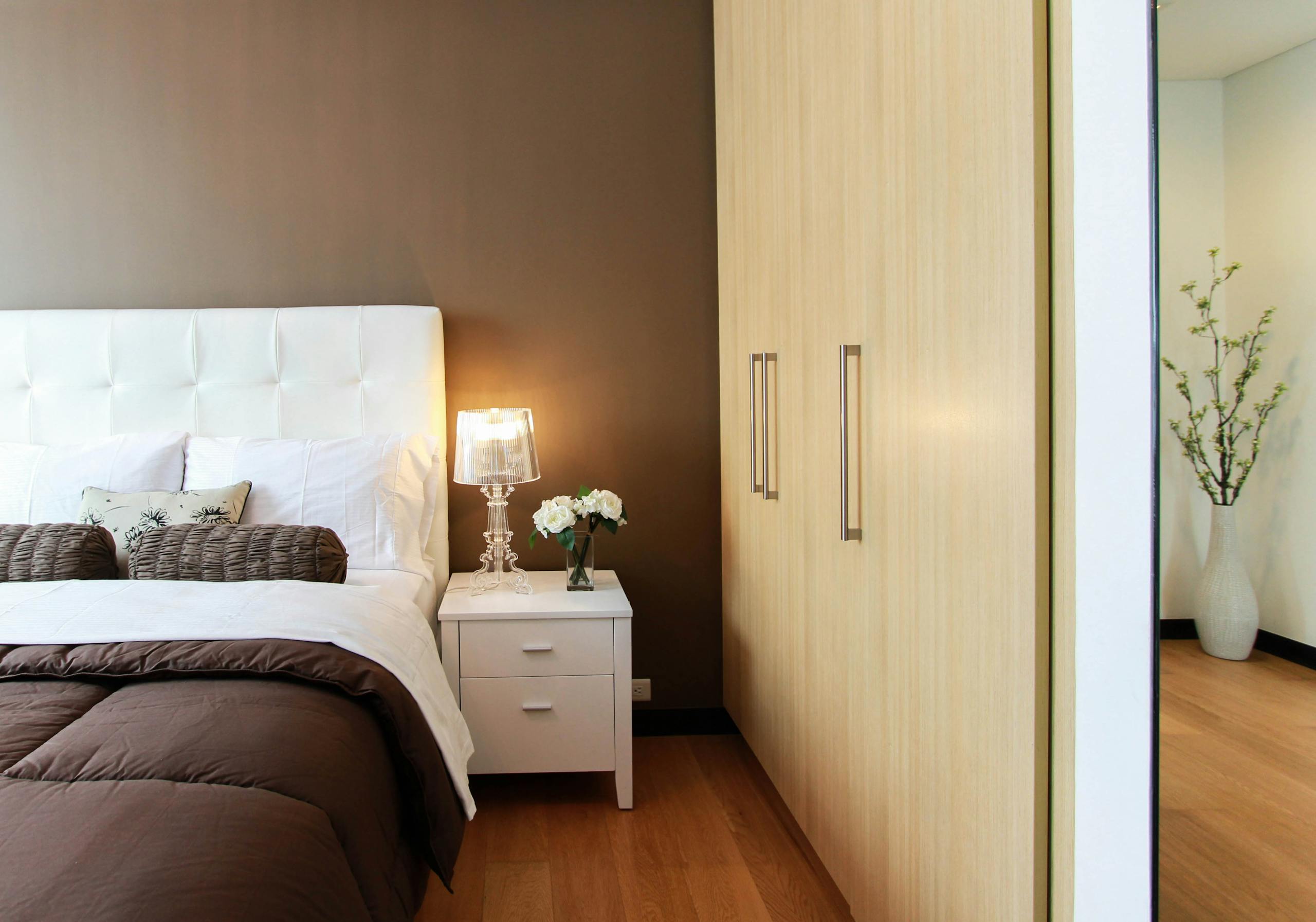
Best Bedroom Temperature for Sleep
Affiliate Disclosure: As an Amazon Associate I earn from qualifying purchases. Some links on this page are affiliate links. If you buy through them we earn a small commission at no extra cost to you. Our recommendations are based on research into specifications, published evidence and product listings. Learn more.
Quick Picks
Product Comparison
Best Overall  BLUEAIR Smart Humidifier Check Price on Amazon | Budget Pick  Canopy Bedside Humidifier Check Price on Amazon | Premium Pick  Homvana Humidifier Check Price on Amazon |
|---|
Quick picks: YnM Weighted Blanket → | Yogasleep Dohm Classic → | NICETOWN Blackout Curtains →
Your bedroom temperature plays a more critical role in sleep quality than most people realize. While you might focus on mattress firmness or pillow height, the ambient temperature of your sleeping environment directly affects your body’s ability to initiate and maintain deep, restorative sleep.
After spending a decade managing anxiety-driven insomnia, I’ve learned that environmental factors like temperature can make or break a night’s sleep. When my bedroom gets too warm, even by just a few degrees, I find myself tossing and turning rather than drifting off easily. The science backs this up, showing that thermoregulation during sleep is a fundamental biological process that we ignore at our peril.
This guide examines the research on optimal sleep temperature, explains why your body needs to cool down at night, and provides practical strategies for maintaining an ideal thermal environment. Whether you’re struggling with night sweats, restless sleep, or simply want to optimize your bedroom for better rest, understanding temperature’s role is essential.
What Is the Optimal Bedroom Temperature for Sleep?
Research consistently points to a narrow temperature range for optimal sleep quality. The general recommendation is between 15 to 19 degrees Celsius (60 to 67 degrees Fahrenheit), according to sleep researchers and medical institutions.
A comprehensive study published in Science of the Total Environment examined over 10,000 nights of sleep data from older adults and found that sleep efficiency peaked when bedroom temperatures ranged between 20 to 25 degrees Celsius. Notably, sleep efficiency dropped by 5 to 10 percent when temperatures increased from 25 to 30 degrees Celsius, demonstrating that even modest temperature increases can significantly impact sleep quality.
I keep my bedroom no warmer than 20 degrees Celsius, and I’ve noticed I consistently sleep better during winter months when maintaining cooler temperatures requires less effort. This preference aligns with the research showing that many people sleep more efficiently in slightly cooler environments.
However, individual variation matters considerably. The same study revealed substantial between-subject differences, with some participants sleeping well at temperatures others found uncomfortable. This emphasizes that while general guidelines provide a starting point, personal experimentation within the recommended range helps identify your optimal temperature.

The Science Behind Sleep and Temperature Regulation
How Your Body Temperature Changes During Sleep
Your core body temperature follows a predictable pattern throughout the 24-hour day, controlled by your circadian rhythm. This internal biological clock orchestrates numerous physiological processes, including temperature regulation, which directly influences sleep timing and quality.
Approximately two hours before your typical bedtime, your body begins cooling down. This temperature drop triggers the release of melatonin, the hormone that signals sleepiness. During sleep, your core temperature continues falling, reaching its lowest point in the early morning hours before gradually warming again as morning approaches.
The body achieves this cooling through vasodilation, a process where blood vessels near the skin surface expand, allowing heat to radiate away from your core. This explains why your hands and feet may feel warmer as you’re falling asleep, even though your overall body temperature is dropping.
Why Cool Temperatures Facilitate Sleep
A cooler bedroom environment supports your body’s natural cooling process. When ambient temperature aligns with your physiological need to lower core temperature, sleep initiation becomes easier and sleep quality improves.
Cleveland Clinic sleep psychologist Michelle Drerup recommends keeping bedrooms between 60 to 67 degrees Fahrenheit, explaining that this range helps stabilize REM sleep, the stage where dreaming occurs and memory consolidation happens. Excessive heat disrupts this process, leading to more frequent awakenings and less time spent in restorative sleep stages.
When I learned about sleep pressure and temperature regulation, it explained why my old approach of cranking up the heat at night consistently backfired. I was working against my body’s natural processes rather than supporting them.

Temperature Variations by Age and Life Stage
Infants and Children
Babies require slightly warmer sleep environments than adults, typically between 18 to 20 degrees Celsius (65 to 70 degrees Fahrenheit). Infant thermoregulation systems are still developing, making them more vulnerable to temperature extremes.
Overheating presents particular risks for infants, including increased SIDS (Sudden Infant Death Syndrome) risk. Parents should monitor their baby’s temperature by touching the back of the neck or stomach rather than hands and feet, which naturally run cooler.
Older Adults
Research indicates that older adults may benefit from slightly warmer sleep environments than younger adults. The comprehensive study tracking bedroom temperatures in adults over 65 found optimal sleep efficiency at temperatures between 20 to 25 degrees Celsius (68 to 77 degrees Fahrenheit).
This shift likely reflects age-related changes in thermoregulation capabilities. As we age, our ability to maintain stable core temperature diminishes, explaining why many older adults prefer warmer sleeping environments that younger people would find uncomfortable.
Now in my early 40s, I haven’t noticed significant changes in my temperature preferences yet, but I’m aware this may evolve as I age. My current sweet spot remains firmly in the cooler range.
Hormonal Considerations
Hormonal fluctuations affect temperature regulation and sleep quality. Women experiencing menopause often struggle with night sweats and hot flashes that disrupt sleep. These individuals may require even cooler bedroom temperatures, sometimes as low as 15 to 16 degrees Celsius, to counteract internal temperature spikes.
Similarly, pregnancy can alter temperature perception and regulation, with many pregnant women preferring cooler sleeping environments than their pre-pregnancy norm.

What Happens When Temperature Is Wrong?
Too Hot: The Greater Problem
Excessive bedroom heat creates multiple sleep disturbances. When your environment is too warm, your body struggles to achieve the temperature drop necessary for sleep initiation. You’ll likely experience increased sleep latency (time to fall asleep), more frequent awakenings, and reduced time in deep sleep and REM sleep.
During REM sleep, your body essentially stops regulating temperature through sweating or shivering, leaving you especially vulnerable to ambient temperature. Research shows that hot environments significantly reduce REM sleep duration, the stage critical for emotional processing and memory consolidation.
The few times I’ve stayed in hotels with poor air conditioning, I’ve experienced exactly this problem. Despite being exhausted, I’d lie awake feeling uncomfortably warm, and even when I did sleep, I’d wake frequently feeling unrested. Investing in cooling sheets has helped mitigate this issue when I travel.
Too Cold: Less Common but Still Problematic
While less detrimental than excessive heat, bedroom temperatures that are too cold can also disrupt sleep. When you’re uncomfortably cold, your body must work harder to maintain core temperature, which can prevent deep relaxation and sleep initiation.
Cold environments may cause vasoconstriction (narrowing of blood vessels), raising blood pressure and making it harder for your body to redistribute heat away from your core. People with chronically cold hands and feet often struggle with sleep onset, possibly because their bodies cannot effectively radiate heat through their extremities.
The solution isn’t necessarily raising room temperature but rather using appropriate bedding to create a comfortable microclimate around your body. I use linen bedding, which many people don’t realize has excellent temperature-regulating properties. It stays cool in summer but provides adequate warmth in winter without overheating.
Individual Temperature Sensitivity
Some people naturally run hot or cold due to variations in metabolism, body composition, and hormonal factors. Those who “sleep hot” will gravitate toward the lower end of the recommended temperature range, while “cold sleepers” prefer the warmer end.
Partners often have different temperature preferences, which can create nighttime conflicts. Dual-zone bedding solutions, separate blankets, or cooling pillows for the warmer sleeper can help accommodate these differences without compromising either person’s comfort.

Practical Strategies for Optimizing Bedroom Temperature
Thermostat and HVAC Management
The most straightforward approach to temperature control is setting your thermostat appropriately. Program your system to begin cooling your bedroom 1 to 2 hours before your target bedtime, allowing the space to reach optimal temperature as you’re preparing for sleep.
Smart thermostats with scheduling features make this process automatic. You can program different temperatures for different times, ensuring your bedroom cools before bed and gradually warms in the morning to support natural waking.
I run my system consistently to maintain my preferred temperature rather than making dramatic adjustments, which I’ve found prevents the temperature swings that used to disturb my sleep.
Bedding and Sleepwear Choices
Your bedding creates a microclimate that significantly impacts how you experience ambient temperature. Natural, breathable materials like cotton, linen, and bamboo allow better air circulation and moisture wicking than synthetic materials.
Consider adjusting your bedding seasonally rather than relying solely on temperature control. Lighter blankets and breathable sheets in summer, heavier duvets in winter. This approach is more energy-efficient and often more comfortable than maintaining the same bedding year-round and compensating with extreme temperature adjustments.
For those experiencing temperature-related sleep issues, specialized products like cooling mattress toppers can provide additional temperature regulation without requiring whole-room cooling.
Strategic Use of Fans and Air Movement
Even if you maintain optimal ambient temperature, stagnant air can feel stuffy and uncomfortable. Ceiling fans or portable fans create air movement that enhances evaporative cooling from your skin, making you feel cooler without lowering actual temperature.
Fans also provide white noise that can mask disruptive sounds, offering a dual benefit for sleep quality. Position fans to circulate air without creating a direct draft on your sleeping body, which can cause discomfort.
Managing Heat Sources
Identify and minimize heat-generating sources in your bedroom. Electronics emit heat even in standby mode. Blackout curtains help in two ways: they create darkness necessary for melatonin production, and they prevent solar heat gain during the day, keeping bedrooms cooler. I use both blackout curtains and blinds together, which provides excellent light and temperature control.
If your bedroom tends to accumulate heat during the day, keep curtains closed during peak sun hours. Open windows in the evening when outside temperature drops below inside temperature, allowing natural cooling without running air conditioning.
Pre-Sleep Temperature Manipulation
Taking a warm bath or shower 60 to 90 minutes before bed can actually improve sleep quality through a rebound effect. The warm water raises your skin temperature, and when you exit the bath, your body rapidly cools down, mimicking and enhancing the natural temperature drop that signals sleep readiness.
This technique works because it accelerates the vasodilation process, helping your body shed heat more efficiently. The timing matters: too close to bedtime and you’ll still be warm; too early and the effect dissipates before you try to sleep.

Humidity’s Relationship with Temperature
Temperature doesn’t operate in isolation. Humidity levels significantly affect how temperature feels and impacts your sleep. High humidity makes any given temperature feel warmer and more oppressive, while low humidity can make cooler temperatures feel uncomfortably dry.
Optimal relative humidity for sleep ranges between 30 to 50 percent. Above 50 percent, you’re more likely to feel clammy and uncomfortable even at moderate temperatures. Below 30 percent, you may experience dry skin, nasal passages, and throat irritation that disrupts sleep.
For more detailed guidance on managing bedroom humidity alongside temperature, see our guide on ideal humidity levels for sleep.
Summer months often bring dual challenges of high temperature and high humidity. Air conditioning addresses both issues, but in climates without AC or for those avoiding its use, dehumidifiers can make moderate temperatures feel more comfortable by reducing moisture in the air.
Common Temperature-Related Sleep Mistakes
Overheating to Stay Cozy
Many people make the bedroom too warm because they associate warmth with comfort and relaxation. While feeling cozy as you settle into bed seems pleasant, maintaining that warmth throughout the night prevents your body from achieving the temperature drop necessary for quality sleep.
The solution is creating initial warmth through bedding rather than ambient temperature. You can always add blankets if you feel cold, but it’s much harder to cool down an overheated room once you realize it’s disrupting your sleep.
Neglecting Seasonal Adjustments
Your bedroom’s temperature needs change with seasons, but many people forget to adjust accordingly. What felt comfortable in January may be oppressively warm in July. Re-evaluate your temperature settings at least quarterly, adjusting both thermostat settings and bedding choices.
Ignoring Partner Temperature Differences
When partners have different temperature preferences, the typical solution involves setting the thermostat to one person’s preference, leaving the other uncomfortable. Better approaches include separate blankets, dual-zone electric blankets, or targeted cooling/heating solutions for individual sides of the bed.
Having these conversations before temperature issues cause sleep deprivation and relationship tension leads to better outcomes for everyone involved.
Energy Efficiency and Cost Considerations
Maintaining optimal sleep temperature can raise energy costs, particularly in extreme climates. However, poor sleep has its own costs: decreased productivity, increased health risks, and reduced quality of life.
Balancing sleep optimization with energy efficiency involves strategic approaches: use programmable thermostats to cool only the bedroom rather than the entire house, invest in energy-efficient HVAC systems, and employ passive cooling strategies like window placement and thermal curtains to reduce mechanical cooling needs.
Consider that improving insulation, sealing air leaks, and upgrading windows may have upfront costs but provide long-term benefits for both temperature regulation and energy efficiency.
Conclusion: Finding Your Optimal Sleep Temperature
While research points to 15 to 19 degrees Celsius as the ideal range for most adults, individual variation means your perfect temperature might fall slightly outside these bounds. The key is methodical experimentation within the evidence-based range.
Start with the recommended temperature, then make small adjustments (one to two degrees at a time) over several nights, noting how you feel upon waking. Consider factors like how long it takes you to fall asleep, whether you wake during the night feeling too hot or cold, and your overall sleep quality.
Temperature isn’t the only environmental factor affecting sleep, but it’s one of the most impactful and easiest to control. Combined with other sleep hygiene practices like maintaining complete darkness and minimizing noise, optimal temperature creates conditions where your body’s natural sleep processes can function unimpeded.
After years of struggling with anxiety-driven insomnia, I’ve learned that you can’t force sleep to happen, but you can create an environment that makes sleep more likely. Temperature control is a fundamental part of that environment. When I stopped fighting my body’s need for coolness at night and started supporting it instead, my sleep quality improved noticeably.
The investment in proper temperature regulation pays dividends in better sleep, improved daytime functioning, and enhanced overall well-being. Your bedroom should be your sleep sanctuary, and temperature is one of the most powerful tools for making it exactly that.
Read more articles on the Bedroom Environment Hub.
Check current prices on Amazon: YnM Weighted Blanket → | Yogasleep Dohm Classic → | NICETOWN Blackout Curtains →
About the Author
Scott Hilliard has managed anxiety-driven insomnia for over 10 years and created liveworksleep to share evidence-based sleep optimization strategies. His approach combines personal experience with scientific research to help others improve their sleep quality.
Transparency Box
liveworksleep.com is reader-supported. When you buy through links on our site, we may earn an affiliate commission at no cost to you. This helps us continue providing evidence-based sleep information. We only recommend products we genuinely believe offer value based on research and testing.