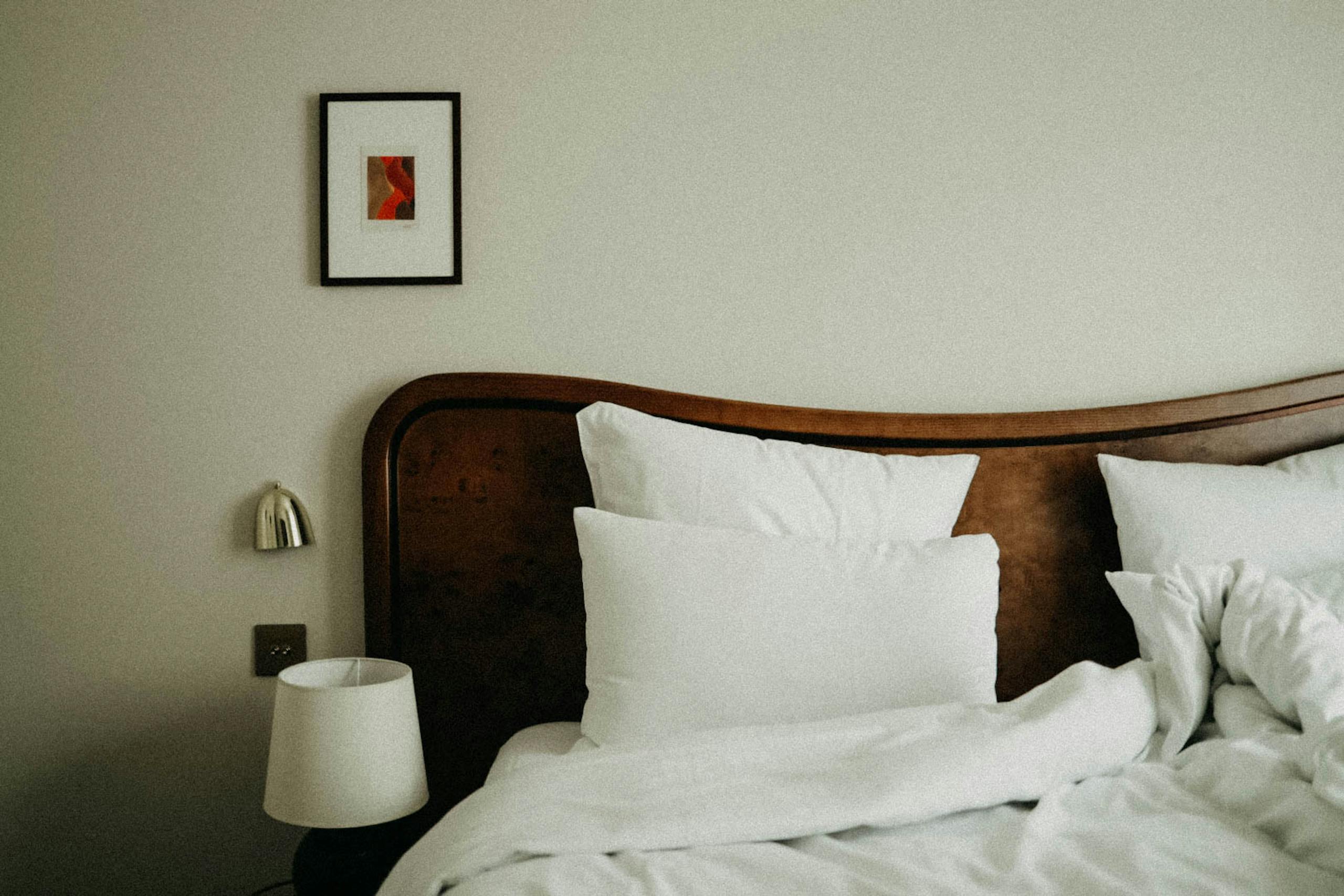
Bedroom Feng Shui for Better Sleep: What Actually Works
Feng shui, the ancient Chinese practice of arranging spaces to promote harmony and energy flow, has gained attention in Western sleep research. While some principles sound esoteric, recent studies suggest certain bedroom arrangements correlate with improved sleep quality. The question isn’t whether feng shui is mystical or scientific, but rather which specific practices actually help you sleep better and which are placebo.
Quick Picks


A 2021 study published in the South East European Journal of Architecture and Design found that feng shui bedroom arrangements were the most statistically significant variable affecting self-reported sleep quality, with a p-value of less than 0.001. That’s solid statistical significance. However, the study’s methodology involved “instrumental biocommunication,” which raises questions about mechanisms. What’s interesting is that several feng shui principles overlap with established environmental psychology and sleep science, suggesting some recommendations work regardless of their original justification.

When I first struggled with anxiety-driven insomnia about 10 years ago, I tried everything, including rearranging my bedroom according to various feng shui guides. Some changes helped, but not necessarily for the reasons claimed. Moving my bed away from directly facing the door did reduce my sense of vulnerability at night. Whether that’s about “chi energy” or simple psychology doesn’t matter if it works.
The Command Position: Bed Placement That Reduces Anxiety
Feng shui’s most practical bedroom principle is the “commanding position” for your bed. Place your bed against a solid wall, not under a window, ideally on the wall diagonal to your bedroom door. This positioning allows you to see the door while not being directly in line with it. Feng shui tradition calls direct door alignment the “coffin position,” associating it with negative energy. Sleep science explains it differently: being unable to see potential threats creates subtle anxiety that interferes with sleep onset.
Research on bedroom design orientation and sleep shows that environmental arrangement affects stress levels and consequently sleep quality. A 2019 study examining bed orientation and sleep EEG signals found that participants sleeping in north-south alignment showed longer total sleep time compared to other orientations, though the effect size was modest. The researchers suggested this might relate to Earth’s electromagnetic field, though this mechanism remains speculative.
I experimented with bed positioning during my worst sleep period. Having my bed directly facing the door meant every car headlight or hallway noise triggered a subconscious alertness response. Moving the bed to a diagonal position reduced those micro-arousals. It wasn’t mystical, it was practical.

Clutter Reduction: The Science Behind “Energy Flow”
Feng shui emphasizes clearing clutter to allow positive energy to circulate. Modern sleep research confirms that cluttered bedrooms correlate with poor sleep, though the mechanism isn’t mystical energy but rather cognitive burden. A 2017 study published in the journal Sleep examined 1,052 participants and found that regular bedroom de-cluttering predicted improved sleep quality as significantly as self-care habits like maintaining regular bedtimes.
The brain processes clutter as unfinished business, even subconsciously. Visual chaos increases cortisol levels, the stress hormone that should decrease in the evening to facilitate sleep onset. Princeton University neuroscience researchers found that cluttered environments restrict the brain’s ability to focus and process information efficiently, creating a state of low-level stress that persists even during attempted rest.
One practical feng shui rule I’ve found genuinely helpful is removing decorative pillows at bedtime. My routine includes clearing all non-functional items from the bed before sleep. It’s a small action that signals to my brain that this space is for rest, not decoration or storage. Whether that’s about “chi” or psychological conditioning doesn’t change its effectiveness.
Feng shui also recommends keeping the space under your bed clear rather than using it for storage. While traditionally explained as allowing energy circulation, there’s a practical sleep hygiene reason: items stored under beds collect dust and potentially harbor allergens that can affect breathing and sleep quality. If you need bedroom storage solutions, maintaining proper bedroom temperature matters more than under-bed organization, but both contribute to sleep quality.

Electronics and EMF: Ancient Wisdom Meets Modern Technology
Traditional feng shui predates electronics, but modern interpretations emphasize removing devices from bedrooms. The reasoning about “electrical energy disrupting rest” aligns with contemporary research on electromagnetic fields and blue light exposure, even if the original explanation differs—wearing blue light glasses in the evening is one practical way to mitigate screen exposure before bed.
Research on EMF exposure and sleep quality shows mixed results. A 2012 prospective cohort study of 955 participants found no significant impact on sleep quality from mobile phone use or radiofrequency electromagnetic field exposure over one year. However, a 2024 study suggests caution with RF-EMF devices in bedrooms, noting that individual susceptibility varies significantly.
The more established concern is blue light from screens suppressing melatonin production. Smartphones, tablets, and laptops emit short-wavelength blue light that signals daytime to your circadian system. I adopted a screen-free hour before bed about five years ago, and the improvement was noticeable within two weeks. Whether you attribute this to disrupted “energy” or disrupted melatonin production, the practical outcome remains the same.
For those wanting to create a darker bedroom environment, feng shui’s emphasis on controlling light sources aligns with sleep science. Both traditions recognize that light exposure affects rest quality, though they explain it through different frameworks.
Color Psychology: What Research Says About Bedroom Hues
Feng shui assigns specific colors to different energies and recommends calming tones for bedrooms. Blue represents water and tranquility, green connects to nature and growth, while warm earth tones promote grounding. Modern color psychology research shows that blue environments can lower heart rate and blood pressure, while red increases arousal and alertness.
A survey by Travelodge found that people sleeping in blue bedrooms reported the best night’s sleep, averaging nearly 8 hours, while purple bedrooms resulted in the least sleep. While this survey isn’t peer-reviewed research, it suggests color perception affects sleep psychology. The mechanism likely involves learned associations and physiological responses to wavelengths rather than mystical energy properties.
My bedroom walls are a muted blue-grey, chosen more for aesthetics than feng shui. However, I did notice that removing bright red decorative elements reduced my sense of stimulation before bed. If you’re considering color changes, exploring bedroom colors that promote better sleep provides evidence-based guidance beyond traditional feng shui recommendations.

Natural Elements: Plants, Materials, and Air Quality
Feng shui encourages incorporating natural elements like wood, plants, and natural fabrics. While the traditional explanation involves balancing elemental energies, environmental psychology research confirms that natural materials and greenery reduce stress and promote relaxation.
NASA research identified several houseplants that effectively filter indoor air pollutants. Snake plants and spider plants can improve bedroom air quality, though their oxygen production at night is modest. The psychological benefit of greenery may exceed the measurable air quality improvement. Studies show that viewing plants reduces stress markers and promotes parasympathetic nervous system activation, the physiological state conducive to sleep.
I use linen bedding, which feng shui considers a natural, breathable material that promotes healthy energy flow. Scientifically, linen’s thermoregulatory properties and moisture-wicking capabilities create a more comfortable sleep microclimate. Whether you credit improved sleep to “energy properties” or “fabric characteristics,” the practical benefit remains consistent. For those exploring bedroom plants, understanding which plants actually improve bedroom air quality separates marketing claims from research-backed benefits.
Mirrors and Reflective Surfaces: Practical vs. Superstitious
Feng shui warns against mirrors reflecting your bed, claiming they disturb sleep by bouncing energy around the room. Scientific explanation is more straightforward: mirrors can reflect ambient light from windows, electronics, or hallways, creating visual disturbances during the night. Movement reflections can also trigger subconscious alertness in some sleepers.
I removed a large dresser mirror that faced my bed after noticing that passing car headlights created moving reflections that occasionally woke me during light sleep phases. Whether that’s disrupted “chi” or simple physics, the result was fewer sleep disturbances. This aligns with sleep hygiene recommendations to minimize light exposure and visual stimulation in the bedroom.
Some feng shui practitioners recommend covering mirrors at night if removal isn’t possible. While this sounds superstitious, it’s functionally identical to the evidence-based recommendation to eliminate reflective surfaces that can bounce light into sleeping areas. Creating complete darkness matters more than the conceptual framework you use to achieve it, which is why many people invest in quality blackout curtains to control light exposure.

What Doesn’t Work: Separating Helpful From Hype
Not all feng shui bedroom recommendations have practical merit. Specific compass directions for bed placement based on your birth year lack scientific support. A 2019 study examining bed orientation relative to Earth’s magnetic field found modest effects, but nothing suggesting personalized directional alignment based on birthdate improves sleep.
The recommendation to avoid beams overhead makes structural sense if the beam creates visual heaviness or houses electrical wiring, but the claim that beams “cut” your body’s energy field isn’t supported by research. Similarly, specific placement of crystals or symbolic objects may provide psychological comfort if you believe in them, but there’s no mechanism by which they would objectively improve sleep quality.
During my early attempts to fix my sleep problems, I tried various feng shui cures including specific object placements and directional alignments. What actually helped was the underlying principle: creating an environment that felt safe, uncluttered, and dedicated to rest. The specific superstitious elements added no measurable benefit beyond placebo.
Implementing Practical Bedroom Feng Shui
If you want to apply feng shui principles that align with sleep science, focus on these evidence-supported changes. Position your bed to see the door while not being directly in line with it. This reduces subconscious threat monitoring. Clear clutter regularly, particularly from visible surfaces and the bed itself. Visual chaos creates cognitive burden that interferes with rest.
Remove or cover electronics, especially those with LED indicator lights. Blue light exposure suppresses melatonin regardless of its source. Choose calming colors for walls and bedding, avoiding highly stimulating reds and bright colors. Consider incorporating plants that genuinely improve air quality rather than just decorative appeal.
Eliminate mirrors that reflect the bed, reducing light bounce and movement reflections. Use natural materials where practical, as they typically offer better temperature regulation than synthetic alternatives. Most importantly, create a bedroom environment that signals rest and safety to your nervous system.
The acceptance mindset I’ve developed over managing anxiety-driven insomnia applies here too. Getting upset that your bedroom isn’t perfectly aligned with feng shui principles is like getting upset that it’s raining outside. It’s pointless. Make practical improvements where research supports them, skip the superstitious elements, and focus on what actually helps you sleep.
The Verdict: Useful Framework, Mixed Evidence
Bedroom feng shui offers a useful framework for thinking about sleep environment, even if the underlying explanations differ from scientific mechanisms. Several core principles align with established sleep hygiene and environmental psychology: reduce clutter, control light exposure, remove electronics, position furniture to reduce anxiety, and incorporate natural elements.
The 2021 statistical finding that feng shui arrangements correlated with improved self-reported sleep quality is interesting but should be interpreted carefully. The study’s methodology raises questions about mechanisms, and self-reported sleep quality can be influenced by expectation and belief. More rigorous polysomnography studies examining objective sleep architecture would strengthen these findings.
What matters isn’t whether feng shui’s energy concepts are scientifically valid, but whether specific practices improve your actual sleep. Bed positioning, clutter reduction, electronics removal, and color selection can all contribute to better rest regardless of the conceptual framework you use to implement them. Test changes systematically, track your sleep quality objectively if possible, and keep what works while discarding what doesn’t.
After 10 years of managing sleep issues, I’ve learned that good sleep requires accepting that some nights just won’t be perfect. Creating a bedroom environment that supports rest matters, but obsessing over perfect feng shui alignment creates the exact anxiety that interferes with sleep. Make practical improvements based on evidence, maintain perspective, and remember that consistency with basic sleep hygiene typically outweighs any specific arrangement system.
Read more articles on the Bedroom Environment Hub.
About the Author
Scott Hilliard has managed anxiety-driven insomnia for 10 years through evidence-based approaches and practical experimentation. He tests sleep products and techniques, sharing honest assessments based on personal experience and research. Scott’s perspective comes from someone who struggled with sleep, not someone who never had problems.
Transparency Disclosure
liveworksleep is reader-supported. When you buy through links on our site, we may earn an affiliate commission at no cost to you. We recommend products based on research and testing, not commission potential. Our priority is helping you sleep better.
Medical Disclaimer
This article is for informational purposes only and does not constitute medical advice. Persistent sleep problems should be evaluated by a healthcare professional. Feng shui and bedroom arrangement changes are not treatments for clinical sleep disorders. Consult your doctor before making significant changes to your sleep environment if you have diagnosed medical conditions.