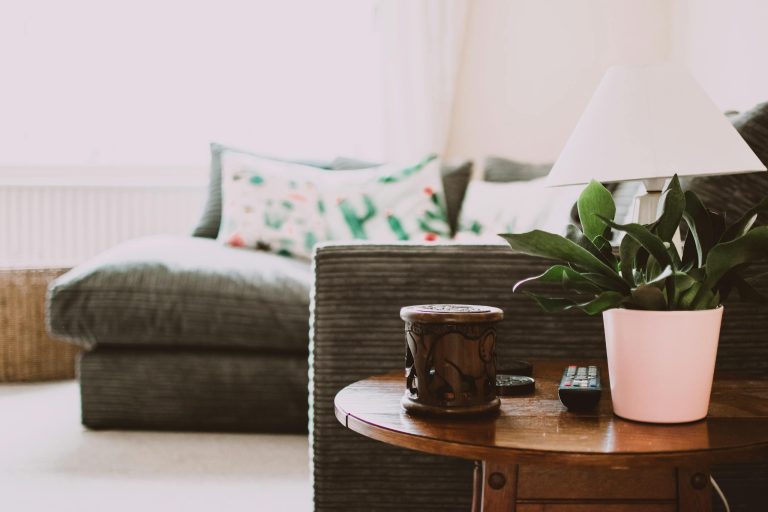
Best Bedroom Plants for Sleep: Evidence-Based Guide
Affiliate Disclosure: As an Amazon Associate I earn from qualifying purchases. Some links on this page are affiliate links. If you buy through them we earn a small commission at no extra cost to you. Our recommendations are based on research into specifications, published evidence and product listings. Learn more.
Quick Picks
Product Comparison
Best Overall  BLUEAIR Blue Pure 311i Max Check Price on Amazon | Budget Pick  BLUEAIR Large Room Purifier Check Price on Amazon | Premium Pick  Coway Airmega AP-1512HH Check Price on Amazon |
|---|
Quick picks: NICETOWN Blackout Curtains → | Doctor’s Best Magnesium → | Manta Sleep Mask →
Can adding a few houseplants to your bedroom actually improve your sleep quality? The science suggests it might, though perhaps not for the reasons you’d expect. While NASA studies from the 1980s popularized the idea that plants significantly purify indoor air, more recent research reveals a nuanced picture: bedroom plants offer real benefits for sleep, but those benefits stem more from psychological comfort and subtle environmental improvements than dramatic air filtration.
After a decade of dealing with anxiety-driven insomnia, I’ve tested countless sleep optimization strategies. Some plants sit on my bedside table not because I believe they’re scrubbing toxins from the air at night, but because their presence genuinely contributes to a calmer sleep environment. The question worth asking isn’t whether plants are miracle sleep aids, but rather which ones offer practical benefits and which claims you can safely ignore.
The Real Science Behind Bedroom Plants and Sleep
The NASA Clean Air Study from 1989 found that certain houseplants could remove volatile organic compounds like formaldehyde, benzene, and trichloroethylene from sealed chambers. Researchers tested this in space station environments where air exchange is minimal. The findings were legitimate, but here’s the critical context most articles skip: the study used sealed experimental chambers, not typical bedrooms with windows, doors, and HVAC systems.
A 2011 analysis published in Environmental Health Perspectives clarified that in normal buildings with standard air exchange, you’d need somewhere between 10 to 1,000 plants per square meter of floor space to match the air purification rates achieved in those NASA chambers. For a typical 12×12 bedroom, that’s potentially thousands of plants—hardly practical.
What actually works? The psychological and environmental benefits are more modest but real. Studies show that the presence of plants can reduce stress and anxiety by lowering blood pressure and heart rate. A 2022 systematic review found that indoor plants have both physical and cognitive relaxing effects. For someone lying awake at 3 AM with racing thoughts, that stress reduction matters more than air purification percentages.

Scent-Based Plants: Lavender, Jasmine, and Valerian
Lavender: The Most Researched Sleep Plant
Lavender (Lavandula angustifolia) has the strongest evidence base of any bedroom plant for sleep improvement. A 2022 systematic review of 20 randomized controlled trials found that 14 showed positive effects on sleep quality. The active compounds in lavender—primarily linalool and linalyl acetate—interact with GABA receptors in the brain, producing genuine calming effects.
I kept a small lavender plant on my nightstand for about six months. The scent is subtle when the plant isn’t flowering, which is actually ideal—you want gentle aromatherapy, not overwhelming fragrance. Did it cure my insomnia? No. Did it contribute to a slightly calmer bedtime routine? Probably. The real value was psychological: tending to the plant became part of my wind-down ritual.
Care requirements: Lavender needs at least 6 hours of direct sunlight daily, which makes windowsill placement essential. The plant requires well-draining soil and prefers to dry out between waterings. If your bedroom doesn’t get strong sun, lavender will struggle and likely won’t produce the aromatic compounds that provide benefits.
Reality check: Most people find it easier to use lavender essential oil on their pillow or in a diffuser than to maintain a healthy lavender plant in a bedroom environment. The plant itself is finicky about light and humidity.
Jasmine: Sweet Scent, Modest Evidence
Jasmine (Jasminum polyanthum) produces white flowers with a sweet, distinctive fragrance. Research from Wheeling Jesuit University found that people who slept in rooms with jasmine scent reported better sleep quality and reduced anxiety upon waking. The fragrance appears to have mild sedative properties.
Care requirements: Jasmine requires bright, indirect light and consistent moisture. The plant blooms seasonally, so you won’t have fragrant flowers year-round. It’s moderately difficult to care for and can be fussy about temperature changes.
Reality check: The sleep benefits depend entirely on flowering, which is inconsistent in indoor environments. You’re essentially gambling that the plant will bloom during periods when you need sleep support.
Valerian: Ancient Remedy, Limited Practicality
Valerian (Valeriana officinalis) has been used as a sleep aid for centuries. The roots contain compounds with mild sedative effects, and some people report that the scent of the flowers helps with sleep initiation. However, valerian has a distinctive smell that many find unpleasant—often described as musty or cheese-like.
Care requirements: Valerian needs full sun (6+ hours daily) and consistently moist soil. The plant grows quite tall—up to 5 feet—making it impractical for most bedside tables.
Reality check: The odor issue alone makes this a poor choice for most bedrooms. Valerian supplements or tea provide more reliable dosing of the active compounds without the space and smell concerns.

Air-Purifying Plants: Separating Fact from Marketing
Snake Plant: Low-Maintenance, Modest Benefits
Snake plants (Dracaena trifasciata, formerly Sansevieria) appear on nearly every “best bedroom plants” list, and for good reason: they’re nearly indestructible. Snake plants perform Crassulacean Acid Metabolism (CAM), meaning they release oxygen at night rather than during the day like most plants. This makes them theoretically ideal for bedrooms.
The NASA study found snake plants could remove formaldehyde and benzene from sealed chambers. In a typical bedroom, the impact is much smaller but not zero. More importantly, snake plants thrive on neglect—they prefer dry conditions and low light, making them practical for people who travel or forget to water plants.
Care requirements: Water every 2-3 weeks, tolerates low to bright indirect light, prefers temperatures above 50°F. Nearly impossible to kill unless you overwater it.
Reality check: The nighttime oxygen production is real but quantitatively trivial for a typical bedroom. You’d need a dozen snake plants to produce measurable oxygen increases. The real value is psychological—it’s greenery that won’t die if you ignore it for two weeks.
Pothos: Hardy Vine, Questionable Sleep Impact
Golden pothos (Epipremnum aureum) ranked highly in NASA’s formaldehyde-removal tests. The plant filters VOCs effectively in laboratory conditions and grows vigorously with minimal care. It’s often recommended for bedrooms because of its air-purifying reputation.
I have a pothos in my bedroom, primarily because it’s visually appealing and requires almost no maintenance. Does it improve my sleep? Honestly, I doubt it has any direct physiological effect. But it makes the room feel more alive and less clinical, which probably contributes to my overall bedroom comfort.
Care requirements: Tolerates low to medium indirect light, water when soil is dry to the touch, thrives in typical household temperatures. Grows quickly and can trail from hanging baskets or climb moss poles.
Reality check: Pothos is toxic to cats and dogs if ingested, so pet owners should avoid it. The air purification benefits in a normal bedroom are minimal, but it’s an excellent choice if you want greenery without high maintenance.
Peace Lily: Beautiful but High-Maintenance
Peace lilies (Spathiphyllum) excel at removing ammonia, benzene, and formaldehyde in laboratory tests. They also increase room humidity through transpiration, which can help with dry throat and nasal passages that disrupt sleep. The NASA study ranked them among the top air-purifying plants.
Care requirements: Peace lilies are dramatic about their water needs—they visibly droop when thirsty but recover quickly after watering. They prefer low to medium indirect light and need consistently moist (not soggy) soil. The plant is toxic to cats and dogs.
Reality check: The humidity increase is real but small—maybe 5% in a typical bedroom. If you need significant humidity for better sleep, you’re better off with an actual humidifier that you can control. Peace lilies work if you enjoy the plant itself, but they’re not a sleep optimization tool.
Spider Plant: Beginner-Friendly, Limited Sleep Benefits
Spider plants (Chlorophytum comosum) remove formaldehyde effectively in laboratory conditions and are nearly indestructible. They produce oxygen and multiply easily through offshoots, making them popular with new plant owners.
Care requirements: Tolerates a wide range of light conditions (low to bright indirect), water when top inch of soil is dry, thrives in average household temperatures. Produces baby plants that can be propagated easily.
Reality check: There’s no evidence that spider plants specifically improve sleep quality. They’re excellent starter plants and add visual interest to bedrooms, but the sleep benefits are indirect at best—primarily through creating a more pleasant environment.

Practical Considerations for Bedroom Plants
Light Requirements vs. Sleep Darkness
Here’s a practical problem most “bedroom plant” articles ignore: many beneficial plants need bright light to thrive, but optimal sleep requires darkness. I use blackout curtains and keep my bedroom pitch black at night—a non-negotiable for my sleep quality. This creates a conflict: the plants that need sun can’t get it if I’m prioritizing darkness.
The solution is selective plant placement. Put sun-loving plants like lavender on south or west-facing windowsills where curtains won’t block their daytime light access. Reserve bedside tables for low-light tolerant plants like snake plants or pothos. If you’re serious about bedroom darkness for sleep, choose plants accordingly.
Humidity and Mold Risk
Plants increase room humidity through transpiration. For some people, this is beneficial—dry air can irritate airways and disrupt sleep. For others, especially those prone to allergies or living in already humid climates, additional moisture creates mold risk.
If you keep multiple plants in a bedroom, monitor humidity levels. Ideal bedroom humidity for sleep is generally 30-50%. Above 60%, you risk mold growth in bedding and fabrics. Below 30%, you may experience dry throat and nasal irritation. A simple hygrometer ($10-15) tells you whether plants are helping or creating new problems.
Pest and Allergen Concerns
Houseplants can harbor fungus gnats, spider mites, and other pests. Potting soil can grow mold if kept too moist. For people with allergies or respiratory sensitivities, these factors may outweigh any sleep benefits from the plants themselves.
Practical precautions: Use sterile potting mix, allow soil surface to dry between waterings, inspect plants regularly for pests, and avoid overwatering. If you notice allergy symptoms worsening after adding plants, they’re counterproductive regardless of their theoretical benefits.
The Pet Safety Issue
Many popular bedroom plants are toxic to cats and dogs: pothos, peace lilies, snake plants (mildly toxic), and English ivy all pose ingestion risks. If you have pets that access your bedroom, either choose pet-safe plants like spider plants and certain ferns, or keep plants in areas pets can’t reach.

What Actually Matters for Sleep: The Hierarchy of Impact
After testing bedroom plants for years alongside dozens of other sleep optimization strategies, here’s my honest assessment of where they rank:
High impact factors: Bedroom temperature (I keep mine under 20°C), complete darkness, consistent sleep schedule, managing anxiety through acceptance rather than resistance. These factors demonstrably affect my sleep quality every single night.
Medium impact factors: Mattress quality, pillow support, noise control with earplugs, screen-free hour before bed. These make noticeable differences when optimized.
Low impact factors: Bedroom plants, specific sheets or bedding materials, blue light glasses. These might contribute to overall bedroom comfort but aren’t game-changers for sleep quality.
Plants fall in the low-impact category not because they’re useless, but because their effects are subtle and indirect. If you’ve already optimized temperature, darkness, and noise, plants might provide a small additional benefit. If you haven’t addressed those fundamentals, plants won’t compensate.
The psychological comfort of having plants in your bedroom can matter, though. When I struggled most with sleep anxiety, my bedroom felt clinical and unwelcoming—a place where I went to battle insomnia rather than rest. Adding a few low-maintenance plants made the space feel more like a sanctuary. That shift in perception probably helped more than any air purification or oxygen production.
Recommended Plants for Different Priorities
If you want aromatherapy benefits: Lavender is your only evidence-based choice, but only if you can provide 6+ hours of bright sun and don’t mind seasonal fluctuations in scent. Otherwise, use essential oil instead.
If you want extremely low maintenance: Snake plant or ZZ plant. Both tolerate neglect, low light, and infrequent watering. Neither will dramatically improve sleep, but they won’t die if you forget about them for two weeks.
If you want actual air purification: Realistically, open a window for 10 minutes daily. It’s more effective than any number of houseplants. If opening windows isn’t possible (allergies, noise, pollution), invest in a quality air purifier rather than relying on plants.
If you want humidity increase: A small humidifier gives you far more control than plants. Plants add humidity inconsistently and can create mold problems if combined with poor ventilation.
If you simply enjoy plants: Choose whatever you find visually appealing and can successfully maintain. The psychological benefit of a pleasant bedroom environment may outweigh any specific physiological effects.
How Many Plants Should You Actually Have?
The NASA research suggesting hundreds of plants per room gets repeated endlessly, creating confusion about practical numbers. Here’s a realistic framework:
For air purification: If this is your actual goal, you need impractical quantities—10+ large plants per 100 square feet for measurable VOC reduction. Most people won’t maintain this many plants in a bedroom.
For psychological benefit: Start with 1-3 plants positioned where you’ll see them regularly. More isn’t necessarily better—overcrowding creates visual clutter that can feel chaotic rather than calming.
For humidity: 2-4 moderate-sized plants (6-8 inch pots) can raise humidity by a few percentage points in a typical bedroom. Monitor with a hygrometer to ensure you’re staying in the 30-50% range.
I currently keep two plants in my bedroom: a snake plant on the dresser and a small pothos on a shelf. This number works because I can maintain them without thinking about it. Three or four plants would require more attention than I’m willing to give, and the marginal sleep benefit wouldn’t justify the extra effort.

The Bottom Line on Bedroom Plants for Sleep
Bedroom plants offer modest, primarily psychological benefits for sleep. The dramatic air purification claims are oversold—you’d need dozens of plants to match the effect of simply opening a window for 10 minutes. The aromatherapy benefits of lavender are real but require successful cultivation of a somewhat finicky plant. The nighttime oxygen production from CAM plants like snake plants is genuine but quantitatively trivial.
What works: choosing 1-3 low-maintenance plants you genuinely enjoy, positioning them where they won’t interfere with sleep-critical factors like darkness and temperature control, and maintaining them successfully without creating new stressors. Plants won’t fix insomnia or poor sleep habits, but they can contribute to a more pleasant bedroom environment.
The acceptance mindset that helped me most with anxiety-driven insomnia applies here too: plants aren’t a sleep solution you need to pursue desperately. They’re a nice addition if you enjoy them. Getting upset that your bedroom doesn’t have enough oxygen-producing plants is like getting upset that it’s raining outside—pointless worry that actually makes sleep worse. If you want plants, get plants. If not, that’s fine too. Your sleep depends far more on managing stress, optimizing temperature, and creating darkness than on whether you have a pothos on your nightstand.
For more strategies to optimize your bedroom environment, including temperature, lighting, and air quality, explore our guide on ideal bedroom temperature for sleep or learn how to make your bedroom darker for better rest. If you’re specifically concerned about air quality, our article on the best air purifiers for bedrooms provides evidence-based recommendations. Understanding ideal humidity levels for sleep can help you determine whether adding plants would genuinely improve your sleep environment or create new problems.
Read more articles on the Bedroom Environment Hub.
About the Author
Scott Hilliard has spent the past decade managing anxiety-driven insomnia through systematic testing of sleep optimization strategies, products, and techniques. Based in the UK and in his early 40s, Scott brings a Consumer Reports-style analytical approach to sleep content, emphasizing evidence-based recommendations and honest assessments of what works versus marketing hype. His personal experience with sleep challenges informs every article on liveworksleep.
Transparency & Disclosure
liveworksleep participates in affiliate programs including Amazon Associates. When you purchase products through our links, we may earn a commission at no additional cost to you. These commissions support the operation of this site and allow us to continue providing independent, detailed sleep product reviews and educational content. Our editorial content and product recommendations are based on personal testing and research, not affiliate relationships. We only recommend products we have directly tested or thoroughly researched.
Medical Disclaimer
The information provided on liveworksleep is for educational and informational purposes only. It is not intended as a substitute for professional medical advice, diagnosis, or treatment. Always seek the advice of your physician or other qualified health provider with any questions you may have regarding a medical condition or sleep disorder. Never disregard professional medical advice or delay in seeking it because of something you have read on this website. If you experience persistent sleep problems, consult a healthcare professional or sleep specialist.
Frequently Asked Questions
Do bedroom plants actually produce enough oxygen to improve sleep?
No. While CAM plants like snake plants do release oxygen at night, the quantity is negligible in a typical bedroom. You’d need dozens of large plants to produce measurable increases in oxygen levels. The oxygen you get from normal air circulation through windows, doors, and HVAC systems far exceeds what a few houseplants can provide. The sleep benefits of bedroom plants come primarily from psychological comfort and modest environmental improvements, not oxygen production.
How many plants do I need in my bedroom to purify the air?
Based on NASA research and subsequent analysis, you would need 10 to 1,000 plants per square meter of floor space to achieve meaningful air purification in a normal bedroom with standard air exchange. For a typical 12×12 foot bedroom (roughly 13 square meters), that means 130 to 13,000 plants. This is obviously impractical. Opening a window for 10 minutes provides more effective air exchange than any realistic number of houseplants.
Is lavender really proven to help with sleep?
Yes, lavender has the strongest research support of any bedroom plant for sleep improvement. A 2022 systematic review of 20 randomized controlled trials found that 14 showed positive effects on sleep quality. The active compounds in lavender interact with GABA receptors in the brain to produce genuine calming effects. However, these studies primarily used lavender essential oil or concentrated extracts rather than living plants. A potted lavender plant provides much lower concentrations of these compounds, and benefits depend on the plant flowering and releasing its scent.
Are snake plants safe to keep in the bedroom at night?
Yes, snake plants are safe in bedrooms. The old concern that plants “steal” oxygen at night is a myth. Snake plants actually perform CAM photosynthesis, releasing oxygen at night rather than carbon dioxide. However, the oxygen they produce is negligible compared to the room’s total air volume. Snake plants are mildly toxic if ingested by cats or dogs, so pet owners should keep them out of reach or choose pet-safe alternatives like spider plants.
Check current prices on Amazon: NICETOWN Blackout Curtains → | Doctor’s Best Magnesium → | Manta Sleep Mask →
Can bedroom plants cause allergies or make sleep worse?
Yes, bedroom plants can potentially worsen sleep for some people. Potting soil can harbor mold spores, especially if kept too moist. Plants can attract fungus gnats and other pests. Some people react to pollen from flowering plants. Additionally, plants increase humidity, which above 60% can promote mold growth in bedding and fabrics. If you notice increased allergy symptoms, respiratory issues, or sleep disruption after adding plants, they’re counterproductive regardless of their theoretical benefits. Monitor humidity with a hygrometer and maintain levels between 30-50%.
What’s the best low-maintenance plant for people who forget to water?
Snake plants (Dracaena trifasciata) and ZZ plants (Zamioculcas zamiifolia) are the most forgiving options. Both tolerate neglect, low light, and infrequent watering. Snake plants prefer watering every 2-3 weeks and can survive longer without water. They thrive on benign neglect—overwatering is the main way to kill them. ZZ plants have similar care requirements and can go even longer between waterings. Neither will dramatically improve sleep, but they won’t die if you travel for two weeks or forget about them.