Ooler Sleep System Review: Why This Bed Cooler Was Discontinued
Affiliate Disclosure: As an Amazon Associate I earn from qualifying purchases. Some links on this page are affiliate links. If you buy through them we earn a small commission at no extra cost to you. Our recommendations are based on research into specifications, published evidence and product listings. Learn more.
Quick Picks


When I started experimenting with bedroom temperature control about five years ago, active cooling systems like the Ooler Sleep System were just emerging as alternatives to traditional air conditioning. The promise was compelling: precise, bed-level temperature control without cooling your entire bedroom. After testing various cooling methods during my decade-long journey managing anxiety-driven insomnia, I understand why temperature regulation matters so much for sleep quality.
Important Update: The Ooler Sleep System has been discontinued by ChiliSleep (now Sleepme) and replaced by the Dock Pro system. The Ooler is no longer available new on Amazon; the Sleepme system currently available there is the Chilipad Cube. While you may still find used Ooler units available, this review focuses on what the system offered and why it’s been superseded by newer technology.
What Was the Ooler Sleep System?
The Ooler represented the second generation of ChiliSleep’s water-based bed cooling technology, released in 2019 as an upgrade to the original ChiliPad. Unlike passive cooling mattress toppers or fans, the Ooler used active water circulation to regulate bed surface temperature between 55°F and 115°F (13°C to 46°C).
Shop on Amazon: See the current Sleepme Chilipad Cube on Amazon →
The system consisted of three main components: a hydronic mattress pad placed between your mattress and fitted sheet, a control unit that pumped temperature-regulated water through the pad, and a Bluetooth-enabled smartphone app for scheduling and adjustments.
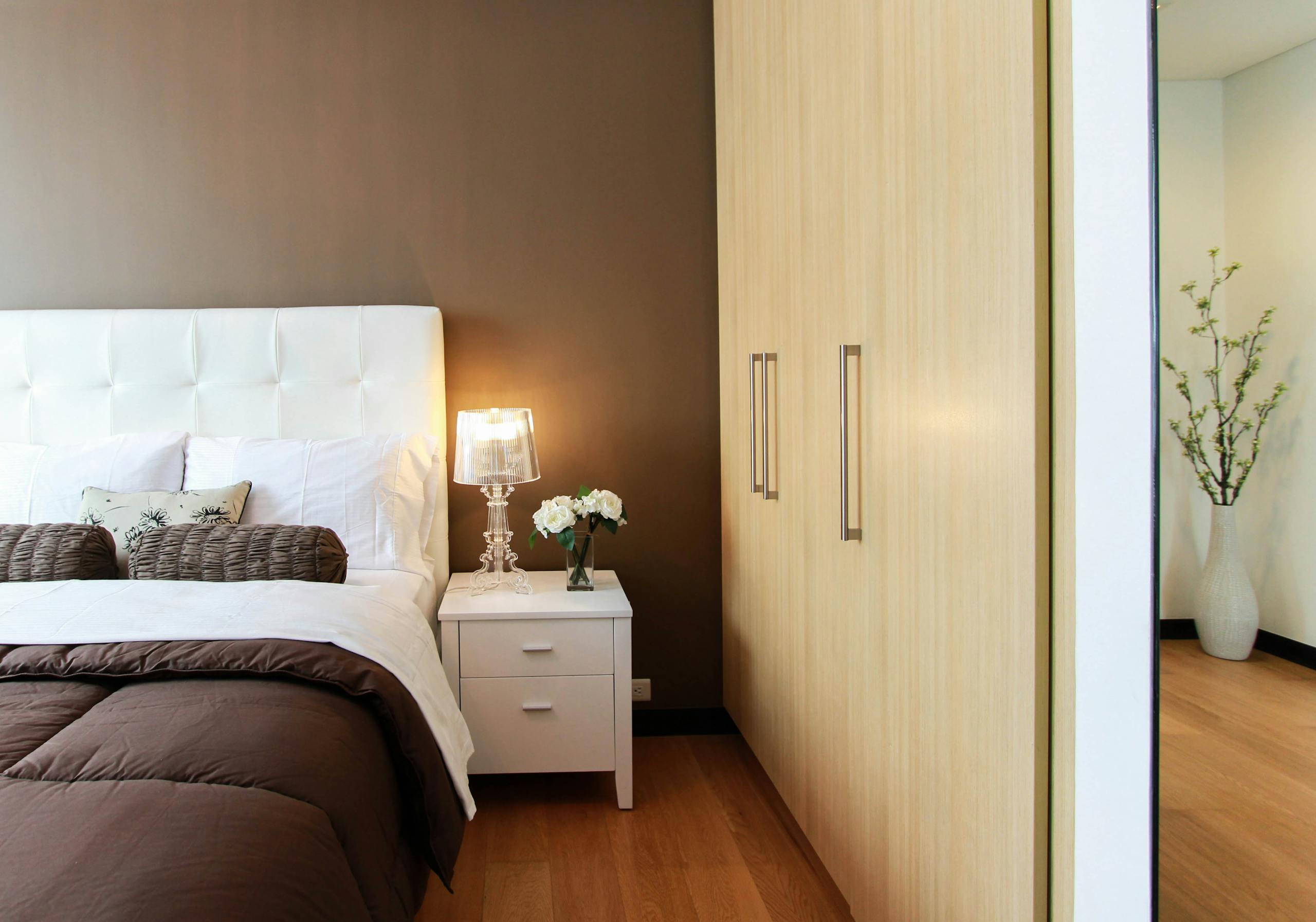
The Science Behind Temperature and Sleep
Research consistently demonstrates that bedroom temperature significantly impacts sleep quality. A comprehensive review published in the Journal of Physiological Anthropology found that thermoregulation is strongly linked to sleep regulation mechanisms, with excessively high ambient temperatures increasing wakefulness and decreasing both REM and slow-wave sleep.
This aligns perfectly with my personal experience. I’ve always slept better in winter months when my bedroom naturally stays cooler. My ideal temperature is under 20°C (68°F), and on warm summer nights when the room heats up, I notice the difference immediately. I’ll lie there feeling alert when I should be drifting off, exactly what the research describes.
A 2023 study in Science of the Total Environment examining older adults found that sleep was most efficient when nighttime ambient temperature ranged between 20°C and 25°C, with a clinically relevant 5-10% drop in sleep efficiency when temperatures exceeded 25°C to 30°C.
Key Features of the Ooler System
Temperature Range and Control
The Ooler’s 55°F to 115°F range covered both cooling and heating needs. The water-based system provided more consistent temperature regulation than air-based or electric alternatives, which tend to create hotspots or struggle to maintain precise settings throughout the night.
The Bluetooth app allowed minute-by-minute temperature scheduling. You could program the bed to warm up before climbing in, cool down as you drifted off, and gradually warm again before your alarm. This addressed one of the key findings in sleep research: core body temperature naturally drops during sleep onset and rises before waking.

Warm Awake Feature
One of the Ooler’s most innovative features was Warm Awake, which functioned as a thermal alarm clock. The system would gradually increase bed temperature about 30 minutes before your scheduled wake time, theoretically providing a more natural transition to wakefulness than a jarring sound alarm.
While I never tested the Ooler myself, this concept intrigues me. After years of managing anxiety around sleep, I’ve learned that gentle transitions matter. My morning routine starts with natural light exposure through walks outdoors, which serves a similar purpose of working with the body’s natural rhythms rather than against them.
Fan Noise Control
The Ooler offered three fan settings: Silent, Regular, and Boost modes. The Silent mode reduced operational noise but also reduced cooling power. Regular mode provided standard cooling performance, while Boost maximized cooling capacity at the cost of increased noise.
This trade-off between cooling power and noise is worth considering carefully. I’m someone who uses earplugs every single night. I love the sensation of them blocking sound, not just for the quietness but for the feeling of being “locked in” to sleep. If you’re similarly sensitive to noise, even the Silent mode might be disruptive without earplugs.

Real-World Performance: What Users Experienced
Cooling Effectiveness
User experiences with the Ooler’s cooling capacity varied significantly. Many hot sleepers reported life-changing results, particularly those dealing with night sweats or hot flashes. The water-based system effectively pulled heat away from the body throughout the night, unlike passive cooling materials that warm up over time.
However, some users found the cooling insufficient, particularly in very warm rooms or for extreme hot sleepers. The system’s approximately 100-watt cooling power couldn’t always compensate for heat production (the human body generates 200-400 watts of heat) combined with high ambient temperatures.
This limitation highlights an important principle I’ve learned through trial and error: environmental controls work best when layered. Temperature optimization isn’t about finding one perfect solution but combining multiple approaches. My setup includes blackout curtains, specific bedding choices, and maintaining overall room temperature, not relying on any single product.
Common Issues
The Ooler faced several recurring complaints. Leaking was reported by some users, though the company attributed this to evaporation rather than system failure. The control unit’s size (requiring 6 inches of clearance on all sides) made placement challenging for those with low-profile beds.
Setup complexity deterred some buyers, though most found the initial installation took only 10-15 minutes. Monthly maintenance requirements included running cleaning solution through the system and washing the mattress pad.

Comparing the Ooler to Current Alternatives
ChiliSleep Dock Pro (Current Model)
The Dock Pro replaced the Ooler with 2x the cooling power, an 18% quieter control unit, and a tubeless pad design that feels better and pulls body heat more efficiently. If you’re considering the Ooler concept, the Dock Pro represents the evolved technology.
Eight Sleep Pod 4
The Eight Sleep Pod 4 offers stronger cooling capability and advanced sleep tracking but requires a monthly subscription for full features. This subscription model is a deal-breaker for some buyers who prefer one-time purchases.
BedJet 3
The BedJet 3 uses forced air rather than water cooling, offering rapid temperature changes and no maintenance but less precise temperature control. It’s also significantly louder than water-based systems.
For a comprehensive comparison, see our guide to the best bed cooling systems, which evaluates current options across different price points and cooling needs.

Was the Ooler Worth Its Price?
At $699 to $1,499 depending on bed size, the Ooler represented a significant investment. For hot sleepers who found it effective, many considered it worth every penny, reporting dramatically improved sleep quality and daytime energy.
However, the price-to-performance ratio becomes questionable when you consider that the technology has been superseded. The Dock Pro offers measurably better performance at similar pricing, making used Ooler units a risky purchase unless heavily discounted.
This is where my Consumer Reports mindset kicks in. I always ask: what’s the real cost of ownership over time? The Ooler required monthly cleaning solution (approximately $50 annually), periodic pad replacements, and electricity costs. When a superior product exists at the same price point, the calculus shifts dramatically.
Who Should Consider Active Bed Cooling?
Active cooling systems like the Ooler made sense for specific situations. Hot sleepers who wake up sweating, couples with different temperature preferences (dual-zone models), and those experiencing night sweats from menopause or medical conditions often found significant benefit.
However, these systems aren’t necessary for everyone. I sleep better in cooler temperatures, but I achieve this through environmental controls: keeping my bedroom under 20°C, using breathable linen bedding, and maintaining complete darkness with blackout blinds. These passive methods cost far less than $700.
The decision to invest in active cooling should follow this logic: Have you optimized room temperature, bedding materials, and sleepwear? If yes, and you still struggle with heat during sleep, then active cooling becomes worth considering. If you haven’t addressed the basics, start there first.
Practical Alternatives to Consider
Before committing to an expensive active cooling system, explore these options:
- Room temperature management: Research from the Sleep Foundation recommends maintaining bedroom temperature between 60°F and 67°F (15.6°C to 19.4°C). Air conditioning or fans might solve the problem at lower cost.
- Bedding optimization: Natural materials like linen and cotton wick moisture better than synthetics. I switched to linen sheets several years ago and noticed genuine improvement in temperature regulation.
- Strategic cooling: Cooling pillows, moisture-wicking mattress protectors, and breathable toppers address heat without complex systems.
- Lifestyle adjustments: Evening exercise timing, caffeine cutoff, and room ventilation all impact sleep temperature. I learned through experience that my 2 PM caffeine deadline matters as much as any product I could buy.
The Bottom Line on the Ooler
The Ooler Sleep System represented innovative technology for its time, bringing app-controlled temperature regulation to the bedroom. For hot sleepers who found it effective, it delivered measurable improvements in sleep quality.
However, with discontinuation and the availability of superior alternatives like the Dock Pro, pursuing an Ooler makes little sense unless you find one heavily discounted secondhand. Even then, consider whether ongoing support, replacement parts, and app functionality will remain available.
If you’re serious about temperature-controlled sleep, explore current options. The best bed cooling systems guide compares active models, while our article on whether bed cooling systems actually work helps determine if this technology suits your needs.
Through my decade of managing sleep issues, I’ve learned that the best solutions often combine multiple approaches rather than relying on single products. Temperature matters enormously, but it’s one piece of a larger puzzle that includes light control, sound management, stress reduction, and acceptance of the occasional difficult night.
The Ooler aimed to solve one piece of that puzzle. For some, it succeeded brilliantly. For others, simpler solutions would have worked just as well at a fraction of the cost.
Read more articles on the Bed Cooling Systems Hub.
Medical Disclaimer
The information provided on this website is for educational and informational purposes only and is not intended as medical advice. Always consult with a qualified healthcare provider before making changes to your sleep routine, especially if you have underlying health conditions or take medications. Individual results may vary, and what works for one person may not work for another.