Best Sleep Aids for Anxiety: Products That Actually Help You Rest
Affiliate Disclosure: As an Amazon Associate I earn from qualifying purchases. Some links on this page are affiliate links. If you buy through them we earn a small commission at no extra cost to you. Our recommendations are based on research into specifications, published evidence and product listings. Learn more.
Quick Picks
Product Comparison
Best Overall  Swanson Apigenin Check Price on Amazon | Budget Pick  Natrol Melatonin Check Price on Amazon | Premium Pick  Doctor’S Best Magnesium Check Price on Amazon |
|---|
Quick picks: Doctor’s Best Magnesium → | Sports Research L-Theanine → | Natrol Melatonin →
Finding effective sleep aids when anxiety keeps you awake requires understanding that the problem runs deeper than typical sleeplessness. After a decade of managing anxiety-driven insomnia, I can tell you that the products marketed as miracle cures rarely live up to their promises. What actually works tends to be less glamorous but far more effective.
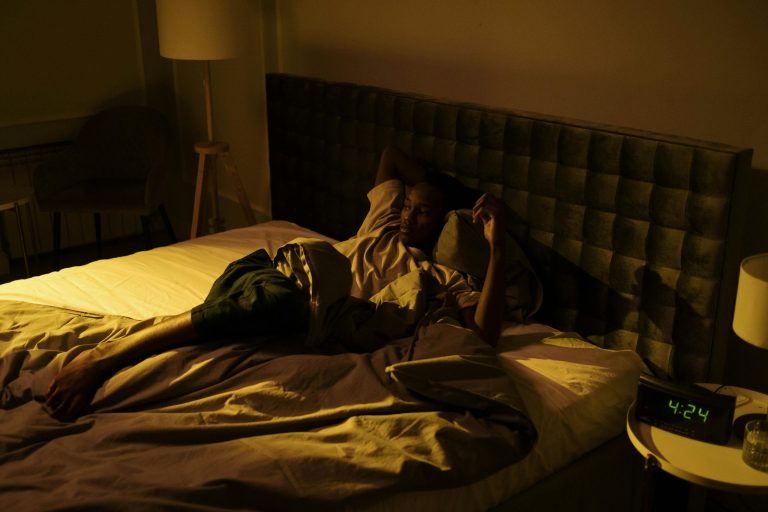
The connection between anxiety and poor sleep creates a particularly frustrating cycle. You lie awake worrying, then start worrying about not sleeping, which makes sleep even more elusive. I remember countless nights staring at the ceiling thinking, “I have to get up in five hours. How am I going to function tomorrow?” That thought alone was enough to keep me awake for another hour.
This guide examines sleep aids that specifically address anxiety-related sleep problems. Rather than generic recommendations, I focus on products and approaches that tackle the underlying nervous system activation keeping you awake. Some of these surprised me with their effectiveness, while others that seemed promising turned out to be disappointing.
Why Anxiety Makes Sleep So Difficult
Before evaluating sleep aids, it helps to understand what happens physiologically when anxiety disrupts sleep. Your sympathetic nervous system activates, releasing stress hormones that signal your body to stay alert. This biological response served our ancestors well when predators lurked nearby, but it becomes problematic when the “threat” is tomorrow’s work presentation.

Standard sleep hygiene advice often falls short for anxiety-driven insomnia. I did everything “right” for years: consistent bedtime, dark room, no caffeine after lunch. None of it addressed the fundamental problem that my brain simply wouldn’t switch off. The products that finally helped were those designed to calm the nervous system, not just encourage drowsiness.
Weighted Blankets: The Unexpected Game Changer
I’ll admit I was skeptical about weighted blankets. They seemed like another wellness trend destined to collect dust. But the first time I tried one, I was genuinely surprised. The sensation of gentle, distributed pressure felt immediately calming. It wasn’t subtle either. Within minutes, I noticed my breathing slow and my shoulders drop from their usual position near my ears.
The science behind weighted blankets involves deep pressure stimulation, which activates the parasympathetic nervous system. A 2020 randomized controlled study published in the Journal of Clinical Sleep Medicine found that weighted blankets significantly improved insomnia severity in patients with anxiety disorders, with participants showing a large effect size improvement compared to control groups using light blankets.
For anxiety-related sleep problems specifically, weighted blankets address the physiological arousal that keeps you awake. The pressure triggers a calming response similar to being hugged or held, which can interrupt the racing thoughts and physical tension that characterize anxious wakefulness. If you’re considering this option, our guide to the best weighted blankets for anxiety covers specific models and weight recommendations in detail.
The main drawback I’ve found is size. Most weighted blankets are designed for single beds, which means they can slide off if you move around. I wish manufacturers offered larger options that covered the entire mattress. Still, even with occasional repositioning, the calming effect makes this my top recommendation for anxiety-related sleep difficulties.
Melatonin Supplements: What the Research Actually Shows
Melatonin generates considerable debate in sleep communities. Some swear by it; others report no effect whatsoever. After years of experimentation, I’ve found melatonin helpful, but with important caveats that the marketing rarely mentions.

According to the National Center for Complementary and Integrative Health, melatonin may help with certain conditions like jet lag and delayed sleep-wake phase disorder, but evidence for its effectiveness with general insomnia remains limited. The American Academy of Sleep Medicine and American College of Physicians don’t strongly recommend melatonin as a standalone treatment for chronic insomnia.
My approach involves taking 10mg in gummy form about an hour before bed. Consistency matters more than single-dose effects. It’s not an “as-needed” solution that works immediately. The supplement seems to build up in your system over time, and I notice the benefits most when I use it regularly. Whether that’s a genuine biological effect or partly placebo, I honestly don’t know. But as I’ve come to think about it: if something helps me sleep and has minimal side effects, does the mechanism really matter?
The Sleep Foundation notes that melatonin supplements vary significantly in quality and actual melatonin content since they’re not regulated as strictly as medications. Choosing reputable brands becomes important. Start with lower doses and work up if needed, as some research suggests higher doses aren’t necessarily more effective.
Magnesium: The Mineral Worth Considering
Magnesium supplementation has gained attention for both sleep and anxiety. A 2024 systematic review examining clinical trials found that five out of seven studies measuring anxiety-related outcomes reported improvements with magnesium supplementation, and five out of eight sleep-related studies showed benefits for sleep parameters.
I take magnesium alongside melatonin about an hour before bed. The research suggests magnesium may be particularly helpful for people with low baseline magnesium levels, which is more common than you might expect. Interestingly, this might explain why my late-night porridge habit seems to help me sleep. Oats are naturally high in magnesium, and I stumbled onto this accidentally before understanding the science behind it.
The form of magnesium matters. Magnesium glycinate and magnesium bisglycinate are generally recommended for sleep and anxiety because they’re well-absorbed and less likely to cause digestive issues than other forms. Standard doses range from 200 to 400mg, though you should discuss specific amounts with a healthcare provider.
Sound Management: White Noise and Earplugs
Environmental sound control deserves more attention than it typically receives in sleep aid discussions. For anxiety-prone sleepers, unexpected noises trigger the startle response that makes falling back asleep difficult. Two opposite approaches both work depending on your preferences.
White noise machines create consistent ambient sound that masks sudden noises. According to Harvard Health, studies have found that white noise can reduce sleep arousals caused by hospital sounds and may help some people fall asleep more easily by providing a predictable audio backdrop. The research remains somewhat preliminary, but the mechanism makes sense for anxiety-related sleep problems where hypervigilance to sounds keeps you alert.
My personal preference runs the opposite direction. Earplugs have become absolutely essential for my sleep. It’s not just the noise blocking. There’s something about the sensation itself that signals to my brain that it’s time to rest. I feel safe and kind of locked in, which helps counteract the hyperawareness that anxiety creates. The dawn chorus used to wake me hours before my alarm; earplugs solved that problem completely.
Quality matters with earplugs. Cheap foam versions can cause ear irritation with regular use. Silicone or custom-molded options cost more but prove worthwhile for nightly use. Some people find the pressure uncomfortable, so experimentation may be necessary before finding your preferred option.
Sleep Apps and Meditation: Digital Solutions
Sleep apps occupy a complicated space. They can genuinely help, but they can also become another source of anxiety if you start obsessing over sleep scores. I’ve tried several, including Calm, Headspace, and a lesser-known app called Illuminate that offers some interesting relaxation techniques.
The most useful features for anxiety-related sleep problems are guided progressive muscle relaxation exercises. These can be amazing at times. You systematically tense and release muscle groups, which interrupts the physical tension that anxiety creates. The apps provide structured guidance that’s helpful when your mind won’t settle enough to remember a relaxation sequence on your own. For a detailed comparison of options, see our review of the best meditation apps for sleep anxiety.
Sleep tracking features warrant more caution. I’ve experienced this personally: you could feel great, then look at the app showing poor sleep scores, and suddenly convince yourself you’re tired. For anxiety-prone individuals, this data can become counterproductive. Consider using apps for the relaxation content while ignoring or disabling the tracking features.
Breathing Techniques: Free and Effective
I’m including breathing exercises here because they complement physical sleep aids effectively and cost nothing. After trying various approaches, I’m convinced that breathing techniques really work. Anyone who thinks they don’t isn’t doing them correctly. Slow, controlled breathing triggers a physiological response in your body. When you deliberately slow your breathing, your whole system calms down. It’s science, not wishful thinking.
The 4-7-8 technique works well: inhale for four counts, hold for seven, exhale for eight. Box breathing offers another option: four counts each for inhale, hold, exhale, and hold again. These can be practiced lying in bed and combined with other sleep aids for enhanced effect.
For persistent racing thoughts at bedtime, I’ve found counting backwards from 1000 surprisingly effective. The task requires enough concentration that you don’t have mental space for anxious thoughts, yet it’s boring enough to encourage drowsiness. It’s like counting sheep but demands more focus.
The Worry Journal: Addressing Anxiety Directly
A worry journal isn’t a physical product, but it’s one of the most effective “sleep aids” I’ve encountered for anxiety. My therapist introduced this technique, and it works better than many supplements or gadgets.
The process involves writing down everything on your mind before bed, then systematically working through each item. Ask yourself: is this something I can do anything about right now? If not, worrying serves no purpose. If yes, make a note to address it tomorrow and let it go for tonight. This simple practice stops thoughts from circling endlessly in your head. For a comprehensive approach, explore our guide on how to stop anxiety at night.
The key insight my therapist provided was reframing. The things keeping you awake are life events. Nobody’s going to die. They’re not catastrophes. This perspective shift doesn’t minimize legitimate concerns but helps contextualize them appropriately for 2 AM when solutions aren’t possible anyway.
Environment Optimization: The Foundation
Environmental factors support the effectiveness of other sleep aids. A cool room, ideally no warmer than 20°C, helps your body reach the lower core temperature associated with sleep onset. Complete darkness matters more than most people realize. I use both blackout blinds and curtains together because achieving truly pitch-black conditions requires redundancy.

Quality bedding contributes more than expected. Linen sheets have benefits many people don’t realize: they regulate temperature effectively and feel notably different from standard cotton. A supportive mattress remains one of the most important basics. I recommend spending at least $1000 if possible, as this is something you use every night for years.
Building an effective sleep routine for anxiety involves combining environmental optimization with the products and techniques discussed throughout this guide.
What Didn’t Work: Learning from Failures
Not everything marketed for anxiety-related sleep problems delivers results. Lavender oil sprayed on pillows did nothing noticeable for me despite widespread recommendations. Chamomile tea proved counterproductive because I’m not a tea drinker, so forcing myself to consume something unpleasant before bed created stress rather than relaxation.
Blue light blocking glasses remain inconclusive in my experience. They don’t seem to make things worse, but I can’t confidently say they improve my sleep either. The research is mixed, and individual responses likely vary. Hot baths before bed, despite understanding the science about core temperature drops, never worked particularly well for me personally.
Alcohol deserves specific mention as something to avoid. A few drinks might knock you out initially, but alcohol disrupts sleep quality significantly. The sleep you get isn’t restorative, and many people experience increased anxiety the following day as the alcohol metabolizes.
The Mindset Shift That Changed Everything
After a decade of trial and error, the most valuable lesson I’ve learned isn’t about any specific product. It’s about acceptance. Getting upset about not sleeping is like getting upset that it’s raining outside. It’s pointless. There’s just no purpose in it.
This doesn’t mean giving up on sleep improvement. It means releasing the anxiety about occasional bad nights. My current approach when sleep won’t come: I acknowledge it, remind myself it will sort itself out eventually, and stop fighting. Paradoxically, this acceptance often leads to sleep arriving more quickly than when I desperately tried to force it.
It can feel like the end of the world during a sleepless night, but it’s genuinely not. There are things you can do to improve your situation. It can be very debilitating, but you have to take a deep breath about the whole thing. If you don’t, you’re actually making matters worse.
Building Your Personal Sleep Aid Strategy
The most effective approach combines multiple strategies rather than relying on any single product. Based on my experience, I’d prioritize in this order: weighted blanket for immediate calming effect, consistent supplement routine with magnesium and melatonin, environmental optimization for darkness and cool temperature, breathing exercises and worry journaling for mental preparation, and sound management through either white noise or earplugs depending on your preference.
Individual responses vary significantly. What works brilliantly for one person may do nothing for another. The products recommended here have research support and have proven effective in my personal experience, but you’ll likely need to experiment to find your optimal combination.
If anxiety-related sleep problems persist despite trying various aids, consulting a healthcare provider makes sense. Cognitive behavioral therapy for insomnia addresses the underlying thought patterns driving sleep anxiety and has strong research support. Sometimes prescription options become appropriate, though I’d encourage trying behavioral approaches and supplements first.
Frequently Asked Questions
What is the best natural sleep aid for anxiety?
Weighted blankets consistently rank as the most effective natural option for anxiety-related sleep problems. The deep pressure stimulation directly addresses the nervous system activation that keeps anxious individuals awake. Magnesium supplements also show promise in research, particularly for people with mild anxiety and low baseline magnesium levels.
Does melatonin help with anxiety-related insomnia?
Melatonin may help some people with anxiety-related insomnia, but research specifically for this application remains limited. It works best when taken consistently over time rather than as an occasional sleep aid. Combining melatonin with anxiety-management techniques like breathing exercises or worry journaling typically produces better results than melatonin alone.
Are sleep apps helpful for anxiety?
Sleep apps offer useful features like guided progressive muscle relaxation and breathing exercises that help calm anxious minds before bed. However, the sleep tracking features can backfire for anxiety-prone individuals who may become preoccupied with their scores. Consider using apps for relaxation content while ignoring tracking data.
How heavy should a weighted blanket be for anxiety?
The general recommendation is 10 percent of your body weight, though research in clinical settings has used blankets ranging from 6 to 8 kilograms with positive results. Start with a moderate weight and adjust based on your comfort. Some people prefer heavier options for stronger pressure sensation.
Check current prices on Amazon: Doctor’s Best Magnesium → | Sports Research L-Theanine → | Natrol Melatonin →
Can white noise make anxiety worse?
For most people, white noise helps by masking unpredictable environmental sounds that trigger the startle response. However, some individuals find continuous sound irritating rather than soothing. If white noise increases your alertness, try earplugs instead or experiment with other sound colors like pink noise, which has deeper tones some find more relaxing.
Safety Notice: This article provides general information about sleep aids and supplements. Consult a healthcare provider before starting any new supplement regimen, especially if you take medications or have underlying health conditions. If anxiety significantly impacts your daily life, professional mental health support may be beneficial.
Read more articles on the Sleep for Anxiety Hub.
About the Author
Scott Hilliard has spent over a decade managing anxiety-driven insomnia, transforming personal struggle into practical expertise. Through extensive self-education, professional consultations, and systematic product testing, he developed the evidence-based approach to sleep improvement that informs liveworksleep. His recommendations combine scientific research with real-world experience from someone who truly understands what it means to lie awake at night.