How to Stop Anxiety at Night: Evidence-Based Techniques That Actually Work
The bedroom should be a sanctuary, but for millions of people, it becomes a battleground where racing thoughts wage war against rest. Nighttime anxiety transforms what should be peaceful hours into a frustrating cycle of worry, clock-watching, and mounting dread about the consequences of another sleepless night.
Quick Picks


I know this pattern intimately. About ten years ago, increased work responsibility made it increasingly difficult to switch off at the end of the day. What started as occasional restlessness evolved into something more persistent. As I lay awake staring at the ceiling, I would get anxious about lack of sleep. The internal monologue became relentless: “I have to get up in X hours. How am I going to function in my life and my job without enough sleep?” Over time, I began to fear going to bed because I feared not being able to sleep. The very act of getting into bed triggered anxiety rather than relaxation.
This experience taught me something crucial that research has since confirmed: nighttime anxiety is a specific challenge requiring targeted solutions. General sleep hygiene advice, while valuable, often fails to address the psychological component that keeps anxious minds churning after dark. This guide draws on both clinical evidence and practical experience to provide techniques that genuinely help when anxiety strikes at night.
Understanding the Anxiety-Sleep Connection
The relationship between anxiety and sleep operates as a bidirectional cycle. Poor sleep increases anxiety, and anxiety disrupts sleep, creating a feedback loop that can feel impossible to break. Research published in Frontiers in Neurology demonstrates that anxiety and depression have an additive effect on insomnia severity, with sleep problems exacerbating both conditions simultaneously.
What makes nighttime anxiety particularly challenging is the absence of daytime distractions. During waking hours, work, social interactions, and activities occupy mental bandwidth. At night, with external stimulation removed, the mind turns inward, often focusing on worries that seemed manageable during the day but feel overwhelming in the quiet darkness.
According to the Sleep Foundation, approximately 50% of people with anxiety disorders experience significant sleep disturbances. The relationship works through several mechanisms: elevated cortisol levels, hyperarousal of the nervous system, and cognitive patterns that keep the brain in a vigilant state incompatible with sleep.
The spiral I experienced illustrates this perfectly. My issue was specifically initiating sleep, not maintaining it. Once asleep, I stayed asleep. But the process of falling asleep became loaded with anticipatory anxiety. Each failed attempt to sleep reinforced the belief that sleep was difficult, which made subsequent attempts even harder. This is the essence of psychophysiological insomnia, where the bedroom environment becomes associated with wakefulness rather than rest.
The Worry Diary: A Foundational Technique
Among the techniques I learned from working with a therapist, the worry diary has proven most consistently valuable. The principle is straightforward but the execution requires commitment: at the end of each day, write down everything on your mind, then systematically evaluate each concern.
For each worry, ask yourself: “Is this something I can do anything about right now?” If the answer is no, there is genuinely no point in worrying about it at this moment. If the answer is yes, write down when you will address it tomorrow. This process externalizes anxious thoughts, removing them from the endless loop of rumination. Things that circle endlessly in your head lose some of their power when committed to paper.
The reframe that accompanied this technique was equally important. The things you are dealing with are life events. Nobody is going to die. They are not catastrophes. This perspective shift does not minimize legitimate concerns but does prevent the inflation of everyday stressors into existential crises that justify sleepless nights.

The worry diary works because it addresses the cognitive component of nighttime anxiety directly. Rather than trying to suppress anxious thoughts, which research shows often backfires, you acknowledge them, categorize them, and create a plan. This structured approach provides the sense of control that anxiety undermines.
Progressive Muscle Relaxation
Progressive muscle relaxation can be amazing at times. I discovered this technique through sleep apps and have used it regularly since. The practice involves systematically tensing and releasing muscle groups throughout the body, starting typically with the feet and working upward.
The physiological basis for progressive muscle relaxation is well-established. A study in Complementary Therapies in Clinical Practice found that participants who practiced progressive muscle relaxation for 30 minutes daily showed statistically significant reductions in anxiety scores and improvements in sleep quality compared to control groups.
The technique works on multiple levels. Physically, it reduces muscle tension that many people carry without awareness, particularly in the shoulders, jaw, and neck. Psychologically, it redirects attention from anxious thoughts to bodily sensations. The systematic nature of the practice, moving through muscle groups in sequence, provides a focal point that interrupts rumination.
Harvard Health recommends the following approach: lie in a comfortable position, take several slow deep breaths, then begin with your toes and feet. Curl your toes and arch your feet briefly, then relax completely. Notice the sensation of release. Continue this pattern through calves, thighs, abdomen, chest, arms, hands, neck, and face.
For those interested in exploring other relaxation approaches, our guide on grounding techniques for sleep covers complementary methods that can be combined with progressive muscle relaxation for enhanced effect.
Breathing Exercises: The Physiological Response
Breathing exercises all really work. Anyone who thinks they do not is not doing them right. It is a physiological response. Slow your breathing and your whole body calms. It is science.
This direct statement reflects my experience after testing numerous approaches. The mechanism is the activation of the parasympathetic nervous system, which counteracts the sympathetic “fight or flight” response that characterizes anxiety. Deep, slow breathing stimulates the vagus nerve, triggering a cascade of calming effects including reduced heart rate, lowered blood pressure, and decreased cortisol production.

Several breathing patterns have demonstrated effectiveness:
The 4-7-8 technique involves inhaling for four counts, holding for seven, and exhaling for eight. This extended exhale is particularly important because exhalation activates parasympathetic responses more strongly than inhalation.
Box breathing uses equal counts for each phase: inhale for four counts, hold for four, exhale for four, hold for four. The symmetry provides a simple framework that is easy to remember when anxious.
Diaphragmatic breathing focuses on deep belly breaths rather than shallow chest breathing. Place one hand on your chest and one on your abdomen. The goal is movement in your abdomen while your chest remains relatively still.
The key is practice during calm moments, not just during anxiety episodes. Building familiarity with these techniques when you are relaxed makes them more accessible when you need them. Consider combining breathing exercises with approaches from our guide to meditation apps for sleep, which can provide guided sessions for structured practice.
Cognitive Restructuring: Changing Your Relationship With Sleep
Perhaps the most important shift in my decade-long journey with anxiety-driven insomnia has been cognitive. The old pattern was straightforward but destructive: I cannot sleep, therefore I am anxious about not sleeping, which makes it even harder to sleep. The spiral intensified until some nights I was so tired yet completely unable to rest.
The breakthrough came through acceptance. The new pattern sounds almost too simple: I cannot sleep. Okay. It would be great if I could, but I cannot. Whatever. It will sort itself out eventually.
I think of it like the weather. Getting upset about not sleeping is like getting upset that it is raining outside. It is pointless. There is just no point. This is not resignation or defeat. It is the recognition that fighting against sleeplessness creates more arousal and anxiety, which perpetuates the very problem you are trying to solve.
This acceptance-based approach aligns with principles from Cognitive Behavioral Therapy for Insomnia, which research has established as the most effective non-pharmacological treatment for chronic insomnia. CBT-I targets the perpetuating factors that maintain insomnia over time, particularly the cognitive patterns and behaviors that develop in response to sleep difficulties.
Common dysfunctional beliefs that benefit from restructuring include: “I must get eight hours or I cannot function,” “A bad night’s sleep will ruin tomorrow,” and “I have no control over my sleep.” Each of these beliefs increases anxiety around sleep and can be replaced with more accurate, helpful alternatives. For readers who experience intense cognitive activity at bedtime, our article on racing thoughts at bedtime solutions provides additional targeted strategies.
The Counting Backwards Technique
When anxious thoughts persist despite other techniques, counting backwards from 1000 provides a surprisingly effective intervention. You have to concentrate on the task so much that you do not have space in your head for anxious thoughts. It is like counting sheep but requires more focus.
The cognitive load of counting backwards prevents rumination by occupying the mental resources that would otherwise generate worry. This is not about reaching any particular number. Most people drift off well before getting very far. The goal is the process, not the destination.

Variations on this technique include counting backwards by threes or sevens, which increases cognitive demand, or visualizing each number in a specific color or font. The key is finding a version that requires enough attention to disrupt anxiety without being so difficult that it creates its own stress.
Environmental Optimization for Anxious Sleepers
While environment alone cannot solve anxiety-driven insomnia, certain conditions are non-negotiable for anxious sleepers. Complete darkness is essential. Pitch black is the standard to aim for, using both blackout blinds and curtains to achieve it. Any light, even from devices on standby, can signal wakefulness to an already hypervigilant brain.
Temperature matters more than many people realize. A cool room, no warmer than 20°C (68°F), supports the natural drop in core body temperature that accompanies sleep onset. Anxious individuals often run warmer due to elevated cortisol and sympathetic nervous system activation, making cool temperatures even more important.
Research from Harvard Medical School confirms the bidirectional relationship between sleep environment and mood, noting that poor sleep affects not only mood but also how we process emotional information.
Sound control presents another consideration. I love the sensation of earplugs in my ear. It creates a feeling of being safe and locked in, beyond just the noise blocking itself. The dawn chorus that would otherwise wake me too early is eliminated, but so is the hypervigilance to household sounds that can keep an anxious mind alert.
One product that genuinely surprised me was a weighted blanket. The first time I tried it, I thought, wow, this is really nice. The sensation of pressure is incredibly comforting. While weighted blankets do not work for everyone, for those with anxiety, the deep pressure stimulation can reduce cortisol and increase serotonin production. If this approach interests you, our guide to weighted blankets for anxiety evaluates specific options.
Building an Evening Routine That Reduces Anxiety
The hours before bed significantly impact nighttime anxiety levels. Work tasks must be finished well before approaching the bedroom. Even when working late, I take at least 30 minutes to wind down rather than shutting the laptop and trying to sleep. It simply will not work otherwise.
Evening television serves a specific purpose in my routine: escapism. Fictional content, lighter shows, and nothing too heavy or documentary-style that might prompt thinking or worrying. The goal is mental disengagement, allowing the brain to transition from problem-solving mode to rest mode.
Screen-free time before bed has become non-negotiable. Approximately one hour without phone use allows the mind to settle. This is not just about blue light exposure, though that matters. It is about the cognitive stimulation that comes from social media, news, email, and the endless scroll of content designed to capture attention.
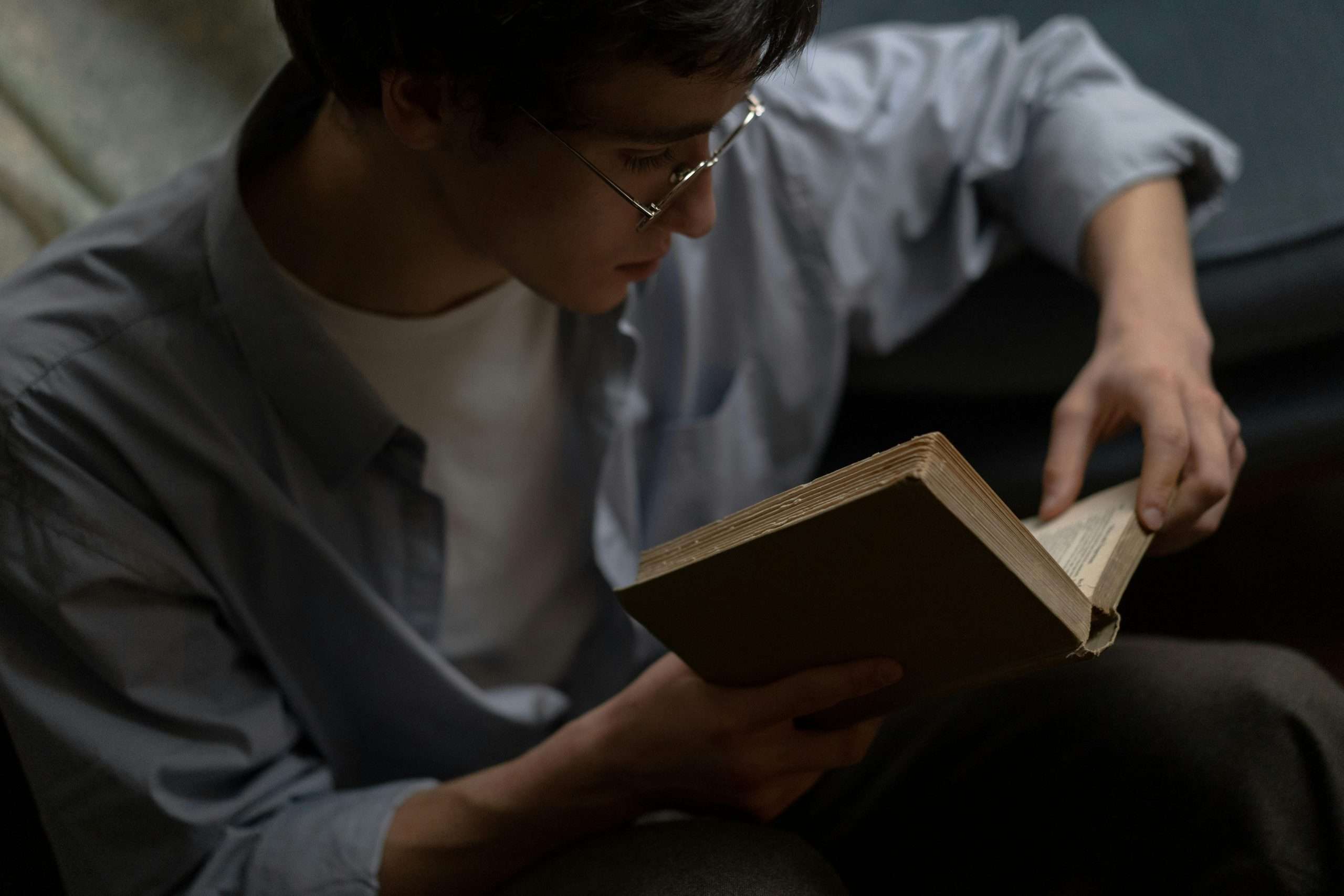
Reading before bed has become a cornerstone of my routine. Thirty minutes with a physical book, preferably fiction, works well for cleansing the brain. Some nights only two or three pages happen before drowsiness sets in. The discipline is not getting too absorbed in an exciting plot that delays sleep further.
For those looking to develop a comprehensive evening routine, our article on the best sleep routine for anxiety provides a structured framework with additional evidence-based components.
One addition that helped me personally was swapping late-night scrolling for listening. Once the lights are off and there’s nothing to look at, a calm audiobook or a sleep story gives an anxious mind something gentle to follow instead of letting it spiral. If you want to try it, a free 30-day Audible trial lets you test sleep stories and slow narration at no cost before deciding whether it earns a place in your wind-down.
Supplements and Natural Approaches
Supplements occupy a complicated space in anxiety and sleep management. My experience has been mixed but includes some genuine successes. Melatonin at up to 10mg in gummy form, taken about an hour before bed alongside magnesium and zinc, has proven helpful. The key insight is that melatonin has to build up in your system. It is not an as-needed fix. Consistency matters more than dose.
Maybe it is all placebo, but if it helps, does it matter? This pragmatic approach has served me well. The psychological benefit of having a pre-sleep ritual that includes supplements may contribute to their effectiveness regardless of direct physiological action.
What did not work includes lavender oil sprayed on pillows, which made no noticeable impact, and chamomile tea. As someone who is not a tea drinker, forcing something unpleasant was the opposite of relaxing. This points to an important principle: techniques must fit your preferences and lifestyle. What works for others may not work for you, and that is fine.
For a comprehensive overview of supplement options, our guide to sleep aids for anxiety evaluates specific products and their evidence base.
When to Seek Professional Help
Self-help techniques have their limits. My journey included both medical consultations and therapy, and the combination proved more effective than either alone. A GP provided initial recommendations including antihistamines and, when needed, prescription options. A therapist introduced the worry diary and cognitive reframing techniques that addressed the psychological roots of the problem.
Consider seeking professional help if nighttime anxiety persists for more than a few weeks despite implementing self-help strategies, if anxiety significantly impairs daytime functioning, or if you find yourself relying on alcohol or other substances to sleep. Sleep problems lasting longer than three months typically benefit from professional assessment.
The stigma around sleep problems remains significant. During my worst period, about a month of consistently poor sleep where I called in sick to work multiple times, I lied about having an illness rather than admitting to sleep deprivation because it felt like a weak excuse. In retrospect, this attitude delayed getting appropriate help.
Daytime Habits That Influence Nighttime Anxiety
What happens during the day profoundly affects nighttime anxiety levels. Caffeine cutoff at 2 PM is non-negotiable. Even if you do not feel caffeinated, the stimulant’s half-life means it continues affecting your nervous system for hours after consumption.
Morning walks and outdoor time have proven remarkably powerful for sleep quality. Even 20 minutes of early morning exposure to natural light, but ideally 1 to 1.5 hours of walking outdoors over the course of the day, is so powerful for good quality sleep. This is about circadian rhythm regulation. Morning light exposure sets your internal clock, which determines when your body becomes sleepy at night.
Exercise timing matters. Running two to three times weekly plus strength training, always during the day rather than evenings, supports sleep without creating additional arousal close to bedtime. Evening exercise can elevate heart rate, core temperature, and cortisol levels, all of which oppose sleep onset.
The Long View: Acceptance and Progress
After a decade of managing anxiety-driven insomnia, the condition has not disappeared but has become manageable. Bad nights still happen. Certain triggers, usually work stress or significant life events, can restart the pattern temporarily. But the tools exist, and more importantly, the relationship with sleep has fundamentally changed.
It can feel like the end of the world, but it is not. Accept the fact that it is just one of those things. There are things you can do to improve your situation. It can be very debilitating, but you have to take a deep breath about the whole thing, because if you do not, you are actually just making matters worse.
This message is not dismissive of the genuine suffering that nighttime anxiety causes. It is recognition that the path forward requires both practical techniques and a fundamental shift in how you think about sleep. Fighting against sleeplessness perpetuates it. Accepting that some nights will be difficult, while implementing evidence-based strategies consistently, creates the conditions for improvement.
Sleep is absolutely crucial to overall health and well-being. As somebody who had no issues with sleep, then hit issues with sleep, then overcame issues with sleep, the knowledge and experience accumulated along that journey has value. These techniques work, not because they are magic, but because they address both the physiological and psychological components of nighttime anxiety. Start with one or two approaches, be consistent, and give yourself permission to have imperfect nights while working toward better ones.
Frequently Asked Questions
Why does anxiety seem worse at night?
Without the distractions of daytime activities, the mind has space to focus on worries. Additionally, fatigue reduces our capacity for emotional regulation, making anxious thoughts feel more overwhelming. The quiet, dark environment removes the sensory input that normally occupies attention, allowing rumination to dominate.
How long does it take for these techniques to work?
Breathing and relaxation techniques can provide some immediate relief, while cognitive restructuring and habit changes typically require weeks of consistent practice. Expect gradual improvement rather than overnight transformation. Most research on cognitive behavioral approaches shows significant improvement within four to eight weeks of regular practice.
Should I take medication for nighttime anxiety?
Medication can be appropriate for some people, particularly when anxiety is severe or other conditions are present. However, research supports behavioral and cognitive approaches as first-line treatments for most cases of anxiety-related sleep difficulties. Discuss options with a healthcare provider who can evaluate your specific situation.
What if I wake up anxious in the middle of the night?
Apply the same techniques: breathing exercises, progressive muscle relaxation, or the counting backwards method. If sleep does not return within 15 to 20 minutes, some experts recommend getting up briefly for a quiet, non-stimulating activity before returning to bed. The key is avoiding screen use or anything that increases alertness.
Can anxiety cause physical symptoms that interfere with sleep?
Absolutely. Anxiety commonly manifests as increased heart rate, muscle tension, shallow breathing, and gastrointestinal discomfort. These physical symptoms can make sleep difficult even when mental anxiety feels manageable. Techniques like progressive muscle relaxation specifically target these physical manifestations.
Medical Disclaimer: This content is for informational purposes only and does not constitute medical advice. Persistent sleep difficulties or anxiety symptoms should be evaluated by a qualified healthcare provider. The techniques described here complement but do not replace professional treatment when indicated.
Read more articles on the Sleep for Anxiety Hub.
About the Author: Scott Hilliard has spent over a decade managing anxiety-driven insomnia, combining personal experience with extensive research to help others navigate similar challenges. His approach emphasizes practical, evidence-based techniques that address both the psychological and physiological aspects of nighttime anxiety.