Best Travel Sleep Accessories: Essential Gear for Better Rest on the Road
Affiliate Disclosure: As an Amazon Associate I earn from qualifying purchases. Some links on this page are affiliate links. If you buy through them we earn a small commission at no extra cost to you. Our recommendations are based on research into specifications, published evidence and product listings. Learn more.
Quick Picks
Product Comparison
Best Overall  Manta Original Sleep Mask Check Price on Amazon | Premium Pick  MZOO 3D Sleep Mask Check Price on Amazon |
|---|
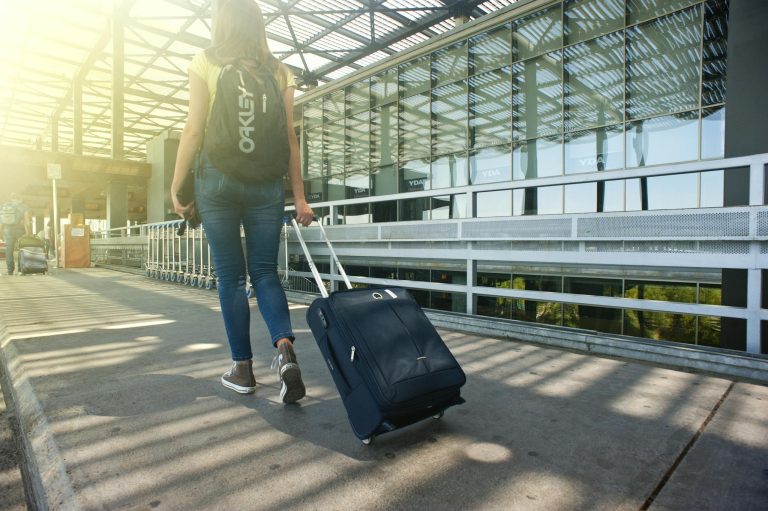
Getting quality sleep while traveling is notoriously difficult. Between cramped airplane seats, time zone changes, unfamiliar hotel rooms, and disrupted routines, even naturally good sleepers struggle to rest properly on the road. After a decade managing anxiety-driven insomnia, I know firsthand how challenging travel sleep becomes when your baseline sleep is already compromised. The right accessories can make the difference between arriving exhausted or reasonably refreshed.
Shop on Amazon: Cabeau Evolution Pillow → | Manta Sleep Mask →
This guide examines essential travel sleep accessories based on practical testing, sleep science research, and realistic value assessments. Rather than endorsing every gadget marketed to travelers, I focus on products that address genuine sleep disruptions during travel.

Why Travel Disrupts Sleep
Travel creates multiple challenges for sleep quality. Research shows that air travel leads to acute sleep deprivation through several mechanisms: upright seating positions that prevent proper rest, cabin noise and light exposure, pressurized environments that affect breathing, and circadian rhythm disruption from crossing time zones. These factors compound for travelers already dealing with sleep issues.
During my worst period of sleep problems, even a short domestic flight would derail my carefully managed routine for days. The anxiety about not being able to sleep in transit made the problem worse. Over time, I learned which accessories actually helped versus which were marketing hype.
The Sleep Foundation notes that sleep quality typically suffers on the first night in any unfamiliar environment, a phenomenon called the “first-night effect.” Your brain essentially maintains partial vigilance when sleeping somewhere new. Travel compounds this with schedule disruptions, environmental changes, and the stress of logistics. Learn more about practical strategies for sleeping on planes to understand how accessories fit into broader travel sleep approaches.
Essential Travel Sleep Accessories
Travel Pillows: Beyond the Basic Horseshoe
The ubiquitous U-shaped travel pillow sold in airport shops represents the bare minimum of neck support. After testing several designs, I can confirm that not all travel pillows function equally. The problem with standard horseshoe pillows is the rounded back section that pushes your head forward, creating neck strain rather than preventing it.
Memory foam versions with flattened backs perform significantly better. The Cabeau Evolution S3 features raised side supports and a flat rear that sits flush against the seat, preventing forward head tilt. The adjustable clasp lets you customize tightness to prevent side-to-side head bobbing. During a recent seven-hour flight, this design actually allowed me to doze for about two hours, which never happened with cheaper airport pillows.
The Trtl Travel Pillow uses a completely different approach with an internal plastic brace wrapped in soft fleece. It provides rigid support when positioned to the side, though some users find it restrictive when positioned frontally. The compact design takes minimal luggage space, making it practical for frequent travelers with tight packing constraints.
For longer flights where you want to lean forward rather than upright, the Travelrest inflatable pillow sits across your lap, providing a larger rest surface. It works well if you typically sleep leaning to one side, though it does less to prevent forward head dropping compared to 360-degree neck support designs.
Realistic assessment: A quality travel pillow costs $25-60. For occasional travelers taking one long flight annually, the basic horseshoe suffices. For frequent travelers or anyone with existing neck issues, the investment in superior designs pays dividends in reduced pain and better rest. Explore our detailed analysis of the best travel pillows for sleeping to understand specific design differences.
Sleep Masks: Blocking Light Effectively
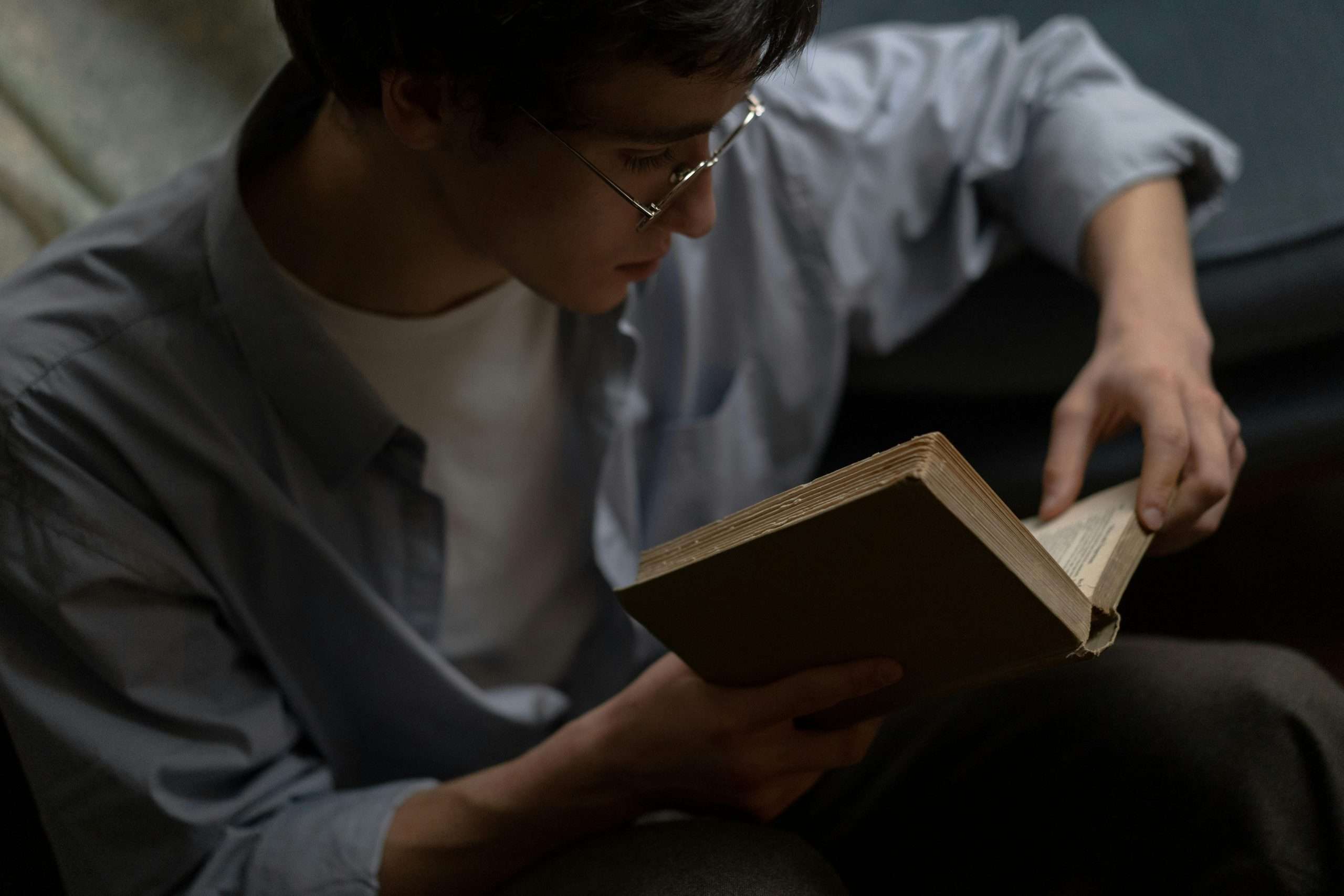
Light exposure is one of the strongest signals affecting your circadian rhythm. Even small amounts of light can suppress melatonin production and keep you alert when you need to sleep. Airplane cabins rarely provide complete darkness, with overhead reading lights, screen glows, and sunrise through windows all disrupting rest.
I’m particular about sleep masks because I already use complete blackout in my bedroom at home. The cheap elastic masks from amenity kits let in light around the edges and slide during sleep. Contoured masks with deeper eye cups prevent eyelash contact while fully blocking light. The Manta Sleep Mask uses adjustable eye cups that create a custom fit without pressure on your eyes.
Some travelers prefer Bluetooth sleep masks that combine light blocking with audio for white noise or meditation tracks. These eliminate the need for separate headphones, though they add bulk and require charging. Research on how travel disrupts sleep patterns confirms that light and noise management significantly improve in-flight rest quality.
For me, the key feature is secure fit without uncomfortable pressure. A mask that slides down your face mid-flight defeats its purpose entirely. Adjustable straps and contoured designs prevent this issue, though you may need to try several styles to find your ideal fit.
Realistic assessment: Basic masks cost $5-15, while premium contoured or Bluetooth versions reach $30-60. The light-blocking function works similarly across price points; you’re paying for comfort, fit quality, and additional features. For occasional use, budget options suffice. For regular travelers, the comfort difference justifies moderate investment.
Earplugs and Noise-Canceling Headphones
I love the sensation of earplugs in my ears. I feel safe and locked in, not just from the noise blocking but from the physical sensation itself. At home, I use earplugs nightly without exception. This habit translates perfectly to travel, where ambient noise from engines, conversations, babies crying, and announcements creates constant sleep disruption.
Disposable foam earplugs offer the highest noise reduction (typically 30-33 decibels) but can feel uncomfortable for extended wear. Silicone or wax moldable plugs provide moderate reduction (20-25 decibels) with better comfort. High-fidelity earplugs designed for musicians reduce volume without completely blocking sound, allowing you to hear important announcements while filtering harsh noise.
Noise-canceling headphones work differently, using active technology to counteract low-frequency sounds like engine rumble. They excel at reducing that constant background drone but handle sudden noises like conversations or crying less effectively. The Bose QuietComfort and Sony WH-1000XM series represent the performance standard, though numerous quality alternatives exist at lower price points.
My preference remains basic earplugs for actual sleep, reserving noise-canceling headphones for reading or relaxing before attempting rest. The headphones add bulk and require charging, while earplugs take no space and need no power. However, travelers who struggle with earplug insertion or find them uncomfortable may prefer the headphone route.
Realistic assessment: Quality earplugs cost $5-20 for reusable sets. Noise-canceling headphones range from $100 for decent budget models to $300+ for flagship versions. For sleep specifically, earplugs provide better value and performance. For overall travel comfort including entertainment, quality headphones serve multiple functions.

Compression Socks and Footrests
Extended sitting during travel causes blood to pool in your legs, leading to swelling, discomfort, and increased risk of deep vein thrombosis on very long flights. While not traditionally categorized as “sleep accessories,” compression socks and footrests significantly affect comfort during rest attempts.
Graduated compression socks apply pressure that decreases from ankle to calf, promoting blood flow back toward your heart. Medical-grade compression requires proper fitting and higher pressures (15-30 mmHg), while travel-grade versions offer lighter compression (8-15 mmHg) suitable for healthy travelers on long flights. They won’t cure existing circulation problems but reduce the swelling and restlessness that interfere with sleep.
Footrest hammocks attach to your tray table, letting you elevate your feet into a more natural sleeping position. This relieves lower back pressure and allows you to stretch your legs somewhat. The compact fabric design packs flat and weighs negligible amounts, making it practical for any luggage size.
I didn’t appreciate these items until a particularly uncomfortable red-eye flight left me with swollen ankles and aching legs. Now compression socks are non-negotiable for flights exceeding four hours, and the footrest has become part of my standard travel kit.
Realistic assessment: Compression socks cost $10-30 depending on quality and compression level. Footrest hammocks run $10-20. Both offer high value for the minimal cost and space requirements. If you fly longer routes regularly, these accessories prevent discomfort that undermines sleep attempts.
Portable White Noise Machines and Apps
Consistent background sound masks sudden noises that jolt you awake. Hotels with thin walls, street noise, or inconsiderate neighbors benefit from white noise machines. Some travelers use dedicated portable devices, while others rely on smartphone apps.
The LectroFan Micro generates true white noise, pink noise, and brown noise in a compact package smaller than a deck of cards. Battery-powered operation means no outlet hunting in hotel rooms. The volume reaches sufficient levels to mask most ambient sounds without becoming intrusive itself.
Smartphone apps like myNoise or White Noise Generator offer unlimited variety and cost nothing beyond your phone’s existing functionality. However, they drain battery during overnight use and require placing your phone near your head, potentially exposing you to electromagnetic fields and blue light if you check it during the night.
I’ve used both approaches. The dedicated device provides better sound quality and eliminates phone-related temptations, but the app suffices for occasional travel where packing space is tight. For more comprehensive strategies beyond just accessories, consider reviewing our guide on beating jet lag which addresses circadian rhythm management.
Realistic assessment: Portable white noise machines cost $20-50. Apps range from free to $10. The dedicated device wins for serious travelers or light sleepers. Apps work fine for occasional needs. Neither substitutes for actually addressing noise sources (like requesting a quieter room), but both help when environmental control proves impossible.

Supplementary Accessories Worth Considering
Portable Door Locks and Security Devices
Feeling unsafe prevents sleep more effectively than any environmental factor. The Addalock portable door lock reinforces hotel room security using the existing strike plate, adding protection without permanent installation. It weighs negligible amounts and costs around $10-15.
For travelers who struggle with anxiety about security, this simple device provides genuine peace of mind. I’ve used one since a concerning experience in a budget hotel with a faulty lock. The mental reassurance it provides helps me relax enough to actually sleep, which is the entire purpose.
Realistic assessment: At $10-15, the cost versus benefit ratio strongly favors purchase for anyone with security concerns. Even if you never face an actual threat, the reduced anxiety justifies the minimal expense.
Travel-Sized Aromatherapy and Essential Oils
Lavender oil spray on your pillow is one of those recommendations you see everywhere. In my testing, it did absolutely nothing for my sleep quality. The scent was pleasant but not sleep-inducing. However, individual responses to aromatherapy vary considerably.
Some travelers report genuine benefits from lavender, chamomile, or bergamot scents. The placebo effect, if present, still produces real sleep improvements. Travel-sized rollers or spray bottles take minimal space and cost $5-15. If you already use aromatherapy successfully at home, bringing travel versions makes sense. Don’t expect aromatherapy alone to overcome significant sleep challenges.
Realistic assessment: Low cost and minimal space make experimentation risk-free. Set realistic expectations based on your existing aromatherapy responses. This accessory complements other strategies rather than functioning as a primary solution.
Hydration Accessories
Airplane cabin air contains humidity levels around 10-20%, far below the 30-60% comfortable range. This extreme dryness causes dehydration that worsens sleep quality and leaves you feeling terrible upon arrival. Staying properly hydrated during flight helps minimize these effects.
A reusable water bottle lets you fill up after security screening and maintain hydration throughout the flight without constantly requesting service. Insulated bottles keep water cold for hours, making hydration more appealing. Electrolyte powder packets (sugar-free versions) help replace minerals lost through the dry air and limited fluid intake.
I learned this lesson during a particularly rough transatlantic flight where I woke up with a pounding headache and cotton mouth. Now I drink significantly more water than feels necessary during travel, and the difference in how I feel upon arrival is substantial.
Realistic assessment: Reusable water bottles cost $10-30 for quality insulated versions. Electrolyte packets run $5-15 for multi-use containers. Both serve purposes beyond sleep improvement, making them solid travel investments regardless.
Blackout Sleep Tents for Traveling With Children
If you travel with a baby or toddler, light control becomes the single hardest variable to manage in an unfamiliar hotel room or shared vacation rental. Young children sleep best in darkness, and most accommodations simply can’t deliver it. A portable blackout sleep tent that fits over a travel crib or pack-and-play solves this by creating a dark, private sleep space anywhere.
The SlumberPod blackout sleep tent is the best-known option in this category, with built-in ventilation, pockets for a fan and monitor, and a design that lets parents keep the lights on in a shared room without disrupting the child. It packs down small enough for checked or carry-on luggage, making it a realistic addition to a family travel sleep kit.
Building Your Essential Travel Sleep Kit
Creating an effective travel sleep kit requires balancing comprehensiveness with portability. Every item added increases weight and volume, eventually becoming counterproductive if your luggage becomes unwieldy.
My minimal kit for short domestic trips includes: quality earplugs, a basic sleep mask, and a travel pillow. This combination addresses the primary sleep disruptors (noise, light, uncomfortable positioning) without excessive bulk.
For longer international flights, I add: compression socks, a footrest hammock, electrolyte packets, and a portable white noise machine. The incremental additions justify themselves through significantly improved comfort during extended travel.
For hotel stays, I include: the portable door lock, a small clip-on fan for air circulation, and sometimes a sleep tracker to monitor how travel affects my patterns. These items help recreate elements of my home sleep environment in unfamiliar settings.
The key insight is that accessories support good sleep practices rather than creating them. No pillow or mask compensates for poor sleep hygiene, excessive caffeine, or severe jet lag. Think of these items as tools that remove barriers to sleep, not miracle solutions that guarantee rest regardless of circumstances.
For comprehensive approaches to managing jet lag beyond accessories alone, our guide on the best products for jet lag examines tools and techniques that address circadian rhythm disruption directly.
Common Mistakes When Using Travel Sleep Accessories
Over-reliance on accessories without addressing fundamental sleep needs creates disappointment. A $60 travel pillow won’t help if you’re consuming espresso three hours before a red-eye flight. Similarly, the best sleep mask proves useless if you’re doom-scrolling on your phone right up until attempting sleep.
Another common error involves buying too many items simultaneously, creating a bulky, complicated sleep kit that becomes a burden rather than an aid. Start with essentials addressing your specific sleep disruptors, then add items based on actual experience rather than marketing claims.
Failing to test accessories before major trips ranks high among preventable mistakes. Discovering that your new sleep mask gives you a headache or your earplug style doesn’t fit properly becomes far more frustrating mid-journey than during home testing. Try new items for at least one night at home before depending on them during important travel.
I made this mistake with an inflatable travel pillow that seemed ingenious when purchased but proved miserably uncomfortable during an actual flight. Testing it at home beforehand would have revealed the issue without ruining my travel sleep.
When Accessories Aren’t Enough
Some sleep disruptions during travel exceed what accessories can address. Severe anxiety about flying, significant time zone changes crossing multiple zones, or underlying sleep disorders all require more comprehensive approaches.
My anxiety-driven insomnia means that even with perfect accessories, some travel situations prove impossibly challenging. On those occasions, I focus on damage control: accepting that this particular flight won’t provide quality rest, planning recovery time after arrival, and avoiding the spiral of anxiety about not sleeping that makes everything worse.
Getting upset about not sleeping is like getting upset that it’s raining outside. There’s just no point. This acceptance-based approach, developed through years of sleep struggles, helps me maintain equilibrium even when circumstances prevent rest.
Melatonin supplements, properly timed light exposure, and sometimes prescription sleep aids become necessary for travelers facing severe jet lag or extended international travel. Our detailed coverage of melatonin for jet lag explains the evidence and protocols for using this supplement effectively during travel.
Consult your doctor before using sleep medications, particularly if you have existing health conditions or take other medications. The interaction between sleep aids, time zone changes, and travel stress creates complexity beyond the scope of over-the-counter solutions.
Final Recommendations
Travel sleep accessories work best when matched to your specific needs and travel patterns. Frequent business travelers flying internationally need different tools than occasional vacation travelers taking short domestic flights.
For minimal investment with maximum impact, prioritize: quality earplugs (or noise-canceling headphones if you prefer), a properly designed travel pillow, and a comfortable sleep mask. These three items address the primary sleep disruptors during travel and cost under $100 for quality versions.
Add compression socks and a footrest for long flights. Consider white noise machines or apps for hotel stays in noisy locations. Supplement with hydration tools and security devices based on your specific concerns and experiences.
Remember that accessories support good sleep practices rather than replacing them. Maintain reasonable sleep hygiene during travel: limit caffeine and alcohol, give yourself time to wind down before sleep attempts, and avoid excessive screen time immediately before rest. The combination of sensible habits and appropriate accessories provides your best chance of arriving refreshed rather than exhausted.
After ten years of managing difficult sleep, I’ve learned that perfection isn’t the goal. Getting reasonably decent rest during travel, arriving functional rather than wrecked, represents success. The right accessories help achieve that realistic objective without magical thinking about transforming airplane seats into luxury beds.
Transparency Box
Affiliate Disclosure: This article contains affiliate links to travel sleep accessories. If you purchase through these links, liveworksleep may earn a commission at no additional cost to you. These commissions support our work providing honest, research-based sleep guidance. All recommendations reflect products I have researched thoroughly. I prioritize genuine value assessment over commission potential.
Read more articles on the Travel Sleep Hub.
Shop on Amazon: Cabeau Evolution Pillow → | Manta Sleep Mask → | Natrol Melatonin →
About the Author
Scott Hilliard | Sleep & Wellness Writer
Scott has managed anxiety-driven insomnia for over 10 years, testing countless sleep products and techniques. His approach combines personal experience with evidence-based research to provide practical guidance for real-world sleep challenges. When not writing about sleep, Scott focuses on maintaining the routines and practices that keep his sleep on track.
Sources
- Sleep Foundation. “Travel and Sleep: Potential Sleep Disruptions & Tips.” https://www.sleepfoundation.org/travel-and-sleep
- Sleep Foundation. “How to Sleep on a Plane.” https://www.sleepfoundation.org/travel/how-to-sleep-on-a-plane
- CNN Underscored. “The Best Sleep Products We Tested in 2025.” Accessed December 2024.
- No Sleep, No Problems. “The Best Travel Pillows: I Compare 10.” Independent testing review, 2024.
- Sleepopolis. “18 Travel Sleep Products For Better Sleep On The Go (2025).” Product testing analysis.