Best Nightlights for Seniors: Motion Sensor Options for Safety and Sleep
Affiliate Disclosure: As an Amazon Associate I earn from qualifying purchases. Some links on this page are affiliate links. If you buy through them we earn a small commission at no extra cost to you. Our recommendations are based on research into specifications, published evidence and product listings. Learn more.
Quick Picks
Product Comparison
Best Overall  Philips SmartSleep Check Price on Amazon | Budget Pick  Philips Hf3500 Check Price on Amazon | Premium Pick 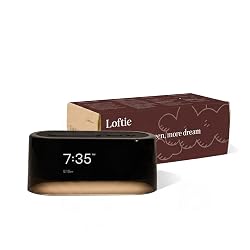 Loftie Clock Check Price on Amazon |
|---|
Getting up in the middle of the night shouldn’t feel like navigating an obstacle course in the dark. For seniors, those bathroom trips and late-night movements carry real risks that a simple nightlight can help address. According to the Centers for Disease Control and Prevention, falls among adults 65 and older caused over 38,000 deaths in 2021, making them the leading cause of injury death for that age group. Emergency departments recorded nearly 3 million visits for older adult falls that same year.
I spend a lot of time thinking about sleep environments, and the lighting question for seniors presents an interesting challenge. My own sleep preference leans toward complete darkness, but safety obviously has to come first. The goal with senior nightlights isn’t just illumination; it’s finding that careful balance between enough light to prevent falls and gentle enough lighting to preserve sleep quality. After researching the science and examining what features actually matter, I’ve put together this guide to help you choose the right nightlights for yourself or an aging parent.

Why Nightlights Matter More as We Age
The bathroom represents the most common location for nighttime falls among seniors. Research published in Health and Social Care in the Community found that among Medicare beneficiaries who experienced falls, over half had implemented bathroom modifications, suggesting a widespread recognition of bathroom fall risks. The study noted that fear of falling and daily living limitations significantly influenced whether older adults made safety modifications to their homes.
Shop on Amazon: Shop JALL Wake Up Light →
Age-related vision changes compound this problem. The American Optometric Association notes that seniors experience difficulty seeing in low light conditions, problems adapting from dark to bright environments, and reduced peripheral vision. These natural changes mean older adults genuinely need more illumination to see clearly, particularly during those groggy middle-of-the-night bathroom trips when reflexes and balance may be compromised.
When my son was born, I experienced firsthand how challenging sleep deprivation can be. For seniors dealing with nocturia (frequent nighttime urination) or other conditions requiring multiple bathroom visits, the fatigue compounds quickly. A well-placed nightlight removes one variable from the equation, allowing safer navigation without fully waking the brain.
Light Color Science: Why Amber and Red Beat White
Not all nightlights are created equal when it comes to protecting sleep. The color of light matters enormously. Harvard Health explains that blue light suppresses melatonin more powerfully than other wavelengths, and even dim light can interfere with circadian rhythms. Their research found that blue light suppressed melatonin for about twice as long as green light of comparable brightness.
Harvard’s recommendation? Use dim red lights for nightlights, as red light is less likely to shift circadian rhythm and suppress melatonin. A systematic review in Chronobiology International confirmed these findings, noting that evening exposure to blue light (around 460 nm wavelength) significantly suppresses melatonin production, while longer wavelengths (like red at 631 nm) have minimal impact on sleep hormones.

Having tested blue light glasses myself over the past year, I remain uncertain about their direct impact on my sleep. What I am confident about, based on the research, is that avoiding bright white or blue-tinted lights during nighttime hours makes physiological sense. For nightlights specifically, this means prioritizing amber, red, or warm orange options over cool white LEDs.
Motion Sensor Technology: The Senior-Friendly Standard
Motion-activated nightlights have become the default recommendation for seniors, and for good reason. They eliminate the need to fumble for switches in the dark, turning on automatically when movement is detected and switching off after a period of inactivity. Most quality motion sensors detect movement within an 8 to 15 foot range with a sensing angle between 90 and 120 degrees.
For someone with early cognitive decline or dementia, motion-sensing lights remove the cognitive load of remembering to turn lights on and off. They simply work, providing illumination precisely when needed. This automatic functionality also means the lights won’t stay on all night unnecessarily, which both conserves battery life and prevents constant light exposure that could disrupt sleep.
The value proposition here is straightforward. Motion sensor nightlights typically cost between 10 and 30 pounds for multi-packs, and they can meaningfully reduce fall risk. When you consider that a single fall can lead to hip fractures, hospital stays, and loss of independence, a few pounds spent on proper lighting represents an obvious investment in safety.
Key Features to Look For
When evaluating nightlights for seniors, several features separate genuinely useful products from those that will end up in a drawer.
Power Source Options
Plug-in nightlights offer set-and-forget convenience but require accessible outlets. Battery-operated options provide flexibility for placement anywhere, including stairs, bed rails, and closets. Rechargeable models with USB charging offer the best of both worlds, eliminating ongoing battery costs while maintaining portability. For hallways and bathrooms, plug-in models typically make sense. For bedside or stair applications, battery-powered options allow optimal placement.
Brightness and Adjustability
Some seniors need brighter illumination due to significant vision loss, while others are sensitive to light and need the dimmest possible option. Adjustable brightness settings accommodate both scenarios. Look for nightlights with multiple brightness levels or dimmer controls. The sweet spot provides enough light to see clearly without flooding the space with wake-promoting illumination.
Dusk-to-Dawn Sensors
Some nightlights include photocell sensors that activate only when ambient light drops below a threshold. These work well for hallways and bathrooms that receive natural light during the day. Combined with motion sensors, dusk-to-dawn technology ensures lights only activate when actually needed, conserving energy and preventing unnecessary daytime operation.
Secure Mounting
For battery-operated options, adhesive backing or magnetic mounting allows secure placement on walls, bed frames, or stair risers. Strong adhesive matters, particularly for lights placed where they might be bumped or knocked. Many seniors find magnetic mounting particularly convenient as it allows easy removal for charging or battery replacement without damaging paint or surfaces.
Room-by-Room Placement Strategy
Strategic placement maximizes safety benefits while minimizing sleep disruption. Each room presents different challenges and requires tailored solutions.
Bedroom
The bedroom requires the most careful consideration since this is where sleep quality matters most. Position a motion-sensor nightlight near the bed, ideally at floor level to illuminate the path without shining directly into eyes. Red or deep amber colours work best here. Some people benefit from nightlights attached directly to bed rails or bed frames, activating only when movement suggests someone is getting up.
I prefer my bedroom as dark as possible for sleep, using blackout blinds and curtains together. For seniors who need nighttime visibility, the compromise is using the dimmest possible amber light positioned to illuminate the floor rather than the sleeping area. The goal is seeing where to step, not lighting the entire room.

Hallway
Hallways connecting bedrooms to bathrooms represent high-risk transit zones. Motion-activated lights work brilliantly here, switching on as someone enters the hallway and providing guidance to the destination. Place lights at regular intervals in longer hallways, ensuring no section falls into complete darkness. Low-mounted lights reduce eye-level glare while effectively illuminating the walking path.
Bathroom
The bathroom deserves special attention given its status as the most common location for nighttime falls. Consider multiple light positions: one near the door that activates upon entry, and potentially a second near the toilet. Toilet-mounted lights that illuminate the bowl have grown popular; they clip onto the toilet rim and activate when approached, providing targeted light exactly where needed without bright overhead illumination.
Avoid placing nightlights where they might reflect off mirrors or glossy surfaces, which can create confusing glare. Waterproof or moisture-resistant ratings matter for bathroom placement, as steam and humidity can damage electronics over time.
Stairs
Stairs require careful lighting to make each step visible. Stick-on battery lights along stair risers or handrails can illuminate the entire staircase. Motion sensors at the top and bottom of stairs ensure lights activate before anyone begins ascending or descending. For stairs between floors, consider lights that remain on slightly longer, accounting for the time needed to traverse the full flight.
What to Avoid
Several common nightlight choices actually work against good sleep and safety.
Bright white LED nightlights may seem like they provide better visibility, but they contain substantial blue light wavelengths that suppress melatonin. After exposure to bright white light during a bathroom trip, falling back asleep becomes harder. The temporary visibility improvement isn’t worth the sleep disruption.
Nightlights positioned at eye level when lying in bed can interfere with sleep even when not being looked at directly. Position lights below bed height or ensure they’re blocked from direct sightlines when in bed.
Cheap nightlights without proper certifications may overheat or present electrical hazards. Look for products with appropriate safety certifications and avoid unknown brands without reviews or safety documentation.
Installation and Maintenance Tips
Proper installation ensures nightlights perform as intended. For plug-in models, ensure outlets aren’t blocked by furniture and the light projects into the room rather than behind objects. For adhesive-mounted options, clean surfaces thoroughly before applying and allow adhesive to set fully before relying on the mount.
Battery-operated lights require periodic checking. Set a calendar reminder to test batteries monthly, as a dead nightlight provides no protection. Rechargeable models simplify this process but still need regular charging schedules.
Over time, LED brightness can diminish, and motion sensors may become less responsive. Replace nightlights every few years or when performance degrades noticeably. Given the low cost of most options, this represents minimal ongoing expense for meaningful safety benefits.
Beyond Nightlights: Comprehensive Sleep Environment Safety
Nightlights address one aspect of nighttime safety, but they work best as part of a broader approach. Clear pathways free of tripping hazards matter as much as illumination. Non-slip mats in bathrooms, grab bars near toilets and showers, and removing loose rugs all contribute to fall prevention.
For seniors with significant vision changes or frequent nighttime waking, a discussion with their doctor about underlying causes makes sense. Conditions like sleep apnoea, nocturia from prostate issues, or medication side effects might be addressed directly, reducing the frequency of nighttime bathroom trips. Understanding how sleep changes with age helps set realistic expectations and identify when changes warrant medical attention.
If you’re helping an aging parent set up their sleep environment, consider the broader picture. The right mattress for seniors can reduce nighttime discomfort and restlessness. For those with significant mobility challenges, an adjustable bed might ease the process of getting in and out of bed safely.
Making the Right Choice
The best nightlight for any senior depends on their specific needs, home layout, and vision status. Someone with mild vision changes might need only a simple amber plug-in light in the bathroom. A senior with significant vision loss and frequent nighttime trips might benefit from a comprehensive system of motion-activated lights throughout their home.
Start with the highest-risk areas: the path from bedroom to bathroom. Evaluate that setup for a few weeks before expanding to other locations. Ask the senior using the lights whether they provide adequate visibility without being too bright. Their feedback matters more than specifications on packaging.
The modest investment in proper nighttime lighting can preserve independence and prevent life-changing injuries. When you weigh the cost of a few quality nightlights against the potential consequences of a fall, the decision becomes straightforward. Choose amber or red wavelengths to protect sleep, prioritise motion sensors for convenience, and place lights strategically throughout the home. These simple steps create a safer nighttime environment that doesn’t sacrifice sleep quality.
For seniors struggling with sleep quality beyond safety concerns, exploring safe sleep aids for the elderly or addressing underlying insomnia in older adults may help. Sometimes the solution isn’t just about seeing in the dark; it’s about sleeping well enough that those nighttime trips become less frequent in the first place.
Frequently Asked Questions
What colour nightlight is best for seniors?
Amber, red, or warm orange nightlights are ideal for seniors. These colours have longer wavelengths that don’t suppress melatonin production, allowing easier return to sleep after bathroom trips. Avoid cool white or blue-tinted lights, which can disrupt circadian rhythms and make falling back asleep more difficult.
How bright should a nightlight be for elderly users?
Bright enough to see the floor and potential obstacles, but dim enough to avoid fully waking the brain. Adjustable brightness settings work best, as vision needs vary significantly between individuals. The light should illuminate walking paths without creating glare or flooding the room with illumination.
Are motion sensor nightlights worth it for seniors?
Yes. Motion sensor nightlights eliminate the need to find switches in the dark, reducing fall risk during that initial disoriented moment of waking. They also conserve energy by only activating when needed. For seniors with cognitive decline, automatic operation removes the burden of remembering to use the lights.
Where should nightlights be placed for senior safety?
Focus on the bedroom-to-bathroom path first, as this represents the highest-risk nighttime journey. Place lights near the bed, in hallways, and in the bathroom. For multi-storey homes, stairways require careful lighting along risers or handrails. Position lights at floor level when possible to illuminate walking surfaces without eye-level glare.
Shop on Amazon: Shop JALL Wake Up Light →
Top picks on Amazon: Natrol Melatonin → | Doctor’s Best Magnesium Glycinate → | Manta Sleep Mask →
Can nightlights interfere with sleep quality?
They can if chosen poorly. Bright white nightlights with blue wavelengths suppress melatonin and make falling back asleep harder. Properly selected amber or red nightlights with motion sensors minimise this concern by activating only when needed and using sleep-friendly wavelengths. Position lights to avoid direct sightlines from the bed.
Read more articles on the Sleep for Seniors Hub.
About the Author
Scott Hilliard has spent over a decade managing anxiety-driven insomnia, giving him firsthand experience with the importance of optimising sleep environments. Through years of trial and error with various products, supplements, and techniques, he’s developed a practical, evidence-based approach to sleep improvement. Scott writes for liveworksleep to share what he’s learned and help others navigate their own sleep challenges.