Screen Time and Sleep: The Truth About Blue Light and Evening Device Use
Our screens dominate modern life. Between work computers, smartphones, tablets, and evening television, the average adult spends over seven hours daily staring at digital displays. This constant connectivity offers undeniable benefits for productivity and entertainment, but mounting evidence suggests that our screen habits carry a significant cost: disrupted sleep.
Quick Picks


The relationship between screen time and sleep quality has become one of the most studied topics in sleep science, particularly as technology use continues to rise across all age groups. While the “blue light from screens ruins your sleep” narrative has become common knowledge, the complete picture is more nuanced than most people realize.
I learned this firsthand during my years managing anxiety-driven insomnia. Like most people, I assumed checking my phone before bed was harmless, maybe even relaxing. I was wrong. When I finally instituted a screen-free hour before sleep, the difference was noticeable within days. But understanding why screen time affects sleep quality and what actually makes the biggest difference required digging into both the research and my own patterns.
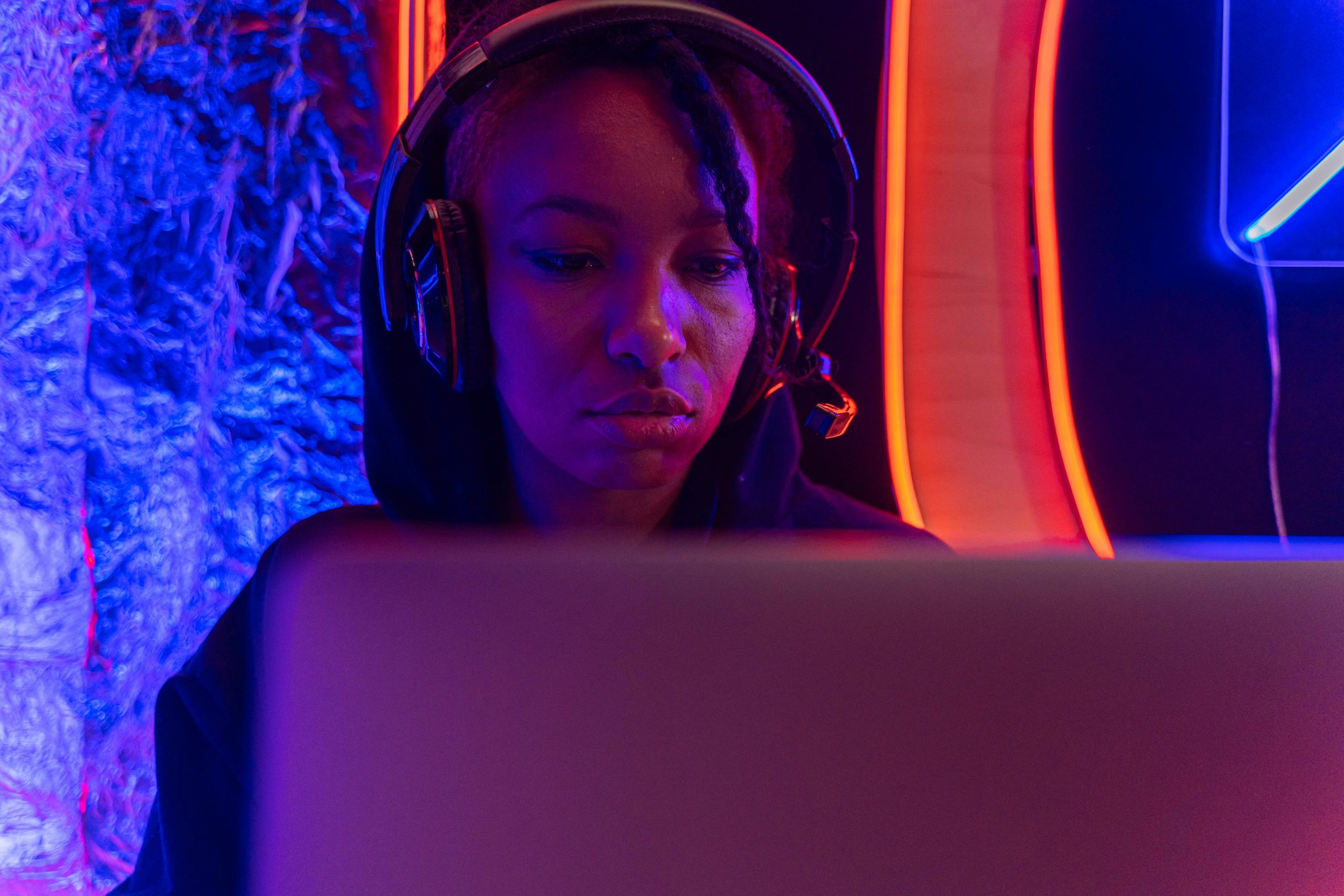
The Science Behind Screen Time and Sleep Disruption
To understand how screens affect sleep, we need to examine the mechanisms at play. The impact isn’t as simple as “blue light bad” though that’s often how the story gets told.
How Blue Light Affects Circadian Rhythm
Blue light, the short-wavelength light emitted by screens, suppresses melatonin production more powerfully than other light wavelengths. Research from Harvard Medical School found that blue light suppresses melatonin for approximately twice as long as green light of comparable brightness and shifts circadian rhythms by twice as much.
This matters because melatonin is the hormone that signals to your body that it’s time to sleep. When you’re exposed to blue light in the evening, your brain essentially thinks it’s still daytime, delaying melatonin release and making it harder to fall asleep when you actually want to.
A comprehensive 2025 study published in JAMA Network Open examined over 122,000 adults and found that daily screen use before bed was associated with bedtimes that were approximately 19 minutes later and about 50 minutes less sleep each week compared to those who didn’t use screens before bed. The association was even more pronounced among people with evening chronotypes, who already face challenges with early morning commitments.

Beyond Blue Light: The Arousal Factor
Here’s where the conversation gets more interesting. Recent research suggests that blue light may not be the only villain in the screen time and sleep story. The content we consume and the cognitive engagement required matter significantly.
When I used my phone before bed, it wasn’t just the light keeping me awake. It was the emails that triggered work anxiety, the news articles that sparked concern, the social media feeds that demanded response. My mind would still be processing information long after I’d set the phone down. Understanding this was crucial to improving my sleep.
A 2024 study questioned whether blue light alone deserves its reputation as a sleep disruptor. Researchers found that when controlling for other variables, the stimulating nature of screen content and the time spent engaged with devices may have as much impact on sleep as the light itself.
The National Sleep Foundation points out that engaging with devices by playing games, scrolling social media, or responding to work emails keeps your brain active and alert when it should be winding down. The interactive nature of modern technology works against the relaxation needed for quality sleep.
Screen Time Impact Varies by Age and Individual Factors
Not everyone responds to screen time the same way. Age, chronotype, and individual sensitivity all play significant roles in how much screen use affects your sleep.
Children and Adolescents: Heightened Sensitivity
Younger people appear particularly vulnerable to screen-related sleep disruption. Research shows that children’s eyes allow more blue light to reach the retina compared to adults, and evening light exposure suppresses melatonin production twice as much in children as in adults.
Pre-pubescent children show even greater melatonin suppression in response to evening light compared with post-puberty adolescents. This heightened sensitivity, combined with the fact that teenagers and young adults typically maintain later chronotypes naturally, creates a perfect storm for sleep problems when screen use is unrestricted.
Chronotype Matters: Morning Larks vs Night Owls
Your natural sleep-wake preference significantly influences how screen time affects you. The JAMA study found that people with evening chronotypes experienced greater sleep disruption from screen use than those with morning chronotypes.
Evening chronotypes who used screens daily before bed went to bed approximately 16 minutes later and slept 8.4 fewer minutes on workdays compared to evening chronotypes who didn’t use screens. Morning chronotypes saw smaller effects: 9.3 minutes later bedtime and 5.6 fewer minutes of sleep.
This makes sense when you consider that evening types already fight against early morning obligations. Their natural melatonin production occurs later in the evening, so any additional delay from screen use compounds an existing challenge. If you’re naturally a night owl trying to adapt to a morning schedule, screen time before bed makes an already difficult situation worse.

The Real-World Effects: Beyond Just Minutes Lost
The statistics about lost sleep minutes tell only part of the story. The consequences of screen-related sleep disruption extend far beyond slightly later bedtimes.
Sleep Quality Degradation
Research consistently shows that screen use isn’t just associated with less sleep, but poorer quality sleep overall. The JAMA study found that daily screen users had a 33% higher prevalence of poor sleep quality compared to those who didn’t use screens before bed.
A study on smartphone screen time found that excessive evening screen use was linked to increased sleep latency, reduced sleep duration, and more frequent nighttime awakenings. The fragmentation of sleep matters as much as the total duration.
During my worst period of sleep problems, I noticed I could spend eight hours in bed but wake feeling exhausted. It took time to connect this to my habit of checking my phone multiple times during the night. Each brief screen exposure, even at 2 AM, was enough to delay falling back into deep sleep.
Next-Day Performance Impact
The effects don’t stop when you finally fall asleep. Screen-disrupted sleep affects next-day alertness, cognitive performance, and mood. This creates a vicious cycle: poor sleep leads to increased caffeine consumption and more screen time to stay alert during the day, which further disrupts the following night’s sleep.
For many people dealing with sleep difficulties, understanding how screen time impacts overall sleep architecture has become essential information. Our comprehensive guide to sleep hygiene practices addresses screen time as one component of a broader strategy for better rest.
Practical Solutions: What Actually Works
Understanding the problem is one thing. Implementing practical solutions in our screen-dependent world is another. Here’s what the research and real-world experience suggest actually helps.
The Screen-Free Wind-Down Window
The most consistently effective intervention is establishing a screen-free period before bed. Most sleep experts recommend at least one hour, though even 30 minutes shows benefits for some people.
When I first tried this, an hour felt impossibly long. I’d reach for my phone reflexively, not even consciously deciding to check it. Setting a phone alarm for one hour before my target bedtime helped, and pairing it with a white noise machine made the transition away from screens feel less isolating during that wind-down period. When it went off, the phone went into another room. Simple, but not easy.
The key is having alternative activities planned for that final hour. I discovered that reading fiction (physical books, not e-readers with backlit screens) became my primary wind-down activity. Even on nights when I’m exhausted and can only manage two or three pages, that quiet reading time creates a clear boundary between “day brain” and “sleep brain.”
For more strategies on building an effective evening routine that supports better sleep, our detailed guide to establishing an evening routine provides step-by-step implementation advice.

Blue Light Filters and Glasses: Worth It?
Blue light filtering technology has become increasingly popular, available both as device settings and as specialized glasses. The evidence on effectiveness is mixed.
Device manufacturers have implemented “night mode” or “night shift” features that reduce blue light emission by shifting screens toward warmer colors. Research shows these features do reduce blue light exposure, though they may not be sufficient on their own to prevent sleep disruption. The stimulating content and cognitive engagement remain problematic regardless of screen color temperature.
I tried blue light blocking glasses about a year ago. Honestly, I’m still uncertain whether they help. I don’t think they make things worse, but I haven’t noticed dramatic improvements either. The bigger difference came from actually reducing total screen time in the evening, not just filtering the light.
One important note: if you do use blue light filters, remember they’re meant to supplement, not replace, other good sleep habits. The filters don’t address the arousal and engagement issues that come with scrolling through work emails or getting into heated debates on social media.
Strategic Screen Use: Passive vs Active Engagement
Not all screen time affects sleep equally. Research suggests passive screen use (watching a show) may have less impact than active engagement (responding to messages, playing games, scrolling feeds).
The distinction matters for practical implementation. If you’re going to use screens in the evening, choose passive activities that don’t require much cognitive engagement or emotional response. A familiar sitcom you’ve seen before beats doom-scrolling through news or getting into social media discussions.
That said, even passive viewing can delay bedtime simply by being so engaging you lose track of time. “Just one more episode” has probably cost more people sleep than any other phrase in the streaming era.
Bedroom as a Screen-Free Sanctuary
One of the most effective strategies is removing screens from the bedroom entirely. This eliminates both the temptation to use devices before sleep and the likelihood of middle-of-the-night screen checking.
For people who use their phone as an alarm clock, this requires buying an actual alarm clock, something I didn’t own for nearly a decade. It felt almost quaint at first, but having a legitimate reason to keep my phone in another room made a noticeable difference.
The bedroom environment plays a crucial role in sleep quality beyond just screen use. Our comprehensive resource on optimizing your bedroom environment covers temperature, lighting, sound, and other factors that work together with screen management to improve sleep.
The Caffeine Connection: A Compounding Factor
Screen time and caffeine consumption often interact in problematic ways. Poor sleep from evening screen use leads to increased daytime caffeine intake, which then makes falling asleep even more difficult regardless of screen exposure.
During my worst sleep period, I’d use my phone late into the evening, sleep poorly, then load up on coffee the next day to cope with exhaustion. By afternoon, I’d be wired enough that sleep felt impossible that night even without screens. It took addressing both the screen time and the caffeine timing to break the cycle.
Understanding how different lifestyle factors compound each other helps explain why isolated interventions sometimes fail. Screen time, caffeine consumption, exercise timing, and even food choices all interact to influence sleep quality.

When Screen Time Isn’t the Primary Problem
It’s important to acknowledge that screen time sometimes gets blamed for sleep problems it isn’t actually causing. If you’ve eliminated evening screen use and still struggle with sleep, other factors may be at play.
For me, anxiety was the root issue. Screens made it worse, but removing them alone wouldn’t have solved the problem. I needed strategies for managing anxious thoughts at bedtime, which is where techniques like worry journaling and breathing exercises became essential.
Sleep disorders like sleep apnea, restless leg syndrome, or chronic insomnia require professional evaluation and treatment. While managing screen time supports better sleep for people with these conditions, it rarely resolves the underlying disorder on its own.
The complex relationship between stress and sleep often underlies both excessive screen use and sleep problems. People who can’t sleep often pick up their phones out of boredom or frustration, not because the screen itself is preventing sleep. Addressing the stress and anxiety driving the sleeplessness becomes as important as managing screen exposure.
Moving Forward: A Balanced Approach
The goal isn’t to completely eliminate screens from your life. They’re too integrated into modern work and social connection for that to be realistic for most people. The goal is strategic management that prioritizes sleep while acknowledging practical constraints.
Start by tracking your actual screen habits for a week without trying to change them. Most people are shocked by how much evening screen time they’re actually getting. Awareness alone sometimes prompts behavior change.
Then implement changes gradually. If you currently scroll your phone until the moment you want to sleep, don’t aim immediately for a two-hour screen-free window. Start with 15 minutes. Build from there. Sustainable changes beat ambitious failures.
Remember that acceptance matters as much as intervention. Some nights you’ll use screens more than intended. Some nights you’ll check your phone at 3 AM despite your best intentions. This is normal. Getting anxious about screen use can disrupt sleep as much as the screens themselves. The goal is consistent improvement, not perfection.
During my sleep journey, I found that accepting occasional setbacks without spiraling into anxiety made a bigger difference than following any single rule perfectly. It’s like accepting that it’s raining outside. The screens are there, the temptation exists, and sometimes you’ll choose to use them anyway. That doesn’t mean progress is lost or that managing screen time doesn’t matter.
Final Thoughts
The relationship between screen time and sleep is complex, involving blue light exposure, content engagement, timing, individual sensitivity, and interactions with other lifestyle factors. While the “screens ruin sleep” message contains truth, the complete picture requires more nuance.
For most people, implementing a screen-free wind-down window provides the most reliable benefit. This single change addresses both the light exposure and the cognitive engagement issues. Combined with other sleep hygiene practices, it can produce meaningful improvements in sleep quality and duration.
The challenge isn’t knowing what to do. The challenge is consistently doing it in a world designed to keep you engaged with screens. That’s where strategies matter: physical barriers (phone in another room), alternative activities (reading, stretching, meditation), and honest self-assessment about what’s actually getting in the way.
Improving sleep rarely comes down to a single intervention. It’s about building systems that work with your life, not against it. Screen management is one important piece. Understanding how it fits with your broader sleep patterns makes the difference between occasional good nights and consistently restorative sleep.
Read more articles on the Lifestyle & Sleep Hub.