Best Time to Exercise for Better Sleep: Morning vs Evening Workouts
Affiliate Disclosure: As an Amazon Associate I earn from qualifying purchases. Some links on this page are affiliate links. If you buy through them we earn a small commission at no extra cost to you. Our recommendations are based on research into specifications, published evidence and product listings. Learn more.
Quick Picks
Product Comparison
Best Overall  Fitbit Charge 6 Check Price on Amazon | Budget Pick  Amazfit Helio Ring Check Price on Amazon | Also Consider  Fitbit Inspire 3 Check Price on Amazon |
|---|
The timing of your workout might matter more than you think. When you exercise during the day affects everything from how quickly you fall asleep to how deeply you rest through the night.
Shop on Amazon: Natrol Melatonin → | Doctor’s Best Magnesium →
Over the past decade, I’ve experimented with running and strength training at various times. What I learned through trial and error aligns with recent research: morning and early afternoon exercise consistently delivered better sleep than evening workouts. This wasn’t just about feeling tired at bedtime. The circadian benefits of morning movement proved far more powerful than I expected.
This article examines research-backed evidence on exercise timing and sleep quality, shares practical implementation strategies, and addresses common misconceptions about evening workouts. Whether you’re managing anxiety-driven insomnia or simply want better rest, understanding exercise timing creates measurable improvements.

Why Exercise Timing Affects Sleep Quality
Your body operates on a 24-hour circadian rhythm that regulates sleep-wake cycles, hormone production, and core body temperature. Exercise acts as a powerful circadian zeitgeber, meaning it helps synchronize your internal clock to the external environment.
A 2023 systematic review published in Physical Activity and Nutrition examined exercise timing effects on physiological circadian rhythms and sleep quality. Researchers found that morning exercise decreased cortisol concentrations after awakening and improved sleep quality, while evening exercise altered circadian hormone rhythms without necessarily impairing sleep in all cases.
The mechanisms involve several interconnected systems. Exercise increases core body temperature, and the subsequent cooling period promotes sleepiness. This cooling happens faster when you exercise earlier in the day, giving your body adequate recovery time before sleep. When I switched my runs from 7 PM to morning sessions, I noticed I no longer experienced that wired, overstimulated feeling at bedtime.
Understanding how regular physical activity improves overall sleep architecture provides additional context for timing decisions. The relationship between movement and rest extends beyond simple fatigue.
Morning Exercise: The Circadian Advantage
Morning workouts offer unique benefits for sleep regulation that extend well beyond the immediate effects of physical exertion. The combination of exercise and natural light exposure creates a powerful signal for your circadian system.
Light exposure during morning exercise strengthens circadian rhythms by suppressing melatonin production at the appropriate time. This makes you more alert during the day and primes your body for natural melatonin release in the evening. Even 20 minutes of morning outdoor activity makes a difference, though 60-90 minutes provides more robust benefits.
Morning walks became one of my most reliable sleep interventions. Even a quick 20-minute outdoor walk before work helped, but I found that aiming for 1-1.5 hours of walking throughout the day delivered noticeably better sleep. The circadian rhythm benefits were powerful. It wasn’t just about physical tiredness; it was about properly signaling to my body when it should be alert and when it should prepare for rest.
Research from Nature Communications in 2025 involving over 14,000 participants tracked exercise timing and sleep outcomes across one year. Results showed exercise concluding six or more hours before habitual sleep onset was associated with earlier sleep onset compared to non-exercise days. The study emphasized that morning exercise provided optimal conditions for subsequent sleep timing and quality.
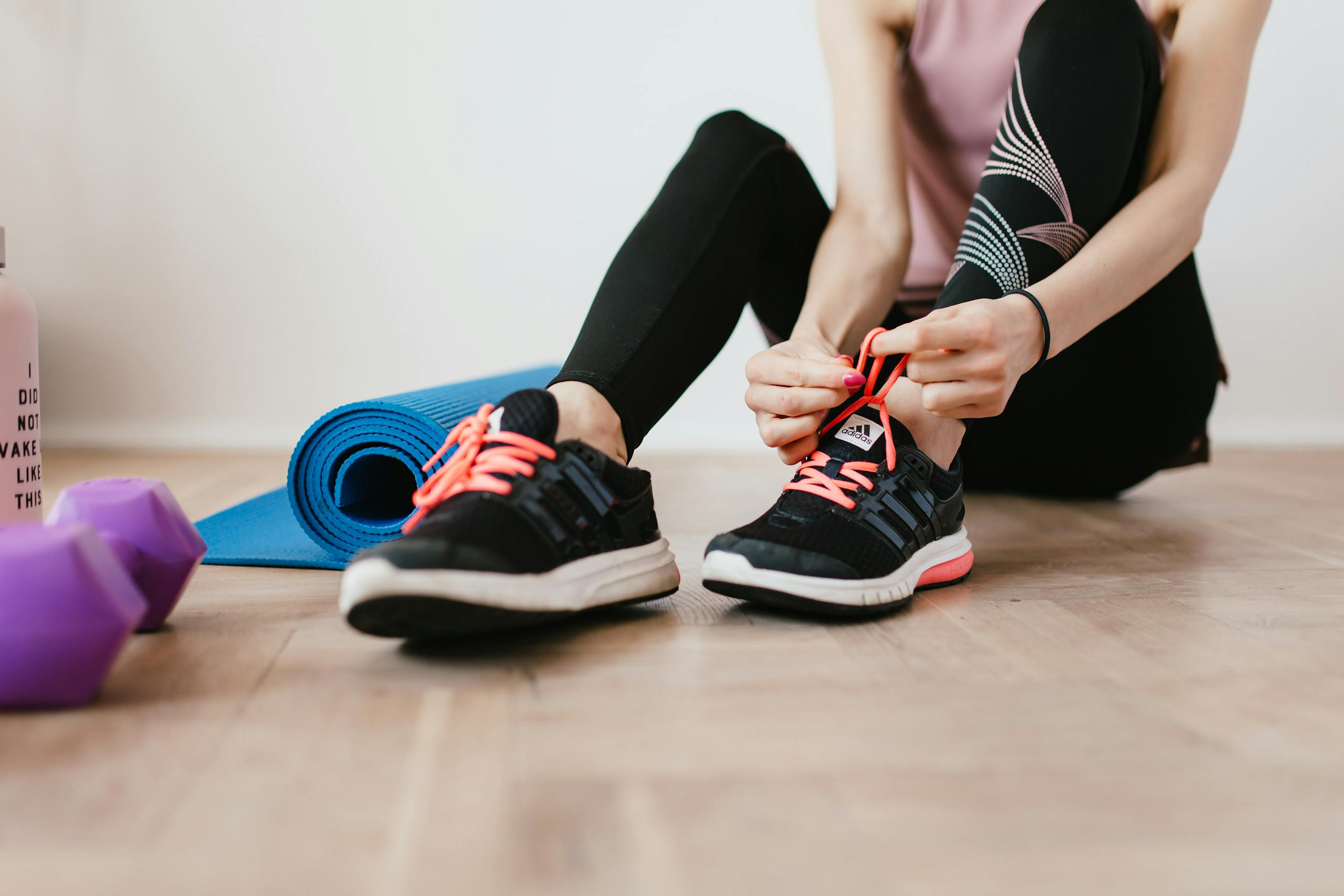
Practical Morning Exercise Implementation
Start with manageable commitments. A 15-minute morning walk requires less logistical planning than a full gym session. Once the habit establishes itself, extend duration or intensity.
Morning exercise doesn’t require fasted workouts or extreme early rising. Schedule exercise for whenever morning works in your routine. Some people prefer pre-breakfast movement while others exercise after eating. Both approaches deliver circadian benefits as long as you get outdoor light exposure.
My preference evolved into running 2-3 times weekly plus strength training, always during daylight hours. I never felt compelled to exercise in the evenings. This preference likely developed because evening workouts consistently disrupted my sleep, creating negative associations I wanted to avoid.
Consider combining exercise with existing morning routines. Walk to the coffee shop instead of driving. Take phone calls while walking. Use stairs instead of elevators. These micro-movements accumulate meaningful benefits for circadian regulation.
Early Afternoon Exercise: A Balanced Alternative
Early afternoon workouts (between noon and 3 PM) provide sleep benefits while accommodating schedules that don’t permit morning exercise. This timing window avoids the sleep-disrupting effects of late-day workouts while still allowing adequate recovery time before bed.
Core body temperature naturally peaks in the late afternoon, which means physical performance often improves during this window. You may lift heavier weights, run faster intervals, or sustain higher intensity with less perceived exertion compared to morning sessions.
A 2020 study published in PMC examining exercise timing found that moderate-intensity afternoon exercise had similar sleep benefits to morning exercise for many participants. The key factor was finishing workouts at least 4-6 hours before typical bedtime, allowing the sympathetic nervous system adequate recovery time.
Afternoon exercise works particularly well for people who struggle with morning grogginess or experience exercise-induced hypoglycemia when training on an empty stomach. The body has processed breakfast and lunch, providing fuel for quality workouts without compromising evening sleep.
Like many lifestyle factors that influence rest, finding the right nutrition timing supports better sleep outcomes regardless of when you exercise.

Evening Exercise: Understanding the Research Debate
The relationship between evening exercise and sleep quality generates considerable research interest and ongoing debate. Traditional sleep guidelines discouraged vigorous late-day activity, but recent meta-analyses challenge this conservative stance.
A 2019 systematic review in Sports Medicine examined 23 studies and found that evening exercise generally did not impair sleep in healthy participants. However, this review noted important nuances: most studies examined moderate-intensity exercise rather than high-strain workouts, and exercise typically concluded at least 90 minutes before bedtime.
The 2025 Nature Communications study mentioned earlier revealed the critical importance of both exercise intensity and timing. High-strain evening exercise ending within four hours of sleep onset was associated with delayed sleep onset, shorter sleep duration, lower sleep quality, and disrupted autonomic nervous system function. Lighter-intensity evening exercise demonstrated minimal sleep impact when concluding at least two hours before bedtime.
Personal experience matches this research gradient. Light evening activities like gentle yoga or leisurely walks didn’t disrupt my sleep. However, intense runs or strength training sessions after 6 PM consistently made falling asleep more difficult. The wired, activated feeling persisted well into the night, even when I felt physically tired.
Similar Posts
Best Under-Mattress Sleep Trackers 2026: Complete Guide
By Scott Hilliard · Last updated: October 18, 2026 How we choose: We research, test, and compare products based on sleep quality, comfort, and value. All picks are independently selected — we earn a commission if you buy through our links at no extra cost to you. Affiliate Disclosure: liveworksleep may earn a commission on…
Caffeine Cutoff Time for Better Sleep
The relationship between caffeine timing and sleep quality is far more nuanced than the old “no coffee after 2 PM” rule suggests. Recent research has shown that caffeine’s effects on sleep depend on multiple factors including dosage, individual metabolism, consumption timing, and even your genetic makeup. Understanding these variables can help you identify your personal…
How Alcohol Affects Sleep
Research consistently shows that alcohol before bed reduces REM sleep, increases sleep fragmentation, and can worsen existing sleep problems. Whether you occasionally enjoy a nightcap or use alcohol to help you fall asleep, understanding how it affects your rest can help you make more informed decisions about your evening habits. Why Alcohol Makes You Feel…
Timeshifter App Review: Science-Based Jet Lag Management
When I started traveling more frequently for work a few years ago, I discovered what millions of others already knew: jet lag is miserable. The foggy thinking, the 3am wide-awake sessions, the desperate midday crashes. I tried the usual advice—staying hydrated, avoiding alcohol, adjusting my sleep schedule before departure—and none of it made much difference….
Best Blackout Curtains for Sleep: Complete Darkness for Better Rest
By Scott Hilliard · Last updated: October 18, 2026 How we choose: We research, test, and compare products based on sleep quality, comfort, and value. All picks are independently selected — we earn a commission if you buy through our links at no extra cost to you. Affiliate Disclosure: liveworksleep may earn a commission on…
Best Glycine for Sleep: An Evidence-Based Guide to This Underrated Amino Acid
By Scott Hilliard · Last updated: October 18, 2026 How we choose: We research, test, and compare products based on sleep quality, comfort, and value. All picks are independently selected — we earn a commission if you buy through our links at no extra cost to you. Affiliate Disclosure: liveworksleep may earn a commission on…