How Alcohol Affects Sleep
That glass of wine before bed might feel like it helps you unwind, but alcohol and sleep rarely mix as well as people think. While it can make you drowsy initially, alcohol fundamentally disrupts how your brain cycles through sleep stages, leaving you less rested even after a full night in bed.
Quick Picks


Research consistently shows that alcohol before bed reduces REM sleep, increases sleep fragmentation, and can worsen existing sleep problems. Whether you occasionally enjoy a nightcap or use alcohol to help you fall asleep, understanding how it affects your rest can help you make more informed decisions about your evening habits.
Why Alcohol Makes You Feel Sleepy But Disrupts Your Rest
Alcohol is a central nervous system depressant. When you drink, it increases activity of a neurotransmitter called GABA, which slows neural activity and makes you feel relaxed and drowsy. This is why many people reach for a drink when they can’t sleep.
A 2013 review published in Alcohol and Clinical and Experimental Research found that across all dosages, alcohol causes a reduction in sleep onset latency. In plain language: you fall asleep faster after drinking. But that’s where the benefits end.
The same mechanisms that make alcohol feel calming at first also interfere with normal sleep architecture later in the night. As your body metabolizes the alcohol, typically at a rate of about one standard drink per hour, it disrupts communication between neurotransmitters that regulate sleep and wakefulness. The result is lighter, more fragmented sleep and frequent awakenings, especially during the second half of the night when blood alcohol levels drop.
After managing anxiety-driven insomnia for a decade, I’ve learned this lesson the hard way. Several neat whiskeys might knock you out, but they won’t give you good quality sleep. Early on, when I was struggling most with sleep, I tried everything. Alcohol was one of those things that seemed to help initially because I’d fall asleep faster, but I always woke up feeling worse the next morning. The sleep wasn’t restorative. I learned that alcohol is not the answer to most things, and it’s certainly not the answer to sleep problems.
How Alcohol Affects Your Sleep Cycle
Your brain cycles through four distinct sleep stages every 90 to 120 minutes throughout the night. The first three stages are non-REM sleep, ranging from light sleep to deep sleep. The fourth stage is REM sleep, when most dreaming occurs and your brain processes emotions and consolidates memories.
When you go to bed with alcohol in your system, you’re likely to experience more deep sleep and less REM sleep initially. This might sound beneficial, but deep sleep increases in the first half of the night come at a cost. Later in the night, once your body has metabolized the alcohol, you experience a rebound effect characterized by increased light sleep and frequent wakings.
A 2024 systematic review and meta-analysis published in Sleep Medicine Review analyzed 27 studies on alcohol’s effects on sleep. The research identified clear patterns:
- REM sleep onset is significantly delayed at all alcohol doses, appearing to be the most recognizable effect of alcohol on sleep
- REM sleep duration is reduced in the majority of studies at moderate and high doses, with disruptions occurring even at low doses (approximately two standard drinks)
- A dose-response relationship exists such that disruptions to REM sleep progressively worsen with increasing alcohol doses
- High doses may shorten sleep onset latency, but this likely exacerbates subsequent REM sleep disruption
The problem with reduced REM sleep is that this stage is essential for memory consolidation, emotional regulation, and cognitive function. Missing out on adequate REM sleep leaves you feeling mentally foggy, emotionally reactive, and less rested, even if you spent eight hours in bed.

Alcohol’s Impact on Breathing During Sleep
One of alcohol’s most concerning effects on sleep involves breathing. Alcohol relaxes the muscles in your throat and tongue, narrows nasal passages by causing changes to blood vessels, and makes it harder for your brain to maintain consistent breathing patterns during sleep.
For people who already snore or have sleep apnea, these effects can be dangerous. A 2018 meta-analysis in Sleep Medicine found that alcohol consumption increases the apnea-hypopnea index by nearly 4 events per hour and reduces lowest oxygen saturation by almost 3%.
People with obstructive sleep apnea experience repeated pauses in breathing when tissues in the nose or throat temporarily block the airway. Alcohol makes these episodes more frequent, longer in duration, and potentially more severe. The same study found that alcohol also worsens central sleep apnea, which occurs when the brain periodically stops sending the proper signals to control breathing.
Even if you don’t have diagnosed sleep apnea, alcohol can cause occasional breathing disruptions during sleep. You’re also less likely to wake up from these episodes because alcohol makes you harder to rouse, meaning your body may struggle longer before you naturally adjust your sleeping position or take a deeper breath.
When evaluating the best time to stop drinking before bed, understanding these breathing effects becomes critical, especially if you notice you snore more after drinking or wake up with headaches.
The Connection Between Alcohol and Chronic Sleep Problems
While a single night of drinking can disrupt your sleep, regular alcohol use before bed can contribute to persistent sleep problems. A longitudinal study published in Scientific Reports followed over 6,000 adults for 30 years, examining the relationship between drinking patterns and sleep disorders.
For men, drinking more than 21 units per week (approximately 168 grams of alcohol) was associated with waking several times per night compared to non-drinkers. Men who maintained heavy drinking over three decades, or who had unstable consumption patterns, tended to have worse sleep profiles including waking tired and frequent nighttime awakenings.
The relationship between alcohol and insomnia is particularly troubling because it can become bidirectional. People who struggle to sleep often turn to alcohol as a sleep aid, which temporarily masks the problem while making the underlying sleep disruption worse. As many as three quarters of people with alcohol dependence experience insomnia symptoms when they drink.
This creates a destructive cycle. You drink to fall asleep faster, but the quality of sleep deteriorates. The next day, you feel exhausted and may rely on caffeine to stay alert, which makes it harder to fall asleep that night. The cycle repeats, often with increasing amounts of alcohol needed to achieve the same initial sedative effect as tolerance builds.
Over time, chronic alcohol use can lead to changes in brain chemistry that regulate sleep-wake cycles, sometimes permanently altering sleep architecture. Research published in the journal Sleep found that people who had been abstinent from alcohol for extended periods still showed significantly reduced slow wave activity during NREM sleep compared to people without a history of heavy alcohol use.
How Alcohol Disrupts Your Circadian Rhythm
Beyond affecting sleep stages, alcohol interferes with your circadian rhythm, the internal 24-hour clock that regulates when you feel alert or sleepy. Your circadian rhythm relies on environmental cues like daylight and darkness, which trigger shifts in body temperature and the secretion of melatonin, the sleep hormone.

Research suggests that alcohol consumption decreases the body’s sensitivity to melatonin and circadian cues, which is why some sleep-conscious individuals turn to plant-based compounds like apigenin supplements to support their natural sleep-wake cycle instead. these natural cues. When these fluctuations are weakened or absent, you may feel alert when you want to sleep and sleepy when you want to be awake. Studies have found that alcohol use is associated with altered melatonin secretion, including elevated daytime levels and delayed phase timing.
This disruption can persist for days after drinking, affecting your sleep quality even when you’re not consuming alcohol. The impact on circadian rhythms helps explain why people often experience rebound insomnia when they try to cut back on alcohol after regular use. The brain has adjusted to expect the sedative effects of alcohol at bedtime, and when that crutch is removed, natural sleep-wake patterns may be temporarily out of sync.
For shift workers or anyone already dealing with stress and sleep connection challenges, adding alcohol to the mix can compound circadian rhythm disruptions and make recovery even more difficult.
When Should You Stop Drinking Before Bed?
The standard recommendation from sleep experts is to avoid alcohol for at least three to four hours before bedtime. This timeframe allows your body to metabolize most of the alcohol before you enter the deeper, more REM-rich phases of sleep.
However, this guidance assumes moderate consumption. If you’ve had multiple drinks over a short period, consumed alcohol on an empty stomach, or are especially sensitive to alcohol’s effects, you may need to stop drinking even earlier. Individual factors like age, weight, sex, and whether you’re taking certain medications all influence how quickly your body processes alcohol.
Your liver typically metabolizes about one standard drink per hour. If you finish your last drink at 8 PM and go to bed at 11 PM, your blood alcohol level should be significantly lower by bedtime. Compare this to having a nightcap at 10:30 PM before a midnight bedtime; your body will still be actively processing alcohol during the critical first sleep cycles of the night.
From my own experience managing sleep challenges, I can say that having a drink with dinner, hours before bed, causes far less disruption than drinking closer to bedtime. When I do have alcohol, I’m very deliberate about timing. I stop well before my wind-down routine begins, which usually starts about an hour before I plan to be in bed. This gives my body time to process the alcohol and allows me to maintain the sleep hygiene habits that actually work for me.
The reality is that if you’re using alcohol specifically to help you fall asleep, you’re fighting an uphill battle. You might achieve your goal of falling asleep quickly, but the quality of that sleep will be compromised. You’re essentially trading initial drowsiness for poor rest throughout the night.
Does the Type of Alcohol Matter?
Many people believe that certain types of alcohol are better for sleep than others. Wine, for example, is often viewed as a more sophisticated nightcap than beer or spirits. But when it comes to sleep disruption, the type of alcohol matters far less than the amount and timing.
What matters is the total alcohol content in your drink and how much you consume. A 5-ounce glass of wine, a 12-ounce beer, and a 1.5-ounce shot of spirits all contain roughly the same amount of alcohol: about 14 grams, which constitutes one standard drink.
The dose-response relationship is clear in the research. Low doses of alcohol (approximately two standard drinks) already begin to disrupt REM sleep. Moderate doses cause more significant disruptions to sleep architecture. High doses (five or more standard drinks) substantially increase deep sleep in the first half of the night but lead to pronounced sleep disruption and REM rebound effects later.
Some people report that certain drinks affect them differently. Darker spirits might contain more congeners, compounds produced during fermentation that can contribute to hangovers and possibly affect sleep quality. Sugary cocktails or drinks mixed with energy drinks can provide additional stimulation that further disrupts sleep. But the primary culprit remains the alcohol itself, regardless of delivery method.

Alcohol’s Effect on Sleep Varies by Individual
While research establishes clear patterns in how alcohol affects sleep, individual responses can vary significantly. Factors that influence how alcohol impacts your rest include your age, sex, genetics, body composition, and overall health status.
Age is a particularly important factor. Younger adults may experience less pronounced sleep disruption from the same amount of alcohol compared to older adults. This is partly because older adults generally experience more fragmented sleep already, and alcohol can exacerbate these natural age-related changes. Research also suggests that women may experience greater sleep disruption after consuming alcohol compared to men, though findings have been mixed.
Genetic variations in alcohol metabolism can dramatically affect how your body processes alcohol. Some people have faster-acting liver enzymes that break down alcohol more quickly, while others metabolize it more slowly. People with slower metabolism may experience prolonged disruption to their sleep architecture from the same amount of alcohol that someone else processes more efficiently.
Your overall sleep health also matters. If you’re already sleep deprived, alcohol’s disruptive effects become more pronounced. Similarly, if you have an underlying sleep disorder like sleep apnea or insomnia, alcohol will typically worsen your symptoms more severely than it would for someone with healthy baseline sleep.
Understanding your personal response to alcohol requires honest self-assessment. Do you wake up frequently after drinking? Do you feel less rested the next day despite spending adequate time in bed? Do you notice your partner commenting on louder snoring after you’ve had drinks? These signs indicate that alcohol is significantly disrupting your sleep, regardless of what the averages in research studies suggest.
Better Alternatives for Sleep When You Cut Back on Alcohol
If you’ve been using alcohol to help you fall asleep, eliminating it without replacing that ritual can feel challenging. The good news is that many evidence-based strategies actually improve sleep quality rather than just masking problems.
One of the most effective techniques I’ve found is progressive muscle relaxation, though some people also find success with natural alternatives like L-theanine supplements that promote relaxation without the sleep disruption alcohol causes. The practice involves systematically tensing and releasing different muscle groups throughout your body, starting with your toes and working up to your head. It can be amazing at times because it gives your mind something to focus on beyond anxious thoughts while simultaneously promoting physical relaxation. Many sleep apps include guided progressive muscle relaxation sessions if you want structured guidance.
Breathing exercises work similarly well, and they all really work. Anyone who thinks they don’t is not doing them right. It’s a physiological response: slow your breathing and your whole body calms. It’s science. I use several different breathing techniques depending on what feels right that night, but the basic principle is the same. Slow, controlled breathing activates your parasympathetic nervous system and naturally promotes drowsiness.
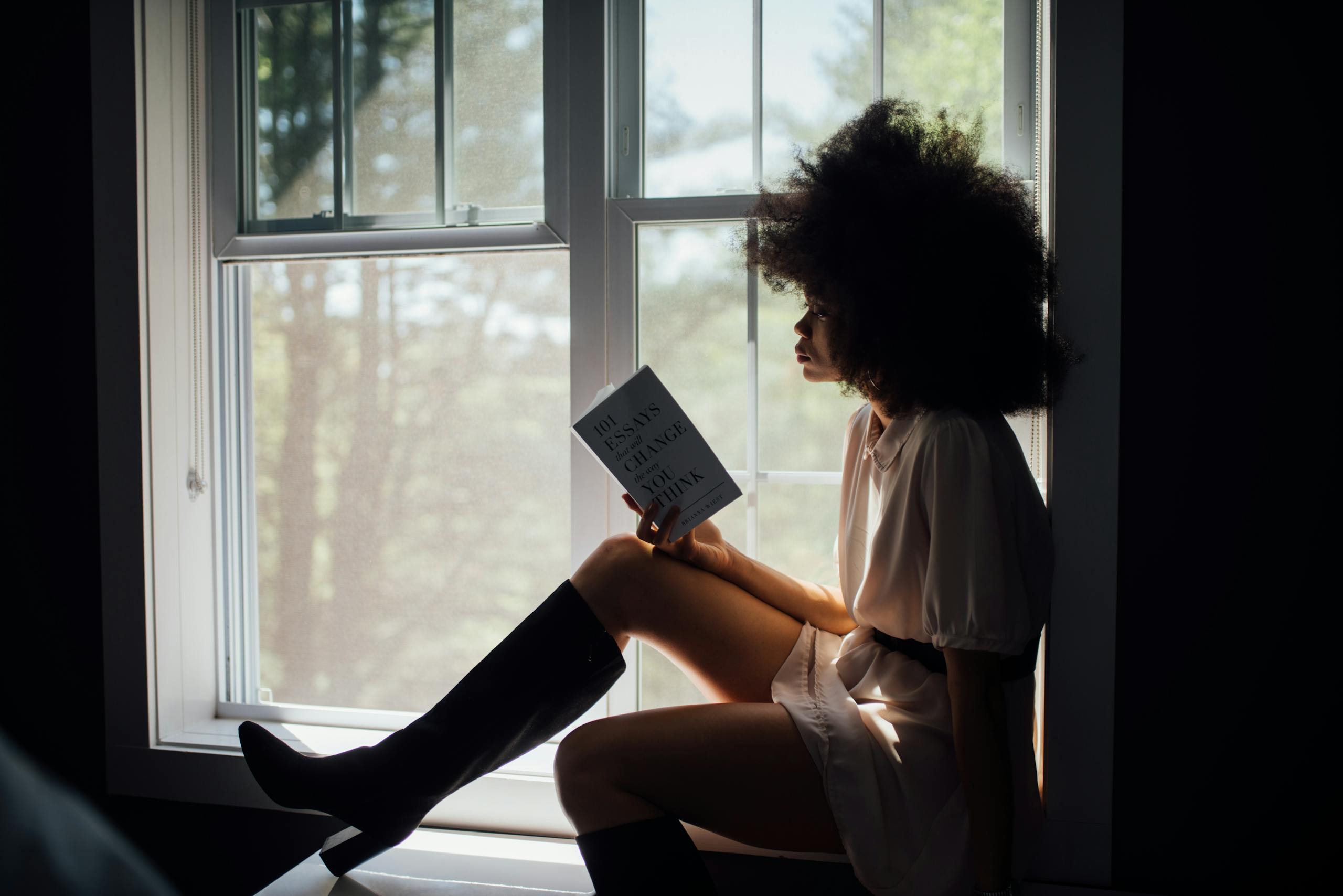
Reading before bed has become non-negotiable in my routine. I aim for about 30 minutes of fiction in a physical book. It’s good for cleansing your brain of the day’s stress. Sometimes I only manage two or three pages on tired nights, but I discipline myself not to get too absorbed. The goal is relaxation, not staying up to finish the chapter. This screen-free wind-down period helps signal to my brain that sleep is approaching.
For those interested in natural sleep support, certain supplements can be helpful, though they work very differently than alcohol. Melatonin takes consistent use to build up in your system and isn’t an as-needed fix. I use gummy melatonin, typically up to 10mg, taken about an hour before bed. Magnesium and zinc together, taken at the same time, are also considered helpful by many people managing sleep challenges.
Creating a consistent evening routine for better sleep is perhaps the most important change you can make. Your routine might include dimming lights, taking a shower, doing some light stretching, or listening to calming music. The specifics matter less than the consistency. Your brain learns to associate these cues with sleep, making it easier to fall asleep naturally without relying on alcohol’s sedative effects.
What About Occasional Social Drinking?
Not everyone who drinks alcohol is trying to use it as a sleep aid. Many people simply enjoy having a few drinks during social occasions or with dinner, even though they understand it might affect their sleep that night.
If you choose to drink socially, being strategic about timing and quantity can minimize sleep disruption. Having drinks earlier in the evening rather than right before bed gives your body more time to metabolize the alcohol. Alternating alcoholic drinks with water helps slow alcohol absorption and maintain hydration, which can reduce hangover symptoms that further compromise sleep.
Eating before or while drinking slows alcohol absorption compared to drinking on an empty stomach. This doesn’t eliminate alcohol’s effects on sleep, but it can moderate them. Some people also find that certain foods that help you sleep, like foods high in magnesium, can support better rest even on nights when you’ve had alcohol earlier.
It’s also worth considering whether the social benefits of drinking outweigh the sleep costs. For an occasional night out, the trade-off might be worth it. But if you’re prioritizing recovery from illness, preparing for an important event, or already struggling with sleep quality, choosing non-alcoholic alternatives at social gatherings can protect your rest without sacrificing the social experience.

When Alcohol and Sleep Problems Require Professional Help
Sometimes the relationship between alcohol and sleep becomes more than just an occasional disruption. If you find yourself relying on alcohol to fall asleep most nights, or if your drinking is increasing because previous amounts no longer help you sleep, these are signs that professional support could be beneficial.
Sleep specialists can help identify whether you have an underlying sleep disorder that alcohol is masking rather than treating. Conditions like sleep apnea, restless leg syndrome, or clinical insomnia require proper diagnosis and treatment. Using alcohol to manage symptoms of these conditions not only fails to address the root problem but often makes the underlying condition worse.
If you suspect you might be developing problematic drinking patterns, speaking with your GP or doctor is important. They can recommend antihistamines or other sleep aids as safer alternatives, or refer you to specialists who can address both sleep and substance use concerns. I’ve worked with both my GP and a therapist over the years to develop better strategies for managing anxiety-driven insomnia, and that combination of medical and psychological support has been far more effective than any attempt to self-medicate with alcohol.
Cognitive behavioral therapy for insomnia (CBT-I) is particularly effective for people who have been using alcohol as a sleep aid. CBT-I teaches evidence-based techniques for improving sleep without medication or substances, addressing the thoughts and behaviors that perpetuate sleep problems. Studies show it can be more effective than sleeping pills for long-term insomnia management.
Making Peace With Imperfect Sleep
One of the most important lessons I’ve learned over a decade of managing sleep challenges is that acceptance beats resistance. Getting upset about not sleeping is like getting upset that it’s raining outside. It’s pointless. There’s just no point.
When you’re lying awake at 3 AM, anxious about the hours of sleep you’re losing, that anxiety itself becomes the bigger problem. The same applies to using alcohol as a sleep solution. You might fall asleep faster initially, but you’re creating a different set of problems: fragmented sleep, reduced REM sleep, potential breathing issues, and the risk of developing dependency.
There are things you can do to improve your sleep situation, many of which are more effective than alcohol. Building a consistent sleep hygiene checklist with evidence-based strategies gives you sustainable tools that actually work rather than temporary fixes that ultimately make things worse.
Some nights will still be difficult. That’s just reality. But approaching those nights with acceptance rather than fighting them, and certainly not compounding them with alcohol, makes a significant difference. The goal isn’t perfect sleep every night. The goal is understanding what genuinely helps versus what merely masks problems, and having the tools to make better choices when sleep doesn’t come easily.
Frequently Asked Questions
Does one glass of wine before bed really matter?
Yes. Even low doses of alcohol (approximately two standard drinks) disrupt REM sleep according to research. One glass of wine contains about one standard drink, which can delay REM onset and reduce overall REM sleep duration. The effects may be less noticeable than with higher doses, but your sleep architecture is still being altered. Whether this matters depends on your individual sleep quality, health status, and how you feel the next day.
Why do I wake up at 3 AM after drinking?
This common experience occurs because your body has metabolized most of the alcohol by the middle of the night. As blood alcohol levels drop, you experience a rebound effect characterized by increased light sleep, more frequent awakenings, and difficulty returning to deeper sleep stages. Your sympathetic nervous system also becomes more active as the sedative effects wear off, which can trigger awakening with elevated heart rate and alertness.
Can drinking water between alcoholic drinks prevent sleep disruption?
Drinking water helps with hydration and can slow alcohol absorption, which may moderate some effects like hangover symptoms. However, water doesn’t prevent alcohol from disrupting your sleep architecture. The alcohol itself interferes with neurotransmitter systems that regulate sleep-wake cycles and REM sleep. Water is beneficial for overall health and can reduce some negative effects of drinking, but it won’t eliminate sleep disruption caused by alcohol.
Is beer better for sleep than liquor?
The type of alcohol doesn’t significantly matter for sleep disruption. What matters is the total alcohol content. A 12-ounce beer, a 5-ounce glass of wine, and a 1.5-ounce shot of spirits all contain roughly the same amount of alcohol (about 14 grams). The dose-response relationship is what determines sleep impact. Higher alcohol content, regardless of source, causes more pronounced sleep disruption.
How long does alcohol affect your sleep quality?
While alcohol’s immediate sedative effects wear off within hours, its impact on sleep quality can persist for several days. Chronic drinking can alter circadian rhythms and sleep architecture for weeks or even months after stopping. People recovering from alcohol dependence often experience sleep difficulties during the adjustment period. Even occasional drinking can affect your sleep for 1-2 nights as your body reestablishes normal sleep patterns and processes metabolic byproducts.
Can improving sleep help reduce alcohol cravings?
Yes. The relationship between sleep and alcohol use is bidirectional. Poor sleep increases stress and reduces self-control, making it harder to resist cravings. When you improve sleep quality through better sleep hygiene and consistent routines, you often experience reduced stress and better emotional regulation, which can decrease the urge to use alcohol as a coping mechanism. Many people find that addressing sleep problems reduces their reliance on alcohol.
Read more articles on the Lifestyle & Sleep Hub.
About the Author
Scott Hilliard has managed anxiety-driven insomnia for over a decade, testing countless sleep products and techniques to understand what genuinely improves rest versus what just sounds good in marketing. His approach combines evidence-based research with honest personal experience, acknowledging both successes and failures. When he’s not researching sleep science, Scott enjoys morning walks (essential for circadian rhythm), reading fiction before bed, and helping his son develop healthy sleep habits. His philosophy: acceptance beats resistance, and sleep is too important for myths or hype.
Medical Disclaimer
The information provided in this article is for educational purposes only and is not intended as medical advice. If you have concerns about alcohol use, sleep disorders, or related health conditions, please consult with a qualified healthcare provider. Alcohol withdrawal can be dangerous and should be managed under medical supervision.
Transparency
Some links in this article may be affiliate links. If you make a purchase through these links, liveworksleep may earn a commission at no additional cost to you. We only recommend products and services we genuinely believe can help improve your sleep.