Philips SmartSleep Connected Review: Is App Control Worth the Premium?
Affiliate Disclosure: As an Amazon Associate I earn from qualifying purchases. Some links on this page are affiliate links. If you buy through them we earn a small commission at no extra cost to you. Our recommendations are based on research into specifications, published evidence and product listings. Learn more.
Quick Picks


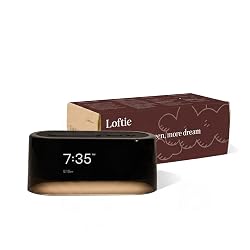
Note: the Philips SmartSleep Connected reviewed here is no longer available. The buy links on this page now go to the current Philips SmartSleep HF3650 on Amazon.
The Philips SmartSleep Connected Sleep and Wake-Up Light (model HF3670/60) takes sunrise simulation to the next level by adding smartphone app control and environmental sensors. This device promised to monitor bedroom conditions while delivering personalized sunrise and sunset simulations.
| Price Range | $170–$220 (when available) |
| Key Features | SleepMapper app, AmbiTrack sensors, 4 sunrise themes, 315 lux, RelaxBreathe |
| Status | Discontinued – limited stock from third-party sellers |
| Our Verdict | Excellent sunrise simulation, but discontinued. Consider the Hatch Restore 3 or Philips HF3650 as current alternatives. |
What Is the Philips SmartSleep Connected?
The SmartSleep Connected sits at the top of Philips’ wake-up light lineup, distinguished from simpler models by its SleepMapper app integration and AmbiTrack environmental sensors. The device measures bedroom temperature, noise, light, and humidity levels while providing customizable sunrise and sunset simulations through your smartphone.
At 8.8 x 8.6 x 4.7 inches and weighing 3.36 pounds, it has substantial presence on a nightstand. The touch-sensitive display adjusts brightness automatically based on room lighting, though you can turn it off completely for pitch-black sleep environments.

Key Features and Specifications
Light and Sunrise Simulation
The Connected model offers 25 brightness settings with a maximum output of 315 lux. Unlike the standard SmartSleep models, this version provides four distinct sunrise themes through the app. You can choose from Sunny Day (bright white), Nordic White (softer white), Island Red (white and red mix), or Caribbean Red (vibrant red). The sunrise duration ranges from 5 to 40 minutes, giving considerably more flexibility than the 20-40 minute range on the HF3520 or fixed 30-minute duration on the HF3500.
Research supports the effectiveness of gradual light exposure for reducing morning grogginess. A study published in Chronobiology International found that artificial dawn significantly reduced sleep inertia complaints without requiring shifts in circadian rhythm. The light itself triggers your body to reduce melatonin production and increase cortisol, helping you wake more naturally.
SleepMapper App Integration
The app is where this model diverges from its siblings. Through SleepMapper, you access an advanced alarm scheduler with 20 different sound, light, and intensity patterns. You can program separate weekday and weekend alarms without fumbling through the on-device menu system.
Setup involves connecting the device via the app, a process the manufacturer describes as straightforward. The app guides users through WiFi connection, time zone configuration, and initial preferences. However, the app requests numerous permissions, particularly around personal data collection, which some users may find worth scrutinising. Some core features require certain permissions to be granted, which may feel unnecessarily restrictive to privacy-conscious users.

AmbiTrack Environmental Monitoring
Built-in sensors track temperature, noise, light levels, and humidity in your bedroom. The app displays this data and offers suggestions for improvement.
The noise monitoring is reported to be particularly sensitive, capable of flagging ambient sounds such as street noise. While the data might help identify sleep environment problems, it doesn’t solve them. For reference, comprehensive sleep quality research shows environmental factors matter, but simulated dawn improves sleep quality primarily through its effect on the wake-up process itself rather than overall bedroom conditions.
Sound Options and Audio Quality
The Connected version includes eight wake-up sounds and four relaxation sounds. Options range from nature sounds to ambient music and traditional alarm tones. There’s also an FM radio and AUX input for connecting external devices.
Notably absent: Bluetooth connectivity. You need a physical cable to play audio from your phone, which feels dated for a device marketed as “smart” and priced at $200+. The audio quality is adequate for alarm purposes but unremarkable. The breathing light feature can be paired with audio, though the sound quality is described as adequate rather than premium for the calming tones it provides.
RelaxBreathe Wind-Down Function
This feature guides your breathing with rhythmic light intensity changes or sounds. You can select from seven different breathing patterns, each with a fixed breaths-per-minute rate. The light-guided version of RelaxBreathe may suit those who find audio cues distracting. According to Philips’ internal study, 77% of users reported falling asleep faster using RelaxBreathe after four weeks of use.

Real-World Testing Experience
Setup and Daily Use
After downloading the SleepMapper app and connecting to WiFi, users can programme alarms with a chosen sunrise colour theme, such as the 30-minute Island Red option. Different schedules can be set for weekends, for example a later alarm with the softer Nordic White theme and a longer 40-minute duration. The app allows preferences to be changed easily at any time.
The midnight light feature is designed to be genuinely practical. A gentle tap on top activates soft illumination for nighttime bathroom trips without the jarring effect of full brightness. This is intended to maintain the sleep environment while allowing safe navigation when needed, without the jarring effect of full brightness.
Wake-Up Quality
The sunrise simulation worked as advertised. Light gradually fills the room, starting dim red and building to bright yellow over your chosen duration. The gradual transition is designed to feel gentler than a standard phone alarm, though the manufacturer does not claim it eliminates all morning grogginess.
The Connected light is designed to make waking easier but is not intended to compensate for nights of poor sleep. This matches research findings. A 2024 study on multimodal bedroom alarms found that lighting interventions help reduce sleep inertia but don’t override the effects of inadequate sleep itself.
For those exploring different wake-up light options, our guide on the best sunrise alarm clocks for 2025 compares multiple models across various price points and feature sets.
PowerWake Alarm
This emergency backup combines loud alarm tones with flashing lights. If you’re the type who sleeps through gentle sunrise simulation (some people genuinely need jarring wake-ups), PowerWake will absolutely get you vertical. But it defeats the entire purpose of gradual, natural waking. If you need this feature regularly, consider whether you actually need a sunrise alarm at all.

What Works Well
- App control simplifies setup: Programming alarms through your phone beats navigating icon-based menus on the device itself
- Sunrise customization options: Four different sunrise themes and adjustable duration (5-40 minutes) provide genuine personalization
- Superior sunrise quality: The 25 brightness settings and effective color progression create convincing sunrise simulation
- Midnight light function: Gentle illumination for nighttime navigation without disrupting sleep
- RelaxBreathe wind-down: Light-guided breathing exercises integrate naturally into evening routine
- Touch-sensitive display: Auto-dimming keeps the clock face from lighting up your bedroom
Significant Limitations
- No Bluetooth connectivity: Requires AUX cable for phone audio, which feels outdated in 2025
- Limited availability: The HF3670 has been discontinued by Philips, making it harder to find new units
- App permission concerns: SleepMapper requests extensive personal data access that some users may find invasive
- WiFi dependency: Core smart features require constant internet connection
- Environmental monitoring is passive: AmbiTrack identifies problems but doesn’t solve them
- Price point: Originally $220, now typically $200 when available, versus $130-180 for non-connected models
How It Compares to Alternatives
The Philips lineup can be confusing, with multiple models offering similar core functionality. The Philips SmartSleep Wake-Up Light (HF3650) provides excellent sunrise simulation without app connectivity for $40-50 less. You lose environmental monitoring and smartphone control but gain simplicity.
For those interested in how Philips stacks up against competitors, our Hatch vs Philips comparison examines the key differences between these leading brands. The Hatch Restore 2 offers Bluetooth audio, guided meditations, and a subscription content library, though you’ll pay ongoing fees for full access to features.
Selecting among wake-up lights requires weighing specifications and features against individual needs. If you value smartphone control and don’t mind app-based setup, the Connected model delivers. If you prefer straightforward button-based operation, the HF3650 provides 90% of the benefit at lower cost.

Limited availability – discontinued model
See the current Philips SmartSleep HF3650 on AmazonScientific Support for Sunrise Simulation
While manufacturers sometimes oversell products, sunrise alarm clocks have legitimate research backing. Studies consistently show that gradual light exposure reduces sleep inertia compared to sudden noise-based alarms.
Research published in the European Journal of Applied Physiology found that participants using dawn simulation reported higher perceived sleep quality and increased alertness throughout testing periods. Another study demonstrated that children waking with dawn simulation felt more alert at school and got up more easily in the morning.
The mechanism appears straightforward: light penetrates closed eyelids, signaling your brain to reduce melatonin production and increase cortisol before you fully wake. This aligns your awakening with your body’s natural processes rather than shocking you from deep sleep with jarring noise.
For readers interested in understanding how sunrise simulation affects sleep cycles and waking, our article on whether sunrise alarm clocks actually work examines the research in detail.
Philips SmartSleep Connected vs. Other Philips Models: What’s the Difference?
The Philips lineup includes several wake-up light options, which creates genuine confusion about which model to choose. The SmartSleep Connected (HF3670/60) sits in the mid-range, offering app integration and environmental monitoring that cheaper models skip. The HF3520 and HF3500, which show up frequently in search data, lack app connectivity but deliver solid light quality at lower price points. These older models still produce effective sunrise simulation; the connected version’s primary advantage is remote control and sleep tracking data rather than superior light output. If you primarily want a reliable wake-up light without paying for smartphone features, the HF3520 performs adequately. The Connected model makes sense only if you actively use sleep apps or want environmental data tracked automatically.
Price differences matter here. The SmartSleep Connected costs roughly 40-50 percent more than the HF3520. That premium buys you the SleepMapper app, AmbiTrack monitoring, and voice control compatibility. For many people, this doesn’t justify the extra expense. The light quality itself, the most critical component for actual wake-up effectiveness, remains comparable across the Philips wake-up light range. Your decision should depend on whether you value app convenience over basic functionality.
How Philips Wake-Up Lights Compare to Budget Alternatives and Premium Competitors
Wake-up lights span a wide price range, from 40 dollar basic models to 300 dollar premium devices. Philips generally sits in the middle market, offering decent build quality without the cutting-edge features or price tag of specialists like Lumie or Bedside. Research on light-based wake-up effectiveness doesn’t show a clear advantage for expensive models; the underlying science centers on light intensity and duration, not brand prestige. A 60 dollar Philips model produces the same physiological response as a 150 dollar alternative, assuming comparable light output.
Budget competitors often lack environmental sensors and app integration but still deliver functional sunrise simulation. Premium brands typically add features like integrated soundscapes, better audio quality, or more granular app controls. The SmartSleep Connected lands reasonably in this spectrum: better than basic options but without premium pricing. The real question isn’t whether Philips is the best option, but whether the specific features you want justify the cost. If you need only light and basic sound, cheaper works. If you want comprehensive sleep tracking and environmental data, you might consider upgrading to a more feature-rich device.
Who Should Buy the SmartSleep Connected?
Good fit if you:
- Prefer controlling devices through smartphone apps rather than physical buttons
- Want environmental monitoring data for your bedroom conditions
- Value having multiple customizable sunrise themes and durations
- Don’t mind providing app permissions for full functionality
- Can find the device at a reasonable price (under $200)
Skip this if you:
- Prefer simple, button-based operation without app dependency
- Need Bluetooth audio connectivity for your morning routine
- Want to avoid devices that require WiFi and extensive permissions
- Are looking for the best value in the Philips lineup (the HF3650 offers similar core benefits for less)
- Sleep through gentle light and need louder, more jarring alarms
Looking for the current Philips model?
See the current Philips SmartSleep HF3650 on AmazonFinal Verdict
The Philips SmartSleep Connected delivers excellent sunrise simulation quality and genuinely useful app control. For someone comfortable with smartphone-based device management, the SleepMapper integration simplifies alarm programming and provides customization options that justify the learning curve.
Our Recommendation
Since the Philips SmartSleep Connected has been discontinued, we recommend these alternatives that deliver the same sunrise simulation benefits:
Best Overall: Hatch Restore 3 ($169.99) – Sunrise + sound machine + smart alarm with app control. The most complete modern replacement.
Best Philips Alternative: Philips HF3650 (about $144) – Same excellent Philips sunrise quality without the discontinued smart features. Still in production.
However, the discontinued status raises concerns about long-term app support. Environmental monitoring feels more like a novelty than a crucial feature. The lack of Bluetooth in a $200+ device marketed as “smart” is difficult to overlook.
For tech-comfortable users who value app control, the Connected model succeeds. But many people will find equal benefit from simpler, less expensive Philips models that focus on what matters most: gradual, natural light that helps you wake feeling more rested.
If you can find the HF3670 at a good price and want smartphone integration, it’s a solid choice. Otherwise, consider whether you actually need the smart features or if a simpler wake-up light would serve you equally well. The sunrise simulation itself, not the app ecosystem, is what makes these devices effective.
Bottom Line: What Should You Buy in 2026?
The Philips SmartSleep Connected was a solid sunrise alarm when it was in production. With Philips discontinuing it, long-term app support and replacement parts are uncertain. If you find one at a good price, the hardware still works well. But for most buyers in 2026, these are better options:
Also consider: Hatch Restore 3 ($169.99) for sunrise + sound, or Philips HF3650 (about $144) for the best standalone sunrise alarm.
Frequently Asked Questions
Is the Philips SmartSleep Connected still available?
The HF3670 Connected model has been discontinued by Philips. You may find remaining inventory through third-party sellers on Amazon or eBay, but availability is limited. Consider the HF3650 SmartSleep Sleep and Wake-Up Light as a current alternative with similar sunrise quality.
Do I need WiFi for the SmartSleep Connected to work?
The device will function as a basic alarm clock without WiFi, but you’ll lose access to app-based programming, environmental monitoring, and many smart features. Initial setup requires WiFi connection to pair with the SleepMapper app.
How bright is the SmartSleep Connected compared to actual sunrise?
At maximum brightness, the device outputs 315 lux. For reference, a clear sunrise typically reaches 10,000+ lux, while overcast mornings range from 1,000-5,000 lux. The 315 lux is sufficient to trigger your body’s wake response when you’re in a dark bedroom with closed eyelids.
Can I use the SmartSleep Connected without the app?
Yes, but with significant limitations. You can program basic alarms using the touch display on the device, but you won’t have access to the four sunrise themes, environmental monitoring, or advanced scheduling features. The app is really the main reason to choose this model over less expensive alternatives.
What’s the difference between the HF3670 and HF3650 models?
The HF3670 Connected adds SleepMapper app integration, AmbiTrack environmental sensors, four customizable sunrise themes, and WiFi connectivity. The HF3650 offers excellent sunrise simulation without smart features. Both have RelaxBreathe, 25 brightness settings, and similar sound options. The HF3650 typically costs $40-50 less.
Read more articles on the Sunrise Alarm Clocks Hub.
About the Author: Scott Hilliard is the founder of LiveWorkSleep, which covers sleep products and sleep science. His recommendations are based on research into specifications, published evidence and product listings.
Transparency Note: This review is based on research into specifications, published evidence, and product listings. liveworksleep.com may earn affiliate commissions from purchases made through links in this article. These commissions support our ability to provide detailed, independent reviews but do not influence our recommendations. We only recommend products we believe offer genuine value.
Medical Disclaimer: This article is for informational purposes only and does not constitute medical advice. If you have persistent sleep difficulties, consult with a healthcare provider or sleep specialist for personalized guidance.
Transparency Disclaimer: This article contains affiliate links to sleep products. If you purchase through these links, liveworksleep may earn a commission at no additional cost to you. These commissions help support our independent research and honest reviews. We only recommend products that align with our research-based evaluation standards.
Our guide to the best affordable wake-up lights covers budget options that deliver similar light quality at lower prices. We also review top light therapy devices for seasonal mood changes, which use similar light technology applied to different sleep challenges.