Best Budget Blue Light Glasses for Sleep: Affordable Options That Actually Work
Affiliate Disclosure: As an Amazon Associate I earn from qualifying purchases. Some links on this page are affiliate links. If you buy through them we earn a small commission at no extra cost to you. Our recommendations are based on research into specifications, published evidence and product listings. Learn more.
Quick Picks
Product Comparison
Best Overall  Uvex Skyper Blue Light Glasses Check Price on Amazon | Budget Pick  Sleep ZM Blue Light Glasses Check Price on Amazon | Premium Pick  Swanwick Night Swannies Check Price on Amazon |
|---|
Blue light blocking glasses have become one of the most accessible sleep interventions on the market, with effective options available for under $20. While premium brands charge $80 to $150 for their glasses, budget alternatives using orange or amber lenses can block the same wavelengths of light that interfere with melatonin production. The key is understanding which budget options actually deliver meaningful blue light blocking rather than relying on marketing claims.
Quick picks: Uvex Skyper Blue Light Glasses → | Sleep ZM Blue Light Glasses → | Swanwick Night Swannies →
I adopted blue light glasses in the past year as part of my evening routine. Honestly, I remain uncertain whether they make a significant difference for me personally. They certainly do not make things worse, but quantifying their impact on my sleep has proven difficult. That said, the science behind blue light and melatonin suppression is solid, and many people report meaningful improvements. What I appreciate most about budget options is the low barrier to testing whether they work for you.
How Blue Light Affects Your Sleep
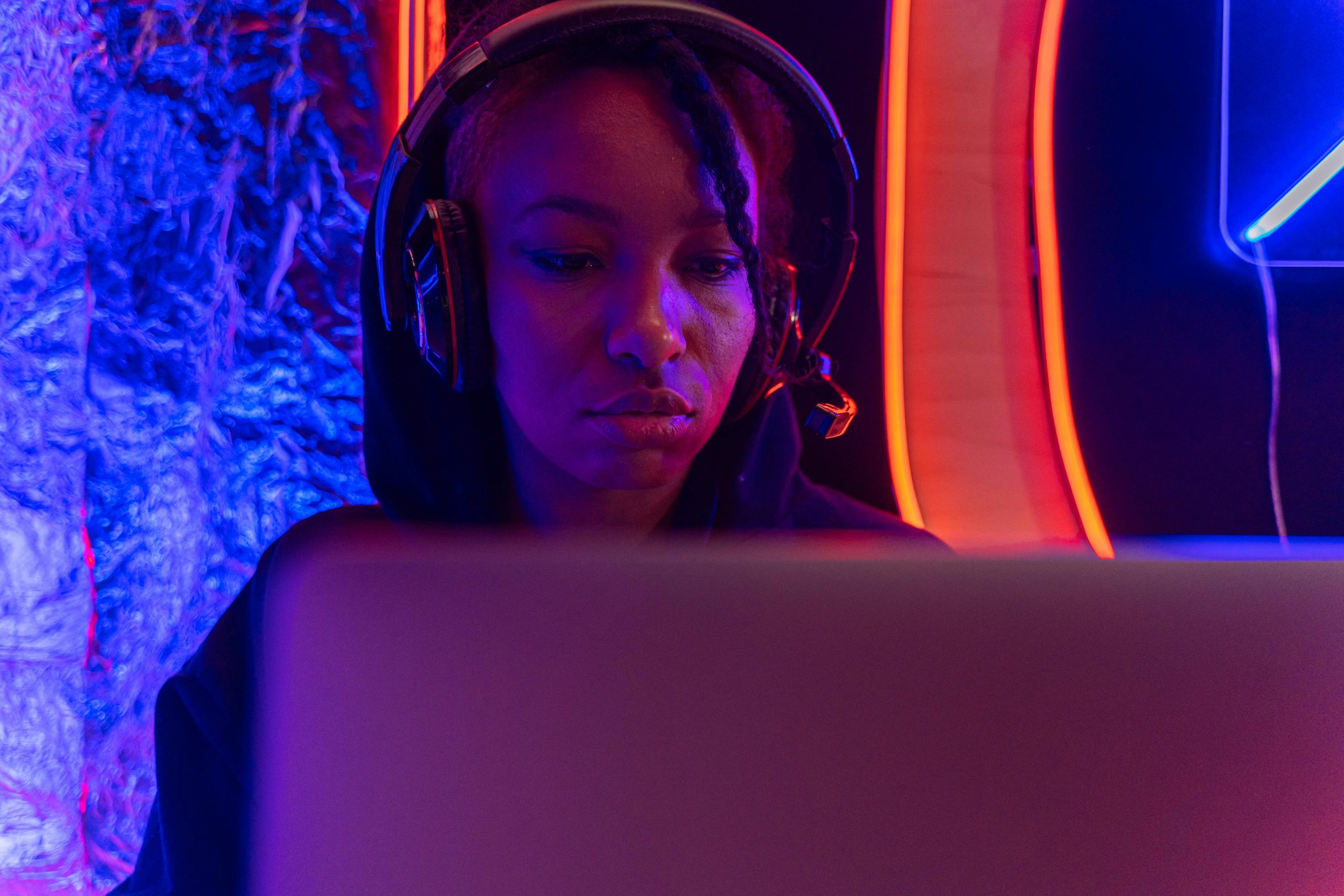
Your brain uses light exposure to regulate your internal clock. Specialized receptors in your eyes are particularly sensitive to blue wavelengths between 450 and 480 nanometers. When these receptors detect blue light, they signal your pineal gland to suppress melatonin production because historically, blue-enriched light meant daytime. This system evolved long before LED screens and artificial lighting existed.
Modern environments create a mismatch between our biology and our lighting. According to research published in the Journal of Pineal Research, orange-tinted blue blocker glasses significantly impede the capacity of bright light to suppress melatonin production. The study found that while grey-tinted glasses reduced melatonin by 46%, orange-tinted glasses produced no significant melatonin suppression despite transmitting the same illuminance.
A systematic review in Chronobiology International examined 24 publications on blue-blocking glasses and found substantial evidence for their effectiveness in reducing sleep onset latency. The review concluded that blue-blocking glasses are a viable intervention for people with insomnia or delayed sleep phase disorder, given the well-established biological mechanism connecting blue light exposure to circadian disruption.
What Makes Budget Glasses Effective
The effectiveness of blue light glasses depends primarily on lens color and the wavelength range they block, not brand prestige or price tag. Budget glasses can perform comparably to premium options when they use the right lens technology. The critical factor is whether the lenses block light in the 400 to 500 nanometer range, particularly the 450 to 480 nanometer sweet spot that most strongly suppresses melatonin.
Lens color provides a useful indicator of blocking capability. Clear or light yellow lenses typically block only 30 to 40 percent of blue light, which research suggests is insufficient for meaningful sleep benefits. Amber lenses block more blue light while maintaining reasonable color perception. Orange and red lenses provide the most complete blocking but significantly alter how you see colors and reduce overall light transmission.

For evening use aimed at improving sleep, amber or orange lenses are the most practical choice. If you are curious about whether blue light glasses help sleep, the research consistently points to orange-spectrum lenses as the effective option for evening wear. Clear lenses marketed as “blue light blocking” may help with daytime eye strain but lack sufficient blocking capability for sleep purposes.
Top Budget Blue Light Glasses for Sleep
UVEX Skyper (Under $15)
The UVEX Skyper has become something of a cult favorite in sleep optimization circles despite being industrial safety glasses. The SCT-Orange lens blocks approximately 98 percent of blue light and includes UV protection. At under $15, they represent exceptional value for anyone testing whether blue light blocking helps their sleep.
These glasses are lightweight with adjustable temple lengths and a wraparound design that prevents light from entering around the edges. The industrial aesthetic will not win any fashion awards, but the wrap-around coverage actually provides more complete light blocking than many stylish alternatives. The lens inclination adjusts to three positions, allowing you to find a comfortable viewing angle.
The main limitation is fit. The UVEX Skyper does not fit well over prescription glasses, and the one-size approach may feel large on smaller faces. For prescription wearers, UVEX offers the Ultra-Spec 2000 as a fit-over option, though availability varies. According to independent spectrometer testing, the SCT-Orange lenses perform comparably to glasses costing five to ten times as much.
Spectra479 Night Shades (Around $30)
Spectra479 occupies the mid-budget tier with glasses specifically designed for sleep rather than industrial safety. Their Night Shades block 100 percent of light from 280 to 490 nanometers and 99.8 percent in the critical 450 to 510 nanometer range. The wraparound TR90 thermoplastic frames are lightweight and flexible.
The company also offers clip-on versions for prescription glasses wearers, addressing one of the main limitations of budget options. The 90-day return policy provides a generous testing window to determine if the glasses help your sleep before committing financially.
One advantage of Spectra479 over pure industrial options is slightly better optical clarity. The lenses pass more non-blue light through without a dark tint, making them more practical for reading or watching television. That said, as with all orange-tinted glasses, colors will shift and blues will appear grey or muted.

Gamma Ray Optics Blue Light Blocking (Under $20)
Gamma Ray offers amber-lensed glasses that balance blocking effectiveness with everyday aesthetics. Their frames look more like standard eyewear than industrial equipment, making them more socially acceptable for evening wear in shared spaces. The amber tint blocks approximately 74 percent of circadian-disrupting light according to spectrometer testing.
The trade-off with amber versus orange is reduced blocking capability but improved color rendering. For someone who needs to work in the evening and cannot tolerate the color distortion of orange lenses, amber provides a middle ground. The Sleep Foundation notes that blue light blocking glasses typically range from $15 to $50, with more expensive options often providing stylistic rather than functional advantages.
NoCry Safety Glasses with Blue Light Blocking (Under $15)
Another industrial option that doubles as effective sleep glasses, NoCry offers ANSI Z87.1 certified safety glasses with amber lenses that block 100 percent of UV light and significant blue light. The adjustable temples and anti-slip tips provide secure fit during movement.
The NoCry glasses fit over most prescription eyewear, solving the prescription compatibility problem that plagues many budget options. The anti-fog coating maintains clarity during temperature transitions, though this feature matters more for industrial use than evening reading.
Prescription and Fit-Over Options
If you wear prescription glasses, your budget options expand in two directions: fit-over glasses that slide over your existing frames, or clip-on lenses that attach directly. Fit-overs from brands like Spectra479, Bloomoak, and Safety Blue typically cost $20 to $40 and provide fuller coverage than clip-ons.
Clip-on lenses offer convenience and portability at the expense of some light leakage around the edges. For travel or occasional use, clip-ons work well. For dedicated evening use where maximum blocking matters, fit-over glasses provide better protection.
Companies like Block Blue Light and EyeBuyDirect also offer prescription blue light blocking glasses at budget-friendly prices if you prefer an integrated solution. When ordering prescription blue blockers for sleep purposes, verify that the company offers amber or orange lens options rather than just clear blue-light filtering coatings.

My Experience and Honest Assessment
My relationship with blue light glasses remains complicated. I wear them during my evening wind-down routine, typically starting about an hour before bed. The glasses have become part of my signal to my brain that sleep is approaching, similar to how reading a physical book or reducing screen brightness cues the transition to rest.
Whether the glasses themselves drive improvement or simply serve as a behavioral anchor is difficult to separate. This aligns with what some controlled research has found: in healthy adults without sleep disorders, objective measures of sleep time or quality did not significantly improve with blue light blocking glasses compared to clear lenses. However, the same study noted subjective improvements in how participants felt about their sleep.
For people with anxiety-driven insomnia like mine, the psychological component matters. As I discovered through years of trial and error, getting upset about not sleeping is counterproductive. Blue light glasses, regardless of their physiological mechanism, give me something constructive to do in the evening that I believe might help. That sense of agency has value even if the direct effect is modest.
The budget nature of options like UVEX Skyper makes experimentation low-risk. For under $15, you can test whether blue light blocking helps your specific situation. If it works, excellent. If not, you have lost less than the cost of a takeaway meal. This contrasts sharply with premium products that may cost $100 or more for equivalent blue light blocking capability. To understand the optimal timing for evening wear, check out our guide on when to wear blue light glasses.
How to Choose the Right Budget Option
Start by identifying your primary use case. If you want maximum blue light blocking for evening sleep preparation and can tolerate significant color distortion, orange-lensed options like UVEX Skyper provide the best value. If you need to work or interact with others in the evening and require better color rendering, amber options from Gamma Ray or similar brands offer a reasonable compromise.
Consider your prescription needs early. Fit-over glasses add bulk and may feel awkward, but they provide complete coverage. Clip-ons are more discreet but less effective at blocking light entering from the sides. If you spend significant time using blue light glasses, investing in prescription blue blockers may prove worthwhile despite higher upfront cost.
Frame style matters more than you might expect. Industrial safety glasses work brilliantly from a light-blocking perspective but may feel odd to wear around family or housemates. Some people keep their UVEX glasses for solo evening use and own a more presentable pair for shared spaces. Understanding how blue light glasses compare to night mode settings on your devices can help you decide whether glasses alone are sufficient or part of a broader light management strategy.

What Budget Glasses Cannot Do
Blue light glasses address one input to your circadian system. They do not fix poor sleep hygiene, address underlying anxiety, compensate for caffeine consumed too late, or replace the benefits of morning light exposure for setting your circadian rhythm. The people who see the most benefit from blue light glasses typically use them as part of a comprehensive evening routine rather than as a standalone solution.
The research literature on optimizing blue-blocking glasses emphasizes that filter effectiveness varies widely among commercially available options. Not all glasses claiming to block blue light do so effectively. Budget options using proven orange or amber lenses with spectrometer-verified blocking typically outperform expensive clear-lens options that rely on coatings rather than lens color.
Expectations matter as well. If you expect blue light glasses to immediately solve chronic insomnia, you will likely feel disappointed. If you view them as one tool among many for supporting natural melatonin production in the evening, they fit more appropriately into a realistic sleep improvement strategy.
Making Your Decision
The best budget blue light glasses for most people starting out are the UVEX Skyper. At under $15 with proven blue light blocking capability, minimal downside risk exists. Wear them for two to three hours before bed for at least two weeks to give your body time to respond. Track your sleep subjectively during this period to assess any changes.
If the UVEX aesthetic bothers you or you need prescription compatibility, step up to Spectra479 fit-overs or clip-ons. The added cost remains modest compared to premium brands while providing verified blue light blocking. For those who must balance evening work with sleep optimization, amber-lensed options from Gamma Ray or similar brands offer the middle ground.
Remember that the goal is supporting your body’s natural melatonin production, not blocking every photon of blue light. Perfect should not become the enemy of good. A $12 pair of orange safety glasses worn consistently provides more benefit than $150 designer blue blockers sitting unworn in a drawer because they feel too precious for casual evening use.
For a comprehensive overview of all the blue light glasses options available, from budget to premium, explore our complete guide to the best blue light blocking glasses for sleep.
Frequently Asked Questions
Do cheap blue light glasses actually work?
Yes, budget blue light glasses with orange or amber lenses can block blue light as effectively as premium options. The lens color and wavelength blocking capability matter more than price. Industrial safety glasses like UVEX Skyper block over 98% of blue light for under $15, matching the performance of glasses costing ten times as much.
What color lens is best for sleep?
Orange lenses provide the most complete blue light blocking for sleep purposes, filtering virtually all light in the 400-500nm range that suppresses melatonin. Amber lenses offer a balance between blocking effectiveness and color rendering. Clear lenses with blue light coatings typically block only 30-40% of blue light, which research suggests is insufficient for meaningful sleep benefits.
How long before bed should I wear blue light glasses?
Most research and manufacturer recommendations suggest wearing blue light blocking glasses for one to three hours before your intended bedtime. This allows sufficient time for your body to ramp up natural melatonin production without the suppressing effect of blue light from screens and artificial lighting.
Can I drive while wearing orange blue light glasses?
No, you should not drive while wearing orange or red blue light blocking glasses. The FDA does not recommend these glasses for driving because the color filtering can impair your ability to distinguish traffic signals, brake lights, and emergency vehicle lighting. Remove blue blocking glasses before driving.
Top picks on Amazon: Uvex Skyper Blue Light Glasses → | Sleep ZM Blue Light Glasses → | Swanwick Night Swannies →
Are blue light glasses worth it if I already use night mode on my phone?
Night mode settings reduce but do not eliminate blue light emission from your screen, and they do nothing about blue light from room lighting, television, or other sources. Blue light glasses provide more comprehensive protection by filtering light entering your eyes from all sources in your environment, not just one device.
Read more articles on the Blue Light Glasses Hub.
About the Author
Scott Hilliard is the founder of liveworksleep, where he shares insights from his decade-long journey managing anxiety-driven insomnia. After years of testing everything from prescription medications to sleep trackers, Scott developed an acceptance-based approach to sleep that prioritizes sustainable habits over quick fixes. He holds no medical credentials but offers the perspective of someone who has lived through chronic sleep challenges and emerged with practical strategies that work. When not writing about sleep, Scott enjoys morning walks and reading fiction before bed.
Transparency: liveworksleep may earn a commission from purchases made through links on this page at no additional cost to you. We only recommend products we believe provide genuine value. Our editorial opinions are our own and are not influenced by affiliate partnerships.