Is the Dreem Headband Discontinued? (And the 2 Best Replacements)
Affiliate Disclosure: As an Amazon Associate I earn from qualifying purchases. Some links on this page are affiliate links. If you buy through them we earn a small commission at no extra cost to you. Our recommendations are based on research into specifications, published evidence and product listings. Learn more.
Quick Picks

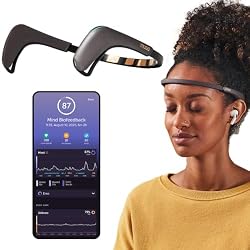
Quick picks: Muse S Athena → | Oura Ring 4 →
When I first started exploring EEG headbands for sleep tracking, I was immediately drawn to the promise of clinical-grade brain monitoring from the comfort of my own bed. After years of struggling with anxiety-driven insomnia and testing every wrist-based tracker on the market, the idea of actually measuring my brainwaves felt like a genuine leap forward in understanding my sleep patterns.
The Muse S and Dreem 2 represent two very different approaches to consumer EEG sleep technology. However, this comparison comes with an important caveat that fundamentally shapes any purchasing decision: Dreem discontinued consumer sales in 2021 and pivoted exclusively to healthcare and research applications. This means the Muse S Athena (the current generation) is now the primary consumer option for EEG-based sleep tracking, and the previous Muse S Gen 2 is no longer sold new on Amazon.
Understanding what made both devices appealing, what worked, and what the future holds for this technology provides valuable insight for anyone considering brain-based sleep monitoring.
| Model | Status | Price | Best For | Buy |
|---|---|---|---|---|
| Muse S Athena | Available | Current price | Best EEG headband for sleep (current model) | See Muse S Athena on Amazon |
| Dreem 2 | Discontinued | N/A | No longer available | N/A |

The Promise of EEG Sleep Tracking
Traditional sleep trackers rely on movement detection and heart rate variability to estimate sleep stages. While these methods have improved significantly, they remain fundamentally indirect measurements. EEG headbands measure actual brainwave activity, the same signals used in clinical sleep studies, offering a more direct window into what your brain is doing during sleep.
A 2024 systematic review published in Sleep Medicine Reviews examined 34 unique EEG-based wearables and found that validation studies consistently demonstrated high accuracy in sleep staging detection. The research concluded that EEG-based wearables show great promise as alternatives to laboratory polysomnography for at-home sleep monitoring.
My experience with wrist-based trackers taught me their limitations the hard way. I remember nights where I felt genuinely terrible, yet my tracker insisted I had achieved excellent sleep scores. The disconnect between subjective experience and device feedback became frustrating. As someone who experiences racing thoughts at bedtime, I wanted data that reflected what was actually happening in my brain, not educated guesses based on how much I moved.
Muse S Athena and Gen 2: The Options
The Muse S Gen 2 from InteraXon uses silver-thread EEG sensors embedded in a soft, breathable fabric headband. It measures brainwave activity through four primary EEG channels with a 256 Hz sampling rate, along with heart rate, breathing patterns, and movement data.
According to Sleep Foundation’s review, the Muse S Athena headband provides comprehensive sleep tracking with EEG sensors that offer a more accurate picture of sleep stages compared to devices that rely solely on wrist-based measurements. The device received praise for its overnight sleep tracking capabilities and its ability to monitor brain activity during rest.
Key Features
The standout feature is “Digital Sleeping Pills,” responsive audio experiences designed to help users fall asleep and return to sleep if awakened during the night. The device monitors brain activity in real time and adjusts audio accordingly. When your brain shows signs of drifting toward sleep, the volume gradually decreases. If activity levels remain elevated, the program continues playing at your selected volume.
Sleep tracking includes detection of wake, light, deep, and REM stages based on actual brainwave patterns rather than movement estimates. The app provides morning sleep scores and detailed breakdowns of time spent in each stage. A 2021 study led by Western University found that Muse S EEG sleep support technology showed a 20% improvement in the Pittsburgh Sleep Quality Index relative to controls.

From a practical standpoint, the Muse S offered something I genuinely needed: responsive feedback during the challenging transition to sleep. My anxiety-driven insomnia primarily involves difficulty initiating sleep rather than maintaining it. Having audio that adapts to my brain state felt more sophisticated than simply setting a sleep timer and hoping for the best.
Specifications and Pricing
The Muse S Gen 2 weighs approximately 41 grams and offers 10 hours of battery life per charge. It connects via Bluetooth to the companion app, which provides guided meditations, sleep experiences, and detailed analytics. The device retails for around $400 from the official Muse website, with premium subscription options available for expanded content access.
InteraXon has also released the Muse S Athena, which adds fNIRS (functional near-infrared spectroscopy) sensors to track blood oxygenation in the brain. This newer model represents an evolution of the technology, though it comes at a higher price point around $475.
Muse S Athena See Muse S Athena on Amazon
Dreem 2: What We Lost
The Dreem 2 headband featured six EEG sensors (five for measurement plus one bias electrode for calibration), a pulse oximeter, accelerometer, and bone conduction audio system. Independent reviews consistently praised its clinical-grade accuracy and comprehensive approach to sleep improvement.
Research published in Sleep Health Journal in 2024 compared multiple sleep tracking devices against laboratory polysomnography and found that the EEG-based Dreem headband significantly outperformed other consumer trackers, achieving kappa scores of 0.76 for two-stage classification and 0.76-0.86 for four-stage sleep classification. The researchers concluded that EEG-based devices like Dreem are recommended when evaluating poor quality sleep or when highest accuracy sleep staging is required.
The Dreem app included structured cognitive behavioral therapy for insomnia (CBT-i) programs, guided relaxation techniques, and smart alarms that woke users at optimal points in their sleep cycles. The bone conduction audio allowed audio delivery without blocking ear canals or disturbing sleeping partners.

Why Dreem Left the Consumer Market
In March 2021, Dreem announced it would no longer sell headbands directly to consumers, instead pivoting to healthcare, research, and B2B sectors. The company explained this shift as a strategic decision to have larger impact through healthcare partnerships. The technology continues under the name “Waveband” through Beacon Biosignals for clinical research applications.
For existing Dreem owners, the company committed to service continuation, though recent user reports suggest app support has become increasingly limited. Some users have reported the app being discontinued entirely, rendering their devices effectively unusable.
The loss of Dreem from the consumer market represents a genuine setback for sleep technology enthusiasts. When I researched EEG headbands several years ago, Dreem consistently appeared as the gold standard for accuracy. Its departure left a significant gap in available options for consumers seeking clinical-grade sleep data at home.
Head-to-Head Comparison
While direct comparison requires acknowledging Dreem’s unavailability, understanding how these devices differed provides context for evaluating the current landscape.
Accuracy and Sensor Technology
Dreem employed six EEG electrodes positioned at both frontal and occipital (back of head) positions, providing broader coverage of brain activity. The Muse S uses four primary EEG channels concentrated on the forehead region. Multiple validation studies confirmed Dreem’s 83.5% overall scoring accuracy across five sleep stages when compared to laboratory polysomnography.
The Muse S manufacturer cites 86% accuracy in detecting sleep patterns, though independent validation data is less extensive than what existed for Dreem. For practical purposes, both devices offered substantially more accurate sleep staging than wrist-based trackers, which typically struggle to differentiate between light and deep sleep stages reliably.
Sleep Improvement Features
Both devices attempted to actively improve sleep rather than simply track it. Dreem’s approach included structured CBT-i programs with daily coaching videos and behavioral interventions. The device used pink noise stimulation timed to deep sleep phases to enhance slow-wave sleep quality.
Muse S focuses on meditation-based relaxation and responsive audio experiences. The Digital Sleeping Pills feature represents a more passive intervention compared to Dreem’s comprehensive coaching programs. However, for users primarily interested in relaxation support rather than structured therapy, this approach may prove sufficient.

The therapy techniques I learned through my own insomnia journey emphasize acceptance over resistance. Getting upset about not sleeping is like getting upset that it is raining outside. Both devices attempted to address this through calming interventions, though Dreem’s structured CBT-i approach more directly targeted the cognitive patterns underlying sleep anxiety.
Comfort and Wearability
Wearing anything on your head while sleeping presents inherent challenges. User reports for both devices indicate an adjustment period of several nights before the sensation becomes forgettable. The Muse S uses a softer, more flexible design compared to early EEG headbands, though some users report it can shift position during sleep or feel restrictive for certain sleeping positions.
Dreem’s bone conduction audio system eliminated the need for earbuds or external speakers, allowing audio delivery without disturbing partners. The Muse S requires compatible earbuds or speakers for audio features, which adds complexity for couples sharing a bed.
Quick Picks
Who Should Consider EEG Sleep Tracking?
EEG headbands represent a significant investment in sleep technology, both financially and in terms of adapting to nightly headband wear. Understanding whether this technology addresses your specific needs helps justify the commitment.
Ideal Candidates
Individuals who have tried conventional sleep trackers and found the data unhelpful or disconnected from their experience often benefit most from EEG monitoring. If you experience anxiety-driven insomnia, difficulty initiating sleep, or want detailed understanding of your sleep architecture, brainwave-based tracking provides more meaningful data than movement-based alternatives.
The meditation and relaxation features built into the Muse ecosystem also make it valuable for users interested in developing consistent mindfulness practices alongside sleep improvement. Research supports the connection between regular meditation and improved sleep quality, and having both capabilities in a single device creates a more integrated approach.
Those seeking clinical-grade data without laboratory visits may find EEG headbands provide sufficient detail for tracking patterns and identifying issues. However, it is essential to understand these devices do not replace professional sleep studies for diagnosing conditions like sleep apnea or other sleep disorders that require comprehensive monitoring.
Who Should Look Elsewhere
Casual sleep trackers satisfied with general trends and basic metrics will likely find EEG headbands unnecessarily complex. If knowing approximately how long you slept and roughly how restful it was meets your needs, wrist-based trackers or under-mattress sensors provide that information with less friction.
Individuals uncomfortable wearing anything on their head during sleep should seriously consider alternatives. While many users adapt within days, some never achieve comfort with headband devices. No amount of accurate data compensates for reduced sleep quality from device discomfort.

The Current Landscape and Future Outlook
With Dreem’s exit from consumer sales, the Muse S Athena (the newer successor to the Gen 2) represents the primary option for consumers seeking dedicated EEG sleep tracking. Other devices exist in adjacent categories, including the various EEG headbands designed primarily for meditation that offer limited sleep features, and research-grade devices priced beyond typical consumer budgets.
The validation research for EEG-based sleep wearables continues to grow. A comprehensive 2024 study in JMIR mHealth and uHealth evaluated 11 consumer sleep trackers and found substantial variation in accuracy, with some devices achieving macro F1 scores as high as 0.69 while others scored only 0.26. This highlights the importance of selecting validated devices rather than assuming all sleep trackers perform similarly.
For those interested in exploring this technology, the Muse S Gen 2 review provides detailed analysis of current capabilities and limitations. Understanding whether EEG headbands actually improve sleep requires examining both the tracking accuracy and the effectiveness of intervention features.
Practical Recommendations
Given current market realities, the Muse S Athena stands as the most current consumer EEG sleep tracking option, with the previous-generation Muse S Gen 2 no longer sold new. The Athena represents a significant investment that makes sense primarily for users with specific needs around sleep improvement or detailed brain activity monitoring.
Before purchasing, honestly assess whether you will commit to nightly headband wear. Many devices end up in drawers after the novelty fades. The value of EEG tracking emerges from consistent use that reveals patterns over time. Note that EEG headbands are designed for adult use only; parents monitoring a toddler or young child should explore our separate guide to the best sleep trackers for toddlers instead.
The standard Muse S Gen 2 offered similar core sleep tracking at a lower price than the Athena, but it is no longer sold new, so the Athena is the available option and adds fNIRS sensors for deeper brain monitoring.
For those mourning Dreem’s departure or seeking alternatives, exploring the accuracy research for EEG headbands provides context for evaluating emerging devices as this technology category continues developing.
Muse 2 vs Muse S: Understanding the Generational Upgrade
The original Muse (often called Muse 2) and the newer Muse S Gen 2 are frequently confused in search results. The key difference is that Muse S introduced dry electrode technology, which eliminates the need for conductive gel and reduces setup friction. Muse 2 required electrode gel and offered fewer sleep-specific features; it was primarily designed for meditation and brain training rather than sleep tracking. The Muse S Gen 2 maintains the dry electrode design while adding improved sleep stage classification and better consistency in nightly readings. If you’re comparing these two devices, the Muse S Gen 2 is the clear advancement, though it costs roughly 70 percent more than used Muse 2 units on the secondhand market. The question isn’t whether one is better, but whether the dry electrode convenience and sleep-focused features justify the price difference for your specific needs. Most people moving from Muse 2 to Muse S report the elimination of setup hassle as the most practical benefit.
EEG Headbands vs Other Sleep Trackers: When Precision Matters
EEG-based sleep tracking offers significantly higher specificity for sleep stage detection than wristbands or mattress sensors, but this precision comes with tradeoffs. Research indicates EEG headbands can distinguish REM, light sleep, and deep sleep with reasonable accuracy, whereas actigraphy-based trackers often misclassify sleep stages by 20 to 40 percent. However, even EEG headbands show variability compared to clinical polysomnography, particularly in detecting micro-arousals or brief awakenings. The practical question is whether you need that level of detail. If you’re tracking sleep to address a specific problem, such as excessive daytime fatigue or suspected sleep fragmentation, EEG data can reveal patterns that simpler trackers miss. If you’re optimizing already decent sleep, the added precision may not change your behavior or outcomes. Budget also matters; spending 300 to 600 dollars on an EEG headband makes sense if you’ll use the data to implement changes, but not as a curiosity purchase. Consider your actual sleep concerns before committing to this category of device. If that price range is out of reach, our guide to the best budget sleep trackers under $150 covers capable wrist-worn alternatives that still deliver sleep-stage data. For users who want ring-form biometric sleep tracking at a much lower price, the Amazfit Helio Ring is worth considering before committing to an EEG headband.
Final Thoughts
The Muse S vs Dreem comparison ultimately illustrates both the promise and fragility of consumer sleep technology. Dreem demonstrated that clinical-grade EEG monitoring could work in consumer form factors, while its exit from the market shows how challenging sustaining such products commercially can be.
The breakthrough in my own sleep journey came not from any device but from learning to accept that some nights simply will not produce good sleep. Technology can provide valuable data and helpful interventions, but it cannot replace the mindset shifts that ultimately transform our relationship with sleep.
For those drawn to the detailed insights EEG headbands provide, the Muse S Athena offers a viable path forward. Set realistic expectations, commit to consistent use, and remember that the device serves as a tool for understanding rather than a solution in itself. The patterns it reveals become meaningful only when you act on them to build better sleep habits over time.
Read more articles on the EEG Headbands Hub.
About the Author
Scott Hilliard is the founder of liveworksleep, bringing over a decade of personal experience managing anxiety-driven insomnia. Through extensive product testing, professional consultations, and trial-and-error experimentation, Scott has developed practical insights into what actually works for improving sleep quality. His approach combines evidence-based research with real-world experience to help readers navigate the complex landscape of sleep technology and wellness.
Transparency Statement
liveworksleep may earn a commission from purchases made through affiliate links in this article. This does not influence our editorial decisions or product recommendations. We only recommend products we believe provide genuine value for our readers.
Medical Disclaimer
This article is for informational purposes only and does not constitute medical advice. EEG sleep headbands are consumer wellness devices and do not replace professional sleep studies or medical consultations. If you experience persistent sleep problems, consult a qualified healthcare provider or sleep specialist.
Check current prices on Amazon: Muse S Athena → | Oura Ring 4 →
Our Recommendation
- Best EEG sleep headband: Muse S Athena — The current consumer-available EEG headband with fNIRS sensors and overnight sleep tracking
- Budget alternative: MUSE 2 — Meditation-focused headband with limited sleep tracking, suitable if meditation is your primary use case
Quick Picks
Frequently Asked Questions
Can I still buy a Dreem headband?
Dreem discontinued consumer sales in March 2021 and no longer sells headbands directly to the public. Some units may appear on secondary markets like eBay, but purchasing used devices comes with significant risks including limited app support, no warranty coverage, and uncertain device functionality. The company has indicated that app support may eventually be discontinued entirely for existing consumer devices.
How accurate are EEG sleep headbands compared to sleep lab studies?
Validated EEG headbands achieve 80-85% accuracy in sleep staging compared to polysomnography, the gold standard used in sleep laboratories. This represents significantly higher accuracy than wrist-based trackers, which typically achieve 60-70% accuracy for basic sleep-wake detection and struggle substantially with sleep stage differentiation. However, consumer EEG devices cannot replace clinical sleep studies for diagnosing sleep disorders.
Is the Muse S comfortable to sleep in?
Most users report requiring 3-5 nights to adapt to wearing the headband during sleep. The soft fabric design feels less intrusive than earlier EEG devices, and the lightweight construction (approximately 41 grams) minimizes awareness during wear. However, side sleepers and those who move frequently during sleep may find the device shifts position or feels restrictive. Individual comfort varies significantly.
Do I need a subscription to use the Muse S?
The Muse S functions without a subscription for basic sleep tracking and limited meditation content. The Premium Subscription provides access to over 500 guided meditations, advanced features, and expanded sleep content. Many users find the free tier sufficient for core sleep tracking needs, while meditation enthusiasts typically benefit from premium access.
What happened to the Dreem company?
Dreem pivoted from consumer sales to focus on healthcare partnerships, research institutions, and B2B applications. The company’s technology continues under the name “Waveband” through Beacon Biosignals for clinical research purposes. This shift represents a strategic decision to pursue larger impact through healthcare channels rather than direct consumer sales.
If you’re wondering whether real-time sleep tracking data actually changes sleep quality, our guide on using sleep data to improve rest covers the behavioral side of this question in detail.
For those considering EEG devices as part of a broader sleep improvement strategy, our article on sleep optimization without supplements covers evidence-based approaches that work alongside tracking technology.