EEG Headband Accuracy for Sleep Stages: What the Research Actually Shows
Affiliate Disclosure: As an Amazon Associate I earn from qualifying purchases. Some links on this page are affiliate links. If you buy through them we earn a small commission at no extra cost to you. Our recommendations are based on research into specifications, published evidence and product listings. Learn more.
Quick Picks


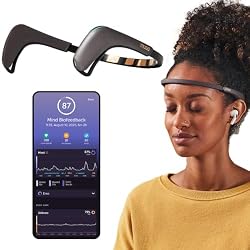
Quick picks: Oura Ring 4 →
When I first started exploring sleep tracking technology beyond basic wrist-worn devices, EEG headbands promised something genuinely different: direct measurement of brain activity rather than estimates based on movement and heart rate. The appeal was obvious. After years of managing anxiety-driven insomnia, I wanted data I could trust. But the question that kept nagging at me was straightforward: how accurate are these devices, really?
The answer, as I discovered through both personal testing and diving into the research literature, is more nuanced than marketing materials suggest. EEG headbands represent a significant advancement over motion-based trackers, but they come with limitations that anyone considering them should understand. This guide examines what peer-reviewed studies reveal about EEG headband accuracy for sleep staging, where these devices excel, where they struggle, and what this means for your sleep tracking goals.
Understanding Sleep Stages and Why Accuracy Matters
Before examining headband accuracy, it helps to understand what these devices are attempting to measure. Sleep occurs in distinct stages, each characterized by specific brain wave patterns that polysomnography (PSG) equipment detects using electrodes placed across the scalp.
According to the National Institutes of Health, sleep cycles through five stages: wake, N1 (light transitional sleep), N2 (the majority of sleep time, marked by sleep spindles and K-complexes), N3 (deep slow-wave sleep critical for physical restoration), and REM (when dreaming occurs). A complete sleep cycle takes roughly 90 to 110 minutes, and most people experience four to six cycles per night.
The clinical gold standard for measuring these stages remains laboratory polysomnography. PSG uses multiple EEG channels across different scalp locations, combined with electrooculography (eye movement), electromyography (muscle tone), and other physiological measures. Trained sleep technicians then visually score each 30-second epoch according to guidelines established by the American Academy of Sleep Medicine.
Consumer EEG headbands face a challenging task: they must replicate this sophisticated multi-channel analysis using far fewer electrodes, positioned in locations comfortable enough for home use, while running automated algorithms rather than relying on expert human interpretation. Understanding these constraints helps set realistic expectations.
What Validation Studies Reveal About EEG Headband Accuracy
The most rigorous way to evaluate any sleep tracking device is through validation studies comparing its output against simultaneous PSG recordings. Several peer-reviewed studies have examined major EEG headbands, and the results are illuminating.
A comprehensive validation study published in the journal SLEEP examined the Dreem headband against full polysomnography in 25 subjects. The device achieved an overall sleep staging accuracy of 83.5% with an F1 score of 83.8%. To put this in perspective, the five expert sleep scorers in the same study averaged 86.4% accuracy when compared against each other’s consensus. In other words, the headband performed within the range of human expert variability.

Research on the Muse S headband has shown similar results. According to studies conducted by the device manufacturer and reviewed by independent sources, the Muse S achieves approximately 86% accuracy in identifying different sleep stages when compared against expert sleep technician scoring. This places it in comparable territory to other EEG-based consumer devices.
What struck me when examining these studies was the consistency of the challenge across devices. The hardest sleep stage to detect accurately is N1 (light transitional sleep), while N3 (deep sleep) tends to be the most reliably identified stage. This pattern appears regardless of which headband is being tested.
Stage-by-Stage Accuracy Breakdown
Overall accuracy figures tell only part of the story. How a device performs on specific sleep stages matters significantly for practical usefulness.
Deep Sleep (N3): The Strongest Performance
EEG headbands perform best when detecting deep sleep, also called slow-wave sleep. This makes physiological sense: N3 is characterized by high-amplitude delta waves that are relatively easy to distinguish from other brain activity. The Dreem headband validation study showed accuracy around 82.6% for N3 detection, while a 2025 meta-analysis published in npj Biomedical Innovations examining 43 validation studies confirmed that N3 is consistently the most reliably detected stage across wearable EEG devices.
For anyone primarily concerned with tracking deep sleep for recovery purposes, this is encouraging news. The stage most directly associated with physical restoration and immune function is also the one EEG headbands measure most accurately.
N2: Solid Middle Ground
Stage N2 comprises approximately 45% of total sleep time in healthy adults, making it the dominant sleep stage. EEG headbands show reasonable accuracy here, with the Dreem validation study reporting 82.9% accuracy for N2 detection. The distinctive sleep spindles and K-complexes that characterize this stage provide recognizable patterns for algorithms to identify.
REM Sleep: Variable Results
REM sleep presents an interesting challenge. The EEG pattern during REM closely resembles wake state brain activity, making it impossible to distinguish from wakefulness using EEG alone. Clinical polysomnography identifies REM through the combination of wake-like brain waves, rapid eye movements, and temporary muscle paralysis. Consumer headbands attempt to compensate by incorporating accelerometer data and other physiological signals, but accuracy varies.
The Dreem headband achieved 84.5% accuracy for REM detection in validation studies, which is respectable. However, research in older adults with the same device showed REM was overestimated by approximately 25 minutes per night, suggesting the algorithms may need refinement for different populations.

N1: The Persistent Challenge
Light transitional sleep (N1) remains problematic for all sleep tracking technology, including laboratory-grade equipment scored by humans. The Dreem validation study showed only 47.7% accuracy for N1 detection by the headband, but notably, even expert human scorers achieved just 54.2% accuracy on this stage. N1 represents only about 5% of total sleep time in healthy adults, and its transitional nature between wake and deeper sleep makes consistent classification difficult.
This limitation matters less than it might appear. When it comes to understanding your sleep quality, the distinction between wake and N1, or between N1 and N2, has less practical significance than accurate measurement of deep sleep and REM. If you explore our guide on whether EEG headbands actually improve sleep, you’ll see that the meaningful insights come from patterns in the stages these devices track most reliably.
How EEG Headbands Compare to Other Sleep Trackers
Context matters when evaluating accuracy claims. Compared to non-EEG alternatives, consumer EEG headbands represent a substantial improvement in sleep stage detection capability.
Standard actigraphy-based devices (including most smartwatches and fitness bands) typically achieve 70-77% accuracy for basic sleep-wake detection but struggle significantly with sleep stage differentiation. A study examining four commercial wearable devices found that while they performed reasonably well at detecting sleep versus wake, their sleep stage tracking showed high variability and should be interpreted cautiously.
The fundamental limitation of motion-based trackers is physiological: you cannot directly measure brain state from wrist movement. These devices infer sleep stages from heart rate patterns and motion, which provide indirect and often unreliable proxies for actual brain activity. EEG headbands measure the electrical activity that defines sleep stages directly, giving them a meaningful advantage.
My own experience with sleep trackers echoed this research. Using a popular wrist-based tracker for months, I noticed it would often report poor sleep scores on nights I felt genuinely rested, and vice versa. As I noted when reviewing my journey with various tracking devices, you can feel great and then see data telling you that you slept poorly, which creates unnecessary anxiety. EEG-based tracking, while not perfect, tends to align better with subjective sleep quality because it’s measuring what actually matters: brain state.
Factors That Affect Real-World Accuracy
Laboratory validation studies represent ideal conditions. Several factors can reduce accuracy when using EEG headbands at home.
Electrode Contact Quality
EEG signal quality depends entirely on good electrode-to-skin contact. Consumer headbands use dry electrodes rather than the conductive gel used in clinical settings, which can make maintaining signal quality more challenging. Hair, natural skin oils, and positioning all affect contact. In the Dreem validation study, approximately 2.1% of recording time was excluded due to poor signal quality, and this percentage would likely increase in less controlled home environments.
Many users report inadvertently removing their headband during sleep or finding it displaced upon waking. Learning to position the device correctly and adjusting it for comfort without compromising electrode contact takes practice.

Individual Variation
Validation studies typically use healthy adults without sleep disorders. Accuracy may differ for individuals with conditions that alter normal sleep architecture, including sleep apnea, insomnia, neurological conditions, or age-related changes. Research specifically examining older adults found moderate rather than substantial agreement for five-stage sleep classification, suggesting algorithms trained primarily on younger populations may need adaptation.
Algorithm Updates
Sleep staging algorithms improve over time through machine learning refinements. This means accuracy figures from studies conducted several years ago may not reflect current device performance. However, it also means your historical data may have been processed differently than current recordings, making longitudinal comparisons potentially inconsistent.
What This Means for Practical Use
Understanding accuracy limitations shouldn’t discourage you from using EEG headbands; it should inform how you interpret the data they provide.
For tracking trends over time, EEG headbands offer genuine value. Even if absolute sleep stage measurements contain some error, consistent methodology means relative comparisons remain meaningful. If your deep sleep percentage increases after implementing a new bedtime routine, that trend is probably real, even if the exact percentages have some margin of error.
For detailed analysis of specific nights, maintain healthy skepticism. A single night showing unusual patterns might reflect measurement artifact rather than genuine sleep disruption. Look for patterns across multiple nights before drawing conclusions.
For clinical purposes, consumer EEG headbands are not diagnostic devices. They cannot detect sleep apnea, movement disorders, or other conditions requiring medical evaluation. If you suspect a sleep disorder, a proper sleep study remains necessary. What headbands can do is provide supporting data for discussions with healthcare providers and motivation for lifestyle changes.
One of the most valuable lessons from my decade managing sleep issues is that data serves you best when it informs action rather than generating anxiety. I’ve learned to view tracker data the same way I view weather forecasts: useful for planning but not worth getting upset about. If the numbers don’t match how you feel, trust your body over the device.
Choosing an EEG Headband Based on Accuracy Priorities
If accurate sleep staging is your primary goal, the available evidence suggests several considerations when selecting a device.
Look for devices with published peer-reviewed validation studies comparing their performance against polysomnography. Marketing claims without independent verification should be viewed skeptically. Both the Dreem headband and Muse S have published research demonstrating their accuracy in controlled conditions, which provides a baseline for expectations. For detailed comparisons between these two leading options, our Muse S vs Dreem comparison breaks down the practical differences.
Consider electrode placement and count. Devices with more electrodes positioned across different scalp regions can theoretically capture more complete sleep stage information. However, this must be balanced against comfort and practical wearability for sleep.
Evaluate whether the device provides raw data access or only processed metrics. Access to detailed sleep architecture data allows for more nuanced interpretation and tracking of specific stages you care about most.

The Bottom Line on EEG Headband Accuracy
Consumer EEG headbands achieve sleep staging accuracy in the 80-86% range under ideal conditions, with performance varying by sleep stage. They excel at detecting deep sleep and perform reasonably on N2 and REM, while N1 detection remains challenging for all devices and even human experts.
This level of accuracy represents a meaningful improvement over non-EEG alternatives and provides genuinely useful data for understanding your sleep patterns over time. It does not, however, match clinical polysomnography and should not be expected to provide medical-grade precision.
For most people interested in optimizing their sleep, 80-86% accuracy is more than sufficient. The insights you can gain from tracking deep sleep trends, sleep efficiency patterns, and correlations with lifestyle factors don’t require perfect measurement. They require consistent measurement and thoughtful interpretation.
If you’re considering adding an EEG headband to your sleep optimization toolkit, go in with realistic expectations. These devices won’t provide laboratory-grade data, but they offer substantially more reliable sleep stage information than alternatives. Used wisely, that information can support meaningful improvements in how you sleep.
For more guidance on selecting the right device for your needs, explore our comprehensive guide to the best EEG headbands for sleep in 2025.
Frequently Asked Questions
How accurate are consumer EEG headbands compared to clinical sleep studies?
Consumer EEG headbands typically achieve 80-86% overall accuracy for sleep stage classification when compared against polysomnography. This is lower than clinical standards but within the range of inter-rater reliability among human expert scorers, who agree on sleep staging approximately 82-87% of the time. For practical home use and trend tracking, this accuracy level provides meaningful data.
Which sleep stages do EEG headbands measure most accurately?
EEG headbands perform best at detecting N3 (deep sleep), with accuracy rates typically around 80-85%. N2 and REM sleep show moderate accuracy in the 80-85% range as well. N1 (light transitional sleep) remains the most challenging stage, with accuracy often below 50%, though this limitation affects human expert scoring as well.
Check current prices on Amazon: Oura Ring 4 →
Can EEG headband accuracy be affected by how I wear the device?
Yes, electrode contact quality significantly impacts accuracy. Proper positioning, clean skin, and ensuring electrodes maintain contact through the night all affect data quality. Hair between electrodes and skin, improper fit, and device displacement during sleep can all reduce accuracy. Most devices provide signal quality indicators to help ensure good electrode contact before sleep.
Should I trust EEG headband data for making health decisions?
EEG headband data is best used for identifying trends and patterns over time rather than drawing conclusions from individual nights. The data can inform lifestyle adjustments and provide useful context for discussions with healthcare providers, but it should not replace professional medical evaluation if you suspect a sleep disorder. Use the trends to guide experimentation with sleep habits rather than treating individual night readings as definitive.
Read more articles on the EEG Headbands Hub.