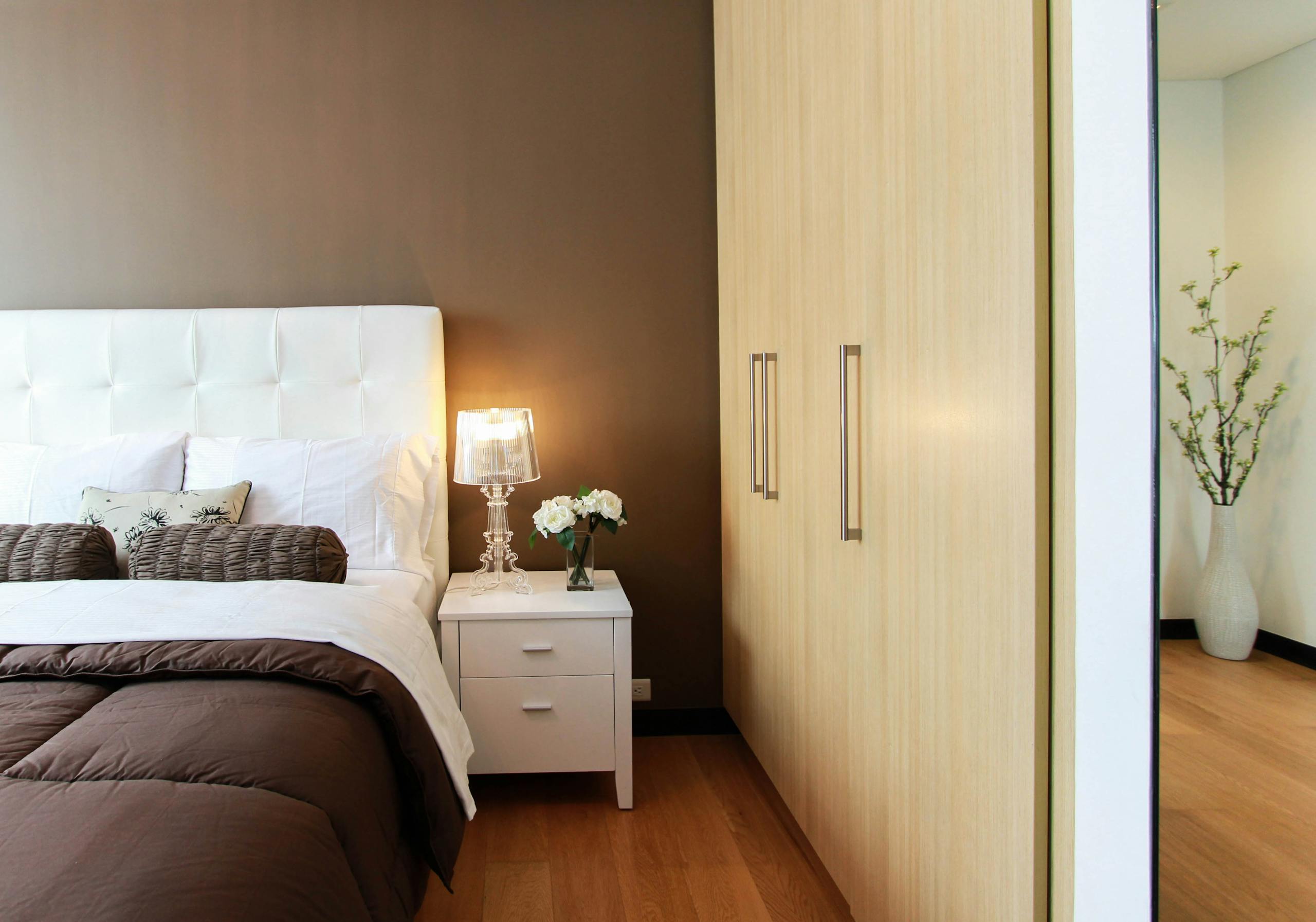
Best Mattress for Athletes: Sleep Technology That Actually Supports Recovery
Affiliate Disclosure: As an Amazon Associate I earn from qualifying purchases. Some links on this page are affiliate links. If you buy through them we earn a small commission at no extra cost to you. Our recommendations are based on research into specifications, published evidence and product listings. Learn more.
Quick Picks
Quick picks: Oura Ring 4 → | Doctor’s Best Magnesium | Muse S Athena →
You can nail every training session, dial in your nutrition, and optimize your supplement stack. But if your mattress is working against you during the eight hours when your body actually repairs itself, you’re leaving performance gains on the table. After a decade of managing my own sleep challenges while watching elite athletes and weekend warriors alike struggle with recovery, I’ve become convinced that mattress selection is one of the most overlooked factors in athletic performance.
The science here isn’t subtle. Approximately 75% of your human growth hormone is released during deep sleep. That’s not a marginal consideration; it’s the foundation of muscle repair, tissue regeneration, and athletic adaptation. When I first learned this, it changed how I thought about sleep entirely. The mattress isn’t just where you rest. It’s recovery equipment.
This guide examines what actually matters when selecting a mattress for athletic recovery, based on peer-reviewed research and my own extensive testing of sleep products. I’ll cut through the marketing claims and focus on what the evidence supports.

Why Your Mattress Matters More Than Your Pre-Workout
Product Comparison
 Casper Sleep Element Queen Check Price on Amazon |  Tuft & Needle Original Medium Queen Check Price on Amazon | |
|---|---|---|
| Type | All-foam | All-foam |
| Firmness | Medium | Medium-firm |
| Trial Period | 100 nights | 100 nights |
| Warranty | 10 years | 10 years |
| Price Range | $$ | $$ |
Here’s what the research actually shows about sleep and athletic recovery. A comprehensive review published in Sleep Medicine Reviews found that sleep extension not only prevents exercise-induced muscle injuries but actively accelerates recovery through increased local IGF-1 production. This isn’t theoretical; sleep deprivation measurably suppresses the hormones your body needs for repair while elevating cortisol, which breaks down muscle tissue.
The implications extend beyond hormones. Research published in Physiological Reports demonstrated that even one night of sleep deprivation reduces muscle protein synthesis by 18%. Ice baths, compression garments, massage therapy; none of them can compensate for poor sleep quality. Your mattress is the platform where this recovery either happens effectively or doesn’t.
When I was at my worst with sleep issues, I noticed my recovery times stretching longer and longer. Workouts that should have left me slightly sore for a day would linger for three or four. At the time, I blamed everything except my sleep environment. Understanding how much sleep athletes actually need is just the starting point; the quality of that sleep matters enormously, and your mattress directly influences sleep quality.
What Athletes Should Actually Look For
Firmness: The Medium Sweet Spot
Research published in sleep science journals consistently points to medium firmness as optimal for most sleepers, and athletes are no exception. A systematic review in the Journal of Orthopaedics and Traumatology shows that medium firmness mattresses are associated with shorter sleep onset latency, longer total sleep time, and higher sleep efficiency. The reason is straightforward: a mattress that’s too soft allows your spine to sag, while one that’s too firm creates pressure points that trigger position changes throughout the night.
That said, body weight matters. Athletes over 230 pounds generally need firmer support to prevent excessive sinking, while lighter athletes can often go slightly softer for better pressure relief. Side sleepers need more cushioning at the shoulders and hips than back or stomach sleepers, regardless of weight.

Temperature Regulation: The Non-Negotiable Factor
Athletes run hotter than average. Higher metabolisms, elevated core temperatures from training, and increased blood flow all contribute to nighttime overheating. This isn’t just uncomfortable; it’s physiologically disruptive. Body temperature must drop for deep sleep initiation, and athletes who can’t cool down miss out on the restorative sleep stages where growth hormone release peaks.
The optimal sleep temperature range falls between 60 and 67 degrees Fahrenheit. But room temperature is only part of the equation. Your mattress either helps dissipate heat or traps it against your body. Traditional memory foam is notorious for heat retention, which is why modern athletic-focused mattresses incorporate gel infusions, open-cell structures, or active cooling technology.
Temperature regulation turned out to be crucial for my own sleep. I used to wake up at 2am overheated and unable to fall back asleep. The anxiety would kick in, and I’d lie there getting increasingly frustrated. Cooler sleep surfaces made a measurable difference in my sleep continuity.
Pressure Relief: Recovery Support in Practice
After intense training, your muscles are inflamed and your joints may be stressed. A mattress that creates pressure points restricts blood flow to exactly the areas that need it most. Effective pressure relief distributes your weight evenly, preventing the tossing and turning that fragments sleep architecture.
The key is finding the balance between pressure relief and support. Too much sink and your spine falls out of alignment. Too little give and pressure builds at contact points. The best athletic mattresses use zoned construction that provides more give under shoulders and hips while maintaining firmer support under the lumbar region.
Top Mattress Recommendations for Athletes
Eight Sleep Pod 4: The Technology Leader
The Eight Sleep Pod represents the most aggressive technological approach to sleep optimization currently available. Rather than passively managing temperature through materials alone, it actively controls bed temperature through a water-based system that can adjust from 55 to 110 degrees Fahrenheit throughout the night.
The clinical data here is compelling. A peer-reviewed study in Bioengineering found that sleeping with cooler temperatures in the first half of the night improved deep sleep by 14 minutes (a 22% increase) and REM sleep by 9 minutes (25% increase). Sleeping heart rate decreased by 2% while heart rate variability increased by 7%, both indicators of enhanced recovery. For athletes whose HRV is a key recovery metric, this matters.
The Autopilot feature automatically adjusts temperature based on your sleep stages, which addresses a limitation of static cooling mattresses. Your temperature needs change throughout the night, and this system responds to those changes. If you’re already using a sleep tracker for athletic performance, the Eight Sleep essentially combines tracking with active intervention.
The drawback is cost. The Pod 4 Cover runs $2,500 to $3,500 depending on size, plus a mandatory subscription of $199 to $299 annually for the Autopilot features. For serious athletes who prioritize recovery, this may represent worthwhile investment. For recreational athletes, the price point is harder to justify.

Purple Mattress: The Pressure Relief Specialist
Purple’s GelFlex Grid represents a genuinely different approach to mattress construction. The grid contains over 1,400 gel columns that buckle under concentrated weight (like your shoulders and hips) while remaining firm under broader surfaces (like your back). This creates what Purple calls instant pressure relief, and independent testing supports the claim.
Studies conducted by SleepScore Labs found that Purple users reported pain-related sleep disruptions dropping by 63 to 68 percent. The technology was originally developed for medical applications, specifically reducing pressure for patients with limited mobility. That pedigree translates directly to athletic recovery needs.
Temperature neutrality is another strength. Unlike memory foam, the grid structure contains over 1,400 air channels that prevent heat buildup. Purple claims their mattress sleeps four times cooler than leading competitors. While that specific metric is difficult to verify independently, the open structure demonstrably allows more airflow than solid foam alternatives.
At $1,299 to $2,999 depending on model and size, Purple sits in the middle ground between basic mattresses and high-tech options like Eight Sleep. The 100-night trial period allows for genuine testing under real training conditions.
Bear Elite Hybrid: The Recovery-Focused Option
Bear built their brand around athletic recovery, and the Elite Hybrid reflects that focus. The mattress incorporates copper-infused memory foam for cooling and antimicrobial properties, plus an optional Celliant cover. Celliant is a proprietary fabric that converts body heat to infrared energy, which pilot studies suggest may increase tissue oxygen levels and promote faster recovery.
The zoned coil system provides seven zones of targeted support, with firmer coils under the lower back and softer areas under shoulders and hips. This addresses the spinal alignment needs that are particularly important for athletes carrying muscle mass in different proportions than average sleepers.
At around $2,000 for a queen, the Bear Elite Hybrid positions itself as a dedicated athletic recovery mattress without the subscription costs of smart bed technology. It’s a strong middle-ground option for athletes who want recovery-focused features without the complexity of active temperature control.
Brooklyn Bedding Spartan: The Value Play
The Spartan was designed specifically for athletes, incorporating copper-infused foam, cooling gel, and a Nanobionic cover that uses the same far infrared technology as certain athletic recovery garments. The TitanFlex foam provides responsive support that works well for athletes who change positions throughout the night.
What sets the Spartan apart is value. At approximately $1,300 for a queen, it includes many of the same technologies found in more expensive athletic mattresses at a lower price point. Brooklyn Bedding manufactures their own mattresses, which allows them to undercut competitors using similar materials.
Edge support is notably strong, which matters for athletes who use the bed edge for sitting while stretching or putting on compression gear. The 120-night trial period exceeds most competitors.
Layla Hybrid: The Flexible Recovery Pick
For athletes weighing cost against recovery features, the Layla Hybrid is worth a look. It pairs copper-infused foam with a spring core, so you get the cooling and pressure relief that aid overnight recovery alongside the responsiveness and edge support that heavier, more muscular sleepers tend to need. Its flippable soft/firm design also lets you adjust feel during heavy training blocks versus rest weeks without buying a second mattress. Check pricing at Layla.
Beyond the Mattress: Complete Sleep Optimization
A quality mattress is necessary but not sufficient for optimal athletic recovery. The sleep environment and behaviors surrounding sleep matter just as much. I learned this the hard way; even after upgrading my mattress, my sleep quality didn’t improve until I addressed temperature, light, and my own anxiety around sleep.
Room temperature should stay between 60 and 67 degrees Fahrenheit. Complete darkness matters; even small amounts of light can suppress melatonin production. White noise or earplugs can help if environmental sounds are disruptive. I’ve found earplugs essential, both for the noise blocking and the psychological signal that it’s time to sleep.
For athletes serious about tracking recovery, pairing a quality mattress with dedicated recovery tools designed for sleep can provide objective data on whether your sleep environment is actually working. Just be cautious about letting the data create anxiety. I’ve seen athletes stress themselves into poor sleep by obsessing over their sleep scores.
Understanding the connection between sleep and muscle recovery helps contextualize why all these details matter. Your body isn’t just resting during sleep; it’s actively rebuilding. Everything in your sleep environment either supports or interferes with that process.
Making the Decision
The right mattress depends on your specific circumstances. Consider your primary sleep position, body weight, whether you sleep hot, and your budget. Athletes who train intensively and prioritize recovery data might find the Eight Sleep’s active temperature control worth the investment. Those seeking excellent pressure relief without the technology complexity would do well with Purple. Athletes on a tighter budget can still access recovery-focused features through options like the Brooklyn Bedding Spartan.
What matters most is recognizing that sleep is training. The hours you spend recovering are when adaptation actually happens. Investing in the equipment that supports that recovery, starting with your mattress, isn’t an indulgence. It’s a performance decision.
The relationship between sleep and athletic performance is bidirectional. Better sleep improves performance, and proper training improves sleep. A quality mattress optimizes this cycle by ensuring the sleep you get is actually restorative.
Frequently Asked Questions
How firm should an athlete’s mattress be?
Medium firmness (5 to 6 on a 10-point scale) works best for most athletes. Research shows medium firmness mattresses are associated with better sleep efficiency and shorter time to fall asleep. Athletes over 230 pounds may need slightly firmer support, while side sleepers benefit from slightly softer surfaces for pressure relief at shoulders and hips.
Is cooling technology worth it for athletes?
For most athletes, yes. Elevated metabolisms and training-induced heat make temperature regulation more important than for average sleepers. Clinical research shows that cooler sleep temperatures increase deep sleep and REM sleep, both critical for recovery. Active cooling systems like Eight Sleep show the most dramatic effects, but passive cooling through gel-infused foams and breathable construction also helps.
How much should I spend on an athletic mattress?
Quality athletic mattresses typically range from $1,200 to $3,500 depending on technology level. Budget options around $1,200 to $1,500 offer recovery-focused features without smart technology. Mid-range options from $1,500 to $2,500 provide premium materials and construction. High-end smart mattresses with active temperature control run $2,500 and above, plus ongoing subscription costs.
Check current prices on Amazon: Oura Ring 4 → | Doctor’s Best Magnesium | Muse S Athena →
Do recovery-focused mattresses actually work?
The evidence is mixed depending on specific claims. Temperature control has strong clinical support for improving sleep stages and cardiovascular recovery metrics. Pressure relief technologies like Purple’s GelFlex Grid have documented pain reduction benefits. Claims about infrared technology (Celliant covers, Nanobionic fabrics) have limited but promising pilot study support. The core benefit, providing proper support and temperature for restorative sleep, is well established.
Read more articles on the Sleep for Athletes Hub.
About the Author
Scott Hilliard has spent over a decade navigating anxiety-driven sleep challenges, testing countless products and techniques along the way. His approach combines personal experience with evidence-based research to help others optimize their sleep without falling for marketing hype. When he’s not testing sleep products, you can find him going on long walks to reset his circadian rhythm, something he considers one of the most underrated sleep interventions available.
Medical Disclaimer: This content is for informational purposes only and does not constitute medical advice. Consult a healthcare provider before making significant changes to your sleep routine or if you have concerns about sleep disorders affecting your athletic performance.