Nanit Pro Review: A Sleep-Deprived Parent’s Honest Assessment
Affiliate Disclosure: As an Amazon Associate I earn from qualifying purchases. Some links on this page are affiliate links. If you buy through them we earn a small commission at no extra cost to you. Our recommendations are based on research into specifications, published evidence and product listings. Learn more.
Quick Picks


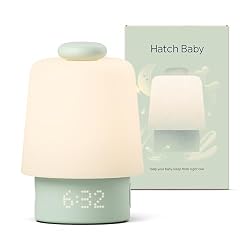
Quick picks: See the current Nanit Smart Baby Monitor → | Owlet Dream Sock → | Hatch Baby Sound Machine →
Note: the Nanit Pro reviewed here is no longer available on Amazon, so the Nanit links on this page now go to the current Nanit Smart Baby Monitor.
When my son was born, I experienced firsthand what every new parent dreads: the complete collapse of any semblance of restful sleep. Those early months taught me that sleep deprivation isn’t just uncomfortable. It fundamentally changes how you think, how you feel, and how you function as a parent. Now, a decade into my own sleep journey managing anxiety-driven insomnia, I’ve tested countless devices that promise better rest. The Nanit Pro baby monitor represents something different: a device that aims to help the whole family sleep better by giving parents confidence in their baby’s safety.
The Nanit Pro has earned considerable praise as one of the most technologically sophisticated baby monitors available. But does the technology translate to genuinely useful insights for exhausted parents, or is this another gadget that creates more anxiety than it solves? After examining the specifications, subscription costs, and real-world performance data, here’s my honest assessment of whether the Nanit Pro delivers genuine value for sleep-deprived families.

What the Nanit Pro Actually Does
The Nanit Pro is a wall-mounted or floor-standing smart baby monitor that streams 1080p HD video directly to your smartphone. Unlike traditional monitors with dedicated parent units, the Nanit operates entirely through its app, meaning you can check on your baby from anywhere with an internet connection.
The core hardware includes night vision capability, two-way audio for soothing your baby remotely, and environmental sensors that track room temperature and humidity. What distinguishes the Nanit from basic video monitors is its computer vision technology. The overhead camera angle allows the system to analyze your baby’s movements, track sleep patterns, and monitor breathing motion through a special patterned fabric called the Breathing Band.
The breathing monitoring deserves particular attention because it represents a fundamentally different approach than competitors like the Owlet Dream Sock. Rather than placing sensors on your baby, Nanit’s camera detects the rise and fall of the printed pattern on the Breathing Band. No electronics touch your infant, no charging is required for wearables, and there’s no risk of the device falling off during the night.
Subscription Tiers and Real Costs
Here’s where the Nanit pricing requires careful consideration. The hardware itself ranges from approximately $249 for the Flex Stand configuration to around $399 for the Wall Mount or Floor Stand options. However, the full feature set requires an ongoing subscription.
Without a subscription, you retain access to live video streaming, real-time sound and motion notifications, temperature and humidity monitoring, two-way audio, and the ability to share access with one additional user. These baseline features work indefinitely.
The subscription tiers unlock additional analytics. The Sleep Plan (included as a free trial with purchase) provides sleep tracking, personalized insights, and a sleep dashboard. The Memories Plan at $120 annually adds 30-day video history and allows up to 10 users to access the feed. The Milestones Plan at $300 annually includes unlimited video history, developmental milestone tracking, and supports up to 50 users.
I approach subscription-based sleep technology with skepticism born from experience. During my worst period of insomnia, I spent considerable money on products that promised solutions but delivered disappointment. The question with Nanit isn’t whether the technology works. It’s whether the ongoing cost provides proportional value compared to the free baseline features.
Video and Audio Quality Assessment
The 1080p HD video quality is genuinely excellent. The night vision produces remarkably clear images without the harsh infrared glow that some monitors emit. You can see your baby’s chest rising and falling, observe subtle movements, and actually identify facial expressions even in complete darkness.
The overhead mounting position provides a bird’s-eye view of the entire crib, eliminating the blind spots that plague monitors positioned at crib level. This perspective proves essential for the sleep tracking features, as the camera needs to see the full sleep space to accurately detect position and movement.
Two-way audio works well for brief soothing, though there’s a slight delay inherent to any Wi-Fi based system. The app can stream audio in the background while you use other applications, which matters enormously for parents who need to remain productive during nap times.
The Sleep Tracking Reality
Having spent years wrestling with my own sleep data from devices like the WHOOP, I’ve developed a particular perspective on sleep tracking. The numbers can be both illuminating and anxiety-inducing. My experience taught me that obsessing over metrics sometimes makes sleep problems worse. You wake up feeling rested, check the app, see a low score, and suddenly convince yourself you’re exhausted.
The Nanit’s sleep tracking for infants operates differently than adult wearables. Rather than measuring biological signals, it tracks environmental and behavioral patterns: when your baby fell asleep, how long they slept, how many times they woke, and their position throughout the night. This data type carries less risk of creating anxiety because it measures observable events rather than inferring internal states.
Research published in Annals of Behavioral Medicine found that parental sleep quality at six months postpartum significantly predicted persistent depressive symptoms through the first year. Understanding your baby’s sleep patterns can help parents optimize their own rest windows, potentially breaking the cycle of exhaustion that contributes to postpartum mood issues.
The personalized sleep tips provided through the Insights subscription draw on pediatric sleep research, offering recommendations based on your specific baby’s patterns. Parents who find themselves endlessly searching the internet for sleep training guidance may find consolidated, data-driven suggestions valuable. For a comprehensive overview of tracking options for little ones, our guide on the best baby sleep trackers compares available technologies.

Breathing Monitoring: Reassurance or Anxiety?
The Breathing Band represents Nanit’s approach to the fear that haunts new parents: will my baby keep breathing through the night? The sensor-free design tracks breathing motion by detecting the movement of the printed pattern on the band or specialized sleepwear.
It’s critical to understand what this is and isn’t. The Nanit Pro is explicitly not a medical device. It cannot diagnose conditions, cannot replace medical monitoring for infants with specific health concerns, and cannot guarantee safety. What it provides is notification if breathing motion becomes undetectable, allowing parents to check on their baby.
For parents with healthy, full-term infants, the breathing monitoring offers peace of mind during those anxious early months. The Sleep Foundation notes that new parent sleep deprivation significantly increases anxiety rates, and constant nighttime worrying about breathing can prevent the rest parents desperately need.
However, I’ve learned through managing my own sleep anxiety that technology doesn’t always reduce worry. For some parents, having real-time breathing data creates new opportunities for obsessive checking. If you already struggle with anxiety, consider whether additional data streams will provide comfort or fuel rumination. Our guide on the best sleep aids for new parents explores both technological and behavioral approaches to improving rest during this challenging period.
Security and Privacy Considerations
Any internet-connected camera in your home, particularly one pointed at your child, demands serious security scrutiny. Nanit employs 256-bit AES encryption and two-factor authentication, representing strong industry-standard protection. The video stream isn’t discoverable on the open internet, and access requires logging into your specific Nanit account.
The physical camera includes a sliding privacy shutter that mechanically blocks the lens when not in use. There’s also an audio-only mode for times when video monitoring isn’t necessary. These features demonstrate thoughtful attention to privacy concerns that extend beyond software solutions.
User permission controls allow you to manage exactly who can view the feed and what level of access they have. Grandparents might get view-only access while a night nurse could have permission to use two-way audio. This granular control matters for families who need to share monitoring responsibilities.

Installation and Daily Use
The Nanit offers three mounting options: wall mount, floor stand, and flex stand. The wall mount provides the cleanest look and most secure installation but requires drilling. The ASTM-certified floor stand offers flexibility without permanent installation, and the compact flex stand works well for travel or temporary setups.
I recommend the floor stand for most families. It provides the full overhead view necessary for sleep analytics without the commitment of wall installation. The adjustable height accommodates both bassinets and full-size cribs, and the compact base slides under furniture when not in use.
Daily operation is straightforward. The app remembers up to 10 Wi-Fi networks, which matters for families who travel frequently or split time between locations. Setup takes approximately 15 to 20 minutes, including app configuration and positioning adjustments.
The camera only connects to private, secure networks. It won’t work on public Wi-Fi or networks that require browser-based authentication. This limitation enhances security but means you’ll need access to a private network wherever you use it.
Comparing Value: Nanit vs. Alternatives
The Fathercraft review after three years of testing across four children provides useful perspective. They note that while the hardware cost is significant, the quality and durability justify the investment for families who will use it across multiple children.
Compared to the Owlet system, which combines a camera with a wearable sock that tracks heart rate and oxygen levels, Nanit focuses on environmental monitoring and sleep analytics rather than vital signs. Parents concerned specifically about respiratory or cardiac issues may prefer Owlet’s approach, while those prioritizing sleep pattern analysis may find Nanit more valuable.
Basic video monitors from brands like Infant Optics or eufy cost significantly less and provide reliable video and audio monitoring without analytics. For families who simply want to see and hear their baby without extensive data, these alternatives deserve consideration.
The Amazon listings show verified purchase reviews spanning thousands of families, providing perspective beyond professional reviews. Common praise centers on video quality and app reliability, while criticisms typically focus on subscription costs and occasional connectivity issues.

Who Should Consider the Nanit Pro
The Nanit Pro makes sense for parents who want comprehensive sleep tracking and are comfortable with ongoing subscription costs for full features. Families planning multiple children will extract more value from the hardware investment. Those who appreciate data-driven insights and can use information constructively without spiraling into anxiety will benefit most from the analytics.
Parents who simply want reliable video monitoring without analytics should explore more affordable alternatives. Similarly, families on tight budgets should calculate the total cost of ownership including subscriptions before committing.
The breathing monitoring feature provides particular value for first-time parents experiencing nighttime anxiety about their infant’s safety. Research in Acta Paediatrica found that sleep-deprived new mothers actually prioritize their infant’s wellbeing over their own rest, often at significant cost to their health. Tools that provide reassurance may help parents actually sleep during those precious rest windows.
What I’ve learned through years of managing my own sleep is that acceptance often matters more than control. The best technology supports healthy habits without creating new anxieties. For some parents, the Nanit Pro will provide exactly the peace of mind needed to rest easier. For others, it may introduce new metrics to worry about. Knowing yourself matters as much as knowing the specifications. If you’re navigating the challenging waters of infant sleep, our guide to sleep training and tracking offers additional perspective on establishing healthy patterns.
The Bottom Line
The Nanit Pro delivers exceptional video quality, thoughtful breathing monitoring without wearable sensors, and sophisticated sleep analytics that can genuinely help exhausted parents optimize their rest. The subscription model adds meaningful ongoing costs that not every family will find worthwhile, but baseline features remain functional without payment.
For parents who will use the sleep tracking features actively and can afford the premium pricing, the Nanit Pro represents one of the most capable baby monitors available. For those seeking simpler monitoring at lower cost, the technology may exceed your actual needs.
The early months of parenthood taught me that sleep problems rarely have simple technological solutions. Gadgets can help, but they work best as part of broader strategies that address the underlying challenges of caring for a newborn while maintaining your own wellbeing. The Nanit Pro is a genuinely impressive tool. Whether it’s the right tool for your family depends on your specific needs, budget, and relationship with technology.
Frequently Asked Questions
Does the Nanit Pro require a subscription to work?
No. The Nanit Pro functions as a video monitor without any subscription. You get live streaming, two-way audio, temperature and humidity tracking, and basic notifications for free indefinitely. The subscription unlocks advanced sleep analytics, video history, and additional features like milestone tracking.
Is the Nanit Pro a medical device?
No. Nanit explicitly states their products are not medical devices. The breathing monitoring detects movement patterns but cannot diagnose conditions or replace medical monitoring for infants with health concerns. Parents of premature babies or infants with respiratory conditions should consult their pediatrician about appropriate monitoring.
Can I use the Nanit Pro for toddlers?
Yes. The Nanit system includes features that grow with your child, including notifications for toddlers standing in their crib or climbing out. The sleep tracking remains useful for monitoring nap patterns and nighttime sleep as children transition through different stages. For tracking options beyond infancy, explore our guide to the best sleep trackers for toddlers.
Check current prices on Amazon: See the current Nanit Smart Baby Monitor → | Owlet Dream Sock → | Hatch Baby Sound Machine →
How does Nanit compare to Owlet?
Nanit focuses on video monitoring and sleep pattern analysis using computer vision. Owlet’s Dream Sock tracks vital signs like heart rate and oxygen levels through sensors worn on the baby’s foot. Nanit appeals to parents who prefer no wearables and want sleep analytics. Owlet suits parents who want physiological monitoring. Some families use both systems together.
What happens if my Wi-Fi goes out?
Without Wi-Fi connectivity, the Nanit Pro cannot stream video to your phone. However, if both your phone and the camera remain connected to the same local network, streaming may continue even without internet access. The camera requires an active Wi-Fi connection for full functionality, so families in areas with unreliable internet should consider monitors with dedicated parent units as backup.
Read more articles on the Sleep for Parents Hub.
About the Author: Scott Hilliard has spent over a decade managing anxiety-driven insomnia, testing countless sleep products, and developing practical approaches to better rest. His experience as a parent informs his perspective on sleep technology for families. Scott believes that genuine improvement comes from understanding your specific sleep challenges and finding tools that address them without creating new anxieties.
Transparency Note: liveworksleep may earn a commission from purchases made through links in this article. This does not influence our testing methodology or editorial recommendations. We only recommend products that meet our quality standards based on genuine evaluation.