Oura Ring 4 Review: Most Accurate Sleep Tracker in 2026
Affiliate Disclosure: As an Amazon Associate I earn from qualifying purchases. Some links on this page are affiliate links. If you buy through them we earn a small commission at no extra cost to you. Our recommendations are based on research into specifications, published evidence and product listings. Learn more.
Quick Picks

The Oura Ring 4 represents the latest evolution in sleep tracking technology, promising better accuracy, improved comfort, and deeper health insights than its predecessor. After watching the smart ring market explode with competitors like Samsung and Ultrahuman, I approached this review with healthy skepticism. The ring costs $349 plus a $5.99 monthly subscription, which immediately raises the question: is it worth the investment?
Check the Oura Ring 4 price on Amazon →
I still use my Oura Ring despite testing dozens of sleep trackers over the past decade. That says something. When you’ve struggled with anxiety-driven insomnia as long as I have, you become very particular about which devices actually provide useful information versus which ones just create more worry. The WHOOP band made me obsess over recovery scores. The Fitbit felt like wearing a brick to bed. But the Oura Ring? It faded into the background while still delivering meaningful data.

What’s New in the Oura Ring 4
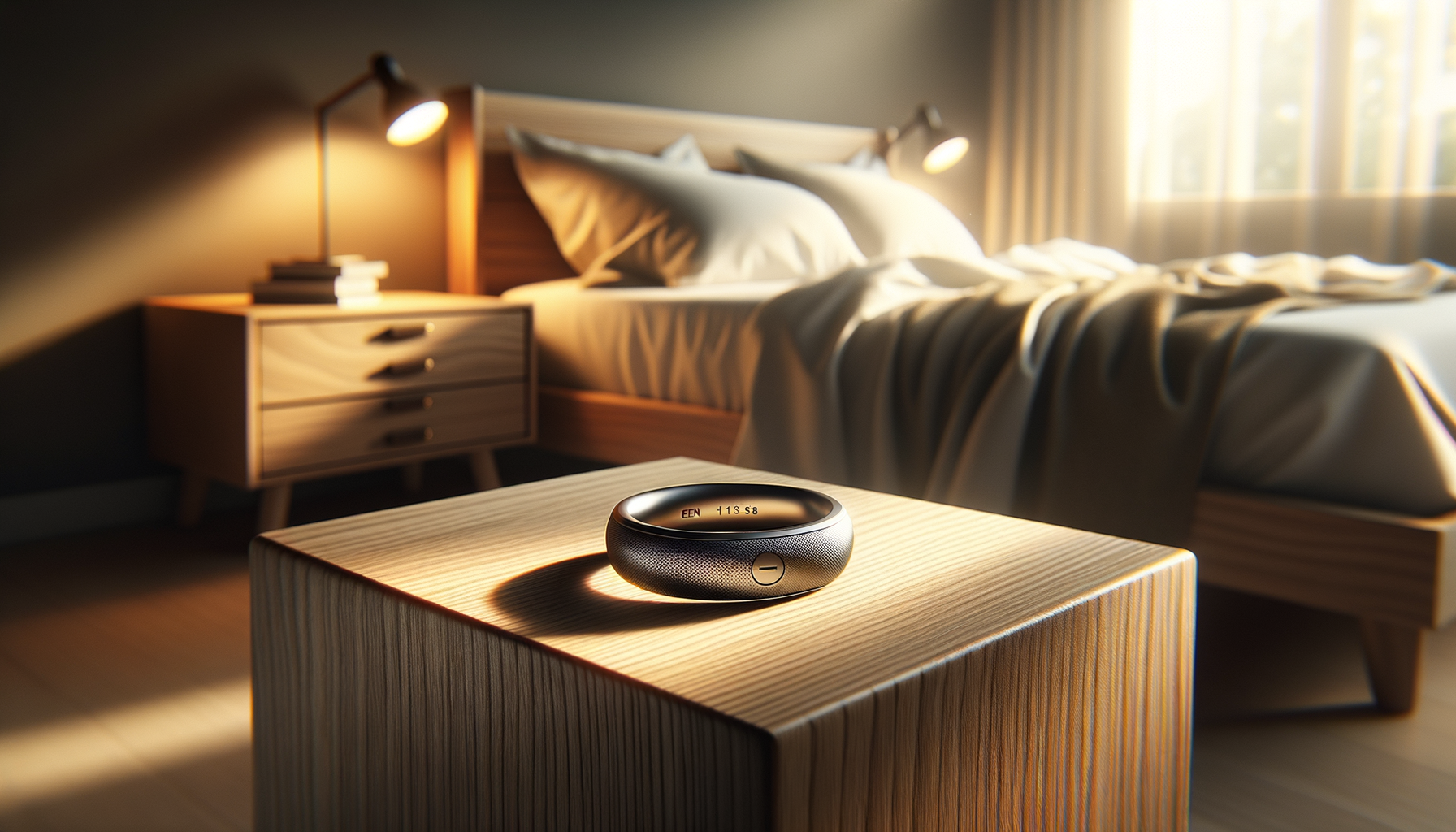
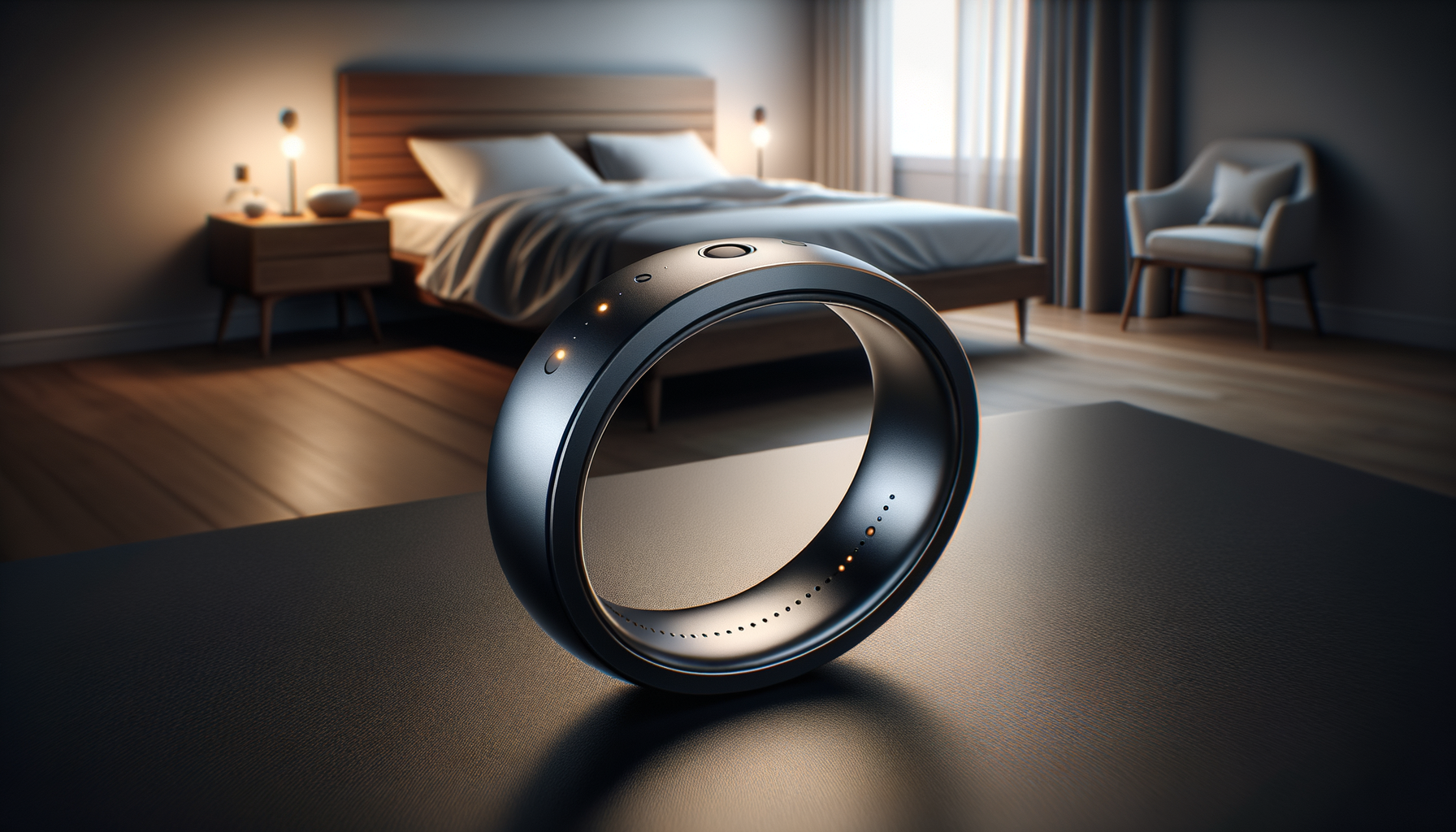
The fourth generation brings several meaningful improvements over the Gen 3 model. The most significant change is the removal of the sensor bumps on the ring’s interior. Those three raised nodes on my Gen 3 occasionally bothered me during the night, especially when I curled my hand under the pillow. The Ring 4 features recessed sensors flush with the titanium band, making it genuinely comfortable to wear 24/7.
Oura expanded the size range from 6-13 to 4-15, which should accommodate more finger sizes. The all-titanium construction feels premium, available in six finishes: Black, Silver, Stealth, Brushed Silver, Gold, and Rose Gold. There’s also a new ceramic version in four colors if you want even more scratch resistance.
Battery life improved to 5-8 days compared to the Gen 3’s maximum of 7 days. In my testing, I consistently got 6 days between charges, which is perfectly acceptable. The charging time ranges from 20-80 minutes depending on how depleted the battery is.
Finish Options: Ceramic vs Titanium
Beyond the six titanium finishes, Oura also sells the Ring 4 in a zirconia ceramic finish, the same class of material used in high-end watch bezels. It costs more than the titanium version, and the trade-off is worth understanding before paying the premium.
Ceramic is genuinely harder than titanium on the Mohs scale, and that shows up in daily wear. My titanium Ring 3 picked up visible scuffs within weeks of regular use. A ceramic Ring 4 worn through months of gym sessions, cooking, and the usual knocks against door frames showed no scratches I could find. If you want the ring to still look new after two years of full-time wear, that durability is real rather than a spec-sheet claim.
The trade-off is brittleness. Ceramic resists scratches better than titanium but is more prone to cracking or chipping under a hard, sharp impact, the kind of hit that would just scuff a titanium band. Anyone who works with their hands or expects regular knocks to their rings should weigh that risk before choosing ceramic. Titanium tends to scuff rather than shatter, which makes it the more forgiving choice for rough daily use.
Ceramic also runs marginally heavier than titanium. It reads as a meaningful difference on a spec sheet and stopped registering for me after about two days of wear.
The sensors, battery, and software are identical across both finishes. Ceramic is purely a durability and aesthetic upgrade, not a functional one. If you plan to wear the ring daily for years and care how it looks in year two, the ceramic option earns its price. If you’re harder on jewelry or don’t mind surface wear, titanium tracks exactly the same data for less money.
Sleep Tracking Accuracy: What the Research Shows
Here’s where things get interesting. Sleep tracking accuracy matters immensely when you’re trying to understand patterns and make informed decisions about your sleep health. Fortunately, the Oura Ring has undergone extensive validation against polysomnography (PSG), the gold standard for sleep measurement.
A 2024 study from Brigham and Women’s Hospital compared the Oura Ring Gen 3, Fitbit Sense 2, and Apple Watch Series 8 against PSG in 35 healthy adults. The Oura Ring outperformed both competitors, achieving 5% higher accuracy than Apple Watch and 10% higher than Fitbit in four-stage sleep classification. The study found that the Oura Ring’s estimates for wake, light sleep, deep sleep, and REM sleep did not significantly differ from PSG measurements.
This builds on earlier research from the University of Tokyo, which evaluated the Oura Ring against PSG across 421,045 thirty-second epochs. That study found sleep staging accuracy ranging from 75.5% for light sleep to 90.6% for REM sleep, with 94.4-94.5% sensitivity in detecting sleep.
What does this mean in practice? When I check my sleep data each morning, I’m looking at information that’s reasonably accurate, not just guesswork. The ring detected my 3am anxiety wake-ups consistently and noticed when I spent more time in deep sleep after particularly exhausting days. That said, no consumer device is perfect. The same research showed the ring sometimes misclassified REM sleep as light sleep about 76% of the time when errors occurred.
The Subscription Model: A Necessary Evil?
The $349 purchase price is just the entry fee. Without the $5.99 monthly subscription ($69.99 annually), you only see three basic scores: Sleep, Activity, and Readiness. Everything else, the detailed metrics that make the ring actually useful, sits behind the paywall.
I understand this frustrates people, especially when competitors like the Samsung Galaxy Ring and Ultrahuman Ring Air require no subscription. But here’s my pragmatic take after ten years of testing these devices: the subscription pays for ongoing algorithm improvements, new features, and the infrastructure to store and analyze your data. Oura has added 24 new features in the past year alone, including AI-powered insights through Oura Advisor.
Is it worth $72 per year? That depends on how you value sleep data. For me, understanding my sleep patterns helped me manage anxiety-driven insomnia more effectively than any single product I purchased. The subscription cost is less than what I spent on ineffective supplements in a single month during my worst period of sleep deprivation.
Key Features Beyond Sleep Tracking
Readiness Score
The Readiness Score became one of my most-referenced metrics. It combines heart rate variability, resting heart rate, body temperature, and previous night’s sleep to tell you how prepared your body is for physical and mental demands. On days when my score dropped below 70, I learned to recognize the pattern: I was either fighting off illness or my anxiety was running higher than usual.

Activity Tracking and Automatic Detection
The Ring 4 introduced improved automatic activity detection for up to 40 workout types. It correctly identified my morning walks and occasional runs without manual tagging. However, calorie burn estimates remained questionable. During a 4-mile run, the ring calculated about 200 calories while my Apple Watch showed closer to 350. The ring lacks the on-wrist GPS that smartwatches provide, which limits real-time workout tracking.
For someone focused primarily on sleep and recovery rather than athletic performance, this limitation doesn’t bother me. I’m not training for marathons. I’m trying to understand how my daily movement affects my sleep quality, and the ring handles that adequately.
Stress Monitoring and Resilience
The stress monitoring feature tracks your autonomic nervous system responses throughout the day, showing periods of calm, active, or stressed states. On deadline-heavy days, I watched my stress indicators climb, often correlating with elevated resting heart rate and lower heart rate variability. The ring even flagged increased stress responses before I got sick, suggesting it detected subtle physiological changes.
The Resilience metric measures how well you respond to stress over time. This became useful for recognizing patterns: weeks when I maintained consistent sleep and walking routines showed higher resilience scores compared to chaotic weeks with erratic schedules.


How It Compares to Competitors
The smart ring market has expanded significantly. The Samsung Galaxy Ring costs $399 with no subscription but lacks some of Oura’s advanced metrics. The Ultrahuman Ring Air offers metabolic insights without subscriptions for $349. For those specifically wanting to avoid subscription fees entirely, several alternatives exist.
What sets the Oura Ring 4 apart is the combination of validated accuracy, comprehensive health metrics, and continuous feature development. The research backing its sleep tracking accuracy exceeds what’s publicly available for most competitors. That matters when you’re making decisions about your health based on this data.
For a detailed comparison of how the Oura Ring 4 stacks up against its main competitor, see our Oura Ring vs Samsung Galaxy Ring analysis. Those specifically interested in Oura’s direct competitor from Ultrahuman should read our Oura Ring vs Ultrahuman Ring comparison.
What I Don’t Love About the Oura Ring 4
The absence of a portable charging case remains frustrating. Samsung includes one with the Galaxy Ring, and RingConn provides one with their Smart Ring Gen 2. Oura’s charger is compact but requires a USB-C connection to a power outlet. For someone who travels frequently, this creates an additional thing to remember.
The app’s battery drain on my iPhone surprised me. Over ten days, the Oura app consumed 17% of my phone’s battery, compared to 8% for WHOOP and 4% for Apple Health. The ring relies on your phone’s processing power to run its algorithms, which explains the heavier battery usage but doesn’t make it less annoying.
Step counting accuracy lags behind dedicated smartwatches. My counts were sometimes off by up to 1,000 steps compared to my Apple Watch. The ring correctly identifies movement patterns and credits your daily activity progress, but if precise step counts matter to you, this won’t match wrist-worn trackers.

Who Should Buy the Oura Ring 4
The Oura Ring 4 makes sense for people who prioritize sleep tracking and recovery insights over workout performance metrics. If you want comprehensive sleep stage analysis backed by peer-reviewed research, this remains the best consumer option available. The discreet form factor works beautifully for those who find smartwatches obtrusive or distracting during sleep.
It’s particularly valuable for anyone managing sleep issues, whether that’s insomnia, irregular schedules, or the natural sleep changes that come with aging. The detailed metrics help you identify patterns and understand what actually affects your sleep quality versus what’s just noise.
However, if you need real-time workout tracking with GPS, extensive fitness features, or want to avoid subscription fees, consider alternatives. The best smart rings for sleep include several options at different price points. Athletes specifically focused on training optimization might prefer WHOOP or a Garmin device.
Final Verdict
The Oura Ring 4 represents the most accurate consumer sleep tracker currently available, validated by multiple independent studies against polysomnography. The improvements in comfort through recessed sensors and expanded sizing address real usability issues from the Gen 3 model.
The subscription model remains a sticking point, but the continuous feature development and algorithm improvements justify the cost for people who value detailed health insights. At $349 plus $72 annually, it’s expensive. But for managing sleep issues that affect every aspect of your life, the investment makes sense.
I’ve tested enough sleep trackers to recognize the difference between marketing hype and genuinely useful technology. The Oura Ring 4 falls firmly in the latter category. It won’t cure insomnia or anxiety. It won’t replace medical advice or therapy. But it provides accurate, actionable information about your sleep patterns in a form factor that won’t disrupt the very thing it’s measuring.
For more information about smart rings and how they compare, visit our Smart Rings Hub.
Frequently Asked Questions
How accurate is the Oura Ring 4 for sleep tracking?
The Oura Ring has been validated against polysomnography (PSG), the gold standard for sleep measurement. A 2024 study from Brigham and Women’s Hospital found it outperformed both the Apple Watch and Fitbit in four-stage sleep classification, with its wake, light, deep, and REM estimates not significantly differing from PSG. Earlier University of Tokyo research found sleep-staging accuracy ranging from about 75.5% for light sleep to 90.6% for REM. No consumer device is perfect, but it’s the most accurate consumer sleep tracker covered in this review.
Does the Oura Ring 4 require a subscription?
Yes. Without the $5.99/month ($69.99/year) Oura membership, you only see three basic scores—Sleep, Activity, and Readiness—while the detailed metrics that make the ring most useful sit behind the paywall. Competitors like the Samsung Galaxy Ring and Ultrahuman Ring Air don’t require a subscription.
How much does the Oura Ring 4 cost?
The Oura Ring 4 starts at $349, plus the optional $5.99/month (or $69.99/year) membership for the full set of features and insights.
What’s new in the Oura Ring 4 compared to the Gen 3?
The Ring 4 has recessed sensors that sit flush with the titanium band for greater comfort, an expanded size range (4–15), improved 5–8 day battery life, and additional finishes including a more scratch-resistant ceramic option.
Is the Oura Ring 4 better than the Samsung Galaxy Ring or Ultrahuman Ring Air?
The Oura Ring 4 stands out for its validated accuracy and comprehensive, continuously updated health metrics. That said, the Samsung Galaxy Ring ($399) and Ultrahuman Ring Air ($349) avoid subscription fees, so the best choice depends on whether you prioritize Oura’s data depth or want to skip the recurring cost.
Transparency Disclaimer
This article contains affiliate links, which means I may earn a commission if you purchase the Oura Ring 4 through links on this page. This comes at no additional cost to you and helps support the ongoing research and testing that goes into these reviews. I only recommend products I have researched and found valuable. My opinions remain independent regardless of affiliate relationships.
Medical Disclaimer
The information in this article is for educational purposes only and should not replace professional medical advice. Sleep tracking devices like the Oura Ring 4 are wellness tools, not medical devices. If you’re experiencing persistent sleep problems, consult with a healthcare provider or sleep specialist. Consumer sleep trackers cannot diagnose sleep disorders such as sleep apnea, narcolepsy, or clinical insomnia.
About the Author: Scott Hilliard is the founder of liveworksleep, drawing on ten years of personal experience managing anxiety-driven insomnia. After struggling with sleep issues that developed in his early 30s, Scott has tested dozens of sleep products, techniques, and technologies. His approach combines evidence-based research with practical testing, focusing on what actually works rather than marketing claims. Scott works with healthcare professionals and stays current with sleep science research to provide informed, honest guidance to others facing similar challenges.