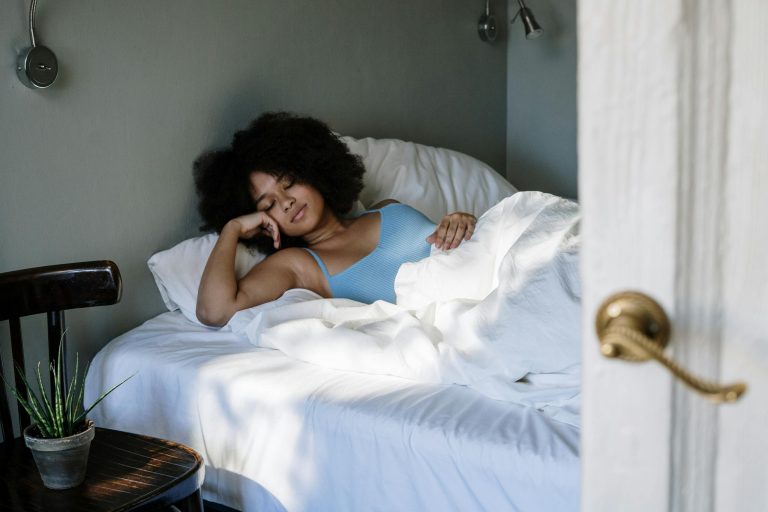
Sleep Number 360 Review: Does This Premium Smart Bed Live Up to the Price Tag?
Affiliate Disclosure: As an Amazon Associate I earn from qualifying purchases. Some links on this page are affiliate links. If you buy through them we earn a small commission at no extra cost to you. Our recommendations are based on research into specifications, published evidence and product listings. Learn more.
Quick Picks


The Sleep Number 360 smart bed promises to revolutionize your sleep through adjustable firmness, sleep tracking technology, and automatic adjustments throughout the night. But with prices starting around $1,800 and top models exceeding $10,000, is this high-tech mattress worth the significant investment?
After extensive research into Sleep Number’s technology, peer-reviewed validation studies, and hundreds of user experiences, I’ve compiled this detailed analysis to help you determine whether the Sleep Number 360 deserves a place in your bedroom.

What Makes the Sleep Number 360 Different
The Sleep Number 360 collection represents the company’s premium smart mattress line, featuring dual air chambers that allow independent firmness adjustment on each side of the bed. Unlike traditional mattresses with fixed firmness levels, Sleep Number beds offer 20 different settings ranging from 1 (softest) to 100 (firmest).
Shop on Amazon: Withings Sleep (non-invasive alternative) → | Sleepme Chilipad Cube →
The standout feature is SleepIQ technology, which uses embedded sensors to track sleep quality, heart rate, breathing rate, and movement throughout the night. The system automatically adjusts firmness based on your position and provides detailed sleep reports through a smartphone app.
When I first researched how smart mattresses work, I was skeptical of the tracking claims. My experience with sleep trackers like WHOOP left me questioning whether these devices truly enhance sleep or simply create more anxiety. You could feel great, then the app says your sleep was bad, and suddenly you convince yourself you’re tired. That healthy skepticism has served me well when evaluating any sleep technology.
The Sleep Number 360 Model Range
Sleep Number offers eight different 360 models across three series, each with varying comfort layers and features.
Classic Series
The entry-level tier includes the c2 and c4 models. The c2 starts at $999 for a queen size with basic air chamber technology and SleepIQ tracking. The c4 (around $1,899) adds an extra inch of comfort foam for improved pressure relief. Both models offer the fundamental Sleep Number experience without premium features like temperature control or foot warming.
Performance Series
Mid-tier models (p5, pSE, p6) range from $2,299 to $3,599 and include thicker comfort layers, improved motion isolation, and additional cooling technologies. The pSE model is currently advertised at $1,799 on sale, making it one of the more accessible options with enhanced features.
Innovation Series
Premium models (i8, i10, iLE) represent the top of the line, with prices reaching $5,199 to $5,499 for a queen. These feature the thickest comfort layers, exclusive foam compositions, and maximum customization options. The iLE (Limited Edition) often appears on sale at competitive prices despite being marketed as exclusive.

How the Technology Actually Performs
Sleep Number’s SleepIQ technology underwent rigorous scientific validation in a study published in the journal Sensors. Researchers compared the Sleep Number 360 against polysomnography, the gold standard for sleep measurement used in clinical settings.
The research demonstrated that SleepIQ technology showed moderate to strong correlations with PSG measurements for heart rate, breathing rate, and sleep versus wake detection. For all-night heart rate measurements, the smart bed had a bias of less than one beat per minute. Breathing rate accuracy showed similarly impressive results with a bias under one breath per minute.
The system achieved an accuracy of 0.86 for sleep/wake detection, comparable to wrist-worn actigraphy devices. However, the study revealed limitations: accuracy decreased when participants spent more time awake in bed, and the technology performed better for sleep detection (sensitivity: 0.94) than wake detection (specificity: 0.48).
This mirrors what I’ve learned through years of managing sleep issues. Technology can provide useful data, but it’s just one piece of the puzzle. The sensors track your body, but they can’t measure the quality of your thoughts or whether you’re lying there worrying about work. That’s where the real sleep work happens.
Responsive Air Technology: Promise vs. Reality
The Responsive Air feature automatically adjusts mattress firmness throughout the night based on your movements and sleeping position. In theory, this prevents pressure points from developing and maintains optimal spinal alignment.
User experiences with this feature vary significantly. Some report noticeable improvements in comfort and reduced back pain. Others find the automatic adjustments disruptive, with the mattress changing firmness unexpectedly during the night. The feature can be disabled through the app if you prefer manual control.
For those comparing smart mattress options, it’s worth reviewing our analysis of Eight Sleep versus Sleep Number to understand how different technologies approach automated comfort adjustment.

The SleepIQ App Experience
The SleepIQ app serves as the control center for your Sleep Number 360, providing two main functions: control and reporting. Through the app, you can adjust firmness settings, activate features like foot warming (on compatible bases), and control adjustable base positions.
Each morning, the app generates a SleepIQ score (0-100) based on sleep duration, heart rate variability, breathing patterns, and movement. The system provides personalized recommendations for improving sleep quality.
However, connectivity proves problematic for many users. The bed connects via Bluetooth and WiFi, with Bluetooth offering superior precision for adjustments. When the system defaults to WiFi, users report significant delays and accuracy issues. Some experience persistent connection problems requiring multiple reinstallations and customer service calls.
The app dependency raises practical concerns for those who prefer simpler solutions or don’t use smartphones regularly. All advanced features require app access, creating a potential barrier for less tech-savvy sleepers.
Real-World Durability Concerns
Consumer reports reveal a concerning pattern of durability issues with Sleep Number beds. Common complaints center on air chamber failures, pump malfunctions, and foam deterioration occurring well before the expected lifespan.
Multiple users report mattresses becoming soft and saggy within two years, even when maintained at maximum firmness settings. Air chamber leaks appear frequently, with some customers experiencing three or more replacements within the warranty period.
The “trench effect” represents another widespread complaint. When dual-chambered beds have significantly different firmness settings on each side, a gap forms in the middle where the chambers meet. This creates an uncomfortable valley that can make cuddling or sleeping in the center difficult.
I’ve owned four to five mattresses over the past decade while managing sleep issues, and durability matters tremendously when you’re investing thousands of dollars. My current premium mattress has lasted years without sagging, which is one of the most important basics for good sleep. I dread having to change it because finding the right mattress took so much trial and error.

The Base Question: Necessary or Overpriced?
Sleep Number strongly recommends pairing 360 mattresses with their FlexFit smart bases, which come in three tiers ranging from $1,299 to over $3,000 for a queen. The bases add head and foot elevation, under-bed lighting, and Partner Snore technology that gently raises one side if snoring is detected.
The base integration creates both convenience and complications. While the combined system offers seamless control through a single remote or app, users report that swapping to different mattresses requires purchasing new components. Some discover too late that older mattresses won’t function properly with newer bases, necessitating expensive upgrades.
An integrated base costs $449 and provides basic support without smart features. While this represents significant savings, you lose access to many of the 360’s signature features. For those interested in adjustable bases without the Sleep Number premium, exploring budget smart mattress options might reveal more cost-effective alternatives.
Customer Service and Warranty Reality
Sleep Number’s warranty coverage presents a significant catch. While marketed as a 15-year warranty, the coverage dramatically decreases after the first year. Beyond year one, the warranty only covers a percentage of replacement costs, leaving customers paying hundreds of dollars for repairs on relatively new products.
Customer service experiences vary dramatically. Some report helpful, responsive support teams. Many others describe frustrating experiences with long hold times, unhelpful troubleshooting scripts, and reluctance to honor warranty claims.
The 100-night trial period comes with restrictions. The guarantee covers only the mattress itself, not the base or accessories. Customers who purchase complete sleep systems discover they’re locked into keeping expensive components even if the mattress doesn’t work for them. Return shipping costs can add hundreds of dollars to the process.
Who Should Consider the Sleep Number 360
The Sleep Number 360 works best for specific sleep situations and preferences.
Couples with Different Firmness Preferences: The dual air chamber system genuinely solves the age-old problem of partners needing different firmness levels. If you prefer a soft mattress while your partner needs firm support, Sleep Number’s independent adjustment delivers on this promise.
Those with Changing Support Needs: People recovering from injuries, managing chronic pain, or experiencing weight fluctuations may benefit from the ability to adjust firmness as their body changes. The flexibility eliminates the need to purchase a new mattress when requirements evolve.
Technology Enthusiasts: If you enjoy tracking biometric data and appreciate smart home integration, the SleepIQ system provides detailed insights into sleep patterns. The data can reveal useful trends over time.
Back and Stomach Sleepers: The firmer settings work particularly well for back and stomach positions, providing adequate spinal support without excessive sinkage. Side sleepers may find even the plushest models lack sufficient pressure relief at the shoulders and hips.
For side sleepers specifically, our guide to top smart mattresses for side sleepers explores alternatives that may provide better pressure relief for this sleeping position.

Who Should Look Elsewhere
Budget-Conscious Buyers: Even the entry-level c2 at $999 represents a substantial investment before adding a base. Quality conventional mattresses deliver excellent sleep for a fraction of the cost. If budget matters, the premium doesn’t justify the expense for most sleepers.
Those Seeking Simplicity: The technology dependency creates complexity that some find frustrating rather than helpful. If you want a bed that works without apps, charging, WiFi connections, and troubleshooting, traditional mattresses offer reliability without the tech overhead.
People with Sleep Anxiety: My experience with sleep tracking has taught me an important lesson: sometimes data creates more problems than it solves. When you’re already anxious about sleep, waking up to a low SleepIQ score can make the problem worse. Getting upset about not sleeping is like getting upset that it’s raining outside. It’s pointless. There’s just no point.
Heavyweight Individuals: Several users over 220 pounds report feeling the platform beneath the mattress even at maximum firmness, particularly with thinner models like the c4. The comfort layers may not provide adequate cushioning for larger body types.
Comparing to Major Competitors
The smart mattress market offers several alternatives worth considering. The Eight Sleep Pod 4 emphasizes active temperature regulation through water-based cooling and heating, with sleep tracking focused on optimizing thermal comfort. While similarly priced, Eight Sleep provides more sophisticated temperature control but lacks Sleep Number’s firmness customization.
Tempur-Pedic’s smart mattresses combine the company’s established memory foam technology with sleep tracking and base integration. They offer superior pressure relief for side sleepers but sacrifice the firmness adjustability that defines Sleep Number’s value proposition.
For those prioritizing affordability over advanced features, researching budget smart mattresses that actually work reveals capable alternatives at significantly lower price points.
The Bottom Line on Value
The Sleep Number 360 delivers on its core promise of adjustable firmness and sleep tracking. The technology works as advertised, backed by peer-reviewed research demonstrating reasonable accuracy for biometric measurements. For couples with different firmness preferences, the dual air chamber system solves a genuine problem that traditional mattresses can’t address.
However, the premium pricing demands scrutiny. When a complete system costs $5,000 to $10,000 or more, durability concerns become critical. The pattern of air chamber failures, foam deterioration, and warranty limitations suggests the longevity may not justify the investment for many buyers.
The technology complexity presents another consideration. App dependency, connectivity issues, and the learning curve required to optimize settings add friction that some sleepers will find counterproductive. Sleep improvement should reduce stress, not create new sources of frustration.
After researching extensively and considering my own journey managing sleep issues, I’d recommend Sleep Number primarily for couples who’ve tried everything else and genuinely need independent firmness control. For single sleepers or those on tighter budgets, excellent conventional mattresses deliver great sleep without the premium price tag or technological complexity.
Sleep is absolutely crucial to overall health and well-being. I’ve experienced having no sleep issues, then hitting problems, then overcoming them. That perspective taught me that the most important thing isn’t fancy technology. It’s finding what works for your specific situation and accepting that some nights will be better than others. Take a deep breath about the whole thing, because if you don’t, you’re actually just making matters worse.
The Sleep Number 360 represents impressive engineering and genuine innovation. Whether that innovation justifies the cost depends entirely on your specific sleep needs, budget, and tolerance for technology in the bedroom.
Frequently Asked Questions
How long do Sleep Number 360 mattresses typically last?
Sleep Number claims their mattresses should last at least 15 years and provides a 15-year warranty. However, consumer reports suggest many experience significant issues within 2-5 years, including air chamber failures and foam deterioration. Actual longevity varies considerably based on model, usage, and maintenance.
Can I use the Sleep Number 360 mattress without the smart features?
Yes, you can manually adjust firmness using the remote control and disable automatic adjustments through the app. However, you’ll lose access to sleep tracking, automatic firmness optimization, and other SleepIQ features that justify the premium pricing. The mattress functions as a high-end air bed without the smart technology.
What’s the difference between Sleep Number 360 and Climate360?
The Climate360 represents Sleep Number’s top-tier model, priced around $7,999 to $9,999 for a queen with smart adjustable base included. It adds active temperature regulation that can cool or warm each side of the bed up to 15 degrees, plus enhanced sleep tracking. Standard 360 models lack this sophisticated climate control system.
Check current prices on Amazon: Sleepme Chilipad Cube → | Withings Sleep →
Is the Sleep Number 360 good for back pain?
Sleep Number 360 can help with back pain through customizable firmness that supports proper spinal alignment. The ability to adjust settings as pain levels change offers genuine benefit. However, success depends heavily on finding your optimal firmness setting, which requires experimentation. The thinner Classic series models may not provide adequate support for heavier individuals or severe back issues.
How accurate is Sleep Number’s sleep tracking compared to medical devices?
Research published in the journal Sensors found SleepIQ technology demonstrated moderate to strong correlations with polysomnography for heart rate, breathing rate, and sleep/wake detection. The system achieved accuracy comparable to wrist actigraphy devices. However, accuracy decreased when users spent more time awake in bed, and the technology performed better at detecting sleep than wake states.
Transparency Disclaimer: This article contains affiliate links to Sleep Number products. If you make a purchase through these links, we may earn a commission at no additional cost to you. Our analysis remains independent and based on extensive research of peer-reviewed studies, consumer reports, and product specifications. We recommend products only when we believe they offer genuine value.
Medical Disclaimer: This article provides general information about sleep products and should not replace professional medical advice. If you experience chronic sleep problems, back pain, or other health concerns, consult with a qualified healthcare provider before making significant changes to your sleep setup.
Read more articles on the Smart Mattresses Hub.
About the Author: Scott Hilliard is the founder of liveworksleep, bringing a decade of personal experience managing anxiety-driven insomnia to his evidence-based approach to sleep optimization. After years of testing products, consulting specialists, and researching sleep science, Scott helps readers make informed decisions about sleep health through comprehensive reviews and analysis.