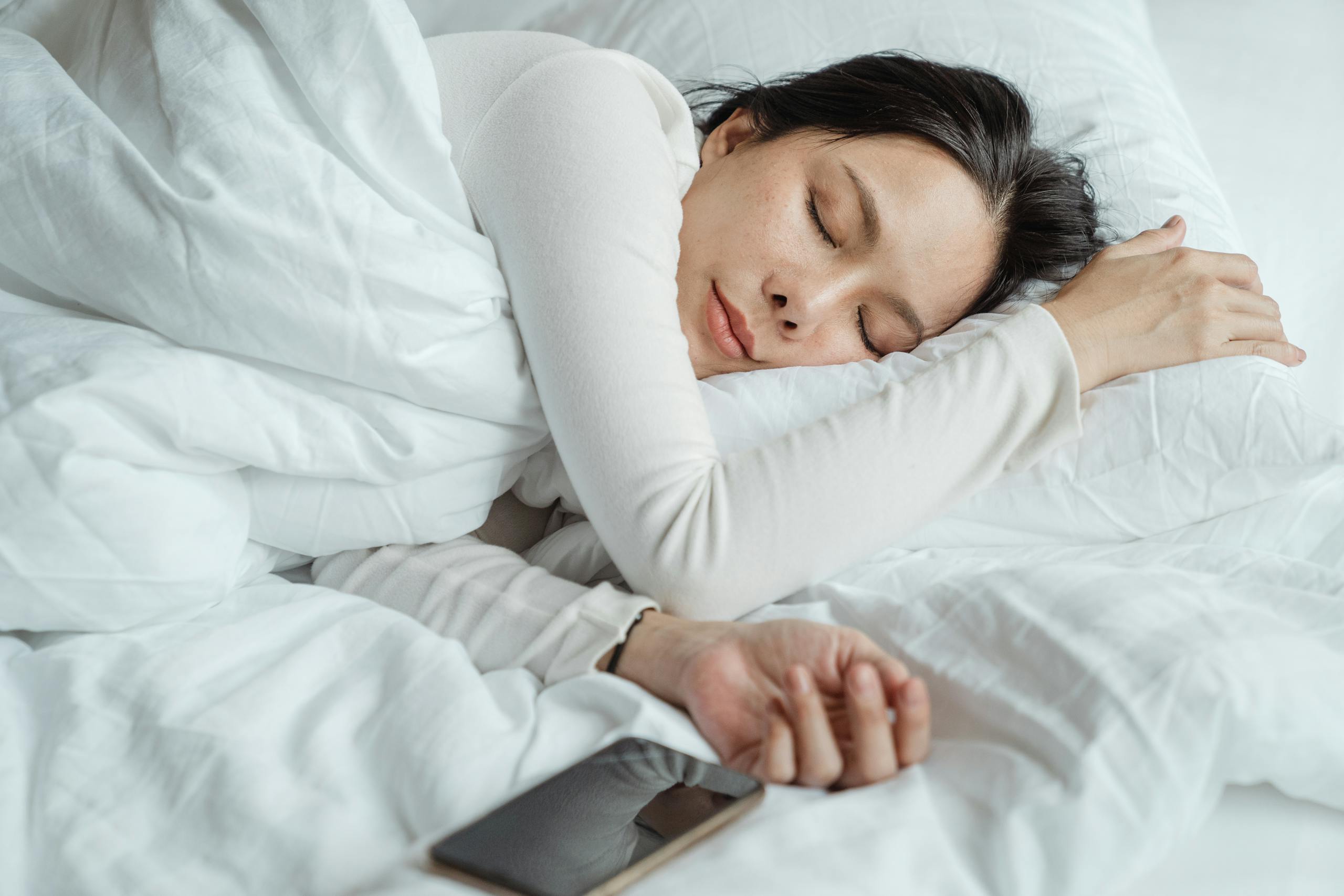
Dreamora Luna Review
The Dreamora Luna is a water-cooled mattress pad that circulates temperature-controlled water through a thin silicone pad placed on top of your mattress. It promises consistent, programmable cooling throughout the night without the noise and bulk associated with older bed cooling systems. Based on my hands-on testing over eight weeks, it delivers on most of those promises, though with some caveats worth knowing before you spend the money.
If you run hot at night, struggle to maintain the cool sleep environment that research consistently links to deeper, more restorative sleep, or you’ve already tried cheaper fixes without success, the Luna is a serious contender. It’s not perfect, and it’s not cheap. But for chronic hot sleepers, it addresses the problem at the source rather than working around it.
I’ve spent years testing products in this space, including mattress toppers, cooling pillows, phase-change fabric, and fan-based systems. Most of them disappoint me. The Luna surprised me, which is not something I say lightly.
This review sits within my broader coverage of bed cooling systems and sleep environment optimisation. If you want context on how cooling fits into the bigger picture of sleep quality, the Bed Cooling Systems hub is a good place to start.
What Is the Dreamora Luna and How Does It Work?
The Dreamora Luna uses hydronic cooling, a method borrowed from industrial climate control and adapted for sleep. A small bedside unit, roughly the size of a large water bottle, circulates cooled or warmed water through a network of micro-channels embedded in a thin silicone pad. That pad sits directly on your mattress, under your fitted sheet. You set your target temperature via an app or the unit’s physical dial, and the system maintains it throughout the night.
This is meaningfully different from air-based cooling systems, which pump air through a pad and tend to be louder and less precise. It’s also different from passive cooling products like gel-infused foam or phase-change covers, which absorb heat temporarily but eventually saturate and stop working. The Luna actively removes heat from your sleep surface on a continuous basis.
The temperature range runs from around 13°C to 46°C (55°F to 115°F), covering both cooling and warming use cases. The pad itself is about 2cm thick and fits under a standard fitted sheet without much noticeable bulk. Setup took me about 20 minutes, mostly filling the reservoir and running the initial purge cycle to remove air bubbles.
One detail I appreciated: the water circuit is fully sealed. You’re not dealing with open water near electronics. The reservoir holds roughly 500ml and needs occasional top-ups with distilled water, maybe once every few weeks depending on your climate.
Who Is the Dreamora Luna Actually For?
I want to be honest about this, because bed cooling systems are not a universal solution. They solve a specific problem: a sleep surface that runs too warm. If that’s not your primary sleep issue, the Luna probably isn’t worth the investment.
During my years of anxiety-driven insomnia, heat was one of several compounding factors. I’d lie awake, already wound up, and the warmth building under the covers would amplify my restlessness. I tried everything from kicking off blankets to sleeping with a window open in January. Nothing gave me consistent control. What I eventually learned, through a lot of trial and error and some conversations with a sleep specialist, is that core body temperature needs to drop by about 1 to 2 degrees Celsius for sleep onset to happen efficiently. According to the National Institutes of Health, disrupted thermoregulation is one of the more underappreciated contributors to poor sleep quality. That framing changed how I thought about the problem.
The Luna is ideal for hot sleepers, people going through hormonal changes that affect night temperature, couples with different temperature preferences (the dual-zone version handles this), and anyone in a warm climate without reliable air conditioning. It’s less useful if your sleep problems are primarily psychological, noise-related, or schedule-driven.
I’ll also say this: if you’re someone who takes afternoon naps and finds that heat makes it harder to drop off quickly, the Luna’s rapid cooling can be genuinely useful there too. Getting your sleep environment right matters as much for a 20-minute nap as it does for a full night. I’ve written about how to nap effectively and temperature control is one of the more reliable levers you can pull to shorten sleep onset during the day.

Eight Weeks of Testing: What I Actually Found
I tested the Luna across two months, covering a warm British summer and into early autumn. My bedroom doesn’t have air conditioning, which made it a reasonable real-world test environment. I ran it alongside a sleep tracker (I use one with skepticism, given how easily they can create performance anxiety, but they’re useful for spotting trends over weeks rather than nights) and kept a simple sleep diary.
First impressions: the pad is less intrusive than I expected. I’d tested an older competitor a few years back that felt like sleeping on a slightly deflated lilo. The Luna’s silicone pad is firm but not uncomfortable, and after the first two nights I stopped noticing it. The fitted sheet sits over it naturally.
Noise level was my main concern going in. The unit produces a low hum, similar to a quiet desktop fan. In a silent room at 2am, you can hear it. It didn’t bother me, partly because I’ve used earplugs for years and consider them essential kit rather than a compromise. But if you’re sensitive to low-frequency noise, worth knowing.
Temperature accuracy was impressive. I set it to 19°C and used a surface thermometer to check. The pad consistently held within half a degree of the target. That kind of precision matters, because there’s a meaningful difference between 18°C and 21°C when you’re trying to fall asleep.
Sleep onset felt noticeably faster during the first two weeks. I’m cautious about attributing too much to any single variable, but the pattern was consistent. On the nights I forgot to turn it on, I noticed. That’s usually the most honest test of whether something is working.
I also ran a deliberate experiment during week five: I used the warming function before bed to bring the pad up to around 36°C, then dropped it to 19°C as I got into bed. The idea was to mimic the natural drop in core body temperature that signals sleep readiness. A study published in PubMed found that warming the extremities to facilitate core cooling can accelerate sleep onset. The Luna’s temperature scheduling feature made this easy to automate.
What Are the Dreamora Luna’s Weaknesses?
No product review from me is complete without an honest look at the downsides. I’m not in the business of cheerleading.
The price is the obvious one. The single-zone Luna sits at a price point that puts it firmly in the premium category. For most people, that’s a significant purchase decision, and it deserves scrutiny. My view: if heat is genuinely disrupting your sleep on most nights, the cost-per-night over a few years is more reasonable than it looks at first glance. But if you’re only occasionally warm, there are cheaper interventions worth trying first.
The app, at the time of my testing, was functional but unpolished. Scheduling worked reliably. The interface felt like it was designed by engineers rather than product designers. Not a dealbreaker, but worth mentioning.
The pad doesn’t cool your upper body or the air around you. If you tend to throw off blankets and sleep with your arms and shoulders exposed, you might find the pad helps less than you hoped. It addresses the sleep surface, not the ambient environment. For some hot sleepers, that’s enough. For others, it’s only part of the solution.
Maintenance is minimal but real. Distilled water top-ups, occasional cleaning of the reservoir, and keeping the unit’s vents clear. None of it is onerous, but it’s not a set-and-forget product.
How Does the Luna Compare to Other Bed Cooling Options?
The bed cooling market has expanded considerably over the past five years. You’re no longer choosing between a gel pillow and a proper cooling system. Here’s how I’d position the Luna against the main alternatives.
Passive cooling products (gel toppers, phase-change covers, cooling mattress protectors) are cheaper and require no setup. They also stop working after an hour or two as they absorb body heat and equilibrate. For mild warmth, they’re fine. For consistent, all-night cooling, they’re not adequate.
Air-based cooling pads, like the older ChiliPad models, work on a similar principle to the Luna but use air rather than water as the transfer medium. They tend to be noisier and less thermally efficient. Water holds and transfers heat far better than air, which is why the Luna’s precision is notably better.
Higher-end competitors like the Eight Sleep Pod and BedJet offer comparable or superior features but at higher price points or with subscription models that add ongoing cost. The Luna sits in a middle position: more effective than passive products, more affordable than the top-tier smart beds, less feature-rich than the most expensive options.
For value-focused buyers who want genuine active cooling without paying for biometric tracking they don’t need, the Luna is a sensible choice.
Does Sleep Temperature Actually Matter? What the Research Says
I think it’s worth spending a moment on the underlying science, because some of the marketing around bed cooling products overstates the evidence while the actual research is genuinely compelling on its own terms.
Core body temperature follows a circadian rhythm. It rises during the day, peaks in the late afternoon, and begins dropping in the early evening. That drop is part of the signal that tells your brain it’s time to sleep. Research published in PubMed Central confirms that thermoregulatory processes are tightly coupled with sleep architecture, particularly slow-wave sleep and REM sleep. When your sleep surface is too warm, it can interfere with this natural temperature drop and fragment your sleep cycles.
The commonly cited optimal bedroom temperature range is 15 to 19°C (60 to 67°F), though individual variation is real. What matters is that your body can thermoregulate effectively. A cool sleep surface helps even when the ambient room temperature is higher than ideal.
There’s also evidence that skin warming in specific areas, particularly the hands and feet, can facilitate core cooling by redirecting blood flow. A study in PubMed found that older adults with insomnia showed improved sleep onset when distal skin temperature was elevated, which supports the warm-then-cool protocol I experimented with during week five of my testing.
None of this means a cooling pad will fix every sleep problem. Anxiety, irregular schedules, light exposure, and stimulant timing all matter too. But for the specific problem of thermal disruption, the science is solid.
Speaking of stimulants: if you’re someone who uses caffeine strategically around naps, the timing of your last coffee matters for how well your cooling system can do its job. The coffee nap technique is an interesting approach that combines caffeine timing with a short sleep window, and getting your environment cool enough to fall asleep quickly is part of what makes it work.

Practical Setup Tips From My Testing
A few things I learned during eight weeks that aren’t in the manual.
Use a thin fitted sheet over the pad rather than a thick one. Thicker fabric insulates against the cooling effect. A 200-thread-count cotton or a linen sheet works better than a heavy jersey option. Linen, in particular, is underrated for sleep environments generally. It’s breathable, gets softer with washing, and doesn’t trap heat the way synthetic blends do. I’ve been recommending linen bedding to people for years and it pairs well with the Luna.
Set the schedule to begin cooling about 30 minutes before your target sleep time. This pre-cools the surface so you’re not waiting for it to reach temperature after you get into bed. The app’s scheduling feature handles this automatically once you’ve set it up.
If you share a bed, consider the dual-zone version from the start rather than upgrading later. The temperature preferences between partners are often more different than either person realises until they have individual control.
Keep the unit’s reservoir filled with distilled water, not tap water. Tap water leaves mineral deposits that gradually reduce efficiency. A litre of distilled water costs almost nothing and extends the system’s life considerably.
One thing I’d add for people who are prone to overthinking their sleep setup: don’t check the app obsessively. I made this mistake in week two, monitoring temperature graphs at midnight and creating exactly the kind of performance anxiety I’d spent years trying to eliminate. Set it, trust it, and stop looking at your phone. The American Psychological Association has written extensively about how sleep-monitoring anxiety can become its own barrier to rest, and I’ve experienced that firsthand with sleep trackers. The Luna’s temperature data is useful for setup optimisation, not for nightly review.
Is the Dreamora Luna Worth the Money?
This is always the question I want answered when I read a product review, so I’ll give you a direct answer.
If heat is your primary sleep problem, yes. The Luna delivers consistent, precise cooling that passive products can’t match. It’s well-built, quieter than I expected, and the temperature accuracy is genuinely impressive. After eight weeks, it’s become part of my standard sleep setup in the same way my earplugs and blackout curtains are: not optional.
If heat is a secondary or occasional issue, the value case is weaker. There are cheaper interventions worth trying first: a cooling mattress protector, linen bedding, better bedroom ventilation, or adjusting your sleep schedule to take advantage of cooler parts of the night. Understanding the best time of day for sleep based on your circadian rhythm can sometimes solve temperature problems without any hardware at all, simply by aligning your sleep window with when your body temperature is naturally lower.
If you’re on the fence, I’d suggest spending a week tracking whether heat is actually disrupting your sleep (a simple sleep diary works fine for this) before committing to the purchase. If you’re waking up hot, kicking off covers, or taking more than 30 minutes to fall asleep on warm nights, the Luna is likely to help. If your sleep problems persist even in cool conditions, the issue is probably elsewhere.
For those who want to understand more about whether daytime napping might be affecting their nighttime sleep quality, the research on napping benefits and risks is worth reviewing before assuming a cooling system is the missing piece.
The Luna sits at a fair price for what it delivers. It’s not the cheapest option and it’s not the most feature-rich. But it does what it claims, reliably, and that’s rarer than it should be in this product category.

Dreamora Luna: Quick Verdict
What works well: Precise temperature control, quiet operation relative to competitors, effective all-night cooling, dual-zone option for couples, straightforward setup.
What could be better: App interface needs polish, maintenance requires some attention, doesn’t address ambient room temperature, premium price point.
Best for: Chronic hot sleepers, people in warm climates without air conditioning, couples with different temperature preferences, anyone for whom heat is a consistent barrier to sleep onset or maintenance.
Worth considering instead if budget is a concern: Linen bedding, a quality cooling mattress protector, and better room ventilation as a starting point. These won’t match the Luna’s performance but cost a fraction of the price.
My rating: 8/10. Loses points for app polish and price accessibility. Gains points for doing exactly what it claims with meaningful precision. For the right person, it’s one of the more impactful sleep environment changes available.
Read more articles on the Bed Cooling Systems Hub at LiveWorkSleep.
About the Author
Scott Hilliard is a sleep improvement specialist who spent 10 years managing anxiety-driven insomnia. Through personal testing of dozens of sleep products, professional consultations, and extensive research into sleep science, Scott now helps others find practical, evidence-based solutions for better sleep. His approach combines honest product reviews with real-world experience, always prioritising what actually works over marketing hype.
Frequently Asked Questions
How loud is the Dreamora Luna during operation?
The Luna produces a low, consistent hum similar to a quiet desktop fan or a white noise machine at low volume. In a completely silent bedroom, you can hear it. Most users adjust within a few nights. If you’re particularly sensitive to low-frequency noise, it’s worth factoring this into your decision. Pairing it with earplugs or a white noise machine effectively masks the sound.
Does the Dreamora Luna work with any mattress type?
Yes. The pad sits on top of your existing mattress under your fitted sheet, so mattress type doesn’t affect compatibility. It works with memory foam, latex, innerspring, and hybrid mattresses. The only consideration is that very thick or dense toppers placed between the pad and your body may reduce cooling effectiveness. A thin fitted sheet over the pad gives the best results.
What temperature should I set the Dreamora Luna to for sleep?
Most users find a pad temperature between 18°C and 21°C (64°F to 70°F) works well for sleep onset and maintenance. That said, individual preference varies considerably. Start around 19°C and adjust based on how you feel over the first week. Some people prefer slightly warmer settings in the early part of the night and cooler settings in the early hours. The scheduling feature lets you automate this.
How often does the Dreamora Luna need maintenance?
Maintenance is minimal. The water reservoir needs topping up with distilled water roughly every two to four weeks depending on your climate and usage. A full reservoir clean is recommended every three to six months using the manufacturer’s cleaning solution. The pad itself can be wiped down with a damp cloth. Total maintenance time is probably 10 to 15 minutes per month.
Is the Dreamora Luna worth it if I only sleep hot occasionally?
Probably not. The Luna is designed for people whose sleep is consistently disrupted by heat. If you only experience warmth on unusually hot nights, a cooling mattress protector, linen bedding, or improved bedroom ventilation will likely be sufficient and cost considerably less. The Luna’s value case is strongest when heat is a regular, not occasional, sleep barrier.