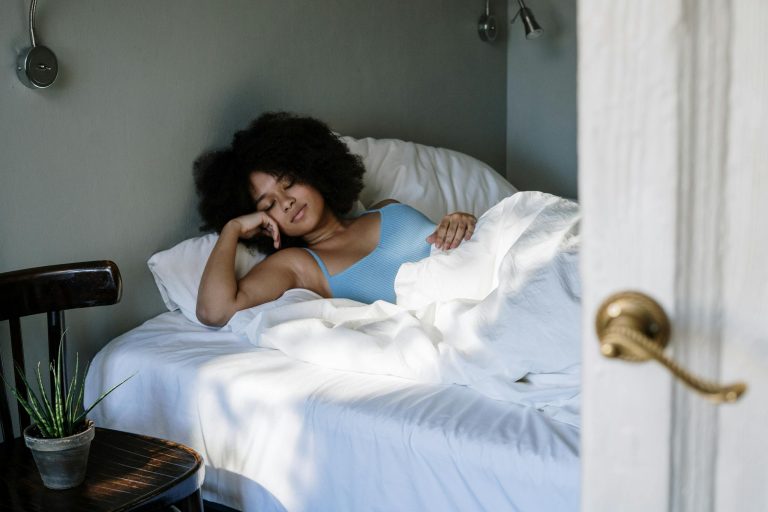
Coffee Nap Technique: Science-Backed Strategy for Enhanced Alertness
The idea of drinking coffee right before a nap sounds absurd. Caffeine keeps you awake, so how could it possibly help you sleep?
Quick Picks


The coffee nap technique flips conventional wisdom on its head. By consuming roughly 200mg of caffeine immediately before a 15-20 minute nap, you create a synergy that outperforms either strategy alone. Research from Loughborough University found that this combination reduced driving incidents to just 9% of baseline levels, compared to 34% with caffeine alone.
When I first heard about coffee naps during my decade-long struggle with anxiety-driven insomnia, I dismissed it as pseudoscience. The logic seemed backwards. But the mechanism behind it turned out to be surprisingly elegant, rooted in how our brains process adenosine and how caffeine exploits that system.

What Is a Coffee Nap?
A coffee nap, sometimes called a nappuccino or caffeine nap, involves consuming caffeine immediately before taking a short nap of 15-20 minutes. The technique emerged from sleep research conducted in the 1990s, particularly studies by the UK Department of Transport investigating countermeasures for driver fatigue.
The protocol is straightforward: drink a cup of coffee (or equivalent caffeine source providing approximately 200mg), find a quiet place to rest, set an alarm for 20 minutes, and attempt to sleep. Even “nonsleep dozing” provides benefits. When you wake, the caffeine absorption has aligned perfectly with your refreshed state, creating amplified alertness.
The timing matters because caffeine takes roughly 20-30 minutes to reach peak blood concentration after ingestion. This creates a window where you can nap before the stimulant effects kick in, then wake just as caffeine begins blocking adenosine receptors.
The Science: Adenosine, Caffeine, and Sleep Pressure
Understanding coffee naps requires grasping the relationship between adenosine and sleep drive. Adenosine is a neuromodulator that accumulates in your brain throughout waking hours. Think of it as your biological sleep currency. The longer you’re awake, the more adenosine builds up, creating what researchers call “sleep pressure.”
When adenosine binds to specific receptors in your brain, it slows neural activity and promotes drowsiness. Sleep clears this accumulated adenosine, resetting your alertness for the next day. Even a brief nap can reduce adenosine levels, which is why power naps feel refreshing.
Caffeine works as an adenosine antagonist. Its molecular structure is similar enough to adenosine that it can occupy the same receptors, but different enough that it doesn’t trigger sleepiness. When caffeine blocks these receptors, adenosine can’t attach, so you don’t feel drowsy even though sleep pressure continues building in the background.
I spent years managing anxiety-related sleep issues, and one concept my therapist emphasized was understanding the difference between actual sleepiness and anxiety-driven mental alertness. The adenosine system explains why exhaustion doesn’t automatically equal easy sleep. You can be genuinely tired while your mind races. Recent research in the Journal of Sleep Research confirms that adenosine plays a complex role in both sleep homeostasis and circadian regulation, affecting not just when we feel sleepy but how our sleep-wake cycles align with our internal clocks.
The Dual Mechanism of Coffee Naps
Coffee naps work through a two-pronged approach:
First, the nap itself clears adenosine from your system. Research shows that even 15-20 minutes of light sleep reduces accumulated adenosine, creating immediate alertness. You’re essentially resetting part of your sleep debt without entering deeper sleep stages that cause grogginess.
Second, as you wake, caffeine is just reaching your brain and beginning to block remaining adenosine receptors. With both reduced adenosine levels and blocked receptors, you experience a compounded alertness boost that neither intervention achieves alone.
The timing synchronization is critical. If you consume caffeine 30 minutes before attempting sleep, it begins working before you can nap. If you nap first then drink coffee, you lose the synergistic effect of clearing adenosine while caffeine absorption occurs.

Research Evidence: What Studies Actually Show
The coffee nap gained scientific attention through driving safety research. In a 1997 study published in Psychophysiology, researchers at Loughborough University tested caffeine naps against other drowsy driving countermeasures using driving simulators.
Twelve sleepy participants completed a two-hour monotonous afternoon drive after receiving one of three interventions during a 30-minute break: 200mg caffeine alone, placebo, or 200mg caffeine plus a short nap. The results were striking. Driving incidents reached 91% reduction with the caffeine-nap combination, compared to 66% reduction for caffeine alone.
Importantly, the study found that even “nonsleep dozing” provided benefits. Participants who merely rested with eyes closed, without achieving measurable sleep stages, still experienced improved alertness compared to caffeine alone.
Beyond Driving: Cognitive Performance Studies
A 2020 pilot study by Professor Siobhan Banks at the University of South Australia examined coffee naps in workplace settings. Participants who consumed 200mg caffeine immediately before a 30-minute rest showed reduced fatigue and improved cognitive performance compared to control groups who only napped or only consumed caffeine.
Research on athletes has explored whether coffee naps improve physical performance after sleep restriction. One study in the Journal of Human Kinetics compared sleep-deprived sprinters given either a 20-minute nap, moderate caffeine, or caffeine plus nap. The combined group showed superior sprinting performance, suggesting applications beyond purely cognitive tasks.
However, as National Geographic’s coverage of coffee naps notes, most studies involve healthy volunteers in their 20s and 30s. Dr. Nora Volkow at the National Institutes of Health cautions that middle-aged and older adults, or those with sleep disorders, may not experience identical benefits.
The Evidence Gap
Despite promising results, coffee nap research remains limited. Studies typically involve small sample sizes under controlled laboratory conditions. The 1997 Loughborough study had 12 participants. Banks’s workplace research was described as a “pilot study,” indicating preliminary findings requiring larger validation.
After testing various sleep optimization techniques over a decade, I’ve learned to distinguish between well-established sleep science and intriguing-but-preliminary findings. Coffee naps fall into the latter category. The mechanism makes sense, early results look promising, but we’re not at the level of certainty we have for, say, the importance of consistent sleep schedules or morning light exposure.
Stanford professor emeritus Seiji Nishino summarizes the current state well: “Conceptually it’s correct. But I don’t know if it works or not.” The theory is sound, the initial evidence is encouraging, but robust real-world validation is still developing.

How to Take a Coffee Nap: Step-by-Step Protocol
If you want to experiment with coffee naps, here’s the evidence-based protocol:
Step 1: Choose Your Caffeine Source
Research suggests 200mg caffeine is the optimal dose. This typically equals:
- One 12-16oz cup of brewed coffee (varies by strength)
- Two shots of espresso (80-100mg each)
- One 200mg caffeine tablet
- Certain energy drinks (check labels, as content varies widely)
Drink it quickly, within 5 minutes if possible. This isn’t about savoring your coffee; it’s about starting the absorption clock. Black coffee works best since adding milk, sugar, or cream can delay gastric emptying and slow caffeine absorption.
I’m a one-to-two coffee per day person with a strict 2 PM cutoff, so fitting a coffee nap into my routine required planning. I found that consuming caffeine at 1:30 PM for a 1:35 PM nap still allowed me to sleep normally at my 10:30 PM target bedtime, but pushing it to 2:30 PM occasionally caused evening sleep difficulties.
Step 2: Create Optimal Nap Conditions
Find a quiet, comfortable location where you won’t be disturbed. The environment doesn’t need to be perfect, but certain factors help:
- Dim or dark lighting (even closing your eyes in a moderately lit room works)
- Comfortable temperature, slightly cool if possible
- Minimal noise disruption (earplugs if necessary)
- Reclined or lying position (sitting works if that’s all you have)
My preference for absolute pitch darkness in nighttime sleep doesn’t apply to afternoon coffee naps. Lighter conditions actually help prevent slipping into deeper sleep stages, which isn’t the goal here anyway. For those interested in optimizing nap duration for different energy needs, the coffee nap’s 15-20 minute window specifically targets light sleep stages.
Step 3: Set a 20-Minute Timer
This is non-negotiable. Setting an alarm for exactly 20 minutes prevents accidentally entering deep sleep (which typically begins after 30-40 minutes). Deep sleep creates sleep inertia, that groggy, disoriented feeling that undermines the entire purpose of the coffee nap.
Place your alarm device across the room if possible, forcing you to physically get up to turn it off. This prevents the temptation to snooze, which would defeat the timing synchronization between caffeine absorption and nap completion.
Step 4: Don’t Worry About Actually Falling Asleep
This might be the most liberating aspect of coffee naps: you don’t need to achieve sleep for the technique to work. The 1997 Loughborough study specifically noted that “nonsleep dozing” provided benefits. Simply lying quietly with eyes closed appears sufficient.
This addresses one of my main objections when I first learned about the technique. As someone who often struggles with sleep initiation due to anxiety, the idea of “taking a nap” during the day sounded frustrating. Knowing that quiet rest counts removed that pressure.
If anxious thoughts intrude during your rest period, acknowledge them without engaging. This is essentially the same mindfulness approach therapists recommend for nighttime sleep anxiety. The goal isn’t perfect mental blankness; it’s physical rest while allowing adenosine clearance.
Step 5: Wake and Resume Activity
When your alarm sounds, get up immediately. Expose yourself to bright light if possible, which further enhances alertness. Movement and light signal your circadian system that it’s time to be awake, reinforcing the caffeine’s effects.
You should notice increased alertness within a few minutes. The effect typically peaks 30-45 minutes after waking and can last 2-4 hours depending on your caffeine sensitivity and metabolic rate.

When to Use Coffee Naps
Coffee naps work best in specific situations where short-term alertness boost is the primary goal:
The Afternoon Slump
Most people experience a natural circadian dip in alertness between 1-3 PM. This isn’t imagination or poor sleep; it’s a genuine biological phenomenon. Our bodies are programmed for biphasic sleep, which is why cultures around the world independently developed afternoon rest traditions.
A coffee nap taken during this window can effectively counter the afternoon dip without disrupting nighttime sleep, provided you finish before 2:30-3 PM. Studies suggest this timing optimizes the adenosine-clearing benefits while keeping caffeine far enough from bedtime to avoid sleep interference.
Pre-emptive Fatigue Management
If you know you have a long evening ahead or will be working late, a strategic coffee nap in the early afternoon can provide the sustained alertness boost you’ll need. Night shift workers, in particular, might benefit from coffee naps before beginning their shifts.
One sleep medicine physician who contributed to research on shift work fatigue noted he nearly fell asleep while driving after a long stretch of night shifts. Coffee naps could serve as a safety intervention in these high-risk scenarios, though they’re not a substitute for adequate sleep recovery.
Travel and Long Drives
The original research context was drowsy driving prevention. If you’re on a long road trip and notice fatigue setting in, a coffee nap during a rest stop could improve your safety more effectively than coffee alone. The 91% reduction in driving incidents seen in research suggests this could be a valuable countermeasure.
However, this assumes you have access to caffeine and a safe place to rest. Planning ahead by identifying rest stops with cafes and parking areas suitable for brief naps makes this practical rather than theoretical.
Athletic Performance After Poor Sleep
Emerging research suggests coffee naps might help athletes maintain performance after sleep restriction. The sprint study showing improved performance in the caffeine-plus-nap group indicates potential applications in sports where explosive efforts are required.
This doesn’t mean athletes should routinely skip sleep and rely on coffee naps. Rather, when sleep has been unavoidably compromised due to travel, competition schedules, or other factors, a strategic coffee nap might help maintain training quality.
When NOT to Use Coffee Naps
Coffee naps aren’t appropriate in several situations:
Too Close to Bedtime
Caffeine has a half-life of 3-5 hours, meaning half of it remains in your system for that duration. If you take a coffee nap at 4 PM, you’re introducing 200mg of caffeine that won’t fully clear until late evening.
For most people, consuming caffeine within 6 hours of bedtime disrupts sleep initiation, reduces total sleep time, and degrades sleep quality. A coffee nap taken too late trades short-term alertness for poor nighttime sleep, creating a cycle of sleep debt that defeats the purpose.
My personal cutoff is 2 PM for any caffeine consumption. This gives me 8-9 hours before my 10:30 PM target bedtime. Some people with faster caffeine metabolism can tolerate later timing, while others need an even earlier cutoff. Pay attention to how afternoon caffeine affects your sleep.
When You Have Insomnia
If you struggle with nighttime sleep, introducing daytime napping often worsens the problem by reducing sleep pressure. Standard cognitive behavioral therapy for insomnia (CBT-I) specifically restricts daytime napping to consolidate sleep drive for nighttime.
During my worst period of anxiety-driven insomnia, I avoided all napping, even brief ones. My therapist explained that building stronger sleep pressure during the day would help overcome my difficulty initiating sleep at night. It felt counterintuitive when I was exhausted, but it worked.
If you’re currently experiencing insomnia, focus on evidence-based treatments like maintaining consistent sleep-wake times, improving sleep hygiene, and addressing underlying anxiety rather than experimenting with coffee naps. Those managing anxiety-related sleep challenges might benefit from exploring specialized approaches for sleep with anxiety.
As a Replacement for Adequate Sleep
Coffee naps cannot substitute for proper sleep. They’re an acute intervention for specific situations, not a chronic strategy. Caffeine improves attention and alertness but is “virtually ineffective in mitigating the impact of severe sleep loss on higher-order cognitive functions,” according to research in Current Topics in Behavioral Neurosciences.
Think of coffee naps like taking ibuprofen for a headache. It addresses the symptom temporarily, but if you’re getting headaches daily, you need to identify the underlying cause. Similarly, needing coffee naps regularly suggests insufficient nighttime sleep that requires addressing.
When You’re Caffeine Sensitive
People with high caffeine sensitivity may find 200mg causes jitteriness, anxiety, or heart palpitations rather than smooth alertness. Genetic variations in the CYP1A2 gene affect how quickly you metabolize caffeine; some people are slow metabolizers who experience prolonged effects from smaller doses.
If you typically limit yourself to one small coffee per day or avoid caffeine after morning, jumping to 200mg for a coffee nap might overstimulate you. Start with lower doses (100-150mg) to assess your tolerance, or skip coffee naps entirely if caffeine routinely makes you feel anxious.
My own anxiety disorder means I’m cautious with stimulants. While 200mg of caffeine doesn’t trigger anxiety for me, I recognize that this technique would be counterproductive for someone whose anxiety responds negatively to caffeine.

Common Questions About Coffee Naps
What If I Can’t Fall Asleep During the 20 Minutes?
Research shows that “nonsleep dozing” provides benefits even without measurable sleep stages. Simply lying quietly with eyes closed allows some adenosine clearance and physical rest, which combines with the approaching caffeine for an alertness boost.
The pressure to “fall asleep” often creates performance anxiety that prevents relaxation. Instead, think of it as a 20-minute rest period where sleep is a bonus, not a requirement. This mental reframing removes the pressure and ironically makes actual sleep more likely.
Can I Use Tea or Energy Drinks Instead of Coffee?
Any caffeine source providing approximately 200mg works. However, watch for added sugar in energy drinks, which can cause a separate energy crash that undermines the technique. High-sugar caffeinated beverages were specifically noted in drowsy driving research as potentially worsening sleepiness.
Tea typically contains less caffeine per serving than coffee. You’d need about 4-5 cups of black tea to reach 200mg, which introduces large fluid volume that might make resting uncomfortable. Caffeine tablets offer precise dosing without liquid volume, though they lack any enjoyment factor.
What If I Sleep Longer Than 20 Minutes?
Sleeping beyond 30 minutes risks entering deep sleep stages, which cause sleep inertia when interrupted. You’ll wake feeling groggy and disoriented, which defeats the entire purpose of a coffee nap. This grogginess can last 30-60 minutes and might overwhelm the caffeine’s alerting effects.
Setting a loud, jarring alarm placed across the room prevents accidentally sleeping through it. Accept that waking from a deliberate alarm feels slightly unpleasant in the moment but serves the larger goal of timed awakening before deep sleep begins.
How Often Can I Take Coffee Naps?
There’s no established research on optimal coffee nap frequency. However, daily use raises concerns. Regular high-dose caffeine consumption leads to tolerance, requiring progressively higher doses for the same effect. Your body compensates for chronic adenosine receptor blockade by creating more receptors, which reduces caffeine’s efficacy over time.
Additionally, frequent daytime napping can reduce nighttime sleep pressure. If you find yourself needing coffee naps more than once or twice per week, investigate whether you’re getting sufficient nighttime sleep. Chronic fatigue requiring regular intervention typically indicates an underlying problem that coffee naps mask rather than solve.
Will Coffee Naps Help With Sleep Deprivation?
Coffee naps provide temporary alertness but don’t replace lost sleep. Research shows caffeine blocks adenosine receptors but doesn’t eliminate the accumulated adenosine itself. That sleep debt remains in the background, and only actual sleep resolves it.
Think of it like masking pain with medication. The pain signal is blocked, but the underlying injury still requires healing. Coffee naps can help you function through temporary sleep restriction, but chronic sleep deprivation demands actual sleep recovery, not repeated stimulant use.
Understanding effective napping strategies and optimal nap timing can help you make informed decisions about when coffee naps versus regular naps better serve your needs.
My Perspective After a Decade of Sleep Optimization
Coffee naps represent an interesting case study in sleep optimization. The mechanism is scientifically sound, the preliminary research shows promise, and the technique requires minimal equipment or expertise to attempt. For specific situations like long drives or known afternoon performance demands, they offer a potential edge.
However, after ten years of managing anxiety-driven insomnia, I’m cautious about sleep hacks that promise enhanced performance. My experience taught me that sustainable sleep health comes from fundamentals: consistent schedules, proper sleep environment, anxiety management, and acceptance that some nights will simply be imperfect.
Getting upset about not sleeping is like getting upset that it’s raining outside. It’s pointless. There’s just no point. This philosophy applies to coffee naps too. They’re a tool for specific situations, not a daily necessity. If you find yourself relying on them regularly, step back and examine your nighttime sleep quality and quantity.
The research gaps also concern me. Small sample sizes, mostly young healthy participants, laboratory conditions rather than real-world testing. The 1997 driving study that launched interest had 12 participants. Banks’s workplace research was explicitly labeled preliminary. We need larger, more diverse studies before declaring coffee naps a definitively effective intervention.
That said, the technique is low-risk for most people if used appropriately. Experimenting with one or two coffee naps to assess whether you experience benefits seems reasonable. Some individuals clearly respond well; others may notice minimal difference. Individual variation in caffeine metabolism, natural napping ability, and circadian timing likely explains different outcomes.
If you try coffee naps, track your results honestly. Did you actually feel more alert? For how long? Did it affect your nighttime sleep? Use objective measures like task performance or driving quality if possible, since subjective perception can be misleading. You might convince yourself something works through expectation effects (placebo) even if the objective benefit is minimal.
Before considering coffee naps or any sleep technique, it’s worth examining whether your approach to napping overall is serving your sleep goals. The advantages and disadvantages of napping vary significantly based on individual circumstances and sleep challenges.
Final Thoughts: Tool, Not Solution
Coffee naps join a long list of sleep optimization techniques with interesting theoretical support and preliminary evidence. They’re neither miracle cure nor complete pseudoscience. The adenosine clearance mechanism makes biological sense, the timing synchronization is elegant, and early studies show measurable benefits.
Use coffee naps as an occasional tactical intervention for specific situations requiring short-term alertness enhancement. Don’t use them as a chronic solution to inadequate nighttime sleep. Don’t expect them to replace proper sleep recovery after significant deprivation. Don’t assume they’ll work identically for everyone.
The foundation of good sleep remains unglamorous but effective: consistent timing, appropriate environment, stress management, and patience with imperfect nights. Coffee naps might provide an edge when you need one, but they don’t replace the fundamentals.
If you experiment with the technique, start with optimal conditions. Take your coffee nap during the natural afternoon dip, ensure you won’t be disturbed, set a reliable 20-minute alarm, and note how you feel both immediately after and when bedtime arrives. Adjust based on your individual response rather than blindly following a protocol.
Sleep science continues evolving. What we understand about adenosine, caffeine, and sleep pressure today will certainly be refined by future research. Coffee naps represent one small piece of a much larger puzzle about how we can optimize alertness, manage fatigue, and support our cognitive and physical performance while respecting our fundamental need for adequate sleep.
Read more articles on the Napping Hub.
About the Author
Scott Hilliard is the founder of liveworksleep and has managed anxiety-driven insomnia for approximately 10 years. His hands-on experience testing sleep products, consulting with sleep specialists, and implementing evidence-based sleep optimization techniques informs every article on this site. Scott believes in presenting both the scientific evidence and the honest limitations of sleep research, helping readers make informed decisions about their sleep health.
Transparency Statement
This article may contain affiliate links. If you purchase products through these links, we may earn a small commission at no additional cost to you. This helps support our research and content creation. We only recommend products we believe offer genuine value. Read our full affiliate disclosure.
Medical Disclaimer
This article is for informational and educational purposes only and does not constitute medical advice. Coffee naps involve caffeine consumption, which may not be appropriate for individuals with certain medical conditions, caffeine sensitivity, or those taking medications that interact with caffeine. Excessive caffeine intake can cause anxiety, sleep disruption, cardiovascular effects, and other health concerns. Consult with a qualified healthcare provider before making significant changes to your sleep routine or caffeine consumption, especially if you have underlying health conditions, take medications, or are pregnant or breastfeeding. If you experience persistent fatigue or sleep difficulties, seek professional medical evaluation rather than relying on coffee naps or other short-term interventions.