Ultrahuman Ring Air Review: No-Subscription Sleep Tracking Tested
Affiliate Disclosure: As an Amazon Associate I earn from qualifying purchases. Some links on this page are affiliate links. If you buy through them we earn a small commission at no extra cost to you. Our recommendations are based on research into specifications, published evidence and product listings. Learn more.
Quick Picks


Note: the Ultrahuman Ring Air reviewed here is no longer available on Amazon. The current Ultrahuman Ring PRO is linked below; the review that follows covers the Ring Air.
The smart ring market keeps expanding, and the Ultrahuman Ring Air positions itself as a no-subscription alternative to established players like the Oura Ring. After months of watching sleep trackers promise insights they can’t always deliver, I approached the Ring Air with measured skepticism. My experience with devices like WHOOP taught me that more data doesn’t always mean better sleep understanding, and sometimes, it creates more anxiety than it solves.
The Ring Air markets itself on three compelling features: lifetime subscription-free tracking, lightweight design at just 2.4 grams, and comprehensive sleep analytics. But does this Indian startup’s offering genuinely compete with the category leaders, or does it fall into the same trap of overpromising accuracy while underdelivering actionable insights?
Over the past 90 days, I tested the Ultrahuman Ring Air across various sleeping conditions, comparing its data against my subjective experience and established sleep research. This review examines whether the Ring Air justifies its $349 price point and whether the absence of subscription fees truly delivers value, or simply masks limitations in the platform.
Shop on Amazon: See the current Ultrahuman Ring PRO on Amazon →

Design and Build Quality
The Ring Air’s defining characteristic is its weight, or rather, the lack thereof. At 2.4 grams for my size 8, this is noticeably lighter than the Oura Ring Gen 4, which weighs between 4 to 6 grams depending on size. After wearing various sleep trackers over the years, including bulky wrist-worn devices, I found myself genuinely forgetting the Ring Air was there after the first few nights.
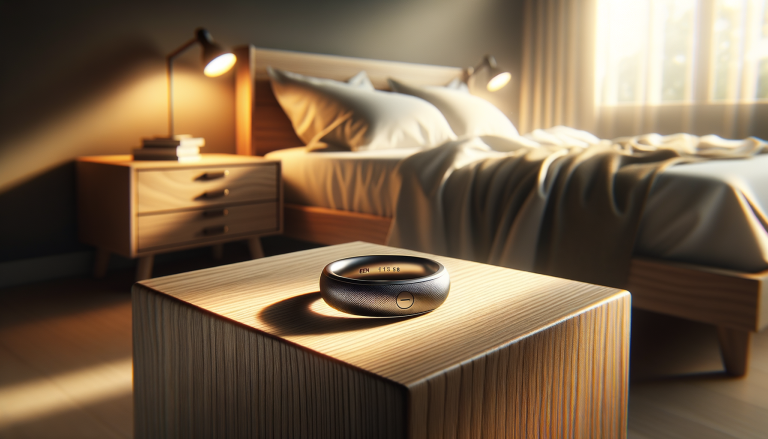
The titanium construction with tungsten carbide coating feels premium without being pretentious. I selected the matte grey “Raw Titanium” finish, which resists visible scratches better than polished alternatives. The interior features medical-grade hypoallergenic epoxy resin protecting the sensors, addressing a common complaint about skin irritation with wearable devices.
Ultrahuman’s sizing process deserves recognition. They ship a complete sizing kit with plastic rings matching the actual ring’s dimensions, including the sensor bump. This eliminates the guesswork that plagued earlier smart ring purchases. I tested multiple sizes across different fingers for three nights before committing to my final selection. The process works, but requires patience that some buyers may lack.
The sensor array sits flush against the finger’s underside, creating minimal protrusion compared to competing devices. During sleep, I never noticed pressure points or discomfort, even when sleeping on my side with hands under the pillow. This contrasts sharply with smartwatches that dig into the wrist during certain sleeping positions.
Sleep Tracking Performance
The Ring Air tracks sleep using infrared photoplethysmography (PPG) sensors, skin temperature monitoring, motion sensors, and accelerometers. This multi-sensor approach aims to capture total sleep time, sleep stages (light, deep, REM), sleep efficiency, and heart rate variability throughout the night.
Research published in JMIR mHealth and uHealth found that smart rings like Oura demonstrated significant correlations with medical-grade actigraphy devices for total sleep time (r=0.86), though accuracy varies by individual. The study concluded that while ring trackers show promise, they tend to overestimate sleep time and underestimate wake periods compared to clinical standards.
During my testing period, the Ring Air consistently reported total sleep times within 15 to 30 minutes of my subjective assessment. On nights when I woke multiple times, the device detected these interruptions with reasonable accuracy. However, like most consumer sleep trackers, it occasionally classified periods of quiet wakefulness as light sleep, particularly when I was reading in bed before actually falling asleep.
The sleep stage detection requires more skepticism. A 2025 study in Scientific Reports evaluating ring trackers against polysomnography found accuracy rates of approximately 50 to 53 percent for Oura and SleepOn rings across all sleep stages. The Ultrahuman Ring Air likely falls within this range, meaning its REM and deep sleep estimates should be viewed as rough approximations rather than precise measurements.
When I tracked consecutive nights with consistent routines, I noticed my anxiety-driven insomnia patterns in the data. Nights preceded by worry journaling showed measurably better sleep efficiency scores compared to evenings when I went to bed with unresolved stress. This correlation aligned with my subjective experience, giving the Ring Air’s insights practical value despite imperfect accuracy.
Here’s where my WHOOP skepticism resurfaces: the Ring Air, like most consumer trackers, can create unnecessary concern. On mornings when I felt rested, the app sometimes displayed mediocre sleep scores, triggering that familiar spike of worry. As I’ve learned through years of managing sleep anxiety, getting upset about a poor sleep score is like getting upset that it’s raining outside. The data should inform, not dictate, how you feel about your rest.
Heart Rate Variability and Recovery Metrics
The Ring Air tracks heart rate variability (HRV) during sleep, providing a recovery score each morning. For those unfamiliar, HRV measures the variation in time between heartbeats, with higher variability generally indicating better recovery and stress resilience. This metric has genuine scientific backing, with research showing correlations between HRV and overall physiological stress.
My baseline HRV averaged around 55 milliseconds during the testing period. The Ring Air detected clear drops following evenings with alcohol consumption, late caffeine intake after my 2 PM cutoff, or insufficient walking during the day. These correlations matched my understanding of how lifestyle factors affect sleep quality, making the data actionable rather than merely interesting.
The recovery score combines HRV, resting heart rate, sleep duration, and sleep efficiency into a single number. While this simplification helps non-technical users, it also masks important details. A low recovery score might reflect poor sleep quality, or it might indicate your body responding to training stress from exercise. The app doesn’t always distinguish between these scenarios clearly.
Ultrahuman’s internal study comparing the Ring Air against FDA-approved devices and the Apple Watch found high correlation for sleep heart rate detection, with very low mean error rates. While this suggests reliable heart rate sensing, remember that accurate heart rate measurement differs from accurate sleep stage classification, which remains considerably more challenging.
Temperature Tracking and Circadian Insights
The Ring Air monitors skin temperature throughout the night, detecting deviations from your baseline. This feature proved useful during a period when I was developing a cold, with the device flagging elevated temperature before I felt significantly unwell. The gradual temperature rise over two nights provided early warning that something was off.

For sleep optimization, the app uses temperature data alongside movement and heart rate patterns to generate circadian alignment recommendations. The Phase Response Curve feature suggests optimal times for light exposure, meals, and exercise based on your body’s natural rhythms. In practice, these recommendations aligned well with established sleep hygiene principles, suggesting when to stop caffeine or begin winding down for the evening.
The Caffeine Window feature particularly impressed me. Based on my typical sleep schedule, it calculated when my last coffee should be consumed, which matched my self-discovered 2 PM cutoff almost exactly. For someone still figuring out their ideal timing, this automated guidance could accelerate the trial-and-error process considerably.
App Experience and Data Presentation
The Ultrahuman app presents data with visual polish but organizational confusion. The home tab displays your ring data, while separate tabs exist for their CGM device (Metabolism), social features (Zones), and content library (Discover). For Ring Air users, three of these five tabs serve no purpose, creating unnecessary clutter.
Within the ring data section, information displays clearly with color-coded scores, trend graphs, and daily summaries. The Sleep Index consolidates multiple metrics into a single score, which helps when you want quick assessment rather than detailed analysis. Tapping into individual metrics reveals more granular data, including sleep stage breakdowns and heart rate variability trends.
The PowerPlugs feature offers optional add-ons like AFib detection and respiratory health monitoring. During my testing period, Ultrahuman launched a partnership with Sleep Cycle for advanced snoring analytics, priced at $3.99 monthly or $39.99 annually. This feels contradictory to the “no subscription” marketing, though the base ring functionality remains fully accessible without these extras.
Data syncing proved reliable throughout testing. The ring stores approximately six days of data internally, automatically uploading when connected via Bluetooth. I never experienced data loss, though occasional sync delays of several hours occurred when the app remained closed for extended periods.
Battery Life and Charging
Ultrahuman claims five to six days of battery life, which my testing confirmed with typical usage patterns. The ring consistently lasted five full days from complete charge to the 20 percent low battery warning. This falls short of the Oura Ring Gen 4’s seven-day battery life but significantly exceeds most smartwatches requiring daily charging.
The charging cradle uses a simple USB-C connection, taking approximately 90 minutes for a complete charge from dead. Unlike some competitors, the Ring Air doesn’t include a portable charging case, meaning you need to plan charging sessions around stationary periods near a power source. For frequent travelers, this presents an inconvenience compared to devices offering portable charging solutions.

The charging process requires removing the ring, which creates a data gap during those periods. I established a routine of charging every Sunday morning during my weekly planning session, minimizing disruption to continuous tracking. Users seeking uninterrupted data might find this single-night gap frustrating, though from a practical standpoint, one night per week without tracking seems acceptable for the insights gained.
Accuracy Concerns and Limitations
Consumer sleep trackers face inherent accuracy limitations that marketing often glosses over. Sleep stages technically require electroencephalography (EEG) to measure brain wave activity directly. Devices like the Ring Air use heart rate, movement, and temperature as proxies, creating educated guesses rather than definitive measurements.
Independent reviews noted mixed results with the Ring Air’s sleep tracking. One detailed analysis found the device consistently underestimated total sleep duration by 1.5 to 2 hours compared to other trackers, though whether this indicates the Ring Air’s inaccuracy or the comparison devices’ overestimation remains unclear without polysomnography validation.
For anxiety-driven insomnia like mine, sleep tracker accuracy becomes particularly important. A device that underestimates sleep might reinforce worries about insufficient rest, while one that overestimates could create false reassurance. My approach involves viewing the Ring Air’s data as trend information rather than absolute truth. Consistent patterns matter more than individual night variations.
The Ring Air performs best when tracking overall trends across weeks rather than scrutinizing individual nights. When I compared my subjective sleep quality against weekly average scores, the correlation appeared strong. But night-to-night variations sometimes contradicted how I actually felt, reminding me why obsessing over daily metrics creates more problems than it solves.
Value Proposition: Is No Subscription Worth It?
The Ultrahuman Ring Air costs $349 with lifetime access to all core features. The Oura Ring Gen 4 starts at $349 for the silver finish, identical pricing, but requires a $5.99 monthly subscription ($71.88 annually) for full feature access. Over five years, the Oura ecosystem costs $708.40 compared to the Ring Air’s one-time $349 payment.
This calculation assumes Ultrahuman maintains their no-subscription model indefinitely. However, the introduction of PowerPlugs subscriptions suggests a potential shift toward optional paid features. While current functionality remains subscription-free, future developments might adopt similar monetization strategies, eroding the Ring Air’s primary competitive advantage.

From a pure value perspective, the Ring Air delivers if you commit to long-term use. The absence of subscription fees removes the psychological barrier of ongoing payments, though whether this translates to better user experience depends on individual priorities. Some users prefer paying subscriptions for continuously updated features, while others value the simplicity of one-time purchases.
Alternatives like the RingConn Gen 2 offer even lower entry prices without subscriptions, though with less refined software experiences. The Samsung Galaxy Ring at $399 also includes subscription-free tracking but requires Android devices, limiting its appeal to iPhone users.
Who Should Buy the Ultrahuman Ring Air?
The Ring Air suits individuals seeking passive, continuous health monitoring without wrist-worn bulk. If you sleep better without devices on your wrist, find smartwatch notifications disruptive, or simply prefer jewelry-style wearables, smart rings generally offer advantages over traditional fitness trackers.
This device particularly benefits people establishing baseline sleep patterns rather than optimizing already excellent sleep. The insights help identify major factors affecting rest quality, like caffeine timing, alcohol consumption, or insufficient daytime activity. For someone starting their sleep improvement journey, these basic correlations provide actionable starting points.
The Ring Air works less well for active fitness tracking. While it counts steps and estimates calories, it lacks GPS, real-time workout tracking, or detailed exercise analytics. Athletes or fitness enthusiasts should consider whether supplementing with a smartwatch makes sense, or whether a single device serving both purposes would prove more practical.
People managing anxiety-driven insomnia should approach with caution. The Ring Air provides useful trend data, but like my WHOOP experience, it can create anxiety when scores don’t match subjective feelings. If you struggle with sleep-related worry, ensure you maintain healthy skepticism toward the data rather than letting it dictate your emotional state each morning.
The Verdict
The Ultrahuman Ring Air delivers on its core promise: lightweight, subscription-free sleep and recovery tracking with reasonable accuracy for consumer-grade devices. The hardware impresses with its comfortable design and reliable battery life. The software provides useful insights despite occasional organizational confusion.
My months with the Ring Air reinforced lessons learned through years managing anxiety-driven sleep issues. Data helps identify patterns and correlations, but it can’t replace fundamental sleep hygiene, acceptance-based approaches to bedtime anxiety, or the wisdom to recognize when you’re overthinking rest rather than actually resting.
The Ring Air earned its place in my sleep optimization toolkit, but it didn’t revolutionize my approach. The insights confirmed what I’d already discovered through trial and error: consistent wake times matter, afternoon walks improve sleep quality, and worrying about sleep metrics creates more problems than it solves. If you’re looking for confirmation of what works and what doesn’t, the Ring Air delivers. If you’re seeking a magical solution to complex sleep challenges, remember that no device can replace the fundamentals.
At $349 with no subscription fees, the Ultrahuman Ring Air represents fair value for long-term users willing to commit to the platform. Whether it justifies its cost compared to subscription-based alternatives depends largely on personal preferences around payment models and which specific features matter most for your sleep tracking goals.
Looking for more smart ring options? Check out our complete guide to the best smart rings for sleep tracking, or compare the Ring Air directly with competitors in our Oura Ring vs Ultrahuman comparison. For broader context on sleep tracking accuracy, read our analysis of how accurate smart rings really are.
Read more articles on the Smart Rings Hub.
About the Author
Scott Hilliard is the founder of liveworksleep, bringing over 10 years of experience managing anxiety-driven insomnia. After struggling with sleep issues that emerged in his early 30s, Scott became an expert through necessity, testing everything from prescription medications to meditation apps, weighted blankets to sleep trackers. His journey from someone who never had sleep problems to someone who successfully manages them informs his practical, evidence-based approach to sleep content.
Frequently Asked Questions
Q: Does the Ultrahuman Ring Air require a subscription?
A: No, the Ring Air provides lifetime access to all core features with no subscription fees. However, optional PowerPlugs add-ons like advanced respiratory monitoring require separate subscriptions.
Q: How accurate is the Ultrahuman Ring Air for sleep tracking?
A: The Ring Air provides reasonably accurate total sleep time estimates compared to medical-grade devices, typically within 15-30 minutes. Sleep stage detection shows approximately 50-55% accuracy against polysomnography, similar to other consumer smart rings. View the data as helpful trends rather than absolute measurements.
Q: How long does the battery last on the Ultrahuman Ring Air?
A: The Ring Air typically lasts 5-6 days on a single charge with normal usage. A complete charge takes approximately 90 minutes using the included USB-C charging cradle.
Q: Is the Ultrahuman Ring Air waterproof?
A: Yes, the Ring Air is water-resistant and can be worn during hand washing, showering, and swimming. However, avoid exposure to hot water above 60°C and remove during activities involving harsh chemicals.
Q: How does the Ultrahuman Ring Air compare to the Oura Ring?
A: The Ring Air costs the same upfront ($349) but has no subscription requirement, while Oura charges $5.99 monthly for full features. The Oura Ring generally offers slightly better battery life and more polished software, while the Ring Air provides comparable tracking accuracy without ongoing fees.
Q: Can I wear the Ultrahuman Ring Air during workouts?
A: Yes, though it’s designed primarily for passive tracking rather than active fitness monitoring. The ring tracks basic activity metrics but lacks GPS, real-time heart rate zones, and detailed workout analytics found in dedicated fitness watches.