Oura Ring vs WHOOP
Affiliate Disclosure: As an Amazon Associate I earn from qualifying purchases. Some links on this page are affiliate links. If you buy through them we earn a small commission at no extra cost to you. Our recommendations are based on research into specifications, published evidence and product listings. Learn more.
Quick Picks

Sleep tracking technology has evolved from basic step counters to sophisticated wearables that promise deep insights into your recovery, readiness, and rest quality. Two devices dominate the premium sleep tracking market: the Oura Ring and WHOOP strap. Both command loyal followings, significant price tags, and subscription fees, but they take fundamentally different approaches to monitoring your sleep.
Sleep tracking data from devices like WHOOP can be both illuminating and anxiety-inducing, and a decade of managing anxiety-driven insomnia has taught me to take that seriously. You could feel great after a solid night’s rest, then the app would tell you your sleep was suboptimal, and suddenly you’d convince yourself you were tired. That disconnect between subjective experience and objective data matters more than most people realize when choosing a sleep tracker.
This comparison examines both devices through the lens of sleep tracking accuracy, practical usability, and real-world value for people genuinely trying to improve their rest.
Shop on Amazon: Oura Ring 4 → | WHOOP 5.0 →
Design and Wearability: Ring vs. Strap
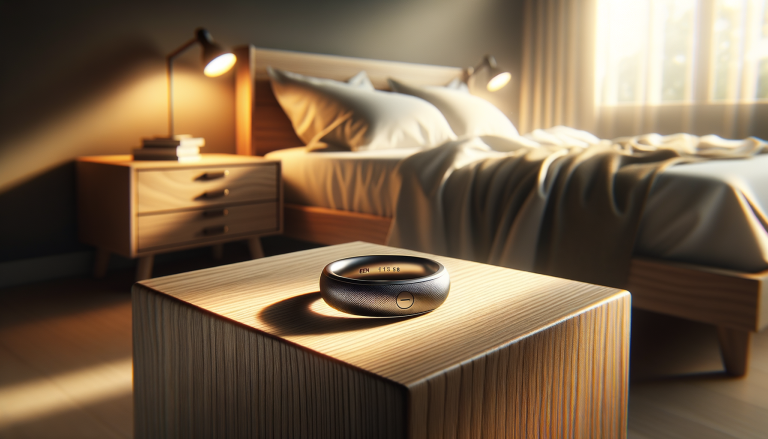
The most obvious difference between these devices is where you wear them. Oura Ring sits on your finger as a sleek titanium band, while WHOOP wraps around your wrist, bicep, or anywhere you can secure the adjustable strap.
Oura’s ring form factor appeals to people who dislike wrist-worn devices during sleep. The titanium construction feels premium, and once you find the right size (Oura sends a sizing kit before purchase), it becomes virtually unnoticeable. Available in silver, black, gold, and rose gold finishes, it maintains a jewelry-like aesthetic that works in professional settings.
WHOOP takes a minimalist approach with its fabric strap design. The WHOOP 5.0 bundle comes with a SuperKnit wristband, which has an ultra-soft backing and a completely adjustable fit, but the wrist placement isn’t ideal for everyone who sleeps restlessly.

From personal testing, I found the ring concept initially appealing, though I ultimately valued comprehensive 24-hour tracking more than form factor alone. The choice between ring and strap often comes down to personal preference about what feels natural during sleep.
Sleep Tracking Accuracy: What the Research Shows
Sleep tracking accuracy matters because inaccurate data leads to poor decisions about your health. Both devices have been validated against polysomnography (PSG), the gold standard for sleep measurement used in clinical sleep labs.
Oura Ring Validation Studies
Multiple independent studies have examined Oura Ring’s accuracy. A 2024 study published in Sensors compared Oura Ring Gen3, Fitbit Sense 2, and Apple Watch Series 8 against PSG in 35 healthy adults. The results showed Oura Ring achieved 95% sensitivity for detecting sleep versus wake, with no significant difference from PSG for total sleep time, light sleep, deep sleep, or REM sleep estimation.
For sleep stage classification, Oura demonstrated sensitivity between 76-79.5% across light, deep, and REM sleep stages. The study found Oura was the most accurate of the three devices tested, outperforming both Apple Watch and Fitbit in four-stage sleep classification.
A separate validation study from the University of Tokyo examined 96 participants across 421,045 thirty-second epochs. Researchers found Oura Ring had 94.4-94.5% sensitivity, 91.7-91.8% overall accuracy, and “almost perfect agreement” with PSG for two-stage sleep classification. Sleep staging accuracy ranged from 75.5% for light sleep to 90.6% for REM sleep.
WHOOP Validation Studies
WHOOP has also undergone third-party validation testing. A 2020 study published in Journal of Sports Sciences tested WHOOP against PSG across 86 sleep periods in 12 healthy adults. For two-stage categorization (sleep vs. wake), WHOOP achieved 89% agreement with PSG, 95% sensitivity to sleep, and 51% specificity for wake.
For four-stage categorization, WHOOP showed 64% overall agreement, with sensitivity of 62% for light sleep, 68% for slow-wave sleep, 70% for REM sleep, and 51% for wake. The study noted that WHOOP overestimated total sleep time by an average of 8.2 minutes, though this difference was not statistically significant.
A systematic review published in PMC comparing Fitbit Charge 4, Garmin Vivosmart 4, and WHOOP found that WHOOP presented the least disagreement relative to PSG for total sleep time, light sleep, and deep sleep, though it showed the largest disagreement for REM sleep measurement.

The research suggests both devices perform well at distinguishing sleep from wake, with Oura Ring showing slightly higher accuracy for sleep stage classification. However, both devices face the same fundamental limitation: consumer wearables cannot match the precision of medical-grade polysomnography, which uses direct brain wave measurement through EEG.
Sleep Metrics and Insights
Beyond raw accuracy numbers, the way each device presents sleep data affects how useful it becomes for improving your rest.
Oura Ring provides a Sleep Score (0-100) based on total sleep time, efficiency, restfulness, REM sleep, deep sleep, latency, and timing. The ring tracks heart rate variability, resting heart rate, respiratory rate, and body temperature throughout the night. Oura’s temperature tracking has proven particularly valuable for detecting illness onset and tracking menstrual cycles.
The ring’s Readiness Score combines sleep quality with recovery metrics to tell you how prepared your body is for physical or mental stress. This holistic approach resonates with people who view sleep as one component of overall wellbeing rather than an isolated metric.
WHOOP takes a recovery-focused approach centered on strain and recovery balance. The device calculates a Recovery Score (0-100%) based on heart rate variability, resting heart rate, respiratory rate, and sleep performance. WHOOP then recommends a daily strain target based on your recovery level.

For athletes and fitness enthusiasts, WHOOP’s strain coaching provides targeted guidance about training intensity. For sleep optimization specifically, though, the constant emphasis on recovery percentages can create what some people experience: obsessive checking and anxiety about suboptimal scores even when you physically feel fine.
Neither device should replace medical advice for serious sleep disorders. If you’re experiencing consistent sleep problems, consult a sleep specialist rather than relying solely on wearable data. I learned this during my worst period of sleep deprivation, when a proper medical consultation and therapy provided far more value than any tracker could offer.
Pricing and Subscription Models
The financial commitment differs significantly between these devices, and understanding the total cost of ownership matters for making an informed decision.
Oura Ring Gen3 costs $299-$549 depending on finish choice (silver, black, gold, or rose gold), with stealth black being the premium option. Oura requires a monthly membership at $5.99, giving access to detailed insights, personalized recommendations, and the full feature set. Without the membership, you only see basic metrics like sleep time and readiness score.
WHOOP operates on a membership model. Monthly subscriptions run $30 per month, 12-month prepaid is $239 ($19.92/month), and 24-month prepaid is $399 ($16.63/month). The WHOOP One Bundle on Amazon (about $248) includes the WHOOP 5.0 wearable with a 12-month WHOOP One membership. When your membership ends, the device stops functioning entirely.
Over a two-year period, Oura Ring costs approximately $442-$692 (device plus 24 months membership), while WHOOP costs $399 for the 24-month plan. The math favors WHOOP initially, but Oura Ring’s hardware remains functional if you cancel the subscription, whereas WHOOP becomes unusable.
For those seeking alternatives without subscription requirements, several smart rings function without monthly fees, though they typically offer less sophisticated analysis than Oura or WHOOP.

Battery Life and Charging
Practical usability includes how often you need to charge your device and whether charging interrupts data collection.
Oura Ring lasts 4-7 days on a single charge, depending on usage and features enabled. The magnetic charging dock requires removing the ring, creating gaps in your data during charging sessions. Most users charge while showering or working, ensuring minimal sleep tracking interruption.
The WHOOP 5.0 bundle’s listing cites 14+ days of battery life, with a fast-charging corded Basic Charger included. Check the current spec on Amazon before you buy.
Neither device requires daily charging, which is essential for consistent sleep tracking. Missing even one night of data can disrupt trend analysis and pattern recognition. If you’re testing multiple devices to find the best smart ring for sleep tracking, battery life should factor heavily into your decision.
App Experience and Ecosystem
The quality of a device’s app determines how actionable its data becomes. Both Oura and WHOOP invest heavily in their software experiences.
Oura’s app presents information in digestible, visually appealing formats with educational content explaining what each metric means. The app integrates with Apple Health, Google Fit, and various third-party apps, allowing data sharing across your health ecosystem. Oura’s trend charts help identify patterns over weeks and months, which proved invaluable when I was establishing consistent sleep routines.
WHOOP’s app emphasizes performance optimization with detailed strain and recovery coaching. The social features allow comparison with friends and community members, which motivates some users but creates competitive stress for others. WHOOP integrates with training platforms like Strava and TrainingPeaks, making it particularly appealing for endurance athletes.

The “right” app depends on your priorities. Oura focuses on holistic wellness and long-term health trends. WHOOP emphasizes performance optimization and training adaptation. Neither approach is superior—they serve different user needs.
Who Should Choose Which Device?
After looking at research into both platforms, clear use cases emerge for each device.
Choose Oura Ring if you prioritize minimalist design, prefer ring-style wearables, want comprehensive wellness tracking beyond just fitness, value temperature monitoring for illness detection or cycle tracking, or plan to own the device long-term without ongoing subscriptions. The Oura Ring 4 represents the latest iteration with improved sensors and accuracy.
Choose WHOOP if you’re a serious athlete focused on training optimization, want 24/7 tracking, want detailed strain and recovery coaching, or prefer flexible strap placement over finger wear. Athletes comparing options should also consider the Samsung Galaxy Ring or Ultrahuman Ring Air as alternatives.
The broader question is whether either device will actually improve your sleep. My experience suggests that obsessing over sleep scores can be counterproductive. The most important lesson from ten years managing sleep issues isn’t about tracking technology—it’s about acceptance. Getting upset about not sleeping is like getting upset that it’s raining outside. There’s simply no point.
If you’re considering these devices for sleep improvement rather than athletic performance, start with basic sleep hygiene practices first. Establish consistent sleep and wake times, create a truly dark and cool bedroom environment, develop a genuine wind-down routine before bed. These fundamentals matter far more than any data a wearable provides.
The Verdict: Different Tools for Different Goals
Comparing Oura Ring and WHOOP reveals two well-executed but fundamentally different approaches to sleep and recovery tracking. Oura excels at holistic wellness monitoring with strong sleep accuracy and temperature tracking that extends beyond fitness applications. WHOOP dominates performance optimization with sophisticated training guidance and 24/7 tracking.
For pure sleep tracking accuracy, research gives Oura Ring a slight edge, particularly for sleep stage classification. For athletes who view sleep as one component of training adaptation, WHOOP’s integrated approach to strain and recovery provides more actionable guidance.
The subscription model debate ultimately depends on your timeframe. WHOOP costs less initially but creates permanent ongoing costs. Oura requires higher upfront investment but allows reducing to basic tracking if you cancel the membership later.
Perhaps most importantly, remember that sleep tracking technology remains imperfect. These devices cannot replace the wisdom gained from listening to your body, addressing underlying anxiety or stress, and building sustainable sleep habits. Whether you choose Oura Ring, WHOOP, or decide to explore other options among the best smart rings for sleep, use the data as one input among many for understanding your rest—not as the definitive authority on how well you slept.
Read more articles on the Smart Rings Hub.
About the Author
Scott Hilliard is the founder of liveworksleep.com and has spent over a decade managing anxiety-driven insomnia. His personal experience testing sleep products, medications, and techniques—from weighted blankets to prescription sleep aids—provides authentic insight into what actually works for improving rest. Scott’s approach emphasizes acceptance-based strategies and evidence-based solutions over marketing hype.
Transparency Disclaimer
This article may contain affiliate links. If you purchase through these links, we may earn a commission at no additional cost to you. We only recommend products we have thoroughly researched. Our goal is to help you make informed decisions about sleep health products based on honest analysis, not maximize affiliate revenue.
Medical Disclaimer
This article provides general information about sleep tracking devices and should not be considered medical advice. Sleep trackers cannot diagnose sleep disorders or replace consultation with qualified healthcare providers. If you experience persistent sleep problems, consult a sleep specialist or medical professional. Always discuss significant health changes with your doctor before making decisions based solely on wearable device data.
Frequently Asked Questions
Is Oura Ring or WHOOP more accurate for sleep tracking?
Research published in peer-reviewed journals shows Oura Ring has slightly higher accuracy for sleep stage classification compared to WHOOP when validated against polysomnography. Oura achieved 76-79.5% sensitivity across different sleep stages, while WHOOP showed 62-70% sensitivity. However, both devices perform well at distinguishing sleep from wake, with both exceeding 89% agreement with gold-standard measurements.
Which device is better for athletes?
WHOOP is generally preferred by serious athletes due to its integrated strain and recovery coaching, 24/7 tracking, and specific training optimization features. The device’s focus on balancing training stress with recovery aligns well with athletic performance goals. Oura Ring provides excellent sleep and recovery data but lacks WHOOP’s sophisticated training load guidance.
Do I need to pay a subscription for both devices?
Yes, both devices require ongoing subscriptions for full functionality. Oura Ring costs $5.99 per month after a one-month trial, while WHOOP operates entirely on membership pricing (ranging from $16.63 to $30 per month depending on commitment length). Without Oura’s subscription, you lose detailed insights and personalized recommendations but retain basic tracking. Without WHOOP membership, the device stops functioning entirely.
Can these devices diagnose sleep disorders?
No. Neither Oura Ring nor WHOOP can diagnose sleep disorders like sleep apnea, insomnia, or restless leg syndrome. These devices provide helpful trend data and may indicate patterns worth discussing with a doctor, but medical-grade polysomnography conducted in a sleep lab remains the gold standard for diagnosing sleep disorders. If you experience persistent sleep problems, consult a sleep specialist rather than relying solely on wearable data.
Which device has better battery life?
Oura Ring lasts approximately 4-7 days on a single charge and requires removal for charging via a magnetic dock, creating data gaps during charging sessions. the WHOOP 5.0 bundle’s listing cites 14+ days of battery life with its fast-charging corded Basic Charger. Check the current spec on Amazon before you buy.