WHOOP vs Garmin Venu 4 for Sleep Tracking: Which Wins?
Affiliate Disclosure: As an Amazon Associate I earn from qualifying purchases. Some links on this page are affiliate links. If you buy through them we earn a small commission at no extra cost to you. Our recommendations are based on research into specifications, published evidence and product listings. Learn more.
Quick Picks


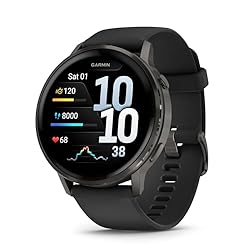
Quick verdict: Choose WHOOP (the WHOOP One bundle with WHOOP 5.0, about $248) if you want a screenless band built around recovery, strain and sleep coaching. Choose the Garmin Venu 4 (about $549) if you want a full smartwatch with a sleep score, personalized sleep coaching and Body Battery. The Garmin vivosmart 5 (about $143) is the lower-cost Garmin option, with a sleep score and up to 7 days of battery life.
| Feature | WHOOP 5.0 (One bundle) | Garmin Venu 4 |
|---|---|---|
| Price (Amazon listing) | About $248 | About $549 |
| Battery life | 14+ days | Up to 12 days |
| Sleep features | Sleep, recovery and VO2 Max insights; WHOOP Coach recommendations for sleep, strain and recovery | Sleep score, personalized sleep coaching, breathing variations (Pulse Ox) |
| Energy and recovery | Recovery insights, WHOOP Journal (160+ behaviors) | Body Battery energy monitoring, health status |
| Membership | 12-month WHOOP One membership included | See listing |
The debate between WHOOP and Garmin for sleep tracking comes down to two fundamentally different philosophies: specialized recovery monitoring versus comprehensive fitness tracking. WHOOP positions itself as a performance optimization platform focused on recovery metrics, while Garmin offers sleep tracking as one component of a broader athletic ecosystem. For anyone deciding between these platforms specifically for sleep insights, the answer depends less on which tracks sleep “better” and more on whether you prioritize depth of recovery analysis or breadth of fitness features.
The WHOOP 5.0 is built to track heart rate variability and identify trends in recovery, but the constant focus on optimization can create more anxiety than insight for some sleepers. A device that keeps flagging that your body isn’t recovered, even when you feel fine, can be counterproductive for anyone managing anxiety-driven insomnia. That said, the technology itself is impressive, particularly for athletes who genuinely need granular recovery data.

Understanding the Core Difference
WHOOP operates on a membership model, positioning itself as a continuous optimization service rather than a one-time device purchase. The platform centers entirely on three metrics: Strain (daily exertion), Recovery (readiness for activity), and Sleep Performance. Everything feeds into the Recovery score, which becomes the lens through which you view your readiness each morning.
Shop on Amazon: WHOOP 5.0 → | Garmin Venu 4 →
Garmin takes the opposite approach, selling standalone devices that include sleep tracking alongside dozens of other fitness, navigation, and smartwatch features. Sleep is one data stream among many, integrated into broader metrics like Body Battery and Training Readiness. You own the device outright, and while Garmin recently introduced an optional subscription service for AI insights, the core sleep tracking features remain free after purchase.
This philosophical difference cascades through every aspect of the user experience. WHOOP feels like having a demanding coach who constantly evaluates your recovery status, while Garmin functions more like a Swiss Army knife that includes sleep tracking among its many tools. According to research funded by the Australian Institute of Sport, WHOOP 3.0 demonstrated superior accuracy in heart rate and heart rate variability measurements compared to multiple competitors, achieving 99.7% accuracy for heart rate and 99% for HRV against ECG standards.
Sleep Tracking Accuracy: What the Research Shows
Both platforms track sleep using photoplethysmography (PPG) sensors that measure blood flow changes through light reflection on the skin. These sensors detect heart rate, heart rate variability, and respiratory rate, which algorithms then use to infer sleep stages. Neither uses EEG sensors, which remain the gold standard for sleep staging but require clinical equipment.
WHOOP’s recent algorithm updates have improved sleep staging accuracy by approximately 7% according to internal testing, with particular improvements in detecting short wake periods during the night. The platform correctly identified around 58-66% of sleep stage epochs compared to polysomnography in validation studies, performing strongest with deep sleep and REM detection.
Garmin’s accuracy picture is more complicated. A University of Kansas Medical Center study validated Garmin’s Advanced Sleep Monitoring as a viable method for estimating sleep stages, showing reasonable agreement with clinical-grade sleep profiler devices. However, independent testing in 2025 found notable weaknesses in REM sleep detection and wake period identification compared to Oura Ring and Apple Watch.

The practical reality is that both platforms struggle with the same fundamental challenge: accurately identifying sleep stages without EEG data. Light sleep is notoriously difficult for wearables to distinguish from wake periods, and REM detection relies heavily on heart rate patterns that can be influenced by factors beyond sleep architecture. Where WHOOP excels is consistency, providing reliable trend data even if individual night accuracy varies. Garmin’s sleep tracking has improved markedly in recent years but still shows more variability across their device lineup.
The WHOOP Approach: Recovery-First Philosophy
WHOOP’s entire platform revolves around the Recovery Score, calculated each morning based on heart rate variability, resting heart rate, sleep performance, and respiratory rate. This score theoretically tells you how hard to push yourself that day, with green (67-100%) indicating high recovery, yellow (34-66%) suggesting moderate strain, and red (0-33%) recommending rest.
The Sleep Performance component considers not just duration but also sleep consistency, efficiency, and accumulated sleep debt. WHOOP calculates your individual sleep need based on recent activity strain and then measures whether you met that target. For athletes training at high intensity or people managing demanding schedules, this dynamic sleep recommendation can be genuinely useful.
What troubled me about the WHOOP system was the way low recovery scores affected my mindset. You could feel great, ready to exercise, genuinely rested, but then the app shows 23% recovery and suddenly you’re questioning whether you should work out at all. For someone already managing anxiety around sleep, having a device constantly evaluate my recovery status added another layer of stress. The nocebo effect is real with these devices; if your tracker tells you that you slept poorly, you might feel worse than you would have without that information.
The platform also includes Sleep Coach, which recommends optimal bedtime based on your recovery needs and schedule. In theory, this personalization should help optimize sleep timing. In practice, the recommendations often felt overly rigid, failing to account for the reality that sometimes you can’t go to bed at 9:15 PM just because the algorithm says so.
The Garmin Approach: Integrated Fitness Ecosystem
Garmin integrates sleep data into several broader metrics rather than making it the central focus. Body Battery estimates your current energy reserves based on sleep quality, stress levels, and activity, providing a more holistic view than pure recovery scoring. Training Readiness considers sleep alongside HRV trends, recent workouts, and recovery time to suggest optimal training intensity.
The sleep tracking itself captures total sleep time, sleep stages (light, deep, REM, awake), average heart rate, HRV status, respiratory rate, and on newer models, breathing variations measured through pulse oximetry. The presentation is straightforward: you get a Sleep Score from 1-100, a timeline showing when you cycled through sleep stages, and integration with Garmin Coach for training plan adjustments based on sleep quality. Learn more about how wearable sleep trackers compare to under-mattress systems in our comprehensive guide.

Where Garmin shines is versatility. You’re not buying a sleep tracker; you’re buying a running watch, cycling computer, or multisport device that happens to track sleep comprehensively. The Garmin Connect app provides years of trend data, automatic synchronization across the fitness ecosystem, and integration with third-party platforms like Strava and TrainingPeaks.
The recent introduction of Garmin Connect+ (a $9.99/month subscription) adds AI-powered insights and enhanced performance dashboards, but critically, the core sleep tracking features remain free. This makes the value proposition markedly different from WHOOP’s mandatory subscription model.
Feature Comparison: Beyond Basic Sleep Tracking
WHOOP tracks strain continuously throughout the day, measuring cardiovascular load from all activities whether you log them or not. This passive strain tracking means you don’t need to manually start workouts, and the system captures everything from a CrossFit session to walking up stairs. Recovery monitoring runs 24/7, with HRV measurements taken during deep sleep when the data is most reliable and consistent.
The device itself is screenless, removing the temptation to check metrics compulsively. The Amazon listing gives battery life as 14+ days, charged with the included corded Basic Charger. That long battery life supports WHOOP’s philosophy of continuous wear. The SuperKnit strap is comfortable for sleep, though some users find wrist-worn trackers disruptive regardless of design.
Garmin’s device lineup spans from basic fitness trackers like the Vivoactive series to advanced multisport watches like the Fenix and Forerunner lines, with sleep tracking capabilities varying by model. Higher-end devices include pulse oximetry for blood oxygen tracking, respiration monitoring, and advanced HRV status analysis. The recently launched Garmin Index Sleep Monitor offers a dedicated sleep-only band for users who don’t want to wear a smartwatch to bed.
Frequently Asked Questions
Garmin vs WHOOP sleep tracking accuracy: which is more accurate?
Both rely on PPG sensors rather than clinical EEG, so neither nails sleep stages perfectly. WHOOP’s strength is consistency, with reliable trend data, roughly 58-66% sleep-stage epoch agreement versus polysomnography, and very strong heart-rate and HRV accuracy. Garmin’s stage tracking has improved but shows more variability across its lineup, with weaker REM and wake-period detection in independent testing.
Does WHOOP require a subscription, and does Garmin?
WHOOP runs on a membership. The Amazon bundle (about $248) includes the WHOOP 5.0, a SuperKnit band, a charger and 12 months of membership. Garmin is the opposite: you buy the device outright and the core sleep tracking stays free. Garmin’s optional Connect+ ($9.99/month) adds AI insights, but you do not need it for sleep tracking.
How does the Garmin Index Sleep Monitor compare to WHOOP?
The Garmin Index Sleep Monitor is a dedicated sleep-only band for people who do not want to wear a smartwatch to bed, feeding into Garmin’s ecosystem metrics like Body Battery. WHOOP is a screenless device worn 24/7 and focused on recovery scoring. If you only want overnight tracking without a watch or subscription, the Index Sleep Monitor is the simpler route; if you want continuous recovery analysis, WHOOP goes deeper.
Garmin Venu 4 vs WHOOP: which is better for sleep tracking?
The Garmin Venu 4 (about $549) is a smartwatch with a sleep score, personalized sleep coaching, a breathing variations feature that uses Pulse Ox, Body Battery energy monitoring and up to 12 days of battery life. The WHOOP One bundle with WHOOP 5.0 (about $248) includes a 12-month membership, WHOOP Coach recommendations for sleep, strain and recovery, and 14+ days of battery life. Pick the Venu 4 if you want a full watch with sleep tracking built in; pick WHOOP if you want a screenless band focused on recovery.
Keep comparing: see Oura Ring vs WHOOP, Apple Watch vs Garmin for sleep and our WHOOP 4.0 full review.