Circadian Optics Lumos Review: A Light Therapy Lamp That Actually Fits on Your Desk
Affiliate Disclosure: As an Amazon Associate I earn from qualifying purchases. Some links on this page are affiliate links. If you buy through them we earn a small commission at no extra cost to you. Our recommendations are based on research into specifications, published evidence and product listings. Learn more.
Quick Picks


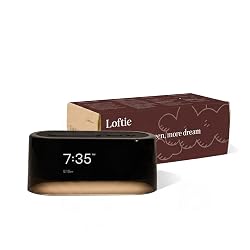
Light therapy has been on my radar for years. When you spend a decade managing anxiety-driven insomnia, you start paying attention to anything that might help regulate your internal clock. I already know the power of morning light from my own experience with early walks, but as someone who works from home, I wondered whether a dedicated light therapy lamp could provide similar benefits on days when getting outside proves difficult.
Shop on Amazon: Circadian Optics Lumos → | Verilux HappyLight →
The Circadian Optics Lumos 2.0 caught my attention because of its unusual design. Most light therapy lamps look like medical equipment you might find in a hospital waiting room. The Lumos, with its slim folding panel and modern aesthetic, actually looks like something you would want on your desk. But does it deliver on the therapeutic promise? I spent several weeks testing this lamp to find out.

Key Specifications at a Glance
The Circadian Optics Lumos 2.0 delivers 10,000 lux brightness, which is the intensity level most commonly recommended for effective light therapy sessions. The lamp uses 60 LED bulbs that emit full-spectrum white light at a color temperature of 5500K, designed to mimic midday sunlight. Circadian Optics claims the LEDs are rated for approximately 50,000 hours of use, which translates to decades of daily sessions.
The lamp measures approximately 14 inches tall when fully extended and weighs around 1.5 pounds. It features a weighted base for stability and includes three brightness settings controlled by a simple one-touch button. The Lumos plugs into a standard wall outlet and does not include a rechargeable battery in the 2.0 version. Perhaps most importantly for long-term eye health, the lamp filters out UV light entirely.
At a price point of around $70, the Lumos sits in the mid-range of light therapy lamps. Circadian Optics backs the product with a 4-year replacement policy, which is notably more generous than the standard 1-year warranty offered by many competitors.
The Science Behind Light Therapy for Sleep
Before evaluating any light therapy product, it helps to understand what we are actually trying to achieve. Your body runs on a roughly 24-hour internal clock called the circadian rhythm, which influences when you feel alert and when you feel sleepy. Light exposure is the primary signal that keeps this clock synchronized with the external world. According to research published in the journal Somnologie, light can be used as an effective and noninvasive therapeutic option with little to no side effects to improve sleep, mood, and general well-being.
I have experienced this firsthand through my morning walking routine. Even 20 minutes of early morning outdoor time has a noticeable impact on how I sleep that night. The science makes sense: bright light in the morning signals to your brain that the day has started, which helps calibrate your internal clock and makes you feel appropriately sleepy when evening arrives.
A meta-analysis published in Sleep Medicine Reviews examined 53 studies involving over 1,150 participants and found that light therapy was effective in treating sleep problems generally, as well as specifically for circadian rhythm sleep disorders and insomnia. The effect size was moderate but meaningful, suggesting that light therapy works as part of a comprehensive sleep improvement strategy rather than as a standalone cure.
The recommended protocol for most light therapy applications involves sitting in front of a 10,000 lux lamp for approximately 20 to 30 minutes, typically in the morning within an hour of waking. The Sleep Foundation notes that light therapy is not considered a cure for insomnia or other conditions but can help improve energy levels and make it easier to fall asleep or wake up.
Design and Build Quality
The Lumos stands out from other light therapy lamps primarily because of its folding design. The light panel connects to a tall stem that pivots and bends, allowing you to position the illuminated surface at nearly any angle. This flexibility matters more than you might expect. Most light therapy involves indirect exposure, with the lamp positioned off to the side rather than directly in front of your face. The Lumos makes finding that ideal angle straightforward.
The build quality feels solid without being heavy. The weighted base keeps the lamp stable even when the panel is extended at awkward angles, though I would not recommend pushing the positioning too far. The plastic housing has a matte finish that resists fingerprints and looks reasonably premium. Circadian Optics clearly prioritized aesthetics, and the result is a lamp that does not look out of place on a modern desk alongside other tech equipment.
Setup is essentially instant. You attach the base, plug in the power cord, and the lamp is ready to use. There is no app to download, no firmware to update, and no complicated settings to configure. After years of dealing with sleep gadgets that require extensive setup and ongoing maintenance, I found this simplicity refreshing. The one-touch operation means you press the button once to turn on the lamp, press again to cycle through brightness levels, and press a fourth time to turn it off.
Real-World Performance
I tested the Lumos by positioning it on my desk during morning work sessions, following the manufacturer’s recommendation to place it 5 to 18 inches from my face at an indirect angle. The highest brightness setting is genuinely bright, enough that it takes a moment for your eyes to adjust when first turning it on. The lower two settings work fine for general task lighting but likely do not provide enough intensity for therapeutic benefit.

One limitation worth noting is that manufacturers often advertise 10,000 lux output, but this measurement is typically taken at a specific distance that may not match how you actually use the lamp. Independent testing from Optimize Your Biology found that the Lumos 2.0 requires positioning around 8 inches from your face to achieve the full 10,000 lux, while the suggested 12 to 18 inch distance delivers somewhat less. This is common across the light therapy lamp category and something to keep in mind when setting realistic expectations.
The same testing revealed that the Lumos actually outperforms some of Circadian Optics’ other models on circadian light metrics, which measure how effectively a light source signals daytime alertness to your brain. This is potentially more meaningful than raw lux numbers. The testing also found minimal flicker, which matters if you are sensitive to LED refresh rates that can cause headaches or eye strain in some people.
Regarding subjective experience, I noticed a boost in alertness on mornings when I used the lamp, particularly on gray winter days when natural light through the windows was limited. Whether this was purely placebo is impossible to say definitively. But my general philosophy with sleep aids is pragmatic: if it helps and causes no harm, does the mechanism really matter? The lamp certainly did not hurt my sleep or cause any of the mild side effects sometimes reported with light therapy, such as headaches or eye strain.
Who Is the Lumos Best Suited For?
The Circadian Optics Lumos works best for people who spend their mornings at a desk and want to incorporate light therapy into an existing routine. The compact footprint means it will not dominate your workspace, and the adjustable design lets you position it without constantly moving other items around. If you work from home and find yourself struggling with morning grogginess or afternoon energy crashes, the Lumos provides a practical way to increase light exposure without restructuring your schedule.
The lamp is also worth considering if you experience seasonal changes in mood or energy. The research on light therapy for seasonal affective disorder is robust, and the American Academy of Sleep Medicine recognizes bright light therapy as a treatment for circadian rhythm sleep disorders. If you notice that your sleep or mood worsens during darker months, adding morning light exposure can help counteract the effects of reduced natural daylight.

However, the Lumos is probably not the right choice if you need maximum portability. While the lamp folds flat for storage, it still requires wall power and is not designed for travel. Other options in the Circadian Optics lineup, like the Luxy, may be better suited for people who need to bring their light therapy on the road.
Comparing the Lumos to Alternatives
The light therapy lamp market includes several well-known options. The Verilux HappyLight series is perhaps the most recognized competitor, offering similar 10,000 lux output in a more traditional box design. Verilux lamps tend to have larger light surfaces, which can reduce glare and provide more comfortable extended sessions. However, they also take up more desk space.
Within the Circadian Optics lineup, the Lumine and Lampu offer alternatives with different form factors. Independent testing suggests the Lampu may actually be the most effective model in terms of balancing light output with comfort, but it has a different aesthetic that may not appeal to everyone. If you prioritize minimalist design and adjustability, the Lumos remains the standout option in the range.
For a broader comparison of options across multiple brands, our guide to the best light therapy lamps for sleep provides detailed analysis of how different models stack up on key criteria including light output, build quality, and value.
Potential Drawbacks and Limitations
The Lumos has a relatively small illuminated surface area compared to traditional light therapy boxes. This means you need to be more precise about positioning, and the lamp may feel more intense at close range. Some users report that the Lumos is more glare-prone than larger-surfaced alternatives, which could be a concern if you have sensitive eyes.
The color temperature claim of 5500K appears to be aspirational rather than precise. Like most LED products, the actual color temperature varies somewhat during use as the LEDs warm up, and independent testing found the Lumos stabilizes at a slightly different temperature than advertised. For most users, this minor discrepancy will not matter, but it is worth noting for those who are particular about light quality.

The lack of a timer is another minor inconvenience. Most light therapy sessions last 20 to 30 minutes, and having to manually track that time or set a separate timer adds a small friction point to the routine. Some competing lamps include built-in countdown timers that automatically shut off the light when your session is complete.
Finally, while the 4-year replacement policy is generous, the lamp is not rechargeable and must remain tethered to a power outlet during use. This limits where you can realistically position it and rules out using it in spaces without convenient electrical access.
Tips for Getting the Most From the Lumos
Based on my testing and the available research on light therapy for sleep disorders, here are practical suggestions for using the Lumos effectively. Use the lamp within the first hour after waking, as this timing aligns with when your circadian system is most responsive to light signals. Position the lamp at the highest brightness setting and keep it 12 to 18 inches from your face at an angle rather than directly in front of your eyes.
Consistency matters more than session length. A 2025 meta-analysis in Scientific Reports found that regular light therapy significantly improved total sleep time and sleep efficiency compared to control groups. Daily use, even for shorter sessions, appears to be more beneficial than occasional longer sessions.
Combine light therapy with other circadian-supportive habits. I have found that morning outdoor walks remain the gold standard for regulating my sleep cycle, but the Lumos provides a useful supplement when weather or schedule makes getting outside impractical. Think of it as a tool in a broader toolkit rather than a standalone solution. Understanding when to use light therapy can help you optimize the timing for your specific situation.
Final Verdict
The Circadian Optics Lumos 2.0 delivers on its core promise: it provides bright light therapy in a design that looks good on a modern desk. At around $70 with a 4-year replacement guarantee, the value proposition is reasonable for anyone seriously interested in using light exposure to support their sleep.
The lamp works best as part of a comprehensive approach to sleep improvement rather than as a magic solution. If you already prioritize consistent sleep timing, manage light exposure throughout the day, and address underlying factors like anxiety, the Lumos can add incremental benefit. If you are looking for a single product to fix chronic sleep problems, managing expectations is important.
For people who work desk jobs and struggle with seasonal energy fluctuations or morning alertness, the Lumos represents a practical, attractive option. The adjustable design solves real usability problems with traditional light boxes, and the build quality suggests it will last through years of daily use. Just keep in mind that achieving full therapeutic intensity requires sitting closer than the marketing photos suggest, and pair the lamp with broader lifestyle habits for best results.
Frequently Asked Questions
How long should I use the Circadian Optics Lumos each day?
Most research supports using a 10,000 lux light therapy lamp for 20 to 30 minutes daily, ideally in the morning within an hour of waking. Start with shorter sessions of 10 to 15 minutes and increase gradually if you do not experience any side effects like headaches or eye strain.
Is the Lumos safe for people with eye conditions?
The Lumos filters out UV light, making it safe for most users. However, if you have existing eye conditions like macular degeneration or are taking medications that increase light sensitivity, consult with your eye doctor before starting any light therapy regimen.
Can I use the Lumos in the evening?
Using bright light therapy in the evening can delay your sleep onset and is generally not recommended unless you are intentionally trying to shift your sleep schedule later. For most people seeking better sleep, morning use provides the greatest benefit without disrupting nighttime sleepiness.
Shop on Amazon: Circadian Optics Lumos → | Verilux HappyLight → | Philips SmartSleep →
How does the Lumos compare to natural sunlight?
Natural sunlight on a bright day can exceed 100,000 lux, far more intense than any artificial light therapy lamp. The Lumos provides a supplement when outdoor light exposure is limited but does not fully replicate the benefits of time spent outside in natural daylight.
Read more articles on the Light Therapy Lamps Hub.
About the Author: Scott Hilliard has spent over 10 years managing anxiety-driven insomnia and testing sleep products, supplements, and techniques. His approach combines personal experience with evidence-based research to provide practical guidance for others navigating their own sleep challenges.
Transparency Statement
liveworksleep may earn a commission from purchases made through links in this article. This does not influence our editorial assessments. We evaluate all products based on real-world testing, published research, and practical value. For more information, see our full affiliate disclosure.