White Noise Machine vs App: Which Option Actually Helps You Sleep?
Affiliate Disclosure: As an Amazon Associate I earn from qualifying purchases. Some links on this page are affiliate links. If you buy through them we earn a small commission at no extra cost to you. Our recommendations are based on research into specifications, published evidence and product listings. Learn more.
Quick Picks


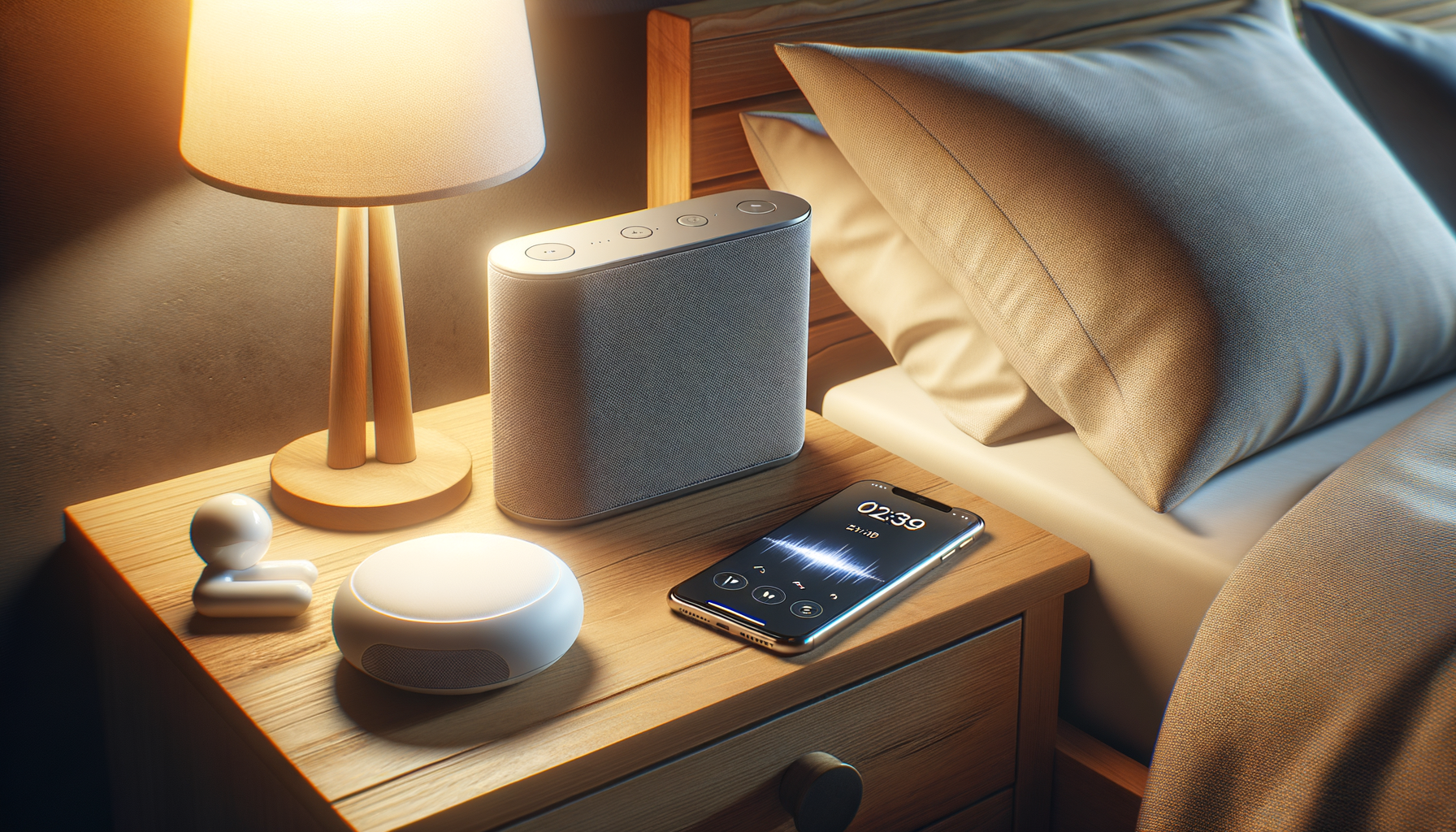
The white noise debate comes down to a simple question: should you buy a dedicated device or just download an app? The answer depends less on technology and more on your specific sleep environment and habits. Both options can work, but they serve different needs in surprisingly important ways.
White noise machines and smartphone apps both deliver background sound designed to mask disruptive noises during sleep. However, they differ significantly in audio quality, reliability, convenience, and long-term cost. Understanding these differences helps you choose the right tool for your particular situation rather than wasting money on features you don’t need or settling for an option that won’t actually solve your problem.
This comparison examines the practical differences between dedicated white noise machines and smartphone apps, including sound quality, convenience factors, potential drawbacks, and scenarios where each option makes the most sense.
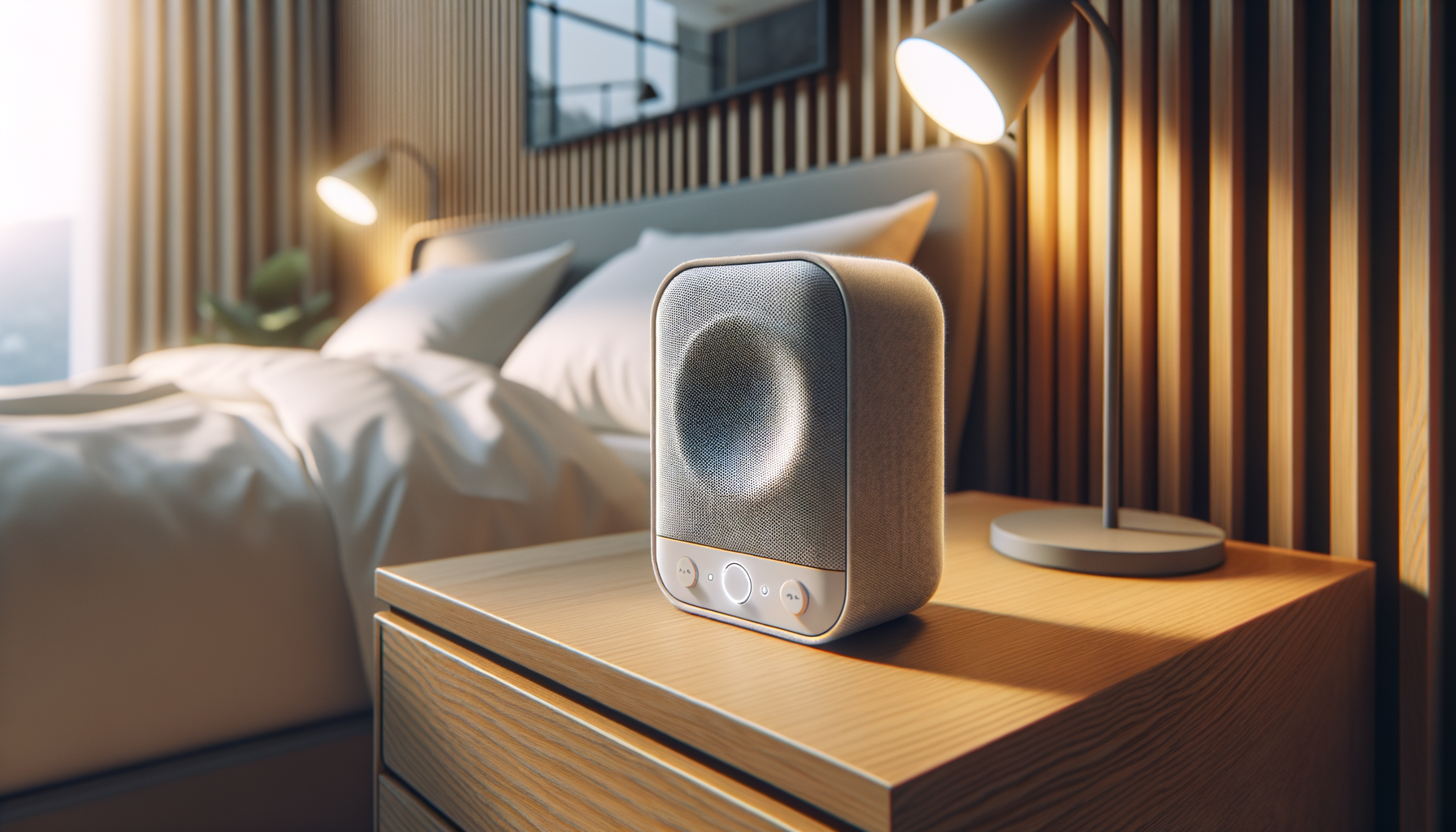
Quick Picks: Best White Noise Machines
| Option | Type | Price | Best For | Buy |
|---|---|---|---|---|
| Yogasleep Dohm Classic | Mechanical machine | $44.95 | Best overall white noise machine | Check Price |
| Hatch Restore 3 | Smart machine + alarm | $169.99 | Best premium all-in-one | Check Price |
Understanding How White Noise Works for Sleep
Before comparing devices and apps, understanding why white noise helps some people sleep explains what features actually matter. White noise contains all audible frequencies at equal intensity, creating a consistent “blanket” of sound that masks sudden noises like traffic, neighbours, or a partner’s movements. According to research published in the Sleep Medicine Reviews journal, white noise may reduce sleep onset latency and sleep fragmentation, though the evidence remains mixed and more research is needed.
The masking effect works by reducing the contrast between background silence and sudden noise spikes. When a car horn or slamming door occurs against complete silence, your brain registers the change and may trigger an arousal response. When the same noise occurs against a steady background hum, the contrast is smaller and less likely to wake you. The Sleep Foundation notes that disruptive noise during sleep can cause changes in heart rate that suggest semi-awakenings, which is what continuous background sound helps prevent.
Earplugs are not suitable for everyone, and some people find them uncomfortable. White noise offers an alternative approach, creating a sound barrier rather than physically blocking your ears. The consistency matters more than the specific sound type, which is why both machines and apps can technically work.
Dedicated White Noise Machines: Strengths and Limitations
Dedicated white noise machines are purpose-built devices designed to produce consistent background sound throughout the night. They range from simple fan-based mechanical units to sophisticated electronic devices with multiple sound options. Understanding their advantages and drawbacks helps determine whether the investment makes sense for your situation.
Audio Quality Advantages
The most significant advantage of dedicated machines is audio quality. White noise machines project sound omnidirectionally, filling a room more naturally than phone speakers designed primarily for voice calls. The speakers in dedicated devices are tuned specifically for continuous low-frequency sound reproduction, handling the demands of all-night operation without distortion. Some higher-end machines generate analog white noise or use uncompressed digital audio, avoiding the compression artifacts common in streaming applications.
For masking significant environmental disturbances like traffic or neighbouring apartments, dedicated machines typically reach 75 to 85 decibels of output. This volume capability matters when you’re competing against substantial noise sources. However, the National Institute on Deafness and Other Communication Disorders notes that sounds at or below 70 decibels are unlikely to cause hearing damage even with prolonged exposure, while exposure above 85 decibels can cause hearing loss over time. This means careful volume management remains important regardless of which option you choose.
The same principle applies to dedicated white noise machines: purpose-built tools are often better suited to a single task than multi-function devices trying to do everything. There’s something to be said for a device that does one thing well.
Reliability Benefits
Dedicated machines eliminate common smartphone disruptions. Phone calls, notifications, app updates, and system crashes cannot interrupt playback from dedicated hardware. This reliability matters most for people who use their phones for work communication and cannot enable airplane mode overnight. The machines maintain stable volume and frequency response over time without the variables introduced by smartphone software updates or background processes.
Long-term durability also favours dedicated devices. Quality machines typically operate reliably for five to ten years, providing predictable performance without subscription fees or service changes. They don’t require charging every night, and their simple functionality means fewer points of failure.
Practical Convenience Factors
Physical controls allow adjustment in complete darkness without screen light that can disrupt sleep onset. Once configured, machines require no daily interaction, automatically providing consistent audio environments. For people sharing a bedroom, dedicated machines don’t emit screen light or create phone notification temptations during bedtime routines. This “set and forget” simplicity aligns with good sleep hygiene practices that minimize stimulation before bed.
Reducing decisions and friction around bedtime is widely associated with better sleep hygiene. A dedicated device that requires only a single switch to operate removes one more decision from the pre-sleep routine. This parallels the general advice to keep stimulating, multi-function devices away from the bed: fewer distractions, fewer choices, less temptation to do something else.
Limitations Worth Considering
The primary disadvantage of dedicated machines is portability. They add bulk to luggage and require power outlets, making them inconvenient for frequent travellers. Initial costs typically range from $30 to $150 for quality options, though some premium devices exceed $200. They also offer limited sound variety compared to apps with hundreds of options, and cannot integrate with sleep tracking or smart home systems.
For people who already struggle with bedroom clutter or nightstand space, adding another device may feel unwelcome. The machines also cannot adjust automatically to changing conditions or learn your preferences over time. If you want portable options for travel, smaller machines exist but sacrifice some audio quality for convenience.
Smartphone White Noise Apps: Strengths and Limitations
Smartphone apps transform your existing device into a white noise generator, offering convenience and flexibility that dedicated machines cannot match. Modern apps have become increasingly sophisticated, though they retain inherent limitations tied to smartphone hardware and software.
Convenience and Portability
The most compelling advantage of apps is that you likely already have the required hardware in your pocket. This eliminates additional purchases for casual users and provides immediate access without waiting for delivery. For travellers, apps add zero luggage weight and require no additional power adapters.
Apps also offer extensive customization that most machines cannot match. Premium options allow mixing multiple sounds, scheduling playback, integrating with smart home systems, and adjusting parameters based on effectiveness patterns. Some apps connect with sleep tracking features, creating comprehensive wellness monitoring that standalone machines cannot provide. If you’re curious about whether white noise actually improves sleep quality, apps with built-in tracking can help you evaluate your personal results.
Cost Considerations
Many quality apps offer free versions with basic functionality, making them accessible to anyone curious about white noise. Paid versions typically cost $3 to $10 for one-time purchases or $2 to $5 monthly for subscription services. This lower barrier to entry allows experimentation without significant financial commitment.
However, the long-term cost calculation is more complex. Premium apps with subscription models often cost more than quality machines after 12 to 18 months of use. A $100 machine that lasts seven years costs roughly $14 annually, while a $4 monthly subscription totals $48 yearly. That said, apps provide ongoing updates and feature improvements that machines cannot offer, potentially justifying the recurring cost for users who value new content and functionality.
Audio Quality Realities
Here’s where honest assessment becomes important. Smartphone speakers are designed primarily for voice calls and notification sounds, not continuous low-frequency audio reproduction. Playing white noise through phone speakers typically produces thinner, higher-pitched sound compared to dedicated machines. The small speakers struggle with the full frequency range that makes white noise effective for masking environmental disturbances.
This limitation can be overcome by connecting your phone to external speakers, either through Bluetooth or wired connection. Quality Bluetooth speakers or bedside speaker systems can match or exceed dedicated machine audio quality. However, this adds equipment cost and bedroom clutter while introducing potential Bluetooth connectivity issues. A 2022 systematic review in the Journal of Clinical Sleep Medicine found that among studies with positive findings on auditory stimulation and sleep, the delivery method and audio quality varied significantly, suggesting that implementation details matter for effectiveness.
Reliability Concerns
Smartphone apps face several reliability challenges that don’t affect dedicated devices. Phone calls can interrupt playback at critical sleep moments unless you enable airplane mode or do-not-disturb settings. System notifications may slip through depending on your configuration. Operating system updates can change app behaviour without warning, and some updates have been known to affect audio processing or battery management in ways that disrupt sleep apps.
Battery constraints create another consideration. Extended overnight playback drains phone batteries significantly, potentially leaving you without both white noise and morning alarm functionality. While you can charge your phone overnight, this keeps it within arm’s reach, creating temptation for late-night scrolling that undermines sleep hygiene. Using your phone as a white noise machine works against this principle.
Some users report noticeable audio loops in app-based sounds that become annoying once detected. Quality varies considerably between apps, and even well-reviewed options may have issues with specific device models or operating system versions.
Sound Quality Comparison: What Research Shows
The science on whether sound quality differences between machines and apps affect sleep outcomes remains limited. Most research on white noise and sleep doesn’t distinguish between delivery methods, focusing instead on whether background noise helps compared to silence. A study published in Sleep Medicine found that white noise significantly improved sleep in people living in high-noise environments, using objective measurements including actigraphy, but the study used dedicated equipment rather than consumer devices.
What we can say is that consistency matters more than perfection. The Cleveland Clinic notes that consistent noise creates a masking effect that blocks sudden sounds. Whether that consistency comes from a $150 machine or a free app may matter less than whether you actually use it every night. For people with mild environmental noise issues, app quality may be perfectly adequate. For those competing against significant disturbances, the fuller frequency response of dedicated machines likely provides better masking.
It’s worth noting that different noise colours like pink or brown noise may work better for different people regardless of delivery method. Some research suggests pink noise, which emphasizes lower frequencies, may enhance deep sleep more effectively than pure white noise. Both machines and apps offer various noise colours, so personal experimentation remains important.
Volume and Safety Considerations
Regardless of which option you choose, volume management deserves careful attention. Both dedicated machines and apps can produce sound levels that may affect hearing if used improperly over extended periods. Research has shown that some white noise machines can exceed 91 decibels on maximum volume settings, which exceeds occupational safety guidelines for even short-duration exposure.
For safe overnight use, Harvard Medical School researchers recommend keeping white noise machines in a corner of the bedroom rather than directly on the nightstand, and maintaining volume no louder than background conversation levels. Using timers to play sound only during sleep onset rather than all night may also reduce exposure while still providing the conditioning benefit that helps you fall asleep.
This concern applies equally to apps played through external speakers. In some ways, phone speaker limitations may actually provide a safety benefit by naturally restricting maximum volume output. However, if you’re connecting to external speakers, the same volume precautions apply.
When Each Option Makes Sense
Based on the practical differences between the two approaches, here’s how to think about the choice:
Choose a Dedicated Machine If:
You live in a high-noise environment where significant masking power matters. You want to keep your phone out of the bedroom or in another room during sleep. You prefer simple, reliable operation without configuration or updates. You don’t travel frequently or can dedicate a machine for home use. You’re willing to invest in a single purchase for long-term use. You share a bedroom and want to avoid screen light from phone use. If you’re comparing specific models, our guide to the best white noise machines covers the top options for different needs and budgets.
Choose an App If:
You travel frequently and need portable solutions. You want to test whether white noise helps before committing to a purchase. You prefer customization options and sound variety. You already use your phone for sleep tracking or smart home integration. You have mild noise issues where phone speaker quality is adequate. You’re on a tight budget and need a free or low-cost starting point. Budget-conscious users might also consider a budget white noise machine as a middle-ground option.
Consider Both If:
Some people find value in using a dedicated machine at home for optimal audio quality while keeping an app available for travel. This approach costs more initially but provides the best of both options. The conditioning effect of consistent white noise use means having a reliable backup when travelling can prevent sleep disruption from unfamiliar environments.
The Dependency Question
One concern worth addressing is whether regular white noise use creates dependency. Sleep experts acknowledge this possibility: if you use white noise every night, you may find it difficult to sleep without it. This is similar to other sleep associations like specific pillows or room temperature preferences.
Michael Grandner, director of the Sleep and Health Research Program at the University of Arizona, has compared sound machines to both a “crutch” and a form of psychological conditioning. However, he notes that the benefits often outweigh this downside for people who genuinely need noise masking. The key consideration is whether background noise addresses a real environmental problem or merely serves as a ritualistic comfort.
White noise, like many sleep aids, can become part of a regular routine, and that is not necessarily problematic. Getting upset about needing white noise to sleep is a bit like getting upset that it’s raining outside. If it helps and doesn’t cause harm, the dependency concern seems overblown. The more relevant question is whether white noise actually solves your specific sleep problem or just adds another variable to an already complicated situation.
White Noise and Sleep Tracking Compatibility
If you use a smartwatch or phone-based sleep tracking app, white noise introduces a real complication. Many sleep trackers rely on microphone input to detect sleep stages, measure restlessness, or identify snoring patterns. White noise, whether from a machine or app, creates continuous ambient sound that can interfere with these sensors. The microphone picks up the white noise itself rather than the subtle audio cues it’s designed to detect. Research on sleep tracker accuracy remains limited, but several manufacturers acknowledge that sustained background noise reduces microphone-based sleep detection reliability. If sleep tracking matters to you, consider using a white noise machine positioned away from your device’s microphone, or test your specific combination to see whether tracking data remains consistent. Some trackers perform better than others at filtering background noise, so your particular device may handle white noise without significant degradation.
Battery Drain From White Noise Apps: Real Impact
White noise apps do drain your phone battery, but the severity depends on several factors. Continuous audio playback at moderate volume typically consumes 5-15 percent of battery per hour on modern smartphones, according to typical usage data. Playing audio through a phone speaker uses more power than playing through Bluetooth headphones because the speaker amplifier works harder. Screen-off playback (which you want for sleep) reduces but doesn’t eliminate drain. If you run a white noise app for eight hours nightly, expect to lose roughly 40-120 percent of a full charge, meaning you’ll need to charge during the night or use a device dedicated to sleep sound. Apps that run on airplane mode (a smart choice to avoid notifications) still consume similar battery for audio playback. For people who rely on phones for alarms, emergency calls, or health monitoring through the night, battery drain becomes a genuine practical problem. Dedicated machines eliminate this trade-off entirely.
Making Your Decision
The white noise machine versus app debate doesn’t have a universal answer because the right choice depends on your specific circumstances. Someone living on a quiet suburban street with occasional dog barking has different needs than someone in a city apartment with traffic noise, neighbours, and sirens throughout the night.
Start by honestly assessing your noise environment and what you’re trying to accomplish. If your sleep issues stem primarily from anxiety or racing thoughts rather than environmental noise, white noise alone probably won’t solve the problem. The most effective approach to anxiety-driven sleep problems involves techniques like worry journaling and acceptance rather than sound masking. White noise works best when external sound is genuinely disrupting your sleep.
If you’re uncertain, apps provide a low-risk way to test whether white noise helps your sleep before investing in dedicated hardware. Use a free app for two weeks, paying attention to whether your sleep quality improves. If you notice benefits but find the app audio quality inadequate or disruptive, a dedicated machine may be worth the investment. If the app works well enough, save your money and keep using it.
The technology matters less than consistent use and finding what genuinely helps you sleep. Whether that comes from a premium machine, a free app, or simply a box fan running in the corner, the goal is restful sleep, not perfect audio equipment.
Our Recommendation
For most people, a dedicated white noise machine beats an app. Better sound quality, no battery drain, no sleep tracking interference, and no temptation to check your phone. The Yogasleep Dohm ($44.95) is the gold standard for mechanical white noise, while the LectroFan EVO gives you electronic variety. If you want white noise plus a sunrise alarm in one device, the Hatch Restore 3 ($169.99) does both.
More White Noise Machines Worth Knowing About
The three picks above cover most situations, but a few other machines are worth knowing about depending on your specific constraints.
For travel specifically, a compact battery-powered option like the LectroFan Micro 2 solves a different problem than your bedroom machine does. It fits in a palm, runs roughly 40 hours on its internal battery, and doubles as a Bluetooth speaker. Sound quality is naturally more limited than a full-sized machine, but in a hotel room with unpredictable hallway noise and a climate system that cycles on and off all night, having something familiar to switch on matters more than audiophile fidelity.
If mechanical fan sound appeals to you but you also want app scheduling, the SNOOZ Original splits the difference between the Yogasleep Dohm and an electronic machine. An internal impeller fan produces warm, non-digital sound across ten volume levels, and a companion app handles scheduling and alarms while the physical controls keep working independently if the app or your Wi-Fi drops out overnight. The premium price only makes sense if you’ll actually use the scheduling. If you won’t, you’re paying for software you’ll ignore.
On a tighter budget, the Magicteam Sound Machine is worth knowing about. It runs around $25 to $30, offers 32 volume levels and 20 non-looping sounds, and weighs under six ounces, which makes it genuinely portable despite the low price. The trade-off is a smaller speaker with less bass response than pricier machines, so it suits a quiet bedroom better than heavy traffic noise.
One machine worth a specific mention if you’re shopping for a nursery: the Huckleberry Sound Machine, built by the baby sleep-tracking company of the same name. It’s a reasonable $40 to $60 option for light masking, with genuine broadband white noise rather than a looped recording and a nightlight that actually switches fully off rather than just dimming. Its weak points are real, though. There’s no brown noise option, and sound quality noticeably thins out once you push past about 70 percent volume. Fine for a nursery or a quiet room. Not the machine to reach for if you’re trying to mask real traffic or a snoring partner.
Frequently Asked Questions
Is white noise from a phone speaker loud enough to mask environmental noise?
For mild to moderate environmental noise, phone speakers can provide adequate masking. However, they struggle with significant disturbances like heavy traffic, noisy neighbours, or loud snoring. The smaller speakers cannot reproduce the full frequency range that makes white noise effective against substantial noise sources. Connecting your phone to external speakers solves this limitation but adds cost and complexity.
Do white noise apps drain phone battery significantly?
Yes, running audio apps overnight typically consumes 15 to 30 percent of battery depending on the app, phone model, and whether you’re streaming or using downloaded sounds. Most people charge their phones overnight anyway, making this a non-issue, but it does mean keeping your phone plugged in near your bed. If you prefer keeping devices away from your sleeping area, a dedicated machine eliminates this concern.
Can I use white noise apps on airplane mode to avoid interruptions?
Yes, most quality white noise apps work in airplane mode using downloaded sounds rather than streaming. This eliminates notification interruptions while still allowing alarm functionality. However, you’ll miss calls and messages overnight, which may not be acceptable for everyone. Do-not-disturb settings offer a middle ground that allows important contacts to reach you while silencing other notifications.
Are expensive white noise machines significantly better than budget options?
Premium machines typically offer better speaker quality, more sound options, and additional features like smart home integration. However, for basic noise masking, well-reviewed budget machines around $30 to $50 often perform adequately. The differences become more noticeable in high-noise environments where maximum output and frequency response matter most. If you’re simply covering mild background noise, budget options may work well.
Is it safe to use white noise all night, every night?
At moderate volumes below 70 decibels, continuous white noise exposure is generally considered safe for hearing. Some sleep specialists recommend using timers to play sound only during sleep onset rather than all night to minimize exposure while still gaining sleep benefits. The key is keeping volume reasonable, not using maximum settings, and positioning the sound source appropriately rather than directly next to your head.
Can white noise machines help with tinnitus?
Many people with tinnitus report that white noise or brown noise makes the ringing less noticeable, particularly at night when there’s less ambient sound to compete with it. Research on sound therapy for tinnitus supports this as a management strategy, with brown noise specifically showing promise for symptom reduction. A machine won’t treat the underlying cause, but masking can make sleep easier for people who find the ringing most disruptive once the room goes quiet.
Does pink noise actually work better than white noise for sleep?
The evidence leans that way, with a caveat. A 2022 systematic review in the Journal of Clinical Sleep Medicine found pink noise studies reported positive sleep outcomes about 82 percent of the time, compared to roughly 33 percent for white noise studies, though the pink noise research had more methodological limitations, so that gap is probably narrower than it looks. Separately, researchers at Northwestern University found that pink noise pulses timed to match participants’ brain waves during deep sleep increased slow-wave activity and improved next-day memory test performance. Neither finding means pink noise is definitively better for you personally. It means it’s worth trying if white noise has never quite worked, especially since most machines that offer one also offer the other.
Are sleep earbuds a better option than a white noise machine?
It depends on the problem you’re solving. A machine fills the room, which works well for couples or anyone who doesn’t want anything in their ears overnight. Earbuds make more sense for travel, or if the noise you’re fighting is close-range and high-amplitude, like a snoring partner, since the physical seal blocks sound before any masking audio even starts. The trade-offs are battery life, since most sleep earbuds run six to eight hours, and comfort, since not everyone tolerates something in their ear canal for a full night. Models like the Soundcore Sleep A30 Special are built small and flush to the ear (about 3 g each) for side sleepers, which is the main comfort complaint with standard earbuds.
Read more articles on the White Noise Machines Hub.
About the Author: Scott Hilliard is the founder of LiveWorkSleep, which covers sleep products and sleep science. His recommendations are based on research into specifications, published evidence and product listings.
Transparency: liveworksleep may earn a commission from purchases made through links on this site. This never influences our recommendations, which are based on research into specifications, published evidence and product listings. We only recommend products we believe provide real value to our readers.
The relationship between sleep tracking accuracy and white noise ties into broader questions about wearable reliability; our guide on sleep tracker accuracy provides more context on how environmental factors affect your data.
If battery drain pushes you toward a dedicated machine, understanding noise levels matters; read our breakdown of specific devices like the BedJet 3 noise specifications to make an informed choice.
Also available: Check Price on Amazon