Withings Sleep Analyzer Review: A Clinical-Grade Under-Mattress Tracker That Delivers on Its Promises
Affiliate Disclosure: As an Amazon Associate I earn from qualifying purchases. Some links on this page are affiliate links. If you buy through them we earn a small commission at no extra cost to you. Our recommendations are based on research into specifications, published evidence and product listings. Learn more.
Quick Picks


After years of testing wearable sleep trackers, I was skeptical when the Withings Sleep Analyzer arrived. Another device promising to decode my sleep patterns? I had already experienced the frustration of checking my WHOOP score after a night that felt restorative, only to be told my sleep was poor. That disconnect between subjective experience and tracker data had left me wary of the entire sleep tracking category.
But the Withings Sleep Analyzer takes a fundamentally different approach. Rather than strapping something to your wrist or finger, this thin pad slides under your mattress and uses hospital-grade sensing technology to monitor your sleep. After testing it extensively, I can say this device has changed my perspective on what consumer sleep trackers can actually accomplish.
In this comprehensive review, I will cover everything you need to know about the Withings Sleep Analyzer: how it works, what it measures, its clinical validation, and whether the investment is worth it for someone genuinely trying to understand their sleep patterns.
Shop on Amazon: Shop Withings Sleep on Amazon →

What Sets the Withings Sleep Analyzer Apart
The Withings Sleep Analyzer distinguishes itself through three key factors that most consumer sleep trackers cannot match. First, it requires no contact with your body whatsoever. The thin fabric pad, measuring approximately 25 inches long and 7.5 inches wide, sits beneath your mattress at chest level and works through mattresses ranging from 4 to 15 inches thick. You genuinely forget it exists after setup.
Second, this device was developed in collaboration with sleep physicians at Hôpital Béclère in Paris and validated against polysomnography, the gold standard clinical sleep test. A peer-reviewed study published in the Journal of Clinical Sleep Medicine found the device achieved 88% sensitivity and 88.6% specificity in detecting moderate to severe sleep apnea. These are numbers that actually mean something, backed by rigorous scientific methodology rather than marketing claims.
Third, the companion Health Mate app is completely free with no subscription required. You pay once for the hardware and receive unlimited access to your data, historical trends, and all analysis features. This stands in stark contrast to competitors that lock core functionality behind monthly fees.
How Ballistocardiography Technology Works
The Withings Sleep Analyzer uses ballistocardiography, a technique that measures the mechanical movement of the body caused by each heartbeat and breathing cycle. An air bladder within the pad acts as a pneumatic sensor, detecting the subtle vibrations transmitted through your mattress as blood moves through your cardiovascular system.
This technology captures three distinct signal types. Body movements reveal how much you shift positions throughout the night. Respiratory patterns show your breathing rate and any disturbances. Cardiac activity provides heart rate data and detects the rhythmic patterns that indicate sleep stages. A separate microphone identifies snoring episodes and breathing irregularities.
What impressed me most about this approach is the absence of the “observer effect” that plagues wearable trackers. When I wear something on my wrist or finger, some part of my brain remains aware of it, especially during the lighter stages of sleep. The under-mattress placement eliminates this entirely. After the initial setup calibration, which takes about 10 minutes and involves the pad inflating and adjusting to your mattress, the device becomes invisible to your sleep experience.
Sleep Metrics and Data Quality
The Withings Sleep Analyzer tracks a comprehensive set of sleep metrics that provide genuine insight into your nightly rest. Sleep duration and efficiency measurements tell you the basics, but the device goes considerably deeper. It distinguishes between light, deep, and REM sleep stages, providing percentage breakdowns and duration for each phase.
Heart rate monitoring runs continuously throughout the night, calculating your average sleeping heart rate and identifying periods where it deviates significantly from your baseline. Respiratory rate tracking does the same for breathing, flagging any irregularities that might indicate sleep-disordered breathing. The snoring detection feature logs episodes and their duration, which proved particularly useful for understanding factors that disrupted my sleep quality.
The Sleep Score feature synthesizes all this data into a single 0-100 rating based on six components: duration, depth, regularity, interruptions, time to fall asleep, and time to wake. This score was developed with sleep physicians and weighted to reflect the physiological importance of each metric. Duration and depth carry the most weight, which aligns with the scientific literature on restorative sleep.
Having lived with anxiety-driven insomnia for years, I appreciate that this device does not create the anxiety spiral I experienced with other trackers. When my sleep felt good, the data generally confirmed that assessment. The disconnect that drove me away from wrist-based trackers was largely absent here. If you are considering alternatives in this category, our comparison of Withings versus Emfit trackers breaks down the key differences between the two leading under-mattress options.
Sleep Apnea Detection: The Standout Feature
The sleep apnea detection capability sets the Withings Sleep Analyzer apart from virtually every consumer sleep device on the market. Using a deep learning algorithm trained on thousands of hours of synchronized polysomnography data, the device estimates your Apnea-Hypopnea Index and classifies severity according to the American Academy of Sleep Medicine standards.
The clinical validation study is worth examining in detail. Researchers tested 118 patients suspected of having obstructive sleep apnea and found the device achieved 86% sensitivity and 91.2% specificity for detecting severe sleep apnea (AHI ≥ 30 events per hour). For moderate-to-severe cases (AHI ≥ 15 events per hour), sensitivity was 88% and specificity was 88.6%. These performance metrics approach those of clinical-grade portable sleep monitors, which is remarkable for a consumer device.
This feature is certified as medical-grade in Europe, Australia, and New Zealand. In the United States, the device is sold as the “Withings Sleep” without the apnea detection feature, though some users report it still appears in the app. If you suspect you have sleep apnea, this device can provide valuable screening data to share with your doctor before undergoing a formal sleep study. For broader context on how different technologies approach sleep tracking accuracy, our article on whether under-mattress trackers actually work examines the science behind various approaches.

The Health Mate App Experience
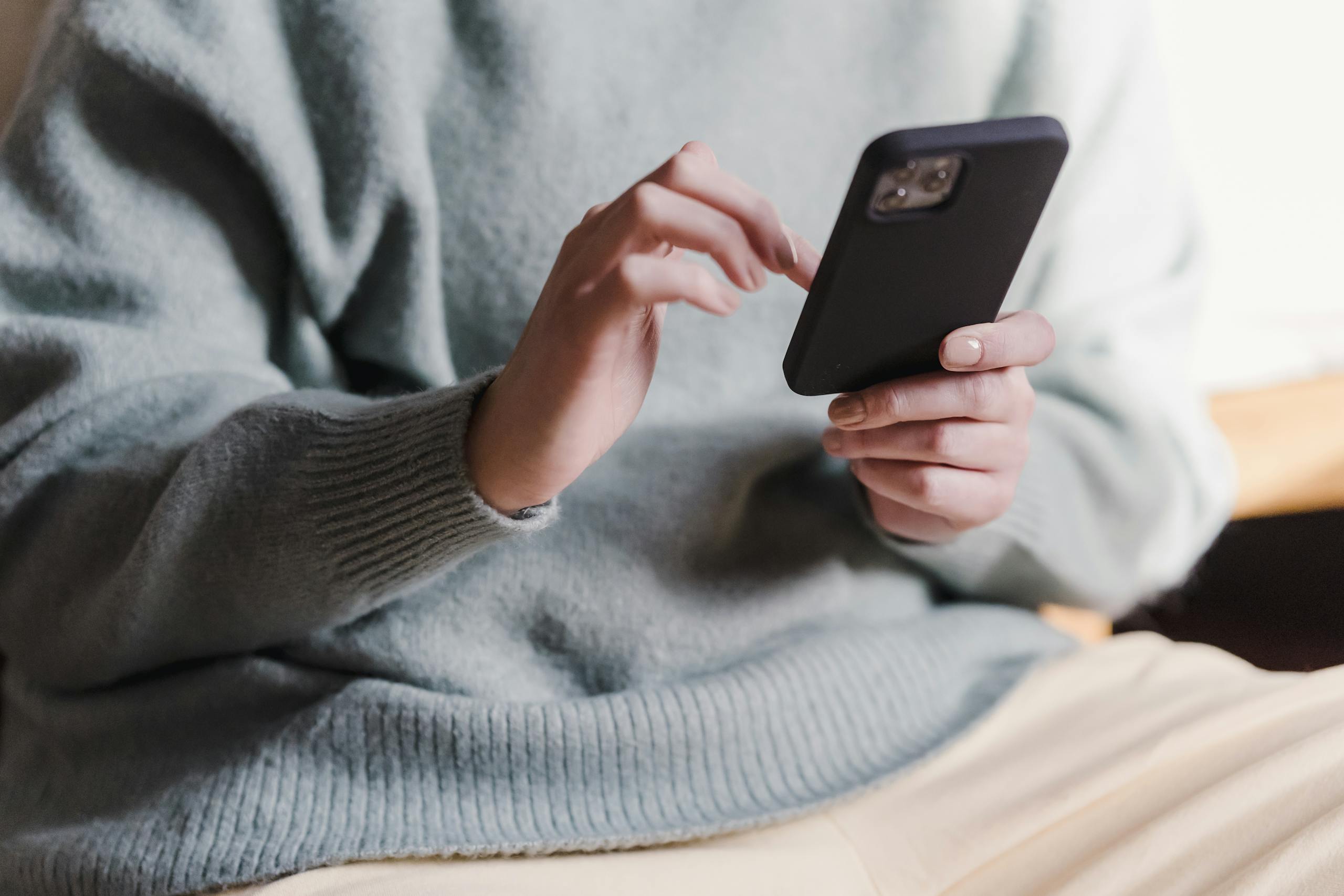
The Withings Health Mate app serves as the hub for all your sleep data. Available for iOS (14 and above) and Android (8.0 and above), the app presents your nightly data through clean visualizations that are genuinely useful rather than overwhelming. Each morning, you receive a sleep report showing your score, time asleep, sleep stages, heart rate curve, and any notable events.
The historical view allows you to track trends over weeks and months, which is where sleep tracking becomes genuinely valuable. Single-night data tells you very little. Patterns over time reveal the factors that actually impact your sleep quality, from caffeine timing to exercise schedules to weekend versus weekday differences.
One feature I found unexpectedly useful is the automatically generated sleep diary, which formats your data in a way that doctors can easily interpret. After years of trying to communicate my sleep issues to healthcare providers, having objective data in a standardized format proved invaluable. My therapist, who introduced me to the worry diary technique for managing bedtime anxiety, appreciated having concrete data to complement our discussions about sleep hygiene improvements.
The app also includes lifestyle coaching programs covering nutrition, meditation, and exercise, though these are fairly basic. The real value lies in the core sleep tracking functionality, which is available without any subscription. Withings does offer a Withings+ subscription at $9.95 per month that provides additional engagement features and personalized guidance, but the essential tracking capabilities remain free.
Smart Home Integration
The Withings Sleep Analyzer connects to your home Wi-Fi network and supports IFTTT (If This Then That) integration, enabling automation based on your sleep status. Practical applications include automatically dimming bedroom lights when you get into bed, adjusting your thermostat to optimal sleeping temperature, and triggering a gentle wake routine when you leave the bed in the morning.
I configured mine to dim the bedroom lights when it detected I was in bed and to gradually increase brightness when I woke up. This eliminated the need to fumble for light switches in the dark, which might seem minor but contributes to a more seamless sleep environment. The device also works with Apple HomeKit, Google Home, and Amazon Alexa for broader smart home compatibility.
Maintaining proper bedroom environment conditions matters significantly for sleep quality. If you are building a comprehensive sleep optimization setup, this integration capability makes the Withings a strong foundation. Our guide to the best under-mattress sleep trackers for 2025 compares smart home features across the category if automation is a priority for you.

Setup and Daily Use
Setting up the Withings Sleep Analyzer takes approximately 15 minutes. You place the pad under your mattress at chest level, ensuring it sits flat without bunching or folding. The approximately 10-foot power cable connects to a wall outlet, which is the device’s main limitation as it requires a nearby power source and cannot run on battery.
During initial calibration, the pad inflates and adjusts to your mattress characteristics. You may hear some whirring sounds during this process, which can take up to 10 minutes. Once calibration completes, the device operates silently. The LED indicator shows blue when connected properly, red if there are connectivity issues, and purple during Bluetooth pairing.
Daily use requires zero interaction. You simply go to sleep as normal, and the device automatically detects when you get into bed and begin sleeping. Data syncs to your phone via Wi-Fi overnight, so your sleep report is ready when you wake. The Withings support documentation provides detailed guidance on troubleshooting any connectivity issues.
The device works with any mattress type including memory foam, latex, hybrid, and innerspring, provided the thickness falls between 4 and 15 inches. If you share a bed with a partner, each person needs their own pad for individual tracking. The maximum weight capacity is approximately 440 pounds, which is important to consider if you use a weighted blanket on top of your regular bedding.
Limitations and Considerations
The Withings Sleep Analyzer is not without drawbacks. The requirement for a power outlet means you cannot use it while traveling unless you have access to a plug near the bed. There is no battery option, which limits portability entirely.
Sleep stage detection, while generally consistent with my subjective experience, cannot match the accuracy of clinical polysomnography, which measures brain waves directly. The device infers sleep stages from physiological signals, which is an inherently less precise approach. Research on ballistocardiography-based sleep trackers, including a validation study published in the Journal of Clinical Sleep Medicine, shows these devices tend to overestimate total sleep time slightly and can struggle to detect brief awakenings.
The device is designed for individual use. If you share a bed and both want tracking, you need two separate pads and accounts. Sleep disturbances caused by a partner moving may still register on your data, though the device attempts to filter out movements that do not originate from your side of the bed.
The snoring detection feature can be inconsistent, particularly if ambient noise levels are high. It works best in quiet bedrooms where the microphone can isolate your breathing sounds from environmental noise. For those weighing different tracking approaches, our comparison of under-mattress trackers versus wearables explores the tradeoffs between sensing technologies in detail.
Price and Value Assessment
The Withings Sleep Analyzer retails for approximately $130 to $200 depending on region and retailer. In the United States, it is often available around $165 through Amazon. This represents a one-time investment with no ongoing subscription costs for core functionality.
Compared to premium wearable trackers like the Oura Ring ($400 plus subscription) or WHOOP ($239 per year subscription), the Withings offers compelling value, especially for those who specifically want sleep tracking without daytime activity monitoring. The absence of subscription fees means your total cost of ownership over several years remains fixed at the initial purchase price.
The Sleep Foundation’s independent review notes that while more advanced trackers exist, the Withings delivers substantial functionality for its price point. The two-year warranty provides reasonable protection, and the removable fabric cover is machine washable for long-term maintenance.
For budget-conscious buyers, alternatives like the Beautyrest Sleeptracker exist at lower price points but offer significantly less sophisticated analysis. Our Beautyrest Sleeptracker review covers what you gain and sacrifice at that lower tier.

Who Should Consider the Withings Sleep Analyzer
The Withings Sleep Analyzer is best suited for people who want detailed sleep insights without wearing anything to bed. If you find wrist-based trackers uncomfortable or disruptive to your sleep, this device solves that problem entirely. The set-and-forget nature means it becomes part of your bedroom infrastructure rather than a nightly routine.
Those concerned about potential sleep apnea will find particular value in the screening capability. While the device cannot replace formal diagnosis, it provides objective data to share with healthcare providers and can help identify whether a clinical sleep study is warranted. This alone may justify the investment for many users.
The Withings is also ideal for people who want long-term sleep trend analysis. The free app with unlimited data retention means you can track patterns over months or years without ongoing costs. This longitudinal view is where sleep tracking becomes genuinely actionable for improving sleep quality.
People who travel frequently or want a portable solution should look elsewhere. The power requirement and mattress placement make this exclusively a home-based device. Similarly, if you want a device that tracks both sleep and daytime activity, a comprehensive wearable would better serve your needs.
Final Verdict
The Withings Sleep Analyzer represents what consumer sleep tracking should aspire to: clinical-grade sensing technology, rigorous validation against established standards, and a business model that does not hold core functionality hostage to recurring subscriptions. After testing numerous sleep tracking devices, this one earned a permanent place under my mattress.
The device excels at providing accurate, actionable sleep data without requiring any behavior change or nightly ritual. You go to sleep, and detailed analysis appears on your phone in the morning. For someone who spent years learning to manage sleep anxiety, this passive approach avoids triggering the vigilance that can paradoxically make sleep worse.
The breakthrough for me was realizing that tracking should inform rather than dictate my relationship with sleep. When my data shows poor sleep, I can look for contributing factors without panicking. When it shows good sleep, I have objective confirmation that my efforts at sleep hygiene are working. This balanced relationship with sleep data is what the Withings enables, and it is why I recommend it as a top choice in the under-mattress tracking category.
Frequently Asked Questions
Does the Withings Sleep Analyzer work with any mattress type?
Yes, the device is compatible with memory foam, latex, innerspring, hybrid, and other common mattress types. The mattress must be between 4 and 15 inches thick for optimal sensor performance. Adjustable beds work as well, though vibrating massage features may interfere with tracking accuracy.
Can two people share one Withings Sleep Analyzer?
No, each person needs their own separate pad for individual tracking. The device monitors movements and vital signs from a specific position on the bed. If two people share a bed, they should each have their own Withings Sleep Analyzer placed on their respective sides.
Is a subscription required to use the Withings Sleep Analyzer?
No subscription is required for core sleep tracking functionality. The Health Mate app provides free access to sleep scores, sleep stage analysis, heart rate data, snoring detection, and historical trends. The optional Withings+ subscription ($9.95 per month) adds personalized coaching and additional engagement features.
How accurate is the sleep apnea detection feature?
Clinical validation studies found 88% sensitivity and 88.6% specificity for detecting moderate-to-severe sleep apnea. While not a replacement for formal diagnosis, this provides reliable screening data to discuss with healthcare providers. The feature is certified as medical-grade in Europe, Australia, and New Zealand.
Does the Withings Sleep Analyzer require an internet connection?
The device requires Wi-Fi for initial setup and data synchronization. It stores data locally between syncs, so brief connectivity interruptions do not cause data loss. However, consistent Wi-Fi access is needed for the full app experience and overnight data transfer.
Read more articles on the Under-Mattress Trackers Hub.
Transparency: liveworksleep may earn a commission from purchases made through links in this article. This does not influence our editorial content or product assessments. We only recommend products we genuinely believe provide value based on thorough testing and research.