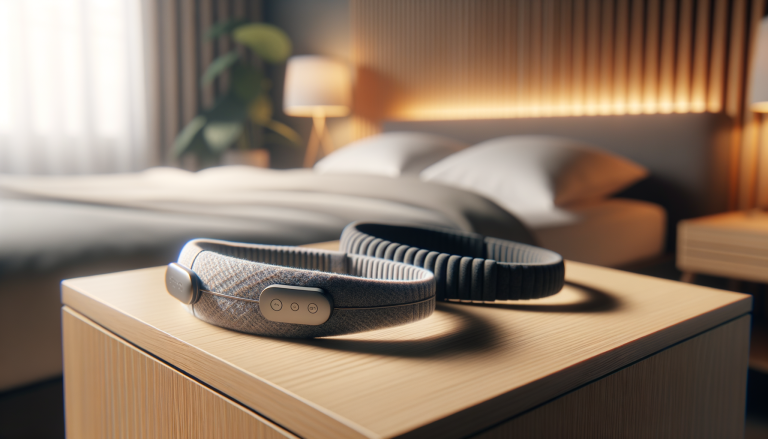
Withings vs Emfit: Which Under-Mattress Sleep Tracker Actually Delivers?
Affiliate Disclosure: As an Amazon Associate I earn from qualifying purchases. Some links on this page are affiliate links. If you buy through them we earn a small commission at no extra cost to you. Our recommendations are based on research into specifications, published evidence and product listings. Learn more.
Quick Picks


When I first started exploring under-mattress sleep trackers, the appeal was immediate: no wristband digging into my skin at 3am, no ring to remember to charge, just a thin sensor that quietly does its job while I focus on what matters most, actually sleeping. After years of testing various sleep tracking solutions, I’ve narrowed my comparison to two standouts in this category: the Withings Sleep Analyzer and the Emfit QS.
Both devices promise contact-free sleep monitoring through ballistocardiography, the measurement of subtle body movements caused by your heartbeat and breathing. But which one actually delivers meaningful data without adding another layer of sleep anxiety? Let me break down what I’ve learned from extensive research, clinical validation studies, and real-world user experiences.

Understanding the Core Technology
Both Withings and Emfit rely on ballistocardiography (BCG) technology, which detects the mechanical forces generated by your cardiovascular system with each heartbeat. This approach captures heart rate, respiratory rate, and body movements without any physical contact. The key difference lies in how each device processes this data and what additional features they bring to the table.
Shop on Amazon: Withings Sleep →
Note: the Emfit QS is no longer sold new on Amazon, so there is no purchase link for it here. The comparison below is kept for reference.
The Withings Sleep Analyzer uses a pneumatic sensor housed in an air-filled bladder, measuring pressure variations as your body moves throughout the night. It also incorporates a microphone for snoring detection. The Emfit QS employs an electromechanical film sensor that measures mechanical chest wall movements with high precision. This fundamental sensor difference influences their respective strengths.
Clinical Validation: What Does the Research Say?
Here’s where things get interesting, and where my analytical side takes over. Both devices have been subjected to validation studies against polysomnography (PSG), the gold standard for sleep measurement. The results reveal important distinctions that should inform your purchasing decision.
A 2021 study published in the Journal of Clinical Sleep Medicine tested the Withings Sleep Analyzer against PSG in 118 patients suspected of sleep apnea. The device demonstrated 88% sensitivity and 88.6% specificity at detecting moderate-to-severe sleep apnea (AHI ≥15 events/hour). For total sleep time, the Withings overestimated by an average of 25.8 minutes, with a mean absolute error of 53 minutes.
The Emfit QS underwent similar scrutiny in a 2022 validation study involving 62 sleep lab patients. The findings were less encouraging: Emfit QS overestimated total sleep time by a substantial 177.5 minutes on average and significantly underestimated wake after sleep onset by 44.7 minutes. The study concluded that while heart rate measurement was accurate, the device struggled to distinguish between sleep and wake states.
My takeaway from the research? The Withings demonstrates better overall accuracy for general sleep tracking, while the Emfit excels specifically at heart rate variability measurement, which explains its popularity among athletes focused on recovery metrics.

Feature Comparison: What Each Device Offers
Withings Sleep Analyzer Features
The Withings Sleep Analyzer tracks sleep cycles (light, deep, REM), heart rate, respiratory rate, snoring episodes, and breathing disturbances. The standout feature is sleep apnea detection, which has received CE marking as a medical device in Europe and is TGA-cleared in Australia. In the EU version, the device can classify sleep apnea severity following American Academy of Sleep Medicine guidelines.
The companion Health Mate app provides a daily sleep score developed with sleep physicians, breaking down your night into six indicators with color-coded feedback. The device integrates with Apple Health, Google Fit, and IFTTT for smart home automation. You can set your lights to dim when you get into bed or trigger your coffee maker when you wake up.
Emfit QS Features
The Emfit QS focuses heavily on heart rate variability (HRV), positioning itself as a recovery tracking tool for athletes. The device provides whole-night HRV analysis through RMSSD measurement (Root Mean Square of Successive Differences), which is a validated marker of parasympathetic nervous system activity and recovery status.
Beyond HRV, the Emfit QS tracks sleep stages, respiratory rate, heart rate, and movement activity. The Finnish-made device offers a web-based dashboard accessible from any browser without requiring a smartphone app, which some users prefer for its detailed data visualization and trend analysis capabilities.
My Experience with Sleep Tracker Data
Having tested multiple sleep trackers over the years, including wearables like the WHOOP, I’ve developed a healthy skepticism about these devices. There was a period when I found myself obsessing over sleep scores, convinced that a “bad” reading meant I’d feel terrible all day. This created exactly the kind of anxiety-driven sleep disruption I was trying to avoid.
What I’ve come to appreciate about under-mattress trackers is their passive nature. You set them up once and forget they exist, no nightly charging ritual, no wristband to remove during the day. The data arrives in your app each morning without any conscious effort, which removes one more barrier between you and sleep.
That said, I’ve learned to treat sleep tracker data as trend indicators rather than absolute truths. If your sleep score says 75 one morning but you feel rested and alert, trust your body over the algorithm. The real value comes from spotting patterns over weeks and months: did your deep sleep improve after you stopped caffeine after 2pm? Did your HRV trend upward after adding morning walks to your routine? These long-term insights matter far more than any single night’s reading. For more on whether these devices provide meaningful data, explore our guide on whether under-mattress trackers actually work.

Setup and Daily Use
Both devices share a similar installation process: slip the thin sensor under your mattress at chest level, plug in the power adapter, and connect to your WiFi network. Neither requires ongoing attention once configured, which is their primary advantage over wearables.
The Withings Sleep Analyzer measures approximately 637mm x 190mm and requires an initial calibration period where the air bladder inflates. The device connects via Bluetooth for setup, then uses WiFi for data transmission. Withings claims to disable wireless connectivity during sleep to reduce EMF exposure, syncing data when you leave the bed.
The Emfit QS comes with a longer power cord (approximately 1.8 meters), allowing you to position the transmitter away from your bed if EMF sensitivity concerns you. The sensor strip connects directly to WiFi without requiring phone pairing for daily operation. Data appears in your browser-based dashboard automatically each morning.
One practical consideration: both devices work best on flat surfaces like platform beds or box springs. Memory foam, latex, and spring mattresses all function well, though very thick mattresses (over 45cm) may reduce sensor sensitivity. If you share your bed, position the sensor on your side to avoid interference from your partner’s movements. For couples seeking a shared solution, our guide on the best sleep trackers for couples offers additional options worth considering.
Pricing and Value Assessment
The Withings Sleep Analyzer retails for approximately $199.95 (US) or $129.95 (UK), though discounts often bring the price closer to $165 on Amazon. The device includes lifetime access to the Health Mate app with no subscription required for basic features, though an optional Withings+ subscription ($9.95/month) adds personalized health coaching.
The Emfit QS commands a premium at approximately $249 direct from the manufacturer, with additional shipping costs depending on your location. Like Withings, there’s no ongoing subscription for data access. The company offers a 2-year limited warranty.
When evaluating value, consider what matters most to you. The Withings offers better general sleep tracking accuracy and sleep apnea detection at a lower price point. The Emfit commands its premium through superior HRV tracking for recovery optimization. If you’re comparing both to wearables, our analysis of under-mattress trackers vs wearables can help you decide which form factor suits your lifestyle.

Who Should Choose Which Device?
Choose the Withings Sleep Analyzer If:
You want reliable general sleep tracking with clinically validated accuracy. The Withings particularly suits those concerned about sleep apnea, as the device can track breathing disturbances and provide data to discuss with your doctor. The polished Health Mate app ecosystem integrates seamlessly with other Withings products and major health platforms, making it ideal for those building a comprehensive health tracking setup.
Choose the Emfit QS If:
You’re an athlete or fitness enthusiast focused on recovery optimization through HRV tracking. The Emfit’s strength lies in its detailed heart rate variability analysis, which can inform training decisions and identify overtraining before it impacts performance. The web-based platform appeals to data enthusiasts who prefer desktop access and detailed trend visualization. For a comprehensive look at the Emfit’s capabilities, check out our detailed Emfit QS review.
The Limitations Both Devices Share
Neither device can replace proper medical evaluation. While the Withings can flag potential sleep apnea symptoms, diagnosis requires a clinical sleep study. Both devices tend to overestimate total sleep time and underestimate wake periods, a limitation shared by most consumer sleep trackers. They struggle with quiet wakefulness, where you’re lying still but not actually asleep.
The validation studies also highlight that accuracy decreases in populations with sleep disorders compared to healthy sleepers. If you have significant sleep problems, the data becomes less reliable precisely when you need it most. This isn’t a reason to avoid these devices, but rather a reminder to interpret their data as directional guidance rather than medical-grade measurement.
For those exploring all options in this category, our roundup of the best under-mattress sleep trackers for 2025 covers additional alternatives including the Beautyrest SleepTracker and newer entrants to the market.

Final Verdict
After weighing the clinical evidence, features, and real-world usability, the Withings Sleep Analyzer emerges as the better choice for most users. Its superior accuracy in validation studies, sleep apnea detection capability, and polished app experience justify its position as the market leader in under-mattress tracking. The lower price point compared to the Emfit makes this recommendation easier.
The Emfit QS remains the specialist choice for athletes who prioritize HRV-based recovery tracking over general sleep metrics. If you’re training for competition and want to optimize your recovery periods based on physiological readiness, the Emfit’s detailed HRV analysis provides value that the Withings can’t match.
Whatever you choose, remember what I’ve learned through my own sleep journey: the best sleep tracker is one that provides useful insights without creating new sources of anxiety. Set it up, let it collect data in the background, and use the trends to inform gradual improvements to your sleep habits. The goal isn’t a perfect sleep score; it’s feeling rested and functioning well during your waking hours.
Quick Comparison Table
| Feature | Withings Sleep Analyzer | Emfit QS |
|---|---|---|
| Price | $199.95 (~$165 on sale) | $249 |
| Sleep Stage Tracking | Yes (Light, Deep, REM) | Yes (Light, Deep, REM) |
| Heart Rate | Yes | Yes (with HRV analysis) |
| Sleep Apnea Detection | Yes (CE Medical Device) | No |
| Snoring Detection | Yes | No |
| HRV Tracking | Basic | Advanced (RMSSD) |
| App/Platform | Health Mate (iOS/Android) | Web-based dashboard |
| Smart Home Integration | Yes (IFTTT) | Limited |
| Clinical Validation | Strong (88% sensitivity/specificity) | Mixed (accurate HR, poor sleep/wake detection) |
| Best For | General sleep tracking, apnea screening | Athletes, HRV-focused recovery |
Frequently Asked Questions
Can under-mattress sleep trackers detect sleep apnea?
The Withings Sleep Analyzer can detect breathing disturbances associated with sleep apnea and has received medical device certification in Europe. However, it cannot replace a clinical polysomnography study for official diagnosis. The Emfit QS does not have sleep apnea detection capabilities.
Do these trackers work with memory foam mattresses?
Yes, both devices work with memory foam, latex, spring, and hybrid mattresses. The sensors are designed to detect body movements through mattresses up to approximately 45cm thick. Very soft or very thin mattresses may affect accuracy.
Will a bed partner interfere with tracking?
Both devices are calibrated for single-user tracking. Position the sensor under your side of the mattress to minimize interference. If you share a bed and both want tracking, you would need two separate sensors.
How accurate are these devices compared to clinical sleep studies?
Validation studies show the Withings Sleep Analyzer achieves approximately 83% accuracy in sleep/wake classification. Both devices tend to overestimate total sleep time. They provide useful trend data but cannot match the precision of polysomnography for clinical purposes.
Read more articles on the Under-Mattress Trackers Hub.
About the Author: Scott Hilliard is the founder of liveworksleep, drawing on a decade of personal experience managing anxiety-driven insomnia. His approach combines evidence-based research with practical insights gained from testing dozens of sleep products and techniques. Scott believes in honest, balanced assessments that help readers make informed decisions about their sleep health.
Transparency Note: liveworksleep may earn a commission from purchases made through links in this article at no additional cost to you. We only recommend products we believe provide genuine value. Our editorial opinions are not influenced by affiliate relationships. Read our full affiliate disclosure.