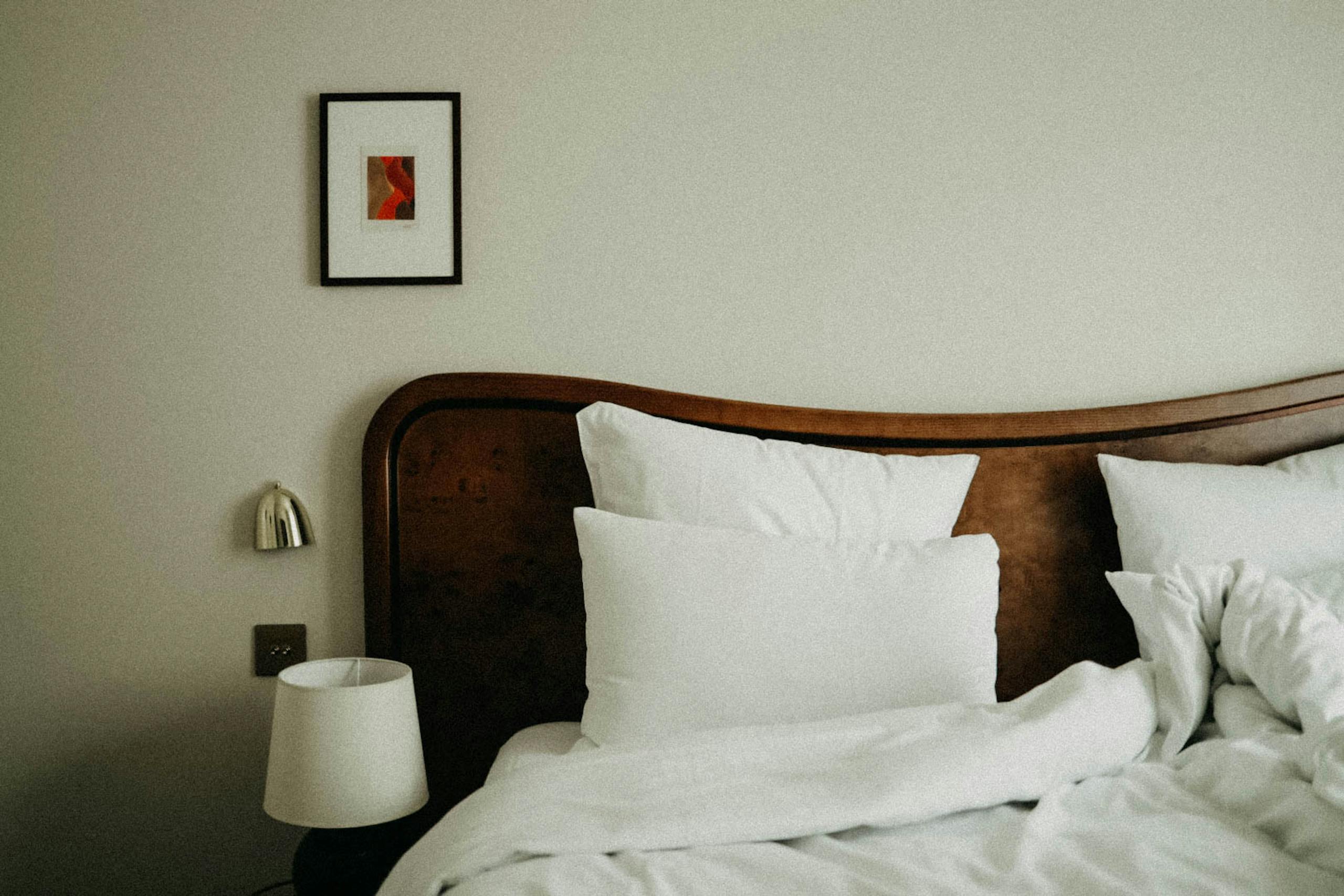
PlushBeds Botanical Bliss Review: Is Organic Latex Worth the Premium?
Transparency Notice: This article contains affiliate links. If you purchase through these links, LiveWorkSleep may earn a commission at no extra cost to you. This does not influence our editorial judgement. We only recommend products that meet our content standards, and we apply the same evidence-based approach to every review regardless of affiliate relationship.
The PlushBeds Botanical Bliss is an organic latex mattress built around a specific material philosophy: GOLS-certified Dunlop latex, GOTS-certified cotton and wool, no synthetic flame retardants. It shows up in nearly every “best organic mattress” list, and the certifications it carries are more substantive than most. Whether any of that translates into better sleep is the question worth actually answering.
My view on mattresses is fairly simple: they’re infrastructure. You don’t think about one when it’s right. You notice immediately when it’s wrong. Over roughly ten years of managing sleep badly and then managing it better, I’ve replaced my mattress four times. Each time I’ve spent more than I initially thought reasonable and been glad I did. I’ve always tested mattresses in person, which is a confusing experience, not unlike smelling perfumes in a department store: you end up overwhelmed and unsure what you actually preferred. The Botanical Bliss requires a different evaluation approach because it’s built around a material with specific, documentable properties, not just feel.
This review covers what those properties actually are, where the marketing claims hold up, where they don’t, and who this mattress is genuinely suited for.
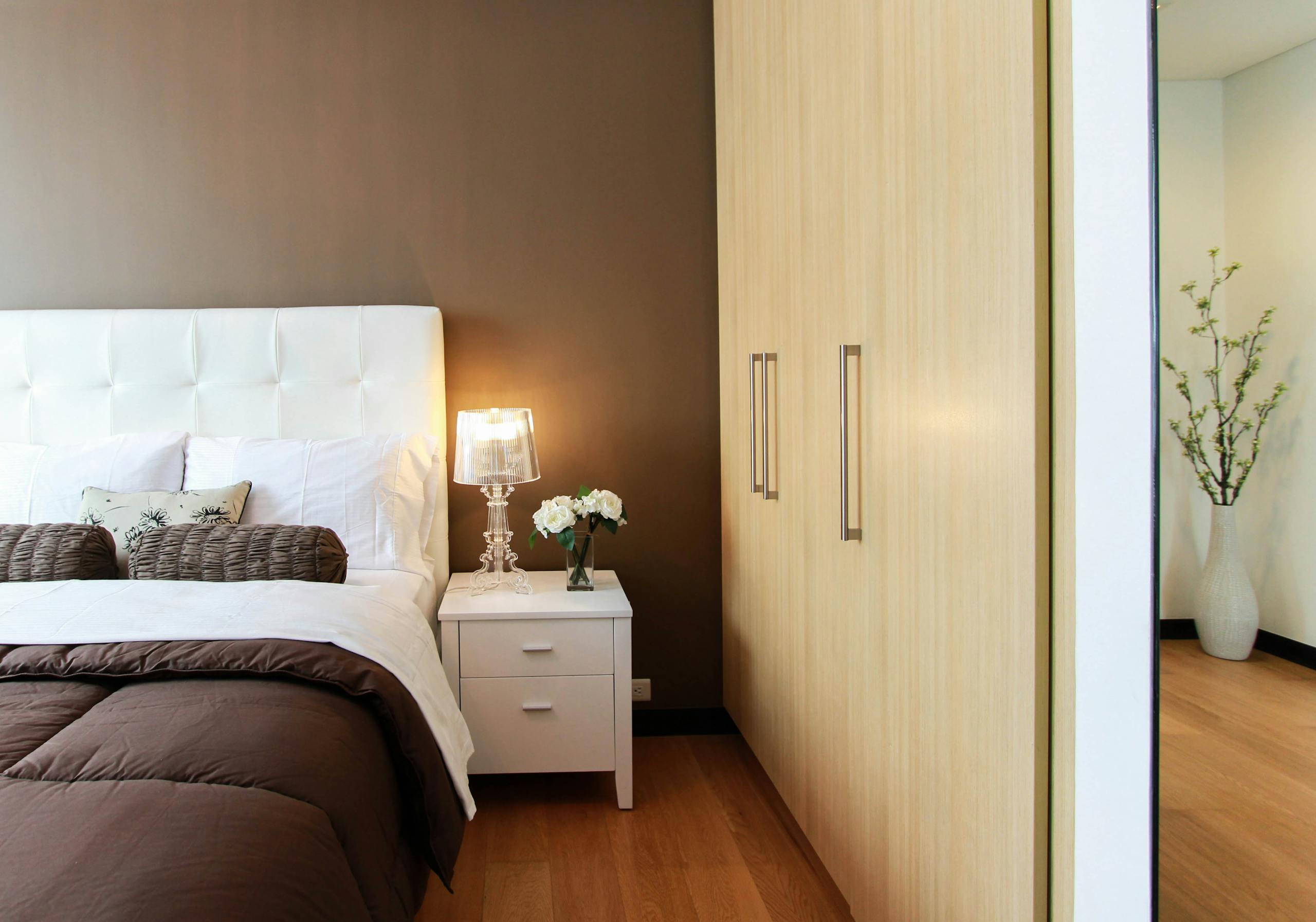
What Is the PlushBeds Botanical Bliss?
The Botanical Bliss is PlushBeds’ flagship mattress. The core is six inches of Dunlop latex sourced from Arpico, a Sri Lankan plantation certified to the Global Organic Latex Standard (GOLS). Sitting above the core is a natural latex comfort layer. The whole thing is enclosed in a GOTS-certified organic cotton cover with a British organic wool fire barrier; no synthetic flame retardants are used. It’s handcrafted in California.
Two firmness options are available. Medium suits the majority of buyers, particularly side sleepers, and medium-firm works better for back and stomach sleepers. The 10-inch queen is currently priced at $1,949. The trial period is 365 nights with a full refund, and the warranty is lifetime for manufacturing defects and structural issues.
The certifications are worth naming clearly: GOLS requires a minimum of 95% certified organic raw latex content and covers the full supply chain from plantation to retailer. GOTS governs the textiles. GreenGuard Gold sets chemical emission standards for enclosed spaces. These aren’t marketing badges; they’re administered by independent bodies with audit requirements. The GOLS standard is documented in full by Control Union, the certifying organisation.
Natural Latex vs. Memory Foam: What’s Actually Different?
Most mattresses at this price point are memory foam or pocket springs with a foam comfort layer. Latex is a genuinely different material, and the differences are measurable rather than just perceptible.
Memory foam is viscoelastic. It molds to your body shape slowly and releases slowly. The dense, closed-cell structure traps heat because air can’t move through it freely. I learned this the hard way during a heatwave a couple of summers ago. Our bedroom was hitting 26 or 27°C, and I tried a gel-infused foam topper as a first response. It felt cool when I first lay on it. Within 20 minutes it had warmed up entirely. The marketing says “cooling technology.” What that usually means is the foam retains heat slightly less badly than standard foam. Not the same thing.
Natural Dunlop latex has an open-cell structure. Air moves through it rather than pooling. Research published by the National Institutes of Health on thermal environment and sleep found that heat exposure significantly increases wakefulness and reduces deep sleep stages. A sleep surface that runs consistently warm is not a minor inconvenience; it’s an active disruption to sleep architecture.
Latex also responds faster than memory foam. Movement during the night is adjusted immediately rather than slowly. For anyone who shifts positions frequently, that’s relevant. And durability is meaningfully better: high-density natural latex typically lasts 15 to 20 years without significant softening, where memory foam usually degrades in 7 to 10.
How Does It Sleep? Temperature, Pressure, and Feel
I keep my bedroom at or below 20°C year-round and sleep considerably better in winter than in summer. Temperature is the environmental variable I’m most attuned to. What I can evaluate on the Botanical Bliss is the material science, the peer-reviewed evidence on latex performance, and the extensive user feedback accumulated across the trial period.
On temperature: the open-cell latex structure doesn’t replicate active cooling systems like water-circulating pads, but it removes the heat-trapping problem that makes foam surfaces uncomfortable. For most people who sleep warm, the difference is meaningful. For someone with severe heat sensitivity, a bed cooling system alongside the mattress may still be worth considering.
On pressure relief: a peer-reviewed biomechanical study comparing latex and polyurethane foam mattresses found that latex reduced peak body pressure by up to 35% compared to synthetic foam, with better pressure distribution across contact points. For a side sleeper, that matters most at the shoulder and the hip, which are the two areas that typically accumulate pressure during lateral sleep. I notice this in my own nights; a surface with poor shoulder pressure relief fragments my sleep without ever fully waking me, which is the kind of disruption that takes time to identify as the source of feeling unrested.
Research on spinal alignment in lateral sleep positions confirms that both too-soft and too-firm surfaces create measurable spinal deviation, and medium-firmness latex performs well for side sleeping specifically. The medium Botanical Bliss is positioned directly at that target.

One thing I’ll be direct about: I haven’t slept on this specific mattress. What I can assess is the material properties, the certifications, the clinical evidence on latex, and what a 365-night trial tells you that ten minutes in a showroom cannot. The trial exists because mattress assessment requires weeks of real sleep across different conditions. That’s a longer window than most competitors offer, and it’s the right one to use.
If you’re not ready to commit to a full mattress replacement, a latex topper is a reasonable intermediate option. Our Saatva graphite mattress topper review covers one of the stronger performers at a significantly lower price point.
The Certification Question: Do GOLS and GOTS Actually Matter?
Organic certifications vary enormously in what they actually mean, so scepticism is the right starting point.
GOLS is one of the more rigorous. The standard requires a minimum of 95% certified organic raw latex content and covers the full supply chain from rubber plantation to finished product. It’s independently audited. It’s not a label a company can apply to itself; a third party has to verify it. That’s a meaningful distinction from the vague “natural materials” language many mattress companies use.
The practical reason it matters: the EPA notes that VOC concentrations indoors can be up to ten times higher than outdoors, and synthetic mattresses are a documented source of off-gassing, particularly in the first months. You’re spending seven or eight hours per night breathing in whatever the mattress releases. An organic mattress won’t eliminate indoor air quality concerns entirely, but it removes one significant source. If you’re building a cleaner sleep environment more broadly, air purifiers designed for bedrooms are worth considering alongside mattress choice.
The organic wool fire barrier is the most practically significant feature here. Many conventional mattresses use synthetic flame retardants, some of which have documented health concerns. Replacing that with wool, which meets fire safety standards without synthetic chemistry, is a genuine material improvement, not just an aesthetic preference.

One honest caveat: certification compliance is only as good as the certifying body’s oversight. Control Union and GOTS are well-established, well-regarded organisations. This isn’t a situation where the certification is meaningless. But no certification system is entirely immune to gaps, and it’s worth knowing the difference between “certified by an independent body” and “certified by ourselves.”
Who Should Buy the Botanical Bliss, and Who Shouldn’t
This mattress makes sense for specific people. If you identify with most of these, it’s worth serious consideration.
Side sleepers who wake with shoulder or hip discomfort will find the medium firmness and latex pressure relief directly relevant to that problem. Hot sleepers who’ve tried gel-infused foam toppers and found them only partially effective will get more consistent performance from latex’s passive breathability. People with chemical sensitivities or concerns about off-gassing have a genuinely robust certification set here, not just marketing language. And anyone willing to treat a mattress as a long-term investment will find the durability argument compelling: a latex mattress that lasts 20 years works out differently in cost-per-night terms than a foam replacement every eight years. I’ve been conscious about my son’s sleep environment for years, making sure he has a good mattress alongside blackout blinds and no screens in the bedroom. Getting the sleep surface right early matters.
It’s not a good fit for everyone. Budget-focused buyers have better options at lower price points. People who love the slow-sink contouring feel of memory foam will find latex too responsive; it’s a genuine difference in how the material feels, not a failing of either. And anyone looking for sleep technology should look elsewhere. There’s no temperature regulation system, no sleep tracking, no app integration. If you want active temperature control alongside a premium mattress, our Eight Sleep Pod 4 review covers what that technology delivers and costs. If you want passive sleep data without a wearable, our guide to the best under-mattress sleep trackers covers options that sit beneath any mattress.

How It Compares to Other Organic Mattresses
The most direct competitor is the Avocado Green Mattress. Both use GOLS-certified latex, both are made in the US, and both sit in roughly the same price range. The key differences are construction and feel. Avocado uses a hybrid design with coils beneath the latex, which improves edge support and motion isolation for couples. PlushBeds is all-latex throughout, producing a more consistent feel across the entire sleep surface. Avocado also offers a pillow-top version for additional softness; the Botanical Bliss doesn’t.
Saatva’s Zenhaven is an all-latex alternative at a comparable price point. It’s dual-sided, with different firmness on each face, which gives you more flexibility to adjust over time without exchanging the mattress. The Botanical Bliss counters with the more straightforward organic certification stack and the longer 365-night trial.
What all three share: they’re premium-priced, organic, and targeted at a specific buyer who has decided that material quality and certifications are worth paying for. The differences are in construction details, and which matters depends on your specific priorities.
Pricing, Trial, and Warranty
The 10-inch queen in medium firmness is currently listed at $1,949, reduced from $2,949. PlushBeds runs sales regularly; the full list price is rarely what buyers pay. Firmness exchanges are free within the trial period if the initial choice doesn’t suit your sleep position.
The 365-night trial is genuinely longer than almost any competitor. Most premium mattress trials run 100 nights. A full year covers different seasons, which is directly relevant for temperature evaluation: a latex mattress in a January bedroom and the same mattress in a July heatwave are different experiences. That’s the data you need, and you don’t get it in 100 nights.
The lifetime warranty covers manufacturing defects and structural issues under normal use. Read the specific terms; “lifetime” warranty conditions vary between brands. The general principle is sound: PlushBeds is confident enough in the durability to back it for the life of the product.
A systematic review of 39 mattress studies published in the Journal of Orthopaedics and Traumatology found that medium-firm mattresses showed the most consistent benefits for sleep quality and pain reduction across the reviewed literature. The materials you sleep on are not a trivial factor. The price of a good mattress is not incidental to sleep quality; it’s closely related to it.
The Honest Verdict
The PlushBeds Botanical Bliss is a well-built organic latex mattress with credible certifications, strong material quality, and a trial period long enough to make a genuine assessment. The certifications are real. The material properties are documentable. The price is high, and it should be, given what’s in it.
It’s not for everyone. If you’re not a hot sleeper, not a side sleeper, not concerned about synthetic materials, and not willing to spend close to $2,000 on a mattress, there are better matches for your situation at lower price points. But if you’re looking for a clean, long-lasting sleep surface that performs well for the specific use cases it’s designed for, this is one of the more honest products in a category full of vague claims.
After years of testing sleep products with the kind of attention that comes from genuinely needing them to work, I’ve found that the most effective solutions are usually the ones that do one thing well rather than many things adequately. The Botanical Bliss does one thing: provides a chemically clean, temperature-passive, pressure-relieving sleep surface. It does that well. Whether that’s what you need is a question only you can answer, and the 365-night trial gives you enough time to find out properly.

Read more about building a sleep-optimised bedroom environment at the LiveWorkSleep Bedroom Environment Hub.
About the Author: Scott Hilliard
Scott Hilliard is a sleep improvement specialist and the author of LiveWorkSleep.com. He spent roughly a decade managing anxiety-driven insomnia before reaching a stable place through a combination of CBT techniques, professional support, and evidence-based environmental changes. He tests and reviews sleep products with the scepticism that comes from genuinely needing them to work, and writes about sleep the way a knowledgeable friend would: honest about limitations, clear about trade-offs, and free of marketing hype.
Transparency Notice
This article contains affiliate links. If you purchase through these links, LiveWorkSleep may earn a commission at no extra cost to you. This does not influence our editorial judgement. We only recommend products that meet our content standards, and we apply the same evidence-based approach to every review regardless of affiliate relationship.
Frequently Asked Questions
Is natural latex the same as synthetic latex?
No. Natural latex is derived from rubber tree sap (Hevea brasiliensis). Synthetic latex is petroleum-based. The GOLS certification on the Botanical Bliss applies specifically to natural latex, which has a different chemical profile, different off-gassing characteristics, and meaningfully better durability than synthetic alternatives.
How long does the PlushBeds Botanical Bliss last?
High-density Dunlop latex typically lasts 15 to 20 years without significant softening. PlushBeds backs this with a lifetime warranty for manufacturing defects and structural issues. Durability depends on proper use: a supportive base, no folding during transport or storage, and a mattress protector to guard against moisture.
Is the PlushBeds Botanical Bliss good for back pain?
Research consistently shows medium-firm mattresses provide the most benefit across sleep positions for back pain management. The Botanical Bliss in medium firmness fits within that profile. Back pain with a structural or medical cause needs a doctor’s assessment, not just a mattress change. A mattress can reduce contributing factors; it can’t diagnose or treat underlying conditions.
Does the PlushBeds Botanical Bliss sleep hot?
No, at least not compared to memory foam. Latex’s open-cell structure allows passive airflow that foam does not. It is not an actively temperature-regulated system like a water-circulating mattress pad. For moderate heat sensitivity, the latex construction is a genuine improvement over foam. For severe heat sensitivity, a bed cooling system used alongside the mattress may provide additional benefit.
What does GOLS certification actually mean?
GOLS stands for Global Organic Latex Standard, administered by independent certification body Control Union. It requires a minimum of 95% certified organic raw latex content and covers the full supply chain from rubber plantation to finished product. It includes auditing requirements for environmental and social conditions throughout that chain. It’s not self-certified; third-party verification is required for a producer to carry the label.
What’s the difference between Dunlop and Talalay latex?
Dunlop is the older process and produces denser, heavier latex that tends to be more durable and supportive. Talalay involves additional processing steps that result in a more consistent, slightly softer feel. PlushBeds uses Dunlop for the core layer, which is the standard choice for a support core, and natural latex for the comfort layer. Both types can achieve GOLS certification if produced from certified organic raw material.