LectroFan EVO vs LectroFan Classic: Which Should You Buy in 2026?
Affiliate Disclosure: As an Amazon Associate I earn from qualifying purchases. Some links on this page are affiliate links. If you buy through them we earn a small commission at no extra cost to you. Our recommendations are based on research into specifications, published evidence and product listings. Learn more.
The question is simple: the LectroFan EVO costs $10 to $15 more than the LectroFan Classic. Is it worth it?
Note: the LectroFan Classic reviewed here is no longer available on Amazon, so we have removed its purchase links. The current LectroFan EVO is linked below.
Both come from the same company, Adaptive Sound Technologies. Both generate sound electronically, meaning neither loops, and both produce true brown noise alongside a range of fan sounds and noise colours. The core technology is identical. What you’re deciding is whether the EVO’s expanded sound library justifies the price difference for your specific situation.
I’ve used both machines over several months. For most people, the Classic is the better buy. But there’s a specific group of sleepers for whom the EVO genuinely earns its premium, and identifying whether you’re in that group is worth doing before spending anything.
If you want the broader context — how these machines compare against other brands and what makes a good brown noise machine to begin with — the best brown noise machines guide covers the full landscape.
Quick verdict

LectroFan EVO
EVO vs Classic: At a Glance
|
LectroFan Classic (no longer available)
|
Best for variety
LectroFan EVO
|
|
|---|---|---|
| Sound count | 20 | 30+ |
| Fan sounds | 10 | 12 |
| Ambient sounds | No | Yes |
| App required | No | No |
| Sleep timer | Yes | Yes |
What’s actually different between the EVO and the Classic
The most honest summary: the differences are smaller than the marketing suggests, and larger than the price gap implies.
Sound count. The Classic offers 20 sounds: ten fan sounds and ten noise colours (white, pink, brown, and variations). The EVO offers 22 electronic sounds in the same categories, plus additional ambient sounds — birdsong, ocean, nature recordings — which bring the total to around 30 depending on the firmware version. The ambient sounds are the EVO’s only meaningful content upgrade over the Classic.
Price. The Classic typically runs around $55. The EVO typically runs around $66. Both prices fluctuate on Amazon; the gap is usually $10 to $15. The core question of this comparison comes down to whether you actually use ambient sounds.
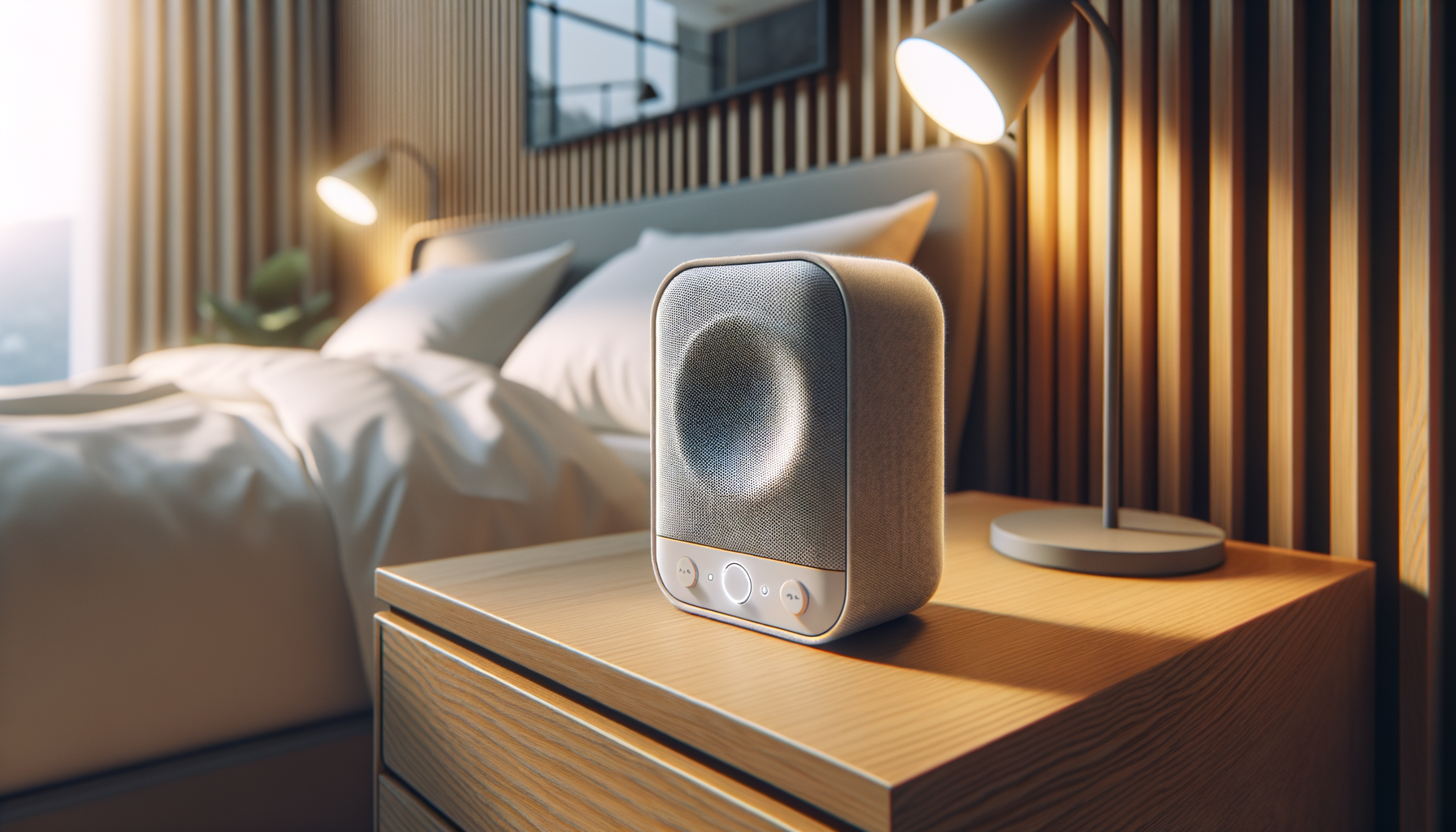
Form factor. Both are small, cylindrical desktop machines. The EVO is marginally taller and heavier, though not meaningfully so. Both have a volume dial on top, a power button, and a 3.5mm headphone jack. Both include a USB port for powering a phone or small lamp. The physical experience of using them is essentially identical.
Sleep timer. Both include a sleep timer with options ranging from 30 minutes to several hours, and both can run continuously without a timer. This is a feature the Yogasleep Dohm notably lacks, which is worth remembering if you’re considering alternatives.
Where the EVO and Classic are identical
Before spending time on the differences, it’s worth being clear about what’s the same — because the similarities explain why both machines appear in almost every list of recommended sound machines.
Electronic sound generation. Neither machine plays pre-recorded audio files. Both generate sound algorithmically in real time, which means neither loops. Cheaper machines play a short audio file on repeat, and the brain eventually detects the repeat point. The LectroFan architecture eliminates that problem entirely.
Build quality and volume control. Both have the same dial-based volume control with precise, step-free adjustment. You can set either machine to almost any level between near-silent and genuinely loud. This precision is one of the LectroFan line’s real advantages over machines with only a few preset volume steps. The plastic housing is solid and identical across both models.
No app required. Neither machine connects to a smartphone or requires any software. Sound selection and volume are controlled entirely via the physical dial on the unit. For most people, especially those trying to reduce screen time before bed, this simplicity is an advantage rather than a limitation.
Sound-by-sound breakdown
The practical difference between the EVO and Classic comes down to which sounds you actually use. Most people settle on one or two sounds and never change them.
Brown noise. Both machines produce brown noise that, to my ear, is identical. The lower-frequency emphasis, the depth, the way it masks external sounds — all of it is the same on both machines. If brown noise is your primary use case, the Classic is sufficient.
White and pink noise. Again, identical between the two machines. Both produce clean, non-looping white and pink noise at the same quality level. The machine you choose won’t affect the quality of the output in these categories.
Fan sounds. The Classic has ten fan sounds; the EVO has twelve. The additional two on the EVO are subtle variations on the fan-sound theme. Most people who prefer fan sounds find one they like and stay with it. The extra two options are unlikely to make a meaningful difference for most listeners.
Ambient sounds. This is where the EVO distinguishes itself. The ambient category — ocean, rain, birdsong, nature recordings — exists only on the EVO. If you or your partner sleep better with nature-based sounds than with white noise or fan noise, the EVO is the only machine of the two that covers that preference. This is the upgrade you’re paying for.
Who should buy the LectroFan Classic
The Classic is the right machine if you know you want reliable, high-quality sound at the lowest price point where quality doesn’t suffer.
Buy the Classic if you sleep alone and have a specific sound preference — brown noise, white noise, or a fan simulation — that you don’t expect to vary. Buy it if this is your first dedicated sound machine and you don’t know yet which sounds work for you. Buy it if you want to minimise the cost of testing whether a sound machine helps your sleep at all. At $55, the Classic is the easiest recommendation in the LectroFan line to make without qualification.
Who should buy the LectroFan EVO
The EVO earns its premium in two specific scenarios.
The first is shared rooms with mismatched sleep preferences. If you prefer fan noise and your partner prefers ocean sounds, the EVO lets you cycle between them without buying a second machine. The expanded sound library exists precisely for this situation, and for couples with genuinely different preferences, the extra $15 solves a real problem.
The second is genuine sound variety. Some people run different sounds on different nights — brown noise when anxious, a fan simulation when the room is warm, ocean sounds after a stressful day. If you know this describes you, the EVO’s wider catalogue is worth the cost.
If you’re buying the EVO because it sounds more advanced and you like having options, but you don’t have a specific use case for ambient sounds, save $15 and buy the Classic.
LectroFan EVO
Nightly testing notes
I tested both machines over several weeks, alternating between them on successive nights and using the same sound — brown noise — on both, to isolate the machine-level differences from the sound-level differences.
The short version: I couldn’t tell them apart when playing the same sound at the same volume. The brown noise output was, as far as my ear could determine, identical. Both remained consistent through the night with no audible gaps or looping artefacts.
Where I noticed a difference was in the ambient mode on the EVO. The ocean sound, which I tested for two weeks, produced a subtly different quality of sleep onset — slower to settle into, but with a lower level of the middle-of-the-night waking I tend to experience with anxiety-driven insomnia. I don’t know how much of that was the sound and how much was novelty. I wouldn’t recommend the EVO specifically for that experience without testing it yourself, but it was the one area where my experience actually diverged between the two machines.
For the majority of the testing period, the Classic was the machine I kept on the bedside table. The reason wasn’t performance — it was simplicity. Fewer settings to manage at 2am is genuinely useful when you’re half asleep.
What about the Hatch Restore 3?
A common question when comparing the EVO and Classic is whether to spend more and buy the Hatch Restore 3 instead. The Hatch Restore 3 is a different category of product — a multi-function sleep device combining sound machine, sunrise alarm, and sleep audio at about $170, more than double the price of the EVO.
If you want one bedside device to handle multiple functions, the Hatch is worth considering. If you want the best standalone sound machine at the lowest price that doesn’t compromise on quality, the Classic wins. The full breakdown of how the Hatch compares against the LectroFan line is in the best brown noise machines guide.

Hatch Restore 3
Frequently Asked Questions
Is the LectroFan EVO worth the extra money over the Classic?
For most single sleepers, no. The Classic delivers the core experience — non-looping electronic sound generation, brown noise, a clean volume dial, and a sleep timer — at roughly $10 to $15 less. The EVO becomes worth it if you genuinely cycle through multiple sound profiles, share a room with someone whose preference differs from yours, or want the ambient sound options. If you’re buying your first machine and aren’t sure, start with the Classic.
What’s the difference between fan sounds and white or brown noise on the LectroFan?
Fan sounds are modelled on different real-world fans — box fan, ceiling fan, industrial fan — and have a slight tonal character to them. Pure noise colours (white, pink, brown) are generated mathematically and are tonally flat across their respective frequency ranges. People tend to prefer fan sounds when they’re used to falling asleep with a real fan running, and noise colours when they want a more abstract acoustic blanket. Both are non-looping on the LectroFan, so neither will produce the audible repeat point that cheaper machines suffer from.
Do brown noise machines work for babies, or is there a different recommendation?
The same machines work, but the volume guidance is stricter. The American Academy of Pediatrics recommends keeping sound machines at least seven feet from a crib and at no more than 50 decibels. Brown noise is usually a gentler choice than white noise for infants because the lower frequency content is less stimulating. The LectroFan Classic’s fine volume control makes it easier to hit a safe nursery level than a machine with only a few volume steps.
Are the LectroFan EVO and Classic the same internally?
Largely yes. Both use the same electronic sound generation technology from Adaptive Sound Technologies. The core architecture — digital sound synthesis without looping, the same volume dial mechanism, the same sleep timer implementation — is shared across the line. The EVO’s additional sounds come from expanded software rather than meaningfully different hardware. Think of it as the same engine with a larger sound library installed.
Does either model have an app?
No. Neither the Classic nor the EVO connects to a smartphone or requires any software. Sound selection and volume are controlled entirely via the physical dial on the unit. The Hatch Restore 3 is a different kind of device, at a significantly higher price point.
Final recommendation
Buy the Classic if you’re a single sleeper who wants the most reliable sound machine at the lowest non-compromised price. Buy the EVO if you share a room with someone whose sound preferences differ from yours, or if you genuinely rotate between sound categories. For the majority of people reading this comparison, that means the Classic.
Quick Picks
What if a sound machine isn’t the actual answer?
Sound machines fix one specific problem: noise, or the silence that lets your brain fill in noise. If you’ve been running a LectroFan for weeks and you’re still not sleeping, the sound probably isn’t the bottleneck. A few honest questions before you spend more on audio: If your mind races at bedtime, the issue is upstream of sound — apigenin is a flavonoid found in chamomile that I started taking after years of fighting racing thoughts at 11pm, and it does more for me than any noise ever did. If you fall asleep fine but wake at 3am restless, that’s often a magnesium pattern, not a noise pattern — magnesium glycinate at the right dose is the cheapest experiment in sleep. If light is what’s actually waking you — streetlight through curtains, a partner’s screen, dawn in summer — no sound machine will help; a proper blackout mask will.
And if the problem is that your mind keeps narrating once the lights go out, sometimes the fix isn’t silencing it but giving it something calm to follow. A free 30-day Audible trial is a zero-cost way to test whether sleep stories or slow, unhurried audiobooks settle a racing mind better than noise does — it’s what I reach for on the nights brown noise can’t touch.
Quick Picks


For the broader comparison including the Yogasleep Dohm, Hatch Restore 3, and other options at different price points, see the best brown noise machines guide. For the full range of bedroom sound options, the White Noise Machines hub covers the complete landscape.