Hatch Rest+ Review: Is This All-in-One Sound Machine Worth the Premium Price?
Affiliate Disclosure: As an Amazon Associate I earn from qualifying purchases. Some links on this page are affiliate links. If you buy through them we earn a small commission at no extra cost to you. Our recommendations are based on research into specifications, published evidence and product listings. Learn more.
Quick Picks


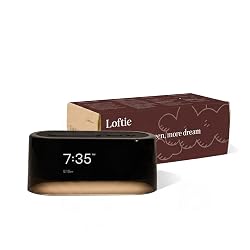
Note: the Hatch Rest+ (2nd gen) reviewed here is no longer sold new on Amazon, so there is no Amazon purchase link on this page.
The Hatch Rest+ promises to be the Swiss Army knife of nursery essentials: a white noise machine, nightlight, time-to-rise clock, and audio monitor all rolled into one app-controlled device. At $89.99, it commands a premium price compared to basic sound machines. But does this feature-packed unit deliver genuine value, or are you paying extra for bells and whistles your family will never use?
I approached this review with particular interest because sound management has been central to my own sleep journey. For over a decade, I have relied on earplugs as an absolute non-negotiable part of my sleep routine. The sensation of blocking out the world, creating that cocoon of quiet, genuinely helps me drift off. So when I started exploring sound machines for families, I understood the fundamental appeal: controlling your auditory environment transforms sleep quality.
After extensive testing and research, here is my honest assessment of the Hatch Rest+ 2nd Generation: who it serves well, where it falls short, and whether the investment makes sense for your household.
Shop on Amazon: Hatch Baby Sound Machine & Night Light →

What the Hatch Rest+ Actually Does
The Hatch Rest+ 2nd Generation combines several nursery products into a single cylindrical unit with an LED clock base. The core functions include a sound machine with over 18 audio options (white noise, ocean, rain, birds, wind, water, thunderstorm, dryer, heartbeat, and fan), a customizable nightlight with virtually unlimited color options, programmable sleep schedules, and a time-to-rise feature designed to teach toddlers when they can get out of bed.
What distinguishes the Rest+ from the standard Hatch Rest 2nd Gen is the 8-hour backup battery and charging base. This portability factor means you can move the device from room to room or maintain sleep routines during power outages. You also get Wi-Fi connectivity for remote control through the Hatch app, regardless of whether you are in the next room or across town.
The device works with the optional Hatch+ subscription ($49.99 per year or $4.99 monthly), which unlocks additional content including bedtime stories, lullabies, breathing exercises, and personalized recordings. The free tier provides access to basic sounds and light settings, which honestly covers most families’ needs.
Sound Quality and Effectiveness
The Hatch Rest+ produces solid sound quality across its audio library. The white noise is smooth without harsh frequencies, and the nature sounds loop seamlessly without jarring transitions. Testing with a decibel meter, the maximum output reached approximately 96 decibels at close range, though practical use rarely requires anything near that level.
Research from the Sleep Medicine journal supports what many parents discover intuitively: white noise can significantly improve sleep quality in noisy environments. The study from Weill Cornell Medicine found that white noise improved both subjective and objective sleep measurements, with benefits persisting even after the sound machine was removed.
This aligns with my own experience using white noise apps over the years. I have found them helpful in hotel rooms and unfamiliar environments, though I ultimately prefer the physical sensation of earplugs for my anxiety-driven sleep challenges. The lesson I have learned is that sound masking works genuinely well for environmental noise, but it is not a complete solution for sleep issues rooted in anxiety or racing thoughts.
The App Experience
The Hatch Sleep app deserves praise for its intuitive design. Setting up schedules, customizing light colors and brightness, and adjusting sound options happens through a clean interface that requires minimal learning curve. Connectivity through Wi-Fi proved reliable in testing, with the device responding promptly to app commands even from different rooms.
The scheduling feature stands out as genuinely useful. You can program different routines for weekdays versus weekends, set gradual light transitions for morning wake-ups, and create consistent bedtime cues that signal to children when sleep time approaches. If you are weighing options, our guide to the best white noise machines for 2025 compares app functionality across leading devices.
One frustration worth noting: you cannot modify a scheduled program while it is running. If bedtime is programmed for 7:30 PM and you need to push it back to 7:45 PM, the device will not respond to the change until the current program completes its cycle. This rigidity can be annoying for families whose routines shift unpredictably.
Safety Considerations for Babies
Any white noise device marketed for nursery use deserves scrutiny regarding infant safety. The American Academy of Pediatrics issued guidelines recommending that sound machines be placed at least 7 feet from an infant’s head and kept below 50 decibels. The AAP’s concerns stem from research suggesting that prolonged exposure to loud sounds may affect developing auditory systems.
The Hatch Rest+ offers granular volume control, making it straightforward to maintain safe levels. According to Healthline’s pediatric guidance, the key is using the lowest effective volume and positioning the device appropriately. The National Institute on Deafness and Other Communication Disorders notes that sounds at or below 70 decibels are unlikely to cause hearing loss, but prolonged exposure above 85 decibels can damage hearing. The Hatch app does not display actual decibel readings, which would be a helpful addition for parents wanting objective confirmation of safe levels.
When considering white noise for babies specifically, our comparison of the best white noise machines for babies covers safety features across multiple options. The Rest+ performs adequately here, though parents should verify appropriate volume levels using a smartphone decibel meter app.

The Time-to-Rise Feature
For families with toddlers, the time-to-rise function may be the most compelling reason to invest in the Rest+. The concept is simple: the light glows red when children should stay in bed and changes to green when they are allowed to get up. Over time, children learn to associate colors with expectations, reducing early morning wake-ups and parent negotiations.
Hatch recommends introducing this feature around age 2, though effectiveness varies by child. The programmable nature means you can gradually shift wake times as needed. Real-world feedback suggests this feature works remarkably well for some families while having minimal impact for others. If your child responds positively to visual cues and routine, the time-to-rise function alone may justify the purchase.
Having a son myself, I understand the appeal of anything that teaches children to self-regulate around sleep. The journey to healthy sleep habits is rarely linear, and tools that reinforce consistent expectations can make a meaningful difference. That said, no device replaces the fundamentals of routine and environmental optimization.
Hatch Rest+ vs. Hatch Rest 2nd Gen
The standard Hatch Rest 2nd Gen retails for approximately $69.99, making the Rest+ roughly $20 more expensive. The core functionality remains identical between both devices. The key differences in the Rest+ are the backup battery, charging base for portability, and Wi-Fi connectivity (versus Bluetooth-only on the standard Rest).
For families who want mobility or experience frequent power outages, the Rest+ earns its premium. If the device will remain plugged in on the nursery nightstand permanently, the standard Rest represents better value. Our detailed comparison of the Hatch Rest 2nd Gen versus Rest+ breaks down the decision factors more comprehensively.
Competition and Alternatives
The sound machine market offers numerous alternatives at varying price points. The SNOOZ White Noise Machine uses a real fan for natural sound at around $79.99, appealing to those who prefer mechanical noise over digital recordings. Basic budget options from HoMedics and Magicteam deliver functional white noise for under $25, though without app integration or nightlight features.
According to a systematic review in the Journal of Clinical Sleep Medicine, both white noise and pink noise show positive effects on sleep outcomes, with pink noise potentially offering slight advantages. The Sleep Foundation notes that white noise machines work by creating a consistent auditory environment that masks disruptive sounds. The Rest+ includes both options, giving users flexibility to experiment. For understanding the science behind these differences, our guide on white noise versus pink noise for sleep explores the research.
The Yogasleep Dohm Classic and LectroFan Evo compete effectively in the adult market but lack child-specific features like time-to-rise. If your primary need is sound masking for adult sleep, these alternatives may better suit your requirements and budget.

Honest Pros and Cons
What Works Well:
The all-in-one design genuinely reduces nursery clutter, replacing multiple devices with a single unit. Sound quality is consistently good across all audio options, and the app provides intuitive control without a steep learning curve. The 8-hour backup battery proves valuable during power outages and for portable nap routines. The customizable nightlight with dimmer functionality allows precise brightness control, and parents can select colors outside the blue spectrum that may interfere with melatonin production.
Where It Falls Short:
The subscription model for premium content feels unnecessary for a device at this price point. The clock display brightness cannot be adjusted independently and may be too bright for some nurseries. The $89.99 price is difficult to justify if you primarily need basic white noise. The device’s size makes it less travel-friendly than dedicated portable options like the Hatch Rest Go. Lastly, you cannot use it as a Bluetooth speaker for your own music library.
Who Should Buy the Hatch Rest+
The Hatch Rest+ makes sense for parents who want a comprehensive nursery device that grows with their child from infancy through early childhood. If you value app control, appreciate the time-to-rise feature for toddlers, and want battery backup for portability or power security, the Rest+ delivers genuine utility.
The investment feels less justified if your child is approaching the age where they would outgrow the time-to-rise feature, if you only need basic sound masking, or if your budget is constrained. In those scenarios, simpler alternatives provide adequate functionality at lower cost.
From my years of testing sleep products and managing my own anxiety-driven sleep challenges, I have learned that the most expensive solution is rarely the only solution. Sound machines help, but they work best as part of a broader approach that includes consistent routines, appropriate environment optimization, and realistic expectations. The Hatch Rest+ is a well-designed tool, but it remains just that: a tool, not a cure.

Final Verdict
The Hatch Rest+ 2nd Generation earns its reputation as a premium all-in-one nursery device. Sound quality is solid, app integration is seamless, and the combination of features genuinely reduces the need for multiple separate products. At $89.99, you are paying for convenience, design, and longevity rather than revolutionary technology.
My recommendation: If you are registering for baby essentials or seeking a long-term investment that handles multiple sleep-related functions, the Rest+ represents thoughtful value. If you already own a functional sound machine and nightlight, the upgrade is harder to justify unless the time-to-rise feature specifically appeals to your family’s needs.
Sleep challenges rarely have single-product solutions. What works is consistency, environment optimization, and gradually building healthy habits. The Hatch Rest+ supports that process effectively, but the work of good sleep remains fundamentally yours to do.
Frequently Asked Questions
Does the Hatch Rest+ require a subscription to work?
No. The core functions including sound machine, nightlight, scheduling, and time-to-rise work without any subscription. The Hatch+ subscription ($49.99 per year) unlocks additional content like bedtime stories and guided meditations, but most families find the free tier sufficient.
How loud does the Hatch Rest+ get?
The device can reach approximately 96 decibels at maximum volume, which exceeds safe levels for infants. For baby use, keep the volume well below maximum and place the device at least 7 feet from the crib, following AAP guidelines. Use a smartphone decibel meter app to verify levels below 50 decibels.
What is the difference between the Hatch Rest+ and Hatch Restore?
The Rest+ is designed for nurseries and children, featuring time-to-rise, child-safe design, and content focused on infant and toddler sleep. The Hatch Restore targets adults with features like sunrise alarm, meditation content, and a more sophisticated design aesthetic. They serve different audiences within the same product family.
Can I control multiple Hatch devices from one app?
Yes. The Hatch Sleep app supports multiple devices, making it convenient for families with more than one child or those who want devices in multiple rooms. Each device can maintain independent schedules and settings.
Read more articles on the White Noise Machines Hub.
Scott Hilliard is the founder of liveworksleep.com. After a decade of managing anxiety-driven insomnia, he shares evidence-based insights on sleep products and techniques that actually work. Scott tests products extensively and reports honestly on what helps, what does not, and what represents genuine value for families seeking better sleep.
Transparency
liveworksleep.com may earn affiliate commissions from purchases made through links in this article. This does not influence our reviews or recommendations. We prioritize honest, research-backed assessments to help you make informed decisions about sleep products. All opinions expressed are our own based on genuine product testing and evaluation.