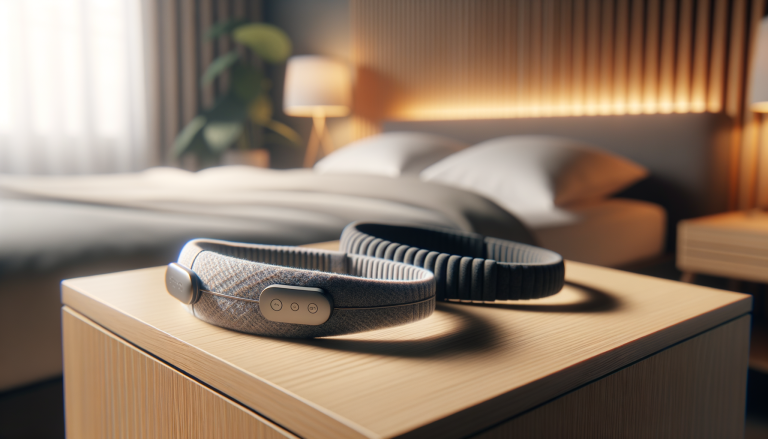
Best Sleep Tracker Overall 2026: Expert Analysis and Recommendations
Affiliate Disclosure: As an Amazon Associate I earn from qualifying purchases. Some links on this page are affiliate links. If you buy through them we earn a small commission at no extra cost to you. Our recommendations are based on research into specifications, published evidence and product listings. Learn more.
Quick Picks

Finding the right sleep tracker in 2025 means navigating a crowded marketplace filled with bold promises and competing technologies. After spending the better part of a decade testing sleep tracking devices alongside managing my own anxiety-driven insomnia, I’ve learned that the “best” tracker isn’t necessarily the one with the longest feature list or the flashiest marketing. Instead, the best sleep tracker is the one that provides accurate data you’ll actually use to improve your sleep, without creating additional anxiety about the numbers it generates.
The sleep tracking landscape has evolved dramatically in recent years. Wearable devices now employ sophisticated sensors combining accelerometry and photoplethysmography (PPG) to detect not just when you’re asleep, but which specific sleep stages you’re experiencing throughout the night. Research published in the journal Sensors found that leading consumer devices like the Oura Ring achieved 79 percent agreement with polysomnography in four-stage sleep classification, representing a substantial improvement over older actigraphy-only devices. This level of accuracy makes modern sleep trackers genuinely useful tools for understanding your sleep patterns, though they’re still not perfect substitutes for medical-grade sleep studies.

What Makes a Sleep Tracker “Best” in 2025
Product Comparison
Best Overall  Fitbit Charge 6 Check Price on Amazon | Best Ring  Amazfit Helio Ring Check Price on Amazon | Best Budget  Fitbit Inspire 3 Check Price on Amazon | |
|---|---|---|---|
| Form Factor | Band | Ring | Band |
| Battery Life | ~7 days | ~4 days | Check current spec on Amazon |
| Subscription | Free / $10 mo (optional) | None | 3-month Google Health Premium included |
| Platform | iOS & Android | iOS & Android | iOS & Android |
The fundamental question when evaluating sleep trackers isn’t which device tracks the most metrics, but which one provides actionable insights that genuinely improve your sleep quality. During my years of testing various devices, I’ve found that the best trackers share several critical characteristics beyond raw accuracy.
Shop on Amazon: Oura Ring 4 → | Fitbit Charge 6 → | Withings Sleep →
First and most important is sensor accuracy for sleep stage detection. Multiple validation studies published in 2024 have evaluated consumer sleep trackers against the gold standard of polysomnography. Research comparing multiple devices found that the most accurate trackers achieved sensitivity rates between 76 and 86 percent for detecting specific sleep stages, while less sophisticated devices struggled with deep sleep detection in particular. The difference matters because understanding your actual sleep architecture can reveal why you’re waking up feeling unrested despite logging adequate hours in bed.
Second is form factor and comfort for overnight wear. My experience with the WHOOP strap taught me that even highly accurate devices can fail if they’re uncomfortable enough to disrupt your sleep. The sensation of a band tightening on my wrist actually created anxiety about whether the device was collecting accurate data, which defeated the entire purpose of tracking. Ring-based trackers solved this problem for me personally, though wrist-worn devices work perfectly well for others who find rings uncomfortable.
Battery life represents the third critical factor. Devices requiring nightly charging create an unavoidable gap in your tracking data, while trackers lasting four to seven days enable continuous monitoring without interruption. This consistency matters more than it might seem initially, because many sleep patterns only become apparent when viewed over weeks rather than individual nights.
Understanding how different sleep stages contribute to overall health provides essential context for interpreting tracker data. According to research from Johns Hopkins Medicine, different sleep stages serve distinct physiological functions. Deep sleep, which typically accounts for about 20 percent of total sleep time in adults, is when tissue growth and repair take place, important hormones are released, and the immune system restores itself. REM sleep, making up roughly 25 percent of adult sleep, supports memory consolidation and emotional processing. Light sleep stages facilitate the transitions between these more restorative phases.

Top Sleep Tracking Technologies in 2025
Three primary categories of sleep tracking technology have emerged as the most accurate and reliable options available to consumers in 2025. Each category offers distinct advantages depending on your specific needs and preferences.
Ring-Based Sleep Trackers
Ring trackers represent the most discreet and comfortable option for many sleepers. Devices like the Oura Ring Gen3 pack sophisticated PPG sensors, accelerometers, and temperature sensors into a form factor small enough to wear comfortably throughout the night. The Oura in particular impressed me with how quickly I forgot I was wearing it, unlike wrist-worn devices that sometimes catch on bedding or feel restrictive.
Validation studies consistently rank ring trackers among the most accurate consumer devices available. A 2024 study published in Sensors found the Oura Ring demonstrated 76 to 79.5 percent sensitivity for different sleep stages, performing comparably or better than many wrist-worn alternatives. The ring format provides excellent signal quality for heart rate and heart rate variability measurements, likely because finger blood vessels sit closer to the skin surface than wrist vessels.
Battery life typically ranges from four to seven days depending on the specific model and feature usage. This extended battery life means you can track sleep continuously for nearly a week before needing to charge, capturing complete sleep patterns without data gaps. Temperature sensing adds another dimension to sleep tracking, helping identify potential illness or hormonal changes that might affect sleep quality.
The primary limitation is sizing. Rings must fit precisely to collect accurate data, and fingers can swell or shrink based on temperature, hydration, and activity level. Most manufacturers provide sizing kits to help find the optimal fit, but some users still struggle with comfort or accuracy when finger size fluctuates significantly.
Wrist-Worn Smart Watches and Fitness Trackers
Smart watches and fitness bands from manufacturers like Apple, Fitbit, and Garmin offer the most comprehensive feature sets beyond sleep tracking. These devices integrate sleep monitoring with activity tracking, heart rate monitoring, GPS navigation, and smartphone connectivity, making them appealing all-in-one solutions for health-conscious users.
Recent validation research shows the accuracy gap between premium wrist-worn devices and ring trackers has narrowed considerably. The Apple Watch Series 8 achieved sensitivity rates between 50 and 86 percent for different sleep stages when compared against polysomnography, while Fitbit devices ranged from 62 to 78 percent sensitivity. The wide range reflects differences in how these devices handle specific sleep stages, with some performing better at detecting light sleep while others excel at identifying REM periods.
Wrist placement creates both advantages and challenges for sleep tracking. The larger form factor accommodates bigger batteries and more sophisticated sensors, but some sleepers find watches uncomfortable for overnight wear. The devices also tend to require more frequent charging, typically daily or every few days depending on feature usage and screen-on time.
For those already invested in a particular ecosystem like Apple or Fitbit, choosing a wrist-worn tracker makes sense for seamless integration with existing apps and services. The additional features beyond sleep tracking provide excellent value, assuming you’ll actually use the fitness and health monitoring capabilities throughout the day.
Under-Mattress and Non-Wearable Systems
Non-wearable sleep trackers solve the comfort problem entirely by eliminating the need to wear any device to bed. Systems like the Withings Sleep Tracking Mat sit under your mattress and use ballistocardiography to detect movement, breathing patterns, and heart rate through mattress compression and expansion.
These devices appeal to anyone who finds wearables uncomfortable or who forgets to charge devices regularly. They require no daily maintenance beyond keeping them plugged into power, and they work automatically whenever you lie in bed. Some models even integrate with smart home systems to adjust bedroom temperature or lighting based on detected sleep stages.
The accuracy trade-off is significant, however. Under-mattress systems typically provide reliable total sleep time and basic movement detection but struggle with precise sleep stage classification compared to wearable devices. They work well for understanding overall sleep duration and consistency but provide less detailed insight into sleep architecture. For couples sharing a bed, some systems can distinguish between two sleepers while others cannot, limiting their usefulness for partnerships.
If you’re trying to decide between wearable and non-wearable tracking options, our guide on wearable vs non-wearable sleep trackers provides detailed comparisons of the technologies and their respective strengths.
How Sleep Trackers Handle Accuracy and Validation
Understanding the limitations of consumer sleep trackers is as important as appreciating their capabilities. No consumer device currently matches the accuracy of laboratory polysomnography, which simultaneously measures brain waves, eye movements, muscle activity, heart rhythm, breathing, and blood oxygen levels. What modern trackers can do, however, is provide reasonably accurate approximations of sleep stages good enough for trend analysis and pattern recognition.
The gold standard for measuring sleep remains polysomnography, typically conducted in specialized sleep laboratories under controlled conditions. This comprehensive test involves dozens of sensors attached to the scalp, face, chest, and limbs, monitored and scored by trained sleep technicians following standardized protocols. Research published in Nature Digital Medicine emphasizes that even human scorers only achieve about 80 to 83 percent agreement when independently scoring the same polysomnography data, providing useful context for evaluating consumer device accuracy.
Consumer sleep trackers use different sensor combinations and algorithms to estimate sleep stages based on detectable physiological signals. Most rely primarily on movement detection through accelerometers, supplemented by heart rate monitoring via PPG sensors. Some advanced models add skin temperature sensing and heart rate variability analysis to improve accuracy. The algorithms processing these signals have improved dramatically through machine learning techniques trained on large datasets of polysomnography-validated sleep recordings.
During my testing of various devices, I learned to focus on relative trends rather than absolute numbers. When the WHOOP showed I got 23 percent deep sleep one night versus 26 percent another night, I realized obsessing over single-night variations was creating more anxiety than the tracking was worth. The breakthrough came when I learned to accept that some nights just won’t be perfect, and the tracker’s job is showing patterns over time rather than providing perfect precision on any individual night. For more on this acceptance-based approach, see our guide on managing sleep with anxiety.
Validation studies published in peer-reviewed journals provide the most reliable assessment of tracker accuracy. Look for studies comparing devices directly against polysomnography using epoch-by-epoch analysis, where researchers compare sleep stage determinations in 30-second intervals throughout the night. Studies reporting only correlation coefficients or overall sleep time agreement without stage-by-stage validation provide less useful information about actual accuracy.
Beyond Sleep Stages: Additional Metrics That Matter
While sleep stage detection receives the most attention in marketing and reviews, several other metrics tracked by modern devices provide valuable health insights worth considering when choosing a tracker.
Heart rate variability (HRV) measures the variation in time between consecutive heartbeats and serves as an important indicator of recovery and overall autonomic nervous system function. Higher HRV generally indicates better cardiovascular fitness and recovery status, while declining HRV can signal overtraining, illness, or excessive stress. Several devices including the Oura Ring and WHOOP make HRV tracking a central feature, providing daily readiness scores based partially on overnight HRV measurements.
Respiratory rate tracking monitors breathing frequency during sleep, typically measuring breaths per minute. Unusual changes in respiratory rate can indicate developing illness, sleep apnea symptoms, or other health concerns. Some devices like the Oura Ring provide respiratory rate as a standard metric, while others require manual activation of specific monitoring modes.
Blood oxygen saturation (SpO2) monitoring has become increasingly common in sleep trackers, particularly following increased health awareness from recent global events. Overnight SpO2 dips can indicate sleep apnea or other breathing disorders, though consumer-grade trackers generally lack the accuracy and FDA clearance for diagnostic purposes. They can, however, provide useful screening information suggesting when to consult a sleep medicine specialist for formal evaluation.
Sleep environment factors including bedroom temperature and ambient light exposure affect sleep quality but are typically not tracked by wearable devices themselves. Some smart home integration allows trackers to record environmental data from connected sensors, providing additional context for understanding sleep pattern variations. The correlation between bedroom conditions and sleep quality often reveals actionable improvements like adjusting thermostat settings or improving blackout curtains.
For detailed comparisons of how different brands implement these features, check out our head-to-head analyses including Oura Ring vs WHOOP vs Apple Watch and Fitbit vs Apple Watch for sleep tracking.

Practical Considerations: Comfort, Battery Life, and Ecosystem
Technical specifications and accuracy percentages matter less than they might seem if a device is uncomfortable enough that you stop wearing it regularly. Consistent tracking over weeks and months reveals patterns that individual nights cannot, making long-term compliance the most critical factor for getting value from any sleep tracker.
Device comfort varies dramatically between individuals based on personal preferences and sleep positions. Side sleepers often find wrist-worn devices uncomfortable when the watch face presses into their pillow or mattress, while back sleepers rarely report similar issues. Ring trackers avoid this problem entirely but introduce different concerns about finger swelling during sleep or exercise. Some users find themselves unconsciously removing uncomfortable devices during the night, creating data gaps without realizing it until reviewing morning summaries.
Battery life determines how often you’ll need to remove the device for charging, creating potential gaps in your tracking data. Devices requiring daily charging force you to choose a consistent charging time that doesn’t interfere with tracking. Many users charge during morning routines, but this prevents daytime sleep tracking for shift workers or nappers. Devices lasting four to seven days on a charge reduce this burden significantly, allowing more flexible charging schedules that maintain continuous data collection.
Ecosystem integration affects how easily you can access and interpret your sleep data alongside other health metrics. Apple Watch users benefit from tight integration with iPhone Health app and other Apple services, while Fitbit devices sync seamlessly with the extensive Fitbit app ecosystem. Standalone devices like the Oura Ring maintain platform independence, working equally well with iOS and Android devices, but offer fewer integration options with third-party apps and services.
Subscription requirements have become increasingly common among premium sleep trackers. Oura Ring requires a monthly membership fee to access detailed sleep analysis beyond basic metrics. WHOOP operates entirely on a subscription model with no upfront hardware cost. Apple Watch and Fitbit currently include full features with hardware purchase but may introduce subscription tiers for advanced features in future generations. Consider these ongoing costs when calculating total ownership expenses beyond initial purchase price.
Data privacy and security deserve consideration when choosing devices that continuously monitor and upload health information. Review each manufacturer’s privacy policy to understand how your sleep data is stored, processed, and potentially shared. European manufacturers typically must comply with stricter GDPR regulations, while US companies face fewer legal requirements regarding health data protection for non-medical devices. Some trackers allow complete data export, enabling you to maintain local copies independent of manufacturer cloud services.
Making Your Choice: Which Tracker Fits Your Needs
Selecting the best sleep tracker for your specific situation requires weighing multiple factors against your personal priorities and circumstances. Rather than searching for a universally “best” device, identify which compromises you’re willing to make and which features provide the most value for your sleep improvement goals.
Start by clarifying your primary motivation for tracking sleep. If you’re managing diagnosed sleep disorders or serious health conditions, discuss tracker selection with your healthcare provider, who can recommend devices with appropriate accuracy for clinical monitoring. For general sleep optimization and pattern recognition, consumer-grade trackers provide sufficient accuracy without medical device expense.
Consider your existing technology ecosystem. Users deeply invested in Apple products will find Apple Watch integration remarkably convenient, while Android users might prefer Fitbit or Garmin alternatives. If you want maximum platform flexibility, ring-based trackers like Oura work equally well across operating systems and require minimal app complexity.
Evaluate your budget including both upfront costs and ongoing subscription fees. Entry-level Fitbit trackers start around $100, while premium options like Oura Ring or Apple Watch Ultra exceed $300 before adding membership costs. Calculate three-year total cost of ownership including required subscriptions to understand long-term financial commitment beyond initial purchase price. If affordability is your priority, see our guide to the best budget sleep tracker options under $150.
Think realistically about which metrics you’ll actually use regularly. Devices tracking dozens of health markers might seem impressive initially, but most users focus on a handful of core metrics after the novelty period ends. My weighted blanket, for instance, proved far more valuable for improving my actual sleep quality than any tracker, despite being much less technologically sophisticated. Sometimes the simplest solutions work best.
Test comfort during your return period if possible. Most manufacturers and retailers allow 30-day returns, providing an opportunity to evaluate overnight comfort and data reliability before committing long-term. Pay attention to how often you find yourself removing the device during the night or forgetting to wear it regularly, as these behaviors indicate poor fit for your needs regardless of technical specifications.
For more specific device comparisons, explore our detailed reviews comparing leading options including Oura Ring vs Apple Watch for sleep and WHOOP vs Garmin for sleep tracking.

The Bigger Picture: Using Tracker Data to Improve Sleep
Accurate sleep tracking data only provides value if you actually use it to implement meaningful improvements in your sleep habits and environment. The most sophisticated tracker in the world won’t help if you ignore its insights or become paralyzed by analysis rather than taking action.
Focus on identifying patterns across multiple nights rather than obsessing over single-night variations. Sleep quality naturally fluctuates based on stress, diet, exercise, and countless other factors. Look for trends over weeks showing which behaviors correlate with better or worse sleep, then experiment with small changes to test hypotheses about what affects your sleep quality.
One of the most valuable lessons I learned from years of tracking was to avoid letting the data create additional anxiety. Getting upset about not sleeping is like getting upset that it’s raining outside. It’s pointless. There’s just no point. The tracker should inform improvements, not become another source of stress. If you find yourself lying awake worrying about tomorrow’s readiness score or deep sleep percentage, you’ve missed the entire point of tracking.
Common actionable insights from sleep tracker data include identifying optimal bedtimes and wake times for your personal circadian rhythm, recognizing how caffeine cutoff times affect sleep latency, understanding alcohol’s impact on REM sleep and sleep fragmentation, and discovering environmental factors like bedroom temperature that significantly influence your sleep architecture. These practical discoveries provide concrete improvement opportunities worth far more than knowing your precise sleep stage percentages.
Remember that sleep trackers measure sleep; they don’t improve it directly. The actual improvements come from behavioral changes, environmental modifications, and sometimes professional medical intervention when sleep disorders require treatment. Use tracker data as a diagnostic tool revealing which changes work for your unique situation, not as an end in itself.
Conclusion
The best sleep tracker in 2025 is the one you’ll actually wear consistently while using its data to implement meaningful improvements in your sleep habits. For most users, this means choosing between ring-based trackers offering maximum comfort and accuracy, wrist-worn smart watches providing comprehensive health monitoring beyond sleep, or non-wearable systems eliminating device comfort concerns entirely.
Ring trackers like the Oura Ring Gen3 currently lead in sleep stage accuracy while offering superior comfort for overnight wear. Smart watches from Apple, Fitbit, and Garmin provide excellent all-around health tracking with good sleep monitoring for users wanting single-device convenience. Under-mattress systems work well for basic sleep duration and consistency tracking without requiring any wearable device.
Regardless of which technology you choose, remember that the tracker is a tool for understanding your sleep patterns, not an end in itself. Focus on identifying actionable patterns across multiple nights, implement small changes based on what the data reveals, and maintain perspective about individual night-to-night variations. The goal isn’t perfect sleep tracking; it’s better sleep quality. Sometimes that means ignoring the numbers and trusting how you actually feel.
Frequently Asked Questions
What is the most accurate sleep tracker in 2026?
In validation studies against polysomnography, ring-based trackers lead — the Oura Ring showed roughly 76–79.5% sensitivity across sleep stages, performing comparably to or better than most wrist-worn devices while offering the most comfortable overnight wear. That said, the “best” tracker is ultimately the one you’ll wear consistently, since reliable patterns only emerge over weeks of continuous data rather than any single night.
How accurate is the Apple Watch for sleep tracking?
The Apple Watch Series 8 achieved sensitivity rates between 50% and 86% across different sleep stages when compared against polysomnography — a wide range reflecting that it handles some stages (like light sleep) better than others. That’s competitive with other premium wrist-worn devices (Fitbit ranged 62–78%), and the gap between good smartwatches and ring trackers has narrowed considerably. For context, even trained human technicians only agree about 80–83% of the time when scoring the same lab data.
Do sleep trackers require a subscription?
It varies. Oura Ring requires a monthly membership to unlock detailed sleep analysis beyond basic metrics, and WHOOP runs entirely on a subscription with no upfront hardware cost. Apple Watch and Fitbit currently include full sleep features with the hardware purchase, though they may add subscription tiers in future generations. When comparing options, calculate the three-year total cost including any required membership, not just the sticker price.
Are rings or smartwatches better for sleep tracking?
Rings like the Oura tend to win on comfort and sleep-stage accuracy — finger blood vessels sit closer to the skin, giving cleaner heart-rate signals, and many people forget they’re wearing one. Smartwatches from Apple, Fitbit, and Garmin offer comprehensive all-day health and fitness tracking in one device and integrate tightly with their ecosystems, but some sleepers find them bulky overnight and they usually need more frequent charging. The right choice depends on comfort, your existing ecosystem, and whether you want daytime features too.
Can a sleep tracker replace a medical sleep study?
No. No consumer device matches lab polysomnography, which simultaneously measures brain waves, eye movement, muscle activity, heart rhythm, breathing, and blood oxygen, scored by trained technicians. Consumer trackers give reasonably accurate approximations useful for spotting trends and patterns over time, and some SpO2 features can flag when to consult a specialist — but they aren’t diagnostic. If you suspect a sleep disorder, see a healthcare professional.
Read more articles on the Comparisons Hub.
Author: Scott Hilliard
Scott is a sleep health writer who has managed anxiety-driven insomnia for over 10 years. His articles combine personal experience with evidence-based research to help readers improve their sleep quality. When not writing, he enjoys reading fiction, taking morning walks, and testing the latest sleep technology.
Transparency: This article may contain affiliate links. If you purchase through these links, we may earn a commission at no additional cost to you, which helps support our content creation.
Medical Disclaimer: The content in this article is for informational purposes only and is not intended to diagnose, treat, cure, or prevent any condition. Always consult with a healthcare professional before making changes to your sleep routine or if you suspect you have a sleep disorder.