Eight Sleep vs ChiliSleep: Which Bed Cooling System Is Worth Your Money?
Affiliate Disclosure: As an Amazon Associate I earn from qualifying purchases. Some links on this page are affiliate links. If you buy through them we earn a small commission at no extra cost to you. Our recommendations are based on research into specifications, published evidence and product listings. Learn more.
Quick Picks


Temperature plays a bigger role in sleep quality than most people realize. When I started managing my anxiety-driven insomnia about 10 years ago, I thought the solution was better sleep hygiene or meditation. Those things helped, but nothing compared to getting my bedroom temperature right. Too warm, and I’d wake up at 3am in a sweat. Too cool, and my partner would be miserable. That experience taught me that controlling your sleep environment isn’t a luxury, it’s essential for consistent rest.
Enter bed cooling systems. Eight Sleep and ChiliSleep are the two heavyweights in this space, and they take fundamentally different approaches to the same problem. Eight Sleep positions itself as a premium, AI-powered sleep optimization platform with built-in tracking and a monthly subscription. ChiliSleep offers powerful temperature control without the extra tech or recurring fees. Both systems cool your mattress using water circulation, but the experience, cost, and features differ significantly.
After researching both extensively, testing competitor products, and understanding what actually matters for sleep quality, I can break down exactly what each system does well and where they fall short. This isn’t about which is “better” overall. It’s about which fits your specific situation, budget, and sleep priorities.
Shop on Amazon: Sleepme Chilipad Cube → | BedJet 3 →
Note: the Dock Pro reviewed in this comparison is no longer available on Amazon. The link above goes to the Sleepme Chilipad Cube, a water-based bed cooling system from Sleepme that is currently available. Its specs and price differ from the Dock Pro figures below.

Why Temperature Matters for Sleep Quality
Your core body temperature naturally drops by about 1-2 degrees Fahrenheit as you prepare for sleep. Research published in Bioengineering shows that sleeping at cooler temperatures during the first half of the night increased deep sleep by 14 minutes in men and REM sleep by 9 minutes in women. This isn’t just about comfort. Temperature directly affects which sleep stages you access and how long you stay in them.
The challenge is maintaining that optimal range throughout the night. Studies from the National Institutes of Health demonstrate that sleep was most efficient when nighttime ambient temperature ranged between 20-25°C (68-77°F), with a 5-10% drop in sleep efficiency when temperatures increased from 25°C to 30°C. Your bedroom temperature, mattress materials, bedding, and your partner’s preferences all complicate this equation.
I keep my bedroom around 20°C year-round because warmer temperatures guarantee I’ll wake up. My partner prefers it slightly warmer, which created the classic thermostat war until we addressed it with different bedding strategies. Bed cooling systems solve this by actively regulating the temperature at the mattress surface, independent of room temperature. The water-based approach both systems use provides consistent, powerful cooling that passive materials like gel or copper simply cannot match.
Eight Sleep Pod 4: The Smart Ecosystem Approach
Eight Sleep sells itself as more than a cooling system. It’s a sleep optimization platform. The Pod 4 combines active temperature control with clinical-grade sleep tracking, automatic adjustments based on your sleep stages, and integration with other health metrics. The cover fits over your existing mattress, connects to a hub unit that sits beside your bed, and links to a smartphone app for control and data visualization.
Temperature range runs from 55°F to 110°F across three programmable phases throughout the night. The system uses WiFi connectivity, allowing you to adjust settings remotely or set schedules that automatically shift temperatures as you move through different sleep stages. Dual-zone control means each side of the bed operates independently, addressing the partner temperature mismatch problem.
The Pod 4 tracks heart rate, heart rate variability, respiratory rate, and sleep stages with what Eight Sleep claims is 99% accuracy when tested against gold standards. This data feeds into their Autopilot system, which uses machine learning to automatically adjust temperatures based on your patterns. The vibration and thermal alarm feature wakes you during light sleep by gradually warming your side of the bed and adding gentle vibrations at chest level.

The Pod 4 Ultra adds an adjustable base that elevates your head when snoring is detected. According to Eight Sleep’s studies, this automatic elevation reduces snoring by up to 45%. The base also provides custom elevation settings for reading, relaxing, or zero-gravity positioning for back pressure relief. An integrated speaker plays soundscapes to help you fall asleep or mask ambient noise.
Noise level sits at approximately 30 decibels, comparable to most air purifiers. The Pod 4 runs 40% quieter than the previous Pod 3 generation, with improved airflow design that maintains cooling performance while reducing operational sound. The cover uses a 20% thinner profile with contouring materials designed to preserve your mattress’s original feel.
Pricing starts at $2,649 for a queen-size Pod 4, ranging up to $2,849 for a California king. The Pod 4 Ultra with the adjustable base starts at $4,049 for a queen. Those are the hardware costs. Eight Sleep requires an Autopilot subscription for the first 12 months, starting at $17/month ($199 annually) for the Standard plan. The Enhanced plan costs $25/month ($299 annually) and includes a 5-year warranty instead of the standard 2-year coverage. The Elite plan runs $33/month ($399 annually) and adds Health Check features for advanced cardiovascular and respiratory monitoring.
I’m always skeptical when a product requires an ongoing subscription to function properly. With Eight Sleep, the subscription gates access to automatic temperature adjustments, sleep reports, and the alarm features. You technically can use the Pod without subscribing, but you lose most of what makes it distinctive. That’s a meaningful consideration when you’re already spending thousands on hardware.
ChiliSleep Dock Pro: The No-Subscription Alternative
ChiliSleep takes a different philosophical approach. The Dock Pro focuses exclusively on temperature control without requiring any subscription or attempting to track your sleep. You get a water-powered cooling and heating system with app controls, programmable schedules, and physical buttons on the control unit. No monthly fees, no paywalls, no locked features.
Temperature range extends from 55°F to 115°F, giving you a slightly wider heating range than Eight Sleep. The Dock Pro delivers 95W of cooling power, nearly double the 52W of their previous Ooler system. This increased power means faster cooling times and the ability to maintain lower temperatures even in warm, humid environments. Research comparing the systems shows the Dock Pro can get significantly colder than competitors when ambient conditions aren’t ideal.
The ChiliPad Pro mattress topper uses a hydro-membrane design instead of tubes, creating 5x more thermal contact with your body compared to older ChiliPad versions. The tubeless construction makes it more comfortable and eliminates the “sleeping on a garden hose” sensation some people report with water-tube systems. The pad is machine washable and dryer safe, making maintenance straightforward.
Control happens through the free sleepme app (iOS and Android) or physical buttons on the Dock Pro unit itself. You can pre-schedule temperature adjustments throughout the night, set different temperatures for weekdays versus weekends, and create custom programs for specific needs. The Warm Awake feature gradually raises temperature in the morning to trigger your body’s natural wake response, replacing jarring alarm sounds.
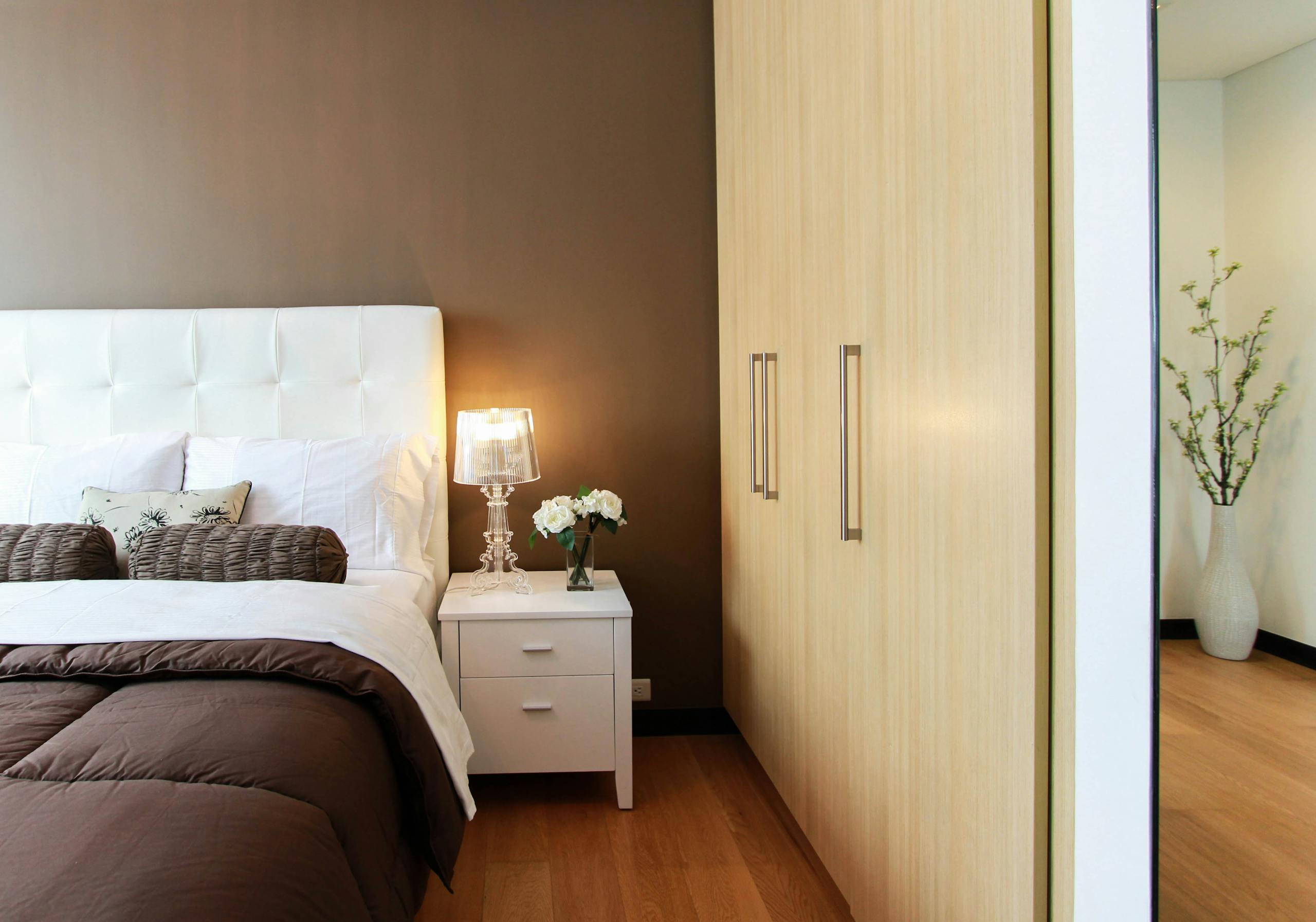
Noise operates at 41-46 decibels, noticeably louder than the Eight Sleep Pod but quieter than the Ooler system it replaced. The sound is consistent across all temperature settings, described by most users as similar to a high-end computer fan. Some people find it fades into background white noise. Others, particularly light sleepers, report it takes adjustment.
The Dock Pro comes in single-zone (ME) and dual-zone (WE) configurations. A half-queen ME system starts at $1,104 (on sale from $1,299), while a full queen WE system runs $1,999. King sizes cost $1,274 for ME and $2,294 for WE configurations. ChiliSleep removed their optional sleep tracking subscription in May 2025, meaning you now get all core temperature control features with no recurring costs.
The unit dimensions are 15″W x 12″L x 6.25″H, designed to fit under most bed frames with at least 6.5 inches of clearance. You can also place it on a nightstand or shelf. The 600ml reservoir requires periodic refilling, and ChiliSleep recommends using their system cleaner monthly to prevent buildup and maintain performance.
Head-to-Head Comparison: Features and Performance
Both systems cool your mattress using circulated water, but they differ meaningfully in implementation. Eight Sleep embeds the water channels directly into their mattress cover, creating a thinner profile that preserves your mattress feel better than toppers. ChiliSleep’s pad adds approximately 1 inch of height and some firmness, which matters if you’ve invested in a premium mattress or prefer softer sleeping surfaces.
Temperature control responsiveness favors Eight Sleep. The Autopilot system detects when you’re in bed and adjusts temperatures automatically as you move through sleep stages. ChiliSleep requires you to set schedules manually or adjust temperatures through the app. This isn’t necessarily worse, it’s just less automated. Some people prefer having complete manual control rather than trusting an algorithm.
Cooling power comparisons show ChiliSleep’s 95W system can reach lower absolute temperatures faster, particularly in challenging environments. Eight Sleep’s lower wattage works fine for most situations, but extreme hot sleepers or those in consistently warm climates might benefit from ChiliSleep’s extra power. Both systems handle dual-zone control effectively, though Eight Sleep’s app interface provides more granular temperature adjustments per side.
Sleep tracking represents the largest feature gap. Eight Sleep provides comprehensive health metrics including HRV trends, respiratory analysis, and sleep stage breakdowns. The data integrates with Apple Health, Google Fit, and other platforms. ChiliSleep provides nothing in this category anymore. If tracking matters to you, Eight Sleep wins by default. If you’re skeptical of sleep trackers like I am after my WHOOP experience, ChiliSleep’s simplicity might actually be preferable.
Maintenance requirements differ slightly. Eight Sleep’s cover can be spot-cleaned but not machine washed, and the system runs a self-cleaning cycle weekly. ChiliSleep’s pad is fully machine washable, but you need to manually clean the reservoir monthly and run descaling solution through the system quarterly. Neither approach is particularly burdensome, but they require different types of attention.
Noise becomes a decision factor for light sleepers. The 11-16 decibel difference between systems is noticeable. If you wake easily or your partner is sensitive to ambient sound, Eight Sleep’s quieter operation matters. If you already run white noise or fans, ChiliSleep’s sound level might not register as problematic. I use earplugs religiously, so operational noise wouldn’t affect my decision, but everyone’s threshold differs.
The Subscription Cost Analysis
The subscription requirement fundamentally changes Eight Sleep’s value proposition. Here’s the total cost over different timeframes:
Year 1: Eight Sleep Pod 4 Queen: $2,649 + $199 subscription = $2,848. ChiliSleep Dock Pro Queen WE: $1,999. Difference: $849 more for Eight Sleep.
Year 3: Eight Sleep: $2,649 + $597 (3 years subscription) = $3,246. ChiliSleep: $1,999. Difference: $1,247 more for Eight Sleep.
Year 5: Eight Sleep: $2,649 + $995 (5 years subscription) = $3,644. ChiliSleep: $1,999. Difference: $1,645 more for Eight Sleep.
Those calculations use the Standard subscription tier. The Enhanced plan ($299/year) brings the 5-year total to $4,144. The Elite plan ($399/year) reaches $4,644 over five years. That’s 2.3x the cost of ChiliSleep’s one-time purchase.
The question becomes whether Eight Sleep’s sleep tracking, automatic adjustments, and quieter operation justify paying an extra $1,645-2,645 over five years. For some people, that answer is yes. The data and automation provide value they can’t get elsewhere. For others, particularly those who already track health metrics through other devices or who prefer simpler systems, the subscription feels like paying rent on hardware you already own.
My perspective after testing multiple sleep products: subscriptions work when they provide ongoing value that requires infrastructure to maintain. Streaming services, cloud storage, and software updates make sense because they cost money to deliver continuously. Unlocking features on hardware you purchased feels different. Eight Sleep argues the AI improvements and feature additions justify the cost. That’s fair, but it’s worth understanding exactly what you’re committing to financially.
Who Should Choose Eight Sleep
Eight Sleep makes sense if comprehensive sleep tracking genuinely helps you make better decisions about your health. People who already use Oura rings, Garmin watches, or other health monitoring devices often appreciate having detailed sleep data integrated into their broader health picture. The automatic temperature adjustments based on sleep stage detection provide convenience that ChiliSleep’s manual scheduling cannot match.
Snoring issues give Eight Sleep an advantage, particularly the Pod 4 Ultra with automatic head elevation. If your partner’s snoring affects your sleep quality, the 45% reduction Eight Sleep claims could justify the higher cost and subscription requirement. No other bed cooling system currently offers this feature.
Light sleepers benefit from Eight Sleep’s quieter operation. The 30 decibel noise level compares favorably to most bedroom air purifiers or fans. If operational sound disrupts your sleep, the extra cost might be worth preserving the quiet environment you need.
The thermal and vibration alarm appeals to people who struggle with traditional alarms or want to wake during optimal sleep stages. Gradually warming your side of the bed while adding gentle chest-level vibrations provides a less jarring wake experience than blaring sounds. This feature requires the subscription, so factor that ongoing cost into your decision.
Who Should Choose ChiliSleep
ChiliSleep appeals to people who want powerful temperature control without ongoing fees or extra features they won’t use. If you already track sleep through another device, paying for Eight Sleep’s subscription duplicates functionality you’re getting elsewhere. The Dock Pro’s 95W cooling power handles extreme heat better than Eight Sleep, making it the better choice for consistently hot sleepers or warm climates.
Budget-conscious buyers save $1,645-2,645 over five years with ChiliSleep. That’s meaningful money that could go toward a better mattress, high-quality bedding, or addressing other sleep environment factors. The one-time purchase model means you own the system outright, with no recurring fees or concerns about subscription price increases.
People who prefer manual control over automation often find ChiliSleep more satisfying. You set your own schedules, adjust temperatures when you want, and aren’t dependent on algorithms making decisions about your sleep environment. The physical controls on the Dock Pro unit mean you don’t need to grab your phone every time you want to make an adjustment.
The machine-washable pad provides practical advantages for people with allergies, pets, or who simply prefer being able to deep-clean their sleep surfaces regularly. Eight Sleep’s spot-clean-only cover requires more careful maintenance to keep fresh.

Alternative Approaches Worth Considering
Before investing $2,000-4,000 in a bed cooling system, consider whether simpler solutions might solve your temperature issues. BedJet offers forced-air cooling starting around $500, directing climate-controlled air under your sheets. It’s noisier than water-based systems but significantly cheaper and easier to try. You can read more about this option in our BedJet vs ChiliSleep comparison.
Environmental modifications often provide substantial temperature improvements. Blackout curtains and keeping the bedroom around 65-68°F creates baseline comfort that reduces how much active cooling you need. A ceiling fan or targeted air circulation can drop perceived temperature several degrees. These approaches cost hundreds instead of thousands.
Mattress and bedding choices affect sleep temperature more than most people realize. Memory foam retains heat while latex and hybrid constructions with coil systems promote airflow. Switching to moisture-wicking sheets or breathable materials like linen can make meaningful differences. I was surprised by how much my weighted blanket helped with sleep quality despite adding warmth, it addressed the anxiety component more effectively than optimizing temperature alone.
Partner temperature conflicts sometimes resolve through different blankets or bedding rather than expensive cooling systems. My partner and I use separate duvets with different tog ratings, which solved our thermostat disagreements for about $150 total. Not every problem requires the most advanced technological solution.
What the Research Actually Shows
The sleep science supporting temperature control is solid. Multiple studies from Current Opinion in Physiology and Frontiers in Bioscience demonstrate that thermal environment significantly affects sleep architecture and quality. The bioengineering research shows measurable improvements in deep sleep, REM sleep, heart rate, and heart rate variability when sleeping at cooler temperatures.
What research doesn’t show is that expensive bed cooling systems provide benefits beyond what you’d get from proper room temperature management and appropriate bedding. The studies measure temperature effects, not specific product effectiveness. Both Eight Sleep and ChiliSleep cite these general temperature studies to support their products, but that doesn’t mean their specific systems are necessary to achieve similar results.
Individual variation matters enormously. Some people are extremely temperature-sensitive and notice dramatic improvements from precise cooling. Others see minimal benefits despite similar baseline sleep issues. Your body’s thermoregulation, typical sleep position, existing sleep problems, and bedroom environment all influence whether active cooling systems provide value worth their cost.
My experience managing sleep issues taught me that acceptance and reasonable environmental control matter more than perfectionist optimization. Getting upset about not sleeping is like getting upset that it’s raining outside, it doesn’t change anything. Temperature control helps when it addresses your specific problem, but it’s not a universal solution for all sleep issues.
Final Verdict: Match the System to Your Actual Needs
Eight Sleep and ChiliSleep both deliver effective temperature control using water circulation. Your choice depends on whether you value Eight Sleep’s sleep tracking, automation, and quieter operation enough to justify paying $1,645-2,645 more over five years. If comprehensive health data helps you make better decisions and automatic adjustments matter to your routine, Eight Sleep provides features ChiliSleep cannot match.
If you want powerful cooling without subscriptions or extra complexity, ChiliSleep’s Dock Pro delivers comparable temperature control at significantly lower total cost. The 95W cooling power handles extreme heat effectively, and the one-time purchase model means you own the system outright with no recurring fees.
Before buying either system, honestly assess whether simpler solutions might address your sleep issues. Room temperature management, appropriate bedding choices, and addressing underlying sleep problems often provide more value than expensive cooling systems. When I look back at my decade of testing sleep products, the biggest improvements came from managing anxiety and accepting that some nights just won’t be perfect. A $2,000 cooling system can’t fix problems that require different solutions.
If you decide active cooling is necessary, choose based on your actual priorities rather than marketing promises. Subscription-averse buyers get better long-term value from ChiliSleep. Data enthusiasts and those wanting maximum automation might find Eight Sleep worth the premium. Just understand exactly what you’re paying for and commit to using the features that justify the cost.
For more information on bed cooling systems and related sleep optimization tools, explore our complete guide to the best bed cooling systems or visit our Sleep Trackers Hub for detailed reviews of health monitoring devices.
Read more articles on the Bed Cooling Systems Hub.
Transparency Box
This article contains affiliate links to Eight Sleep and ChiliSleep. If you purchase through these links, liveworksleep may earn a commission at no additional cost to you. These partnerships help support our independent testing and research. Our recommendations are based on extensive research and personal experience, not affiliate relationships. We only recommend products we believe provide genuine value.
About Scott Hilliard
Scott Hilliard founded liveworksleep after successfully managing anxiety-driven insomnia for over a decade. His approach combines personal experience testing hundreds of sleep products with evidence-based research to help others make informed decisions about improving their sleep quality. Scott believes that acceptance rather than resistance is the key to managing sleep anxiety, and that practical solutions matter more than perfectionist optimization.