Sleep Apnea Symptoms and Solutions: A Complete Guide to Recognition and Treatment
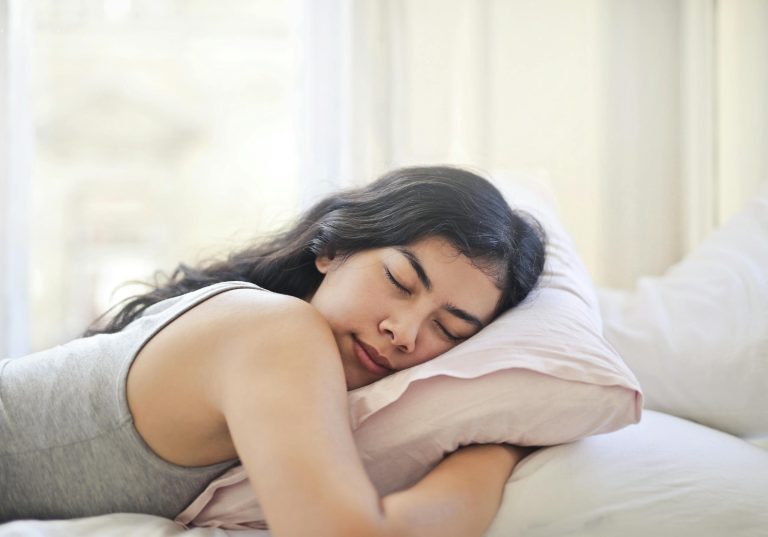
Waking up exhausted despite a full night in bed is frustrating. Waking up that way repeatedly, with your partner reporting you snored like a freight train or seemed to stop breathing altogether, is alarming. If this sounds familiar, you may be experiencing sleep apnea, a condition affecting an estimated 936 million adults worldwide.
Quick Picks


Sleep apnea remains remarkably underdiagnosed despite its prevalence. Research suggests that as many as 90% of cases in men and 98% in women may go unrecognised for years. This gap between suffering and diagnosis represents millions of people struggling with symptoms they cannot explain, assuming their fatigue is simply a fact of life.
When I first started researching sleep disorders after years of battling anxiety-driven insomnia, I quickly realised how interconnected different sleep problems can be. While my own struggles centred on difficulty falling asleep rather than breathing interruptions, I encountered countless people whose daytime exhaustion mirrored mine but stemmed from a completely different source. Understanding sleep apnea became essential to understanding sleep itself.
This guide covers everything you need to know about recognising sleep apnea symptoms and finding effective solutions, whether you suspect you have it or are supporting someone who does.

Understanding Sleep Apnea: What Happens When You Stop Breathing
Sleep apnea occurs when breathing repeatedly stops and restarts during sleep. These pauses, called apneic events, can happen dozens or even hundreds of times per night, each one briefly rousing your brain to restart breathing. You typically do not remember these micro-awakenings, but your body certainly does.
The condition comes in two primary forms. Obstructive sleep apnea, the more common variety, happens when the muscles in your throat relax excessively during sleep, allowing soft tissue to collapse and block the airway. Central sleep apnea, less common but equally serious, occurs when the brain fails to send proper signals to the muscles controlling breathing.
According to the National Heart, Lung, and Blood Institute, an estimated 50 to 70 million Americans have a sleep disorder, with obstructive sleep apnea being among the most prevalent. The condition affects approximately 25 to 30% of men and 9 to 17% of women, though these numbers may underestimate true prevalence given diagnostic challenges.
The severity of sleep apnea is measured using the apnea-hypopnea index, which counts breathing disruptions per hour of sleep. Mild sleep apnea involves 5 to 15 events per hour, moderate ranges from 15 to 30 events, and severe exceeds 30. Someone with severe sleep apnea may experience over 60 breathing interruptions every hour, making restorative sleep virtually impossible.
Warning Signs You Should Not Ignore
The symptoms of sleep apnea extend far beyond snoring, though that remains the most widely recognised indicator. Understanding the full spectrum of warning signs helps explain why so many cases go undiagnosed.
Night-time Symptoms
Loud, chronic snoring is often the first clue, particularly snoring that includes gasping, choking, or snorting sounds. Unlike simple snoring that remains relatively consistent throughout the night, sleep apnea snoring tends to follow a pattern: silence during the breathing pause, then an explosive snort or gasp as breathing resumes. For those with mild obstruction, nasal strips can help improve airflow and reduce snoring severity.
Witnessed apneas represent perhaps the most alarming symptom for bed partners. Watching someone you love appear to stop breathing entirely, sometimes for 10 seconds or longer, is genuinely frightening. Many people first seek medical attention not because of their own awareness but because a concerned partner insisted.
Restless sleep and frequent position changes often accompany sleep apnea as the body unconsciously attempts to find positions that ease breathing. Night sweats unrelated to room temperature, frequent urination during the night, and dry mouth upon waking all suggest possible sleep apnea.

Daytime Symptoms
Excessive daytime sleepiness is the most common complaint driving people to seek evaluation. This goes beyond normal tiredness after a late night. People with untreated sleep apnea describe an overwhelming, persistent fatigue that no amount of sleep seems to fix. They may fall asleep in meetings, while watching television, or even while stopped at traffic lights.
I recognise this kind of bone-deep exhaustion from my own worst periods with insomnia. During the month or so when my sleep was at its absolute worst, I remember the fog that descended over everything, making simple decisions feel impossible. People with untreated sleep apnea experience this constantly, often assuming it is simply how they are rather than a treatable medical condition.
Morning headaches, particularly those that fade within a few hours of waking, result from oxygen desaturation during sleep. Difficulty concentrating, memory problems, and mood changes including irritability and depression frequently accompany sleep apnea. Some people notice decreased libido or experience erectile dysfunction, which can be directly related to the oxygen deprivation and hormonal disruptions caused by interrupted sleep.
Symptoms That Differ Between Groups
Women often present with symptoms that overlap with insomnia, including difficulty falling asleep, frequent awakenings, and depression. This atypical presentation contributes to lower diagnosis rates in women despite similar prevalence after menopause.
Children with sleep apnea may show hyperactivity rather than sleepiness, leading to misdiagnosis of attention deficit disorders. Bedwetting, poor school performance, and behavioural problems can all stem from undiagnosed sleep apnea in children.
Risk Factors: Who Develops Sleep Apnea
While anyone can develop sleep apnea, certain factors significantly increase risk. Understanding these helps both with self-assessment and with implementing preventive strategies.
Excess weight remains the strongest modifiable risk factor. Fat deposits around the upper airway can obstruct breathing, and people with obesity face significantly higher rates of obstructive sleep apnea. However, plenty of thin people develop the condition, so weight alone does not determine risk.
Anatomical factors play a crucial role. A naturally narrow airway, enlarged tonsils or adenoids, a recessed chin, or a large tongue base can all predispose someone to airway obstruction during sleep. Neck circumference above 43 centimetres in men or 40.5 centimetres in women correlates with higher risk.
Age increases risk, with prevalence rising substantially in people over 50. Men are more likely to develop sleep apnea than women until menopause, after which rates become roughly equal. Family history matters; having close relatives with sleep apnea raises your own risk.
Lifestyle factors including alcohol consumption, smoking, and use of sedatives can worsen or contribute to sleep apnea. Alcohol relaxes the throat muscles, increasing the likelihood of airway collapse. Smoking causes inflammation and fluid retention in the upper airway.

Getting Diagnosed: The Path to Answers
If you recognise multiple symptoms in yourself, seeking professional evaluation is essential. Sleep apnea carries serious health consequences when left untreated, including increased risk of heart disease, stroke, diabetes, and accidents.
Initial Assessment
Start with your general practitioner, who can assess your symptoms and risk factors. The STOP-BANG questionnaire, a validated screening tool, evaluates snoring, tiredness, observed apneas, blood pressure, body mass index, age, neck circumference, and gender to estimate probability of sleep apnea.
Your doctor may refer you to a sleep specialist for further evaluation. During this assessment, expect detailed questions about your sleep patterns, daytime symptoms, medical history, and any observations from your bed partner. A physical examination of your upper airway helps identify anatomical factors.
Sleep Studies
Definitive diagnosis requires a sleep study. In-laboratory polysomnography remains the gold standard, monitoring brain waves, oxygen levels, heart rate, breathing patterns, and body movements throughout the night. According to clinical guidelines published in PMC, polysomnography provides comprehensive data for accurate diagnosis and severity assessment.
Home sleep apnea tests offer a more convenient alternative for many patients. These portable devices monitor airflow, breathing effort, and oxygen saturation in your own bed. While less comprehensive than laboratory studies, home tests work well for people with high probability of moderate to severe obstructive sleep apnea and no significant comorbidities.
If you are uncertain whether your symptoms warrant investigation, our guide on when to see a sleep specialist can help you make that decision. The sooner you get answers, the sooner you can start feeling better.
Treatment Options: Finding What Works
Effective treatment exists for sleep apnea at all severity levels. The right approach depends on the type and severity of your condition, your anatomy, and your personal preferences and circumstances.
Positive Airway Pressure Therapy
Continuous positive airway pressure, commonly known as CPAP, remains the most effective treatment for moderate to severe obstructive sleep apnea. The device delivers a steady stream of pressurised air through a mask worn during sleep, keeping the airway open. For those who cannot tolerate CPAP masks, anti-snoring mouthpieces offer an alternative that repositions the jaw to maintain airway patency.
When it works, CPAP can be transformative. People describe feeling like they have woken up for the first time in years. Energy returns, concentration improves, and the constant fog lifts. The health benefits extend beyond symptom relief to include reduced cardiovascular risk and better blood pressure control.
However, CPAP compliance remains a significant challenge. Nearly half of patients struggle to use their device consistently after the first month. Common complaints include mask discomfort, dry mouth, claustrophobia, and noise. Working closely with your sleep team to find the right mask and pressure settings makes a substantial difference in adherence.
Variations on positive airway pressure include bilevel PAP, which provides different pressure for inhalation and exhalation, and auto-adjusting PAP, which varies pressure throughout the night based on detected events. For those who find standard CPAP intolerable, exploring our comprehensive guide to CPAP alternatives may reveal options worth discussing with your doctor.
Oral Appliances
Mandibular advancement devices represent the primary alternative to positive airway pressure for mild to moderate obstructive sleep apnea. These custom-fitted oral appliances hold the lower jaw forward during sleep, helping keep the airway open.
Research published in the Cleveland Clinic Journal of Medicine notes that oral appliances can be particularly effective for patients who cannot tolerate CPAP or prefer a less intrusive option. While generally less effective than CPAP for severe cases, compliance tends to be higher, which can result in comparable real-world outcomes for some patients.
Getting a properly fitted oral appliance requires working with a qualified dentist experienced in dental sleep medicine. Over-the-counter devices rarely provide the customisation needed for effective treatment. Follow-up sleep testing confirms whether the appliance adequately controls your sleep apnea.
Positional Therapy
Many people experience significantly more breathing disruptions when sleeping on their back compared to their side. For these individuals with positional sleep apnea, simply avoiding the supine position can substantially reduce symptoms.
Understanding optimal sleep positions for sleep apnea can complement other treatments or, in mild positional cases, serve as primary therapy. Various devices help maintain side sleeping, from simple tennis balls sewn into pyjama backs to sophisticated vibrating monitors that alert when you roll onto your back.
As a side sleeper myself, I understand how natural this feels for some people and how challenging it can be for others. The good news is that positional therapy, when appropriate, represents one of the least intrusive treatment options available.
Surgical Options
Surgery may be appropriate when conservative treatments fail or when anatomical abnormalities clearly contribute to obstruction. Options range from relatively minor procedures addressing the soft palate to major jaw advancement surgery.
Uvulopalatopharyngoplasty involves removing tissue from the soft palate and uvula to widen the airway. Results vary considerably, and the procedure has largely fallen out of favour as first-line surgical treatment due to modest long-term efficacy.
Hypoglossal nerve stimulation has emerged as a promising option for carefully selected patients. An implanted device stimulates the nerve controlling tongue movement, preventing the tongue from blocking the airway during sleep. The Sleep Foundation reports that this treatment shows durable benefits with high adherence rates for appropriate candidates.
Maxillomandibular advancement surgically repositions both the upper and lower jaw to enlarge the airway space. This major procedure offers high success rates for severe cases but involves significant recovery time and is typically reserved for younger patients with specific anatomical features.

Lifestyle Modifications That Make a Difference
Regardless of what primary treatment you pursue, lifestyle modifications can significantly improve outcomes and, in mild cases, may be sufficient on their own.
Weight Management
For people with overweight or obesity, losing even 10% of body weight can meaningfully reduce sleep apnea severity. Fat deposits around the neck and throat shrink, reducing airway pressure. Some people find their sleep apnea resolves entirely with sufficient weight loss.
The relationship works both ways, unfortunately. Poor sleep disrupts hormones that regulate appetite and metabolism, making weight loss more difficult. Breaking this cycle often requires addressing both issues simultaneously.
Alcohol and Sedatives
Alcohol relaxes the muscles controlling the airway, worsening obstruction. Even moderate drinking in the evening can increase apnea events and reduce oxygen levels during sleep. People with sleep apnea should avoid alcohol for at least four hours before bed, and many benefit from reducing overall consumption.
Several neat whiskeys might knock you out, but they will not give you quality sleep. This holds true for anyone, but the effects are amplified dramatically for those with sleep apnea. Sedatives and certain medications, particularly benzodiazepines and opioids, carry similar warnings.
Smoking Cessation
Smokers have significantly higher rates of obstructive sleep apnea than non-smokers. Smoking causes inflammation and fluid retention in the upper airway, contributing to obstruction. Quitting reduces risk and often improves symptoms in existing cases.
Sleep Hygiene
Maintaining consistent sleep schedules and good sleep hygiene supports any sleep apnea treatment. Adequate sleep duration allows for more restorative sleep even when apnea is present. A cool, dark bedroom promotes better sleep quality overall.
These principles apply universally to sleep health. The same advice I follow for managing my own sleep applies here: consistent timing, a cool room, complete darkness, and avoiding screens before bed. These foundations support whatever specific treatments address the underlying condition.
Long-Term Health Implications
Understanding what is at stake with untreated sleep apnea helps motivate adherence to treatment. The consequences extend far beyond feeling tired.
Cardiovascular disease risk increases substantially with untreated sleep apnea. The repeated oxygen desaturation and stress response associated with apneic events strain the heart and blood vessels. Hypertension, particularly resistant hypertension that responds poorly to medication, often accompanies undiagnosed sleep apnea. Heart attack, stroke, and atrial fibrillation occur at higher rates.
Metabolic effects include increased risk of type 2 diabetes, independent of weight. The disrupted sleep and oxygen deprivation affect insulin sensitivity and glucose metabolism. Treating sleep apnea often improves blood sugar control in people with diabetes.
Cognitive effects range from concentration difficulties and memory problems to increased dementia risk with long-term untreated disease. The brain requires adequate oxygen and restorative sleep to function properly and to clear metabolic waste products accumulated during waking hours.
Accident risk rises dramatically. Drowsy driving causes thousands of accidents annually, and people with untreated sleep apnea have a substantially elevated crash risk. Workplace accidents also increase. Effective treatment reduces these risks to normal levels.
Supporting Someone With Sleep Apnea
If you share a bed with someone who has sleep apnea, you play an important role in their diagnosis and treatment success. Your observations of snoring patterns, witnessed apneas, and restlessness provide crucial information for clinicians.
Encouraging treatment adherence requires patience. Adjusting to CPAP therapy takes time, and frustration is normal. Celebrating improvements, such as reduced snoring, better energy, or improved mood, reinforces the benefits of persistence.
Your own sleep matters too. The noise from severe untreated snoring or even from CPAP equipment can disrupt a partner’s rest. Do not hesitate to use earplugs or discuss equipment options that minimise noise. I have found earplugs essential for good sleep, loving not just the noise blocking but the sensation of being insulated from the world. Whatever helps you sleep alongside a partner managing a sleep disorder is worth pursuing.
When Sleep Apnea Overlaps With Other Conditions
Sleep apnea frequently coexists with other sleep and health conditions, complicating both diagnosis and treatment. Recognising these overlaps helps ensure comprehensive care.
Insomnia and sleep apnea commonly occur together, a combination sometimes called comorbid insomnia and sleep apnea. The micro-awakenings from apneic events can condition anxiety about sleep, creating a cycle of both breathing disruption and difficulty initiating or maintaining sleep. Treatment may need to address both conditions, exploring products specifically designed for insomnia alongside apnea treatment.
Restless leg syndrome also shows higher prevalence in people with sleep apnea. The uncomfortable leg sensations and urge to move can worsen sleep quality already compromised by breathing disruptions. Identifying and treating both conditions optimises outcomes.
Depression and anxiety frequently accompany sleep apnea, though determining cause and effect can be challenging. Poor sleep contributes to mood disorders, while mood disorders can worsen sleep. Effective sleep apnea treatment often improves mood symptoms, though some people benefit from addressing mental health concerns directly as well.
The Path Forward
Sleep apnea is eminently treatable. With proper diagnosis and the right treatment approach, most people experience dramatic improvement in their quality of life. Energy returns, concentration sharpens, mood stabilises, and long-term health risks decrease.
The hardest part for many is simply taking that first step toward evaluation. If you recognise yourself in the symptoms described here, consider this your encouragement to act. Getting upset about sleep problems you cannot control is like getting upset that it is raining outside. But recognising a treatable condition and doing nothing about it? That is something you can change.
Start with a conversation with your doctor. Describe your symptoms, mention any partner observations, and request an evaluation. Whether that leads to a home sleep test, a sleep lab visit, or reassurance that something else explains your fatigue, you will be closer to answers than you were before.
Sleep is absolutely crucial to your overall health and well-being. As someone who has spent years learning to manage my own sleep challenges, I can tell you that finding solutions, even imperfect ones, beats suffering in silence every time.
Frequently Asked Questions
Can sleep apnea go away on its own?
Sleep apnea rarely resolves without intervention. However, for people whose sleep apnea is primarily driven by excess weight, significant weight loss can substantially reduce or eliminate symptoms. Anatomical causes generally require ongoing management.
How do I know if I have sleep apnea without a sleep study?
While you cannot definitively diagnose sleep apnea without proper testing, certain combinations of symptoms strongly suggest the condition. Loud snoring combined with witnessed breathing pauses, excessive daytime sleepiness despite adequate time in bed, and morning headaches warrant medical evaluation. However, only a sleep study can confirm diagnosis and determine severity.
Is sleep apnea dangerous?
Untreated sleep apnea carries significant health risks including cardiovascular disease, stroke, type 2 diabetes, and accidents due to excessive sleepiness. Severe untreated sleep apnea is associated with reduced life expectancy. Effective treatment substantially reduces these risks.
How long does it take for CPAP to work?
Many people notice improved energy and alertness within the first few nights of CPAP use. However, full adjustment to therapy typically takes several weeks to months. Cardiovascular and metabolic benefits accrue over longer periods with consistent use.
Can young, fit people get sleep apnea?
Yes. While obesity and age increase risk, people of any age and weight can develop sleep apnea due to anatomical factors, family history, or other causes. Athletes with thick necks, people with naturally narrow airways, and those with certain facial structures face elevated risk regardless of fitness level.
Read more articles on the Sleep Disorders Hub.
About the Author: Scott Hilliard has spent over a decade managing anxiety-driven insomnia and extensively researching sleep disorders, treatments, and optimisation strategies. His approach combines personal experience with evidence-based research to help readers navigate their own sleep challenges.
Medical Disclaimer: This article is for informational purposes only and does not constitute medical advice. Sleep apnea is a serious medical condition requiring professional diagnosis and treatment. If you suspect you have sleep apnea, please consult a healthcare provider or sleep specialist. Always follow your healthcare provider’s recommendations regarding diagnosis and treatment.
Transparency Statement: liveworksleep may earn a commission from purchases made through links on this page. This does not influence our editorial content or recommendations. We only recommend products and approaches we believe provide genuine value.